
JLPT N2 शब्दार्थ अभ्यास - Unsolved

चार विकल्प भएका प्रश्नबाट JLPT N2 का 1790 शब्दका अर्थ नेपालीमा सिक्नुहोस्।
-
प्रथम श्रेणी
-
परम्परागत चप्पल
-
स्वीकारोक्ति
-
छलफल गर्नु / तर्क गर्नु
-
छोटकरीमा लेख्नु / छोड्नु
-
मृत्युले गुमाउनु
- 「加える」「咥える」は同音で、いずれも活用は下一段活用。
-
गोदाम
-
रसिद / प्राप्ति
-
आमाबुबाका भाइ
-
कपाट
-
नम्र व्यवहार
-
अत्तर
-
छरपस्ट हुनु
-
तताउनु
-
कुँद्नु
-
खुसी / बधाई
-
आत्मरक्षा
-
बुट्टारहित कपडा
-
विश्राम
-
ठाउँको नाम
-
मेनु
-
डुबुल्की मार्नु / भूमिगत हुनु
-
जोडिनु
-
भित्रबाहिर उल्टाउनु / पल्टाउनु
- 「深ける」は異表記。
-
बालविहार
-
ग्यारेज
-
अपार्टमेन्ट भवन
-
उत्तरी ध्रुव
-
अस्थायी / विशेष
-
लिटर
面接
अन्तर्वार्ता
面接
अन्तर्वार्ता
Explanation
面接
अन्तर्वार्ता
面接
अन्तरवार्ता / साक्षात्कार / नियुक्ति अन्तरवार्ता

( Base form )
( romanization )
( hiragana )
くわえる
मुखमा च्याप्नु
くわえる
मुखमा च्याप्नु
Explanation
मुखमा च्याप्नु
くわえる
थप्नु वा समावेश गर्नु / (दबाब/हानि आदि) लगाउनु / मुखमा च्याप्नु

Word Forms
The basic and commonly used forms of this verb.
Basic forms
| Form | Word form | Usage |
|---|---|---|
| Imperfective form (mizenkei) | Connects to endings such as nai, reru, and seru. | |
| Continuative form (renyokei) | Connects to endings such as masu, tai, and ta. | |
| Conclusive form (shushikei) | Ends a sentence and serves as the dictionary form. | |
| Attributive form (rentaikei) | Modifies a noun. | |
| Conditional form (kateikei) | Combines with ba to express a condition. | |
| Imperative form (meireikei) |
Alternative:
くわえよ
|
Expresses a command or instruction. |
Common forms
| Form | Word form | Usage |
|---|---|---|
| Te-form | Connects clauses with te. | |
| Ta-form | Expresses the past with ta. | |
| Nai-form | Expresses negation with nai. | |
| Masu-form | Used for polite speech. | |
| Ba-form | Expresses a condition with ba. | |
| Volitional form | Expresses intention or invitation. |
Notes
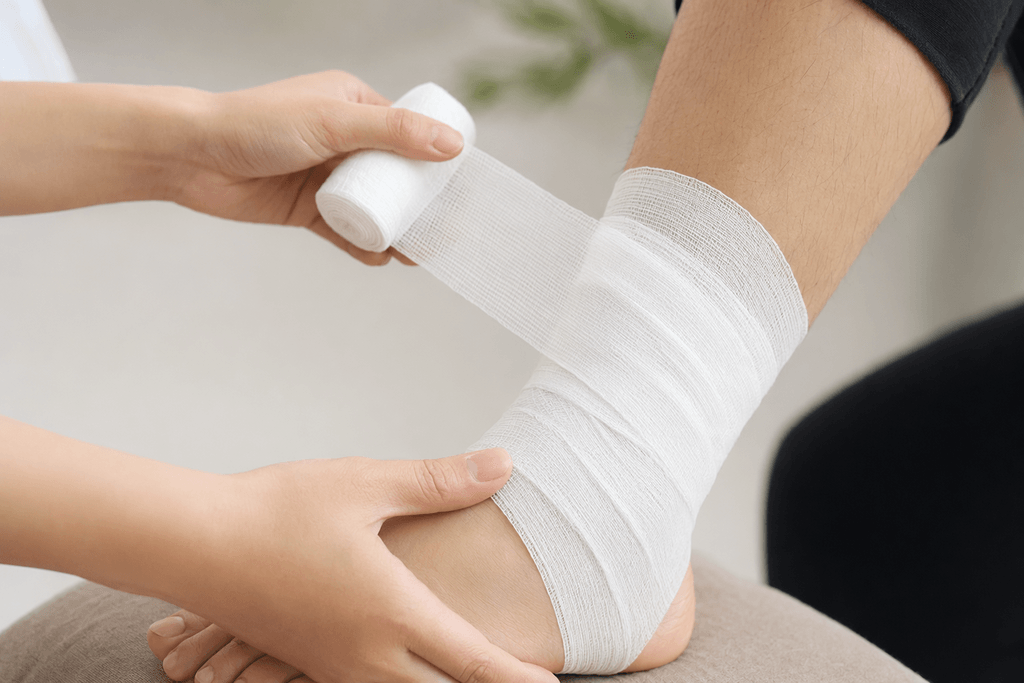
包帯
पट्टी
包帯
पट्टी
Explanation
包帯
पट्टी
包帯
घाउ बाँध्ने कपडा / पट्टी
( Base form )
( romanization )
( hiragana )
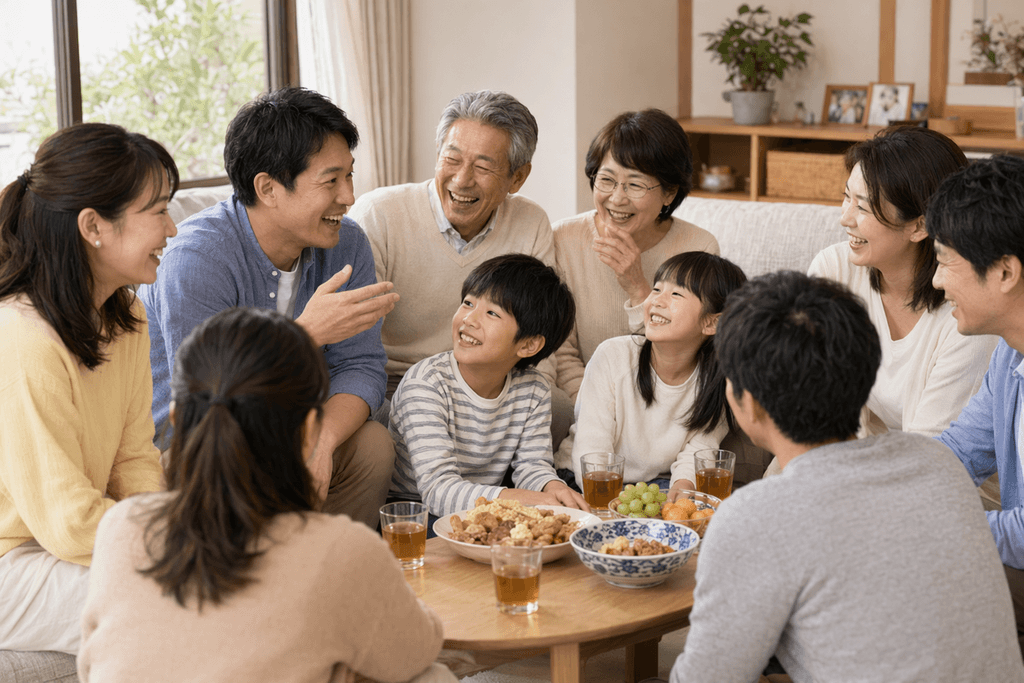
親類
नातेदार
親類
नातेदार
Explanation
親類
नातेदार
親類
नातेदार / कुटुम्ब / सम्बन्धी
( Base form )
( romanization )
( hiragana )
話しかける
कुरा सुरु गर्नु
話しかける
कुरा सुरु गर्नु
Explanation
話しかける
कुरा सुरु गर्नु
話しかける
कसैसँग कुरा गर्न सुरु गर्नु / कसैलाई सम्बोधन गर्दै बोल्नु / कसैसँग बोल्न पहल गर्नु

Word Forms
The basic and commonly used forms of this verb.
Basic forms
| Form | Word form | Usage |
|---|---|---|
| Imperfective form (mizenkei) |
Alternative:
話し掛け
|
Connects to endings such as nai, reru, and seru. |
| Continuative form (renyokei) |
Alternative:
話し掛け
|
Connects to endings such as masu, tai, and ta. |
| Conclusive form (shushikei) |
Alternative:
話し掛ける
|
Ends a sentence and serves as the dictionary form. |
| Attributive form (rentaikei) |
Alternative:
話し掛ける
|
Modifies a noun. |
| Conditional form (kateikei) |
Alternative:
話し掛けれ
|
Combines with ba to express a condition. |
| Imperative form (meireikei) |
Alternative:
話し掛けろ
話しかけよ
話し掛けよ
|
Expresses a command or instruction. |
Common forms
| Form | Word form | Usage |
|---|---|---|
| Te-form |
Alternative:
話し掛けて
|
Connects clauses with te. |
| Ta-form |
Alternative:
話し掛けた
|
Expresses the past with ta. |
| Nai-form |
Alternative:
話し掛けない
|
Expresses negation with nai. |
| Masu-form |
Alternative:
話し掛けます
|
Used for polite speech. |
| Ba-form |
Alternative:
話し掛ければ
|
Expresses a condition with ba. |
| Volitional form |
Alternative:
話し掛けよう
|
Expresses intention or invitation. |
ごみ
फोहोर
ごみ
फोहोर
Explanation
फोहोर
ごみ
फोहोर / कचरा / रद्दी

( Base form )
( romanization )
( hiragana )
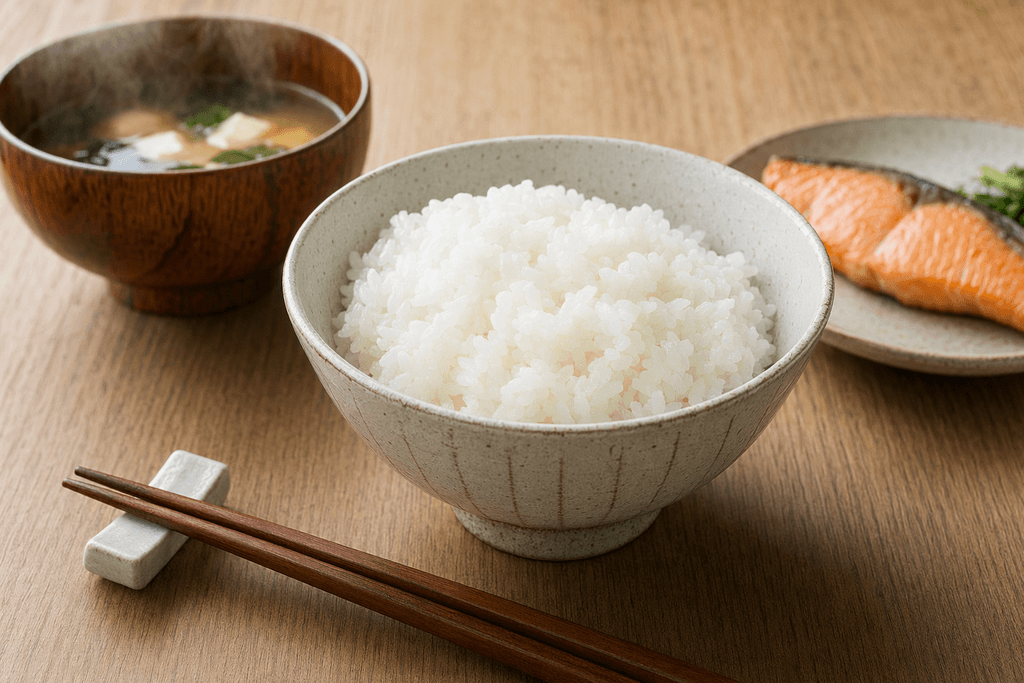
茶碗
भातको कचौरा / चियाको कप
茶碗
भातको कचौरा / चियाको कप
Explanation
茶碗
भातको कचौरा / चियाको कप
茶碗
भात खाने कटोरा / भात राख्ने सानो कटोरा
( Base form )
( romanization )
( hiragana )
更ける
रात छिप्पिनु
更ける
रात छिप्पिनु
Explanation
更ける
रात छिप्पिनु
更ける
ढिलो हुँदै जानु / रात गहिरिंदै जानु / (ऋतु) गहिरिंदै जानु

Word Forms
The basic and commonly used forms of this verb.
Basic forms
| Form | Word form | Usage |
|---|---|---|
| Imperfective form (mizenkei) |
Alternative:
深け
|
Connects to endings such as nai, reru, and seru. |
| Continuative form (renyokei) |
Alternative:
深け
|
Connects to endings such as masu, tai, and ta. |
| Conclusive form (shushikei) |
Alternative:
深ける
|
Ends a sentence and serves as the dictionary form. |
| Attributive form (rentaikei) |
Alternative:
深ける
|
Modifies a noun. |
| Conditional form (kateikei) |
Alternative:
深けれ
|
Combines with ba to express a condition. |
| Imperative form (meireikei) |
Alternative:
更けよ
深けろ
深けよ
|
Expresses a command or instruction. |
Common forms
| Form | Word form | Usage |
|---|---|---|
| Te-form |
Alternative:
深けて
|
Connects clauses with te. |
| Ta-form |
Alternative:
深けた
|
Expresses the past with ta. |
| Nai-form |
Alternative:
深けない
|
Expresses negation with nai. |
| Masu-form |
Alternative:
深けます
|
Used for polite speech. |
| Ba-form |
Alternative:
深ければ
|
Expresses a condition with ba. |
| Volitional form |
Alternative:
深けよう
|
Expresses intention or invitation. |
Notes
標識
सङ्केतपाटी
標識
सङ्केतपाटी
Explanation
標識
सङ्केतपाटी
標識
संकेतचिन्ह / चिन्ह / निशानी

( Base form )
( romanization )
( romanization )
( hiragana historical )
( hiragana )
銅
तामा
銅
तामा
Explanation
銅
तामा
銅
तामा (धातु) / रासायनिक तत्व Cu

( romanization )
( hiragana )
Loading...

JLPT N2 多言語単語帳・1790語 / JLPT N2 Multilingual Vocabulary: 1790 Words

Jonathan Waller 氏の JLPT Resources の語彙リスト・レベル分類を出典とし、CC BY の条件に従って DiQt が学習者向けに意味を作り直した1790語の単語帳です。JLPT公式の語彙リストではありません。
This collection of 1790 words is based on the vocabulary list and level classifications in Jonathan Waller’s JLPT Resources under CC BY, with meanings rewritten by DiQt for learners. It is not an official JLPT vocabulary list.
Key Operations
Select the first quiz:
Ctrl + Enter
View Explanation:Ctrl + G
Close a feedback:Esc
When selecting a quiz
Answer:Enter
Select a choice:↓ or ↑
Reading out the question:Ctrl + K
View Hint: Ctrl + M
I don't know: Ctrl + Y



