
JLPT N2 शब्दार्थ अभ्यास - Unsolved

चार विकल्प भएका प्रश्नबाट JLPT N2 का 1790 शब्दका अर्थ नेपालीमा सिक्नुहोस्।
-
आतसबाजी
-
सङ्गीतको गति
-
महिनाको पहिलो दस दिन
-
मन्द ढलानको
-
छड्के
-
भड्किलो
- ナ形容詞(形容動詞)として用いる。
- 「真っ白な紙」「真っ白になる」「頭が真っ白だ」のように用いる。
-
मसी
-
सरकारी कामकाज
-
पेच
-
काठ
-
मातापिताप्रतिको सेवा
-
व्यक्तिगत छाप
-
लक्ष्य राख्नु
-
पछुताउनु / शोक गर्नु
-
जिम्मेवार हुनु
-
पुस्तकहरू
-
पैदल यात्रुको आवागमन
-
लापरबाही
-
सम्बन्धित हुनु
-
सेलाउन दिनु
-
गहिरिनु
-
सवारी चढ्ने काम
-
बाँध
-
जनावरको बोसो
-
हाम फालेर पस्नु / कोच्नु
-
पुलपुल्याउनु
-
लागू गर्नु / मिलाउनु
- 「延ばす」はサ行五段活用の他動詞。
-
सहप्राध्यापक
-
तराजु
-
महत्त्व
皮膚
छाला
皮膚
छाला
Explanation
皮膚
छाला
皮膚
छाला / त्वचा / शरीरको बाहिरी आवरण

( Base form )
( romanization )
( hiragana )
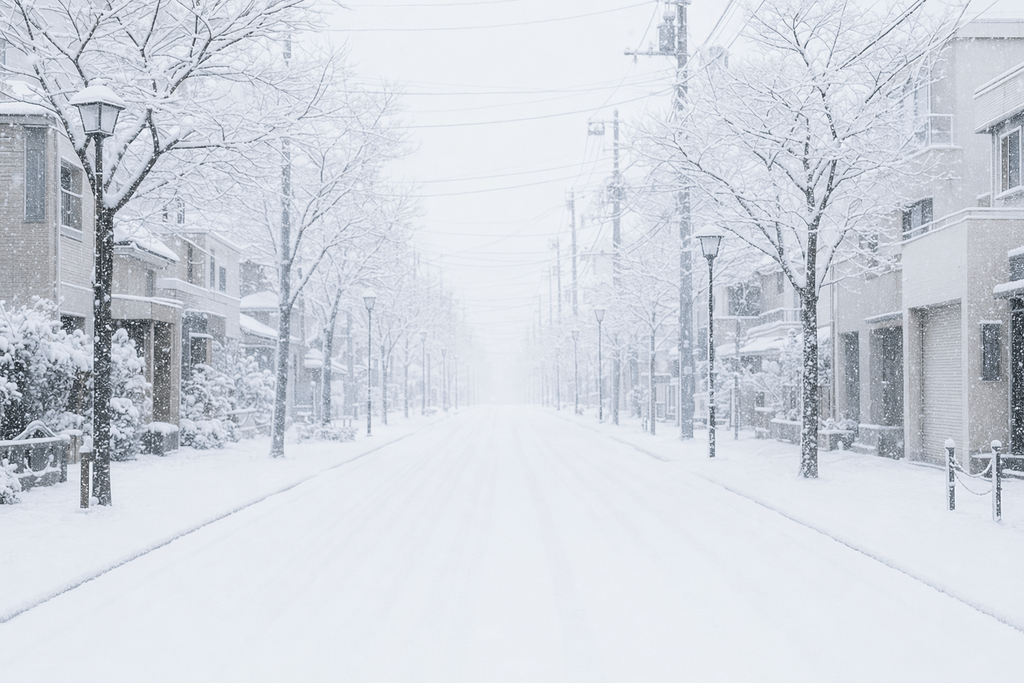
真っ白
निख्खर सेतो
真っ白
निख्खर सेतो
Explanation
真っ白
निख्खर सेतो
真っ白
एकदम सेतो / हिउँजस्तो सेतो / खाली (पाना वा दिमाग)
Word Forms
The basic and commonly used forms of this adjectival noun.
Basic forms
| Form | Word form | Usage |
|---|---|---|
| Imperfective form (mizenkei) | Used in forms such as darou. | |
| Continuative form (renyokei) |
Alternative:
真っ白に
真っ白だっ
|
Used with de or ni. |
| Conclusive form (shushikei) | Ends a sentence with da. | |
| Attributive form (rentaikei) | Modifies a noun with na. | |
| Conditional form (kateikei) | Expresses a condition with nara. | |
| Imperative form (meireikei) | Used in formal expressions such as de are. |
Common forms
| Form | Word form | Usage |
|---|---|---|
| Te-form equivalent | Connects clauses using de. | |
| Ta-form | Expresses the past with datta. | |
| Nai-form |
Alternative:
真っ白じゃない
|
Expresses negation with dewa nai or ja nai. |
| Desu-form | Used for polite speech. |
Notes
友好
मैत्री सम्बन्ध
友好
मैत्री सम्बन्ध
Explanation
友好
मैत्री सम्बन्ध
友好
मित्रता / मैत्री / सौहार्द

( Base form )
( romanization )
( romanization )
( hiragana historical )
( hiragana )
観念
अवधारणा / चेतना
観念
अवधारणा / चेतना
Explanation
観念
अवधारणा / चेतना
観念
धारणा / अवधारणा / विचार

( Base form )
( romanization )
( stem )
( Past )
( kyūjitai )
( table-tags )
( inflection-template )
( imperfective stem )
( imperfective stem )
( imperfective )
( continuative stem )
( continuative stem )
( continuative )
( stem terminative )
( stem terminative )
( terminative )
( attributive stem )
( attributive stem )
( attributive )
( hypothetical stem )
( hypothetical stem )
( hypothetical )
( Imperative literary stem )
( colloquial Imperative stem )
( Imperative literary stem )
( colloquial Imperative stem )
( Imperative literary )
( colloquial Imperative )
( Passive voice )
( Passive voice )
( Passive voice )
( causative )
( causative )
( causative )
( causative )
( causative )
( causative )
( potential )
( potential )
( potential )
( volitional )
( volitional )
( volitional )
( negative )
( negative )
( negative )
( continuative negative )
( continuative negative )
( continuative negative )
( formal )
( formal )
( formal )
( perfective )
( perfective )
( perfective )
( conjunctive )
( conjunctive )
( conjunctive )
( Conditional hypothetical )
( Conditional hypothetical )
( Conditional hypothetical )
預かる
जिम्मामा राख्नु
預かる
जिम्मामा राख्नु
Explanation
預かる
जिम्मामा राख्नु
預かる
जिम्मा लिनु / हेरचाह गर्नु / राखेर सुरक्षित राख्नु

Word Forms
The basic and commonly used forms of this verb.
Basic forms
| Form | Word form | Usage |
|---|---|---|
| Imperfective form (mizenkei) |
Alternative:
預かろ
|
Connects to endings such as nai, reru, and seru. |
| Continuative form (renyokei) |
Alternative:
預かっ
|
Connects to endings such as masu, tai, and ta. |
| Conclusive form (shushikei) | Ends a sentence and serves as the dictionary form. | |
| Attributive form (rentaikei) | Modifies a noun. | |
| Conditional form (kateikei) | Combines with ba to express a condition. | |
| Imperative form (meireikei) | Expresses a command or instruction. |
Common forms
句読点
विराम चिह्न
句読点
विराम चिह्न
Explanation
句読点
विराम चिह्न
句読点
विरामचिन्हहरू / वाक्यमा विराम वा ठहर जनाउने चिन्हहरू

( Base form )
( romanization )
( kyūjitai )
( hiragana )
驚かす
चकित पार्नु / डर देखाउनु
驚かす
चकित पार्नु / डर देखाउनु
Explanation
驚かす
चकित पार्नु / डर देखाउनु
驚かす
अचम्म पार्नु / चकित पार्नु / आश्चर्यचकित बनाउनु

Word Forms
The basic and commonly used forms of this verb.
Basic forms
| Form | Word form | Usage |
|---|---|---|
| Imperfective form (mizenkei) |
Alternative:
驚かそ
|
Connects to endings such as nai, reru, and seru. |
| Continuative form (renyokei) | Connects to endings such as masu, tai, and ta. | |
| Conclusive form (shushikei) | Ends a sentence and serves as the dictionary form. | |
| Attributive form (rentaikei) | Modifies a noun. | |
| Conditional form (kateikei) | Combines with ba to express a condition. | |
| Imperative form (meireikei) | Expresses a command or instruction. |
Common forms
日の入り
सूर्यास्त
日の入り
सूर्यास्त
Explanation
日の入り
सूर्यास्त
日の入り
सूर्यास्त / सूर्य अस्त हुने समय / अस्ताचलको बेला

( Base form )
( romanization )
延ばす
लम्ब्याउनु / सार्नु
延ばす
लम्ब्याउनु / सार्नु
Explanation
延ばす
लम्ब्याउनु / सार्नु
延ばす
लम्ब्याउनु / स्थगित गर्नु / ढिल्याउनु

Word Forms
The basic and commonly used forms of this verb.
Basic forms
| Form | Word form | Usage |
|---|---|---|
| Imperfective form (mizenkei) |
Alternative:
延ばそ
|
Connects to endings such as nai, reru, and seru. |
| Continuative form (renyokei) | Connects to endings such as masu, tai, and ta. | |
| Conclusive form (shushikei) | Ends a sentence and serves as the dictionary form. | |
| Attributive form (rentaikei) | Modifies a noun. | |
| Conditional form (kateikei) | Combines with ba to express a condition. | |
| Imperative form (meireikei) | Expresses a command or instruction. |
Common forms
| Form | Word form | Usage |
|---|---|---|
| Te-form | Connects clauses with te. | |
| Ta-form | Expresses the past with ta. | |
| Nai-form | Expresses negation with nai. | |
| Masu-form | Used for polite speech. | |
| Ba-form | Expresses a condition with ba. | |
| Volitional form | Expresses intention or invitation. |
Notes
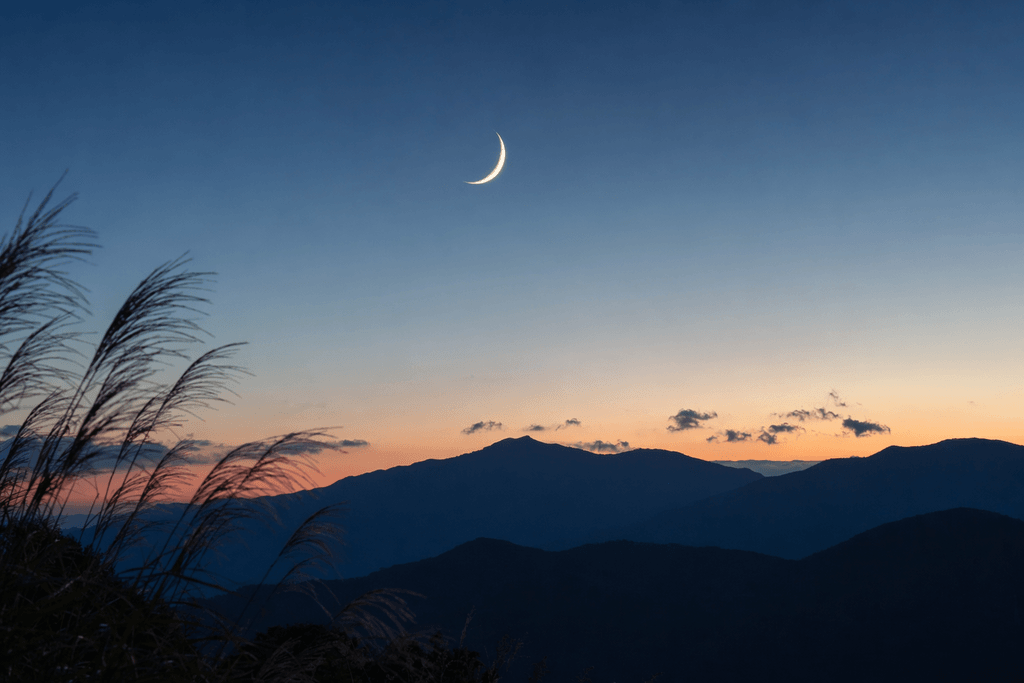
三日月
चन्द्राकार चन्द्रमा
三日月
चन्द्राकार चन्द्रमा
Explanation
三日月
चन्द्राकार चन्द्रमा
三日月
तिथिको तेस्रो दिनमा देखिने अर्धचन्द्र (विशेषतः आठौँ चन्द्र महिनाको) / अर्धचन्द्र; अर्धचन्द्राकार चन्द्रमा
( Base form )
( romanization )
( hiragana )
Loading...

JLPT N2 多言語単語帳・1790語 / JLPT N2 Multilingual Vocabulary: 1790 Words

Jonathan Waller 氏の JLPT Resources の語彙リスト・レベル分類を出典とし、CC BY の条件に従って DiQt が学習者向けに意味を作り直した1790語の単語帳です。JLPT公式の語彙リストではありません。
This collection of 1790 words is based on the vocabulary list and level classifications in Jonathan Waller’s JLPT Resources under CC BY, with meanings rewritten by DiQt for learners. It is not an official JLPT vocabulary list.
Key Operations
Select the first quiz:
Ctrl + Enter
View Explanation:Ctrl + G
Close a feedback:Esc
When selecting a quiz
Answer:Enter
Select a choice:↓ or ↑
Reading out the question:Ctrl + K
View Hint: Ctrl + M
I don't know: Ctrl + Y



