
JLPT N2: Latihan arti kata - Unsolved

Pelajari arti 1790 kata JLPT N2 dalam bahasa Indonesia melalui soal dengan empat pilihan jawaban.
-
kondisi geologi
-
pengeringan / kekeringan
-
tingkat pemula
-
maaf / penolakan
-
nilon
-
sepupu
-
terjal / garang
-
genting
-
keras / teguh
- 「図々しい」はイ形容詞。命令形「図々しかれ」は現代語では稀な文語的形。
-
pelatihan
-
keseimbangan
-
bencana kelaparan
-
putih bersih
-
biru pekat / pucat pasi
-
mencolok
-
ketat / saksama
-
putih bersih
-
tidak rata
-
remang-remang
-
terjal / garang
-
pucat
- 「ない」で終わるが、全体としてイ形容詞として活用する語。
-
tema
-
sampah
-
sebelum dan sesudah / sekitar
-
karya pendek
-
kalung
-
watak / sifat bahan
-
menusuk / menyengat
-
memakaikan pakaian
-
memasukkan / mengadopsi
特長
keunggulan khas
特長
keunggulan khas
Explanation
特長
keunggulan khas
特長
keunggulan / poin kuat / keahlian khusus

( Base form )
( romanization )
( romanization )
( hiragana historical )
( hiragana )
行列
antrean / matriks
行列
antrean / matriks
Explanation
行列
antrean / matriks
行列
antrean; barisan / arak-arakan; prosesi / matriks; larik

( Base form )
( romanization )
( romanization )
( stem )
( Past )
( hiragana historical )
図々しい
tidak tahu malu
図々しい
tidak tahu malu
Explanation
図々しい
tidak tahu malu
図々しい
tak tahu malu / kurang ajar / lancang

Word Forms
The basic and commonly used forms of this adjective.
Basic forms
| Form | Word form | Usage |
|---|---|---|
| Imperfective form (mizenkei) | Used in forms such as karou; mainly literary. | |
| Continuative form (renyokei) |
Alternative:
図々しかっ
|
Used in forms such as kute and kunai. |
| Conclusive form (shushikei) | Ends a sentence. | |
| Attributive form (rentaikei) | Modifies a noun. | |
| Conditional form (kateikei) | Expresses a condition with kereba. | |
| Imperative form (meireikei) | Rarely used in modern Japanese. |
Common forms
| Form | Word form | Usage |
|---|---|---|
| Te-form | Connects clauses with kute. | |
| Ta-form | Expresses the past with katta. | |
| Nai-form | Expresses negation with kunai. | |
| Ba-form | Expresses a condition with kereba. |
Notes
出入り
keluar masuk / arus kas
出入り
keluar masuk / arus kas
Explanation
出入り
keluar masuk / arus kas
出入り
keluar-masuk / datang dan pergi / lalu-lalang

( Base form )
( romanization )
( stem )
( Past )
( table-tags )
( inflection-template )
( imperfective stem )
( imperfective stem )
( imperfective )
( continuative stem )
( continuative stem )
( continuative )
( stem terminative )
( stem terminative )
( terminative )
( attributive stem )
( attributive stem )
( attributive )
( hypothetical stem )
( hypothetical stem )
( hypothetical )
( Imperative literary stem )
( colloquial Imperative stem )
( Imperative literary stem )
( colloquial Imperative stem )
( Imperative literary )
( colloquial Imperative )
( Passive voice )
( Passive voice )
( Passive voice )
( causative )
( causative )
( causative )
( causative )
( causative )
( causative )
( potential )
( potential )
( potential )
( volitional )
( volitional )
( volitional )
( negative )
( negative )
( negative )
( continuative negative )
( continuative negative )
( continuative negative )
( formal )
( formal )
( formal )
( perfective )
( perfective )
( perfective )
( conjunctive )
( conjunctive )
( conjunctive )
( Conditional hypothetical )
( Conditional hypothetical )
( Conditional hypothetical )
スマート
langsing / bergaya
スマート
langsing / bergaya
Explanation
langsing / bergaya
スマート
langsing/ramping / modis/bergaya

Word Forms
The basic and commonly used forms of this adjectival noun.
Basic forms
| Form | Word form | Usage |
|---|---|---|
| Imperfective form (mizenkei) | Used in forms such as darou. | |
| Continuative form (renyokei) |
Alternative:
スマートに
|
Used with de or ni. |
| Conclusive form (shushikei) | Ends a sentence with da. | |
| Attributive form (rentaikei) | Modifies a noun with na. | |
| Conditional form (kateikei) |
Alternative:
スマートであれば
|
Expresses a condition with nara. |
| Imperative form (meireikei) | Used in formal expressions such as de are. |
Common forms
逆さま
terbalik atas bawah / terbalik depan belakang
逆さま
terbalik atas bawah / terbalik depan belakang
Explanation
逆さま
terbalik atas bawah / terbalik depan belakang
逆さま
terbalik / jungkir balik / kacau-balau

Word Forms
The basic and commonly used forms of this adjectival noun.
Basic forms
| Form | Word form | Usage |
|---|---|---|
| Imperfective form (mizenkei) | Used in forms such as darou. | |
| Continuative form (renyokei) |
Alternative:
逆さまに
逆さまだっ
|
Used with de or ni. |
| Conclusive form (shushikei) | Ends a sentence with da. | |
| Attributive form (rentaikei) | Modifies a noun with na. | |
| Conditional form (kateikei) | Expresses a condition with nara. | |
| Imperative form (meireikei) | Used in formal expressions such as de are. |
Common forms
くだらない
tidak berharga / sepele
くだらない
tidak berharga / sepele
Explanation
tidak berharga / sepele
くだらない
tidak berharga / sepele / tidak masuk akal

Word Forms
The basic and commonly used forms of this adjective.
Basic forms
| Form | Word form | Usage |
|---|---|---|
| Imperfective form (mizenkei) | Used in forms such as karou; mainly literary. | |
| Continuative form (renyokei) |
Alternative:
くだらなかっ
|
Used in forms such as kute and kunai. |
| Conclusive form (shushikei) | Ends a sentence. | |
| Attributive form (rentaikei) | Modifies a noun. | |
| Conditional form (kateikei) | Expresses a condition with kereba. | |
| Imperative form (meireikei) | Rarely used in modern Japanese. |
Common forms
| Form | Word form | Usage |
|---|---|---|
| Te-form | Connects clauses with kute. | |
| Ta-form | Expresses the past with katta. | |
| Nai-form | Expresses negation with kunai. | |
| Ba-form | Expresses a condition with kereba. |
Notes
標本
spesimen
標本
spesimen
Explanation
標本
spesimen
標本
sampel / spesimen / contoh

( Base form )
( romanization )
( hiragana )
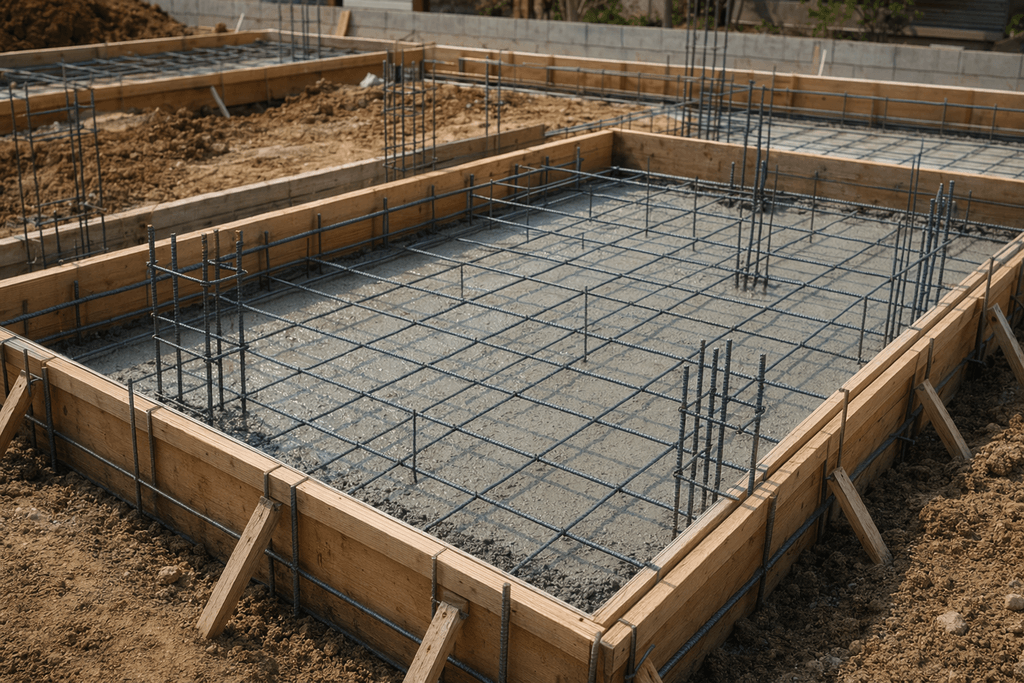
基礎
dasar
基礎
dasar
Explanation
基礎
dasar
基礎
dasar / landasan / fondasi (konstruksi)
( Base form )
( romanization )
( hiragana )
拭く
mengelap
拭く
mengelap
Explanation
拭く
mengelap
拭く
mengelap / menyeka / membersihkan dengan mengelap

Word Forms
The basic and commonly used forms of this verb.
Basic forms
| Form | Word form | Usage |
|---|---|---|
| Imperfective form (mizenkei) |
Alternative:
拭こ
|
Connects to endings such as nai, reru, and seru. |
| Continuative form (renyokei) | Connects to endings such as masu, tai, and ta. | |
| Conclusive form (shushikei) | Ends a sentence and serves as the dictionary form. | |
| Attributive form (rentaikei) | Modifies a noun. | |
| Conditional form (kateikei) | Combines with ba to express a condition. | |
| Imperative form (meireikei) | Expresses a command or instruction. |
Common forms
Loading...

JLPT N2 多言語単語帳・1790語 / JLPT N2 Multilingual Vocabulary: 1790 Words

Jonathan Waller 氏の JLPT Resources の語彙リスト・レベル分類を出典とし、CC BY の条件に従って DiQt が学習者向けに意味を作り直した1790語の単語帳です。JLPT公式の語彙リストではありません。
This collection of 1790 words is based on the vocabulary list and level classifications in Jonathan Waller’s JLPT Resources under CC BY, with meanings rewritten by DiQt for learners. It is not an official JLPT vocabulary list.
Key Operations
Select the first quiz:
Ctrl + Enter
View Explanation:Ctrl + G
Close a feedback:Esc
When selecting a quiz
Answer:Enter
Select a choice:↓ or ↑
Reading out the question:Ctrl + K
View Hint: Ctrl + M
I don't know: Ctrl + Y



