
JLPT N2: Latihan arti kata - Unsolved

Pelajari arti 1790 kata JLPT N2 dalam bahasa Indonesia melalui soal dengan empat pilihan jawaban.
-
menyimpan / menabung
-
condong ke satu sisi / berpihak
-
menghalangi / mencegah
- 「凭れる」「靠れる」とも書く。
- 対象を示す格助詞は一般に「に」(例: 壁にもたれる)。
-
tinta kaligrafi
-
tabel suku kata Jepang
-
tanda baca
-
upacara pemakaman
-
kantor pemerintah
-
wawancara
-
penutupan pertemuan
-
peralatan makan
-
kerajinan
-
lem pasta / kanji pakaian
-
wadah
-
pusar
-
tempat terkenal
-
pertukaran / arus bolak-balik
-
keseimbangan
-
penilaian ujian
-
pemeliharaan kesehatan
-
garis-garis
-
pintu belakang
-
masing-masing
-
statistik
-
cat lukis
-
blus
-
gelombang radio
-
menjaga rumah
-
hari libur nasional
-
air limbah / saluran pembuangan
もたれる
bersandar / terasa berat di perut
もたれる
bersandar / terasa berat di perut
Explanation
bersandar / terasa berat di perut
もたれる
bersandar pada sesuatu / merasa berat di lambung (tentang makanan) / sulit dicerna (tentang makanan)

Word Forms
The basic and commonly used forms of this verb.
Basic forms
| Form | Word form | Usage |
|---|---|---|
| Imperfective form (mizenkei) |
Alternative:
凭れ
靠れ
|
Connects to endings such as nai, reru, and seru. |
| Continuative form (renyokei) |
Alternative:
凭れ
靠れ
|
Connects to endings such as masu, tai, and ta. |
| Conclusive form (shushikei) |
Alternative:
凭れる
靠れる
|
Ends a sentence and serves as the dictionary form. |
| Attributive form (rentaikei) |
Alternative:
凭れる
靠れる
|
Modifies a noun. |
| Conditional form (kateikei) |
Alternative:
凭れれ
靠れれ
|
Combines with ba to express a condition. |
| Imperative form (meireikei) |
Alternative:
もたれよ
凭れろ
凭れよ
靠れろ
靠れよ
|
Expresses a command or instruction. |
Common forms
| Form | Word form | Usage |
|---|---|---|
| Te-form |
Alternative:
凭れて
靠れて
|
Connects clauses with te. |
| Ta-form |
Alternative:
凭れた
靠れた
|
Expresses the past with ta. |
| Nai-form |
Alternative:
凭れない
靠れない
|
Expresses negation with nai. |
| Masu-form |
Alternative:
凭れます
靠れます
|
Used for polite speech. |
| Ba-form |
Alternative:
凭れれば
靠れれば
|
Expresses a condition with ba. |
| Volitional form |
Alternative:
凭れよう
靠れよう
|
Expresses intention or invitation. |
Notes
ランチ
makan siang
ランチ
makan siang
Explanation
makan siang
ランチ
makan siang / menu makan siang

( romanization )
マイナス
minus
マイナス
minus
Explanation
minus
マイナス
negatif / minus

( Base form )
( romanization )
( stem )
( Past )
( table-tags )
( inflection-template )
( imperfective stem )
( imperfective stem )
( continuative stem )
( continuative stem )
( stem terminative )
( stem terminative )
( attributive stem )
( attributive stem )
( hypothetical stem )
( hypothetical stem )
( Imperative literary stem )
( colloquial Imperative stem )
( Imperative literary stem )
( colloquial Imperative stem )
( Passive voice )
( Passive voice )
( causative )
( causative )
( causative )
( causative )
( potential )
( potential )
( volitional )
( volitional )
( negative )
( negative )
( continuative negative )
( continuative negative )
( formal )
( formal )
( perfective )
( perfective )
( conjunctive )
( conjunctive )
( Conditional hypothetical )
( Conditional hypothetical )
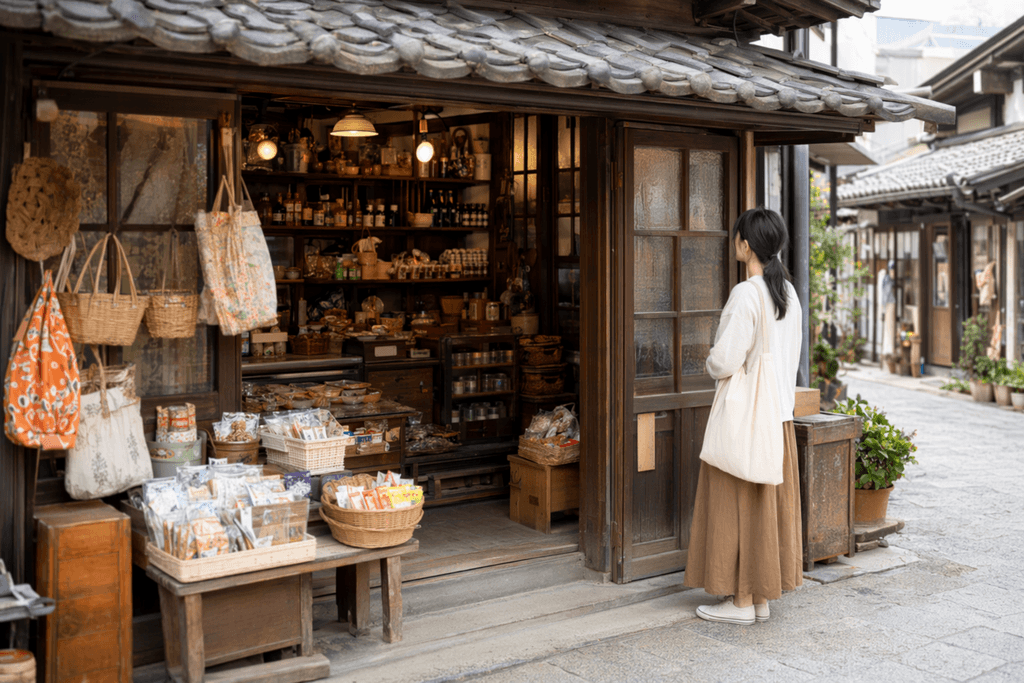
店屋
kedai
店屋
kedai
Explanation
店屋
kedai
店屋
toko / kedai / tempat menjual barang
大学院
sekolah pascasarjana
大学院
sekolah pascasarjana
Explanation
大学院
sekolah pascasarjana
大学院
sekolah pascasarjana / program pendidikan magister dan doktor / lembaga untuk studi lanjutan setelah sarjana

( Base form )
( romanization )
( kyūjitai )
( hiragana )
性能
kinerja / kemampuan alat
性能
kinerja / kemampuan alat
Explanation
性能
kinerja / kemampuan alat
性能
kinerja / performa / efisiensi

( Base form )
( romanization )
( hiragana )
筆記
pencatatan
筆記
pencatatan
Explanation
筆記
pencatatan
筆記
pencatatan / catatan / ujian tertulis

( Base form )
( romanization )
( hiragana )
大通り
jalan utama
大通り
jalan utama
Explanation
大通り
jalan utama
大通り
jalan utama / jalan besar / jalan raya

( Base form )
( romanization )
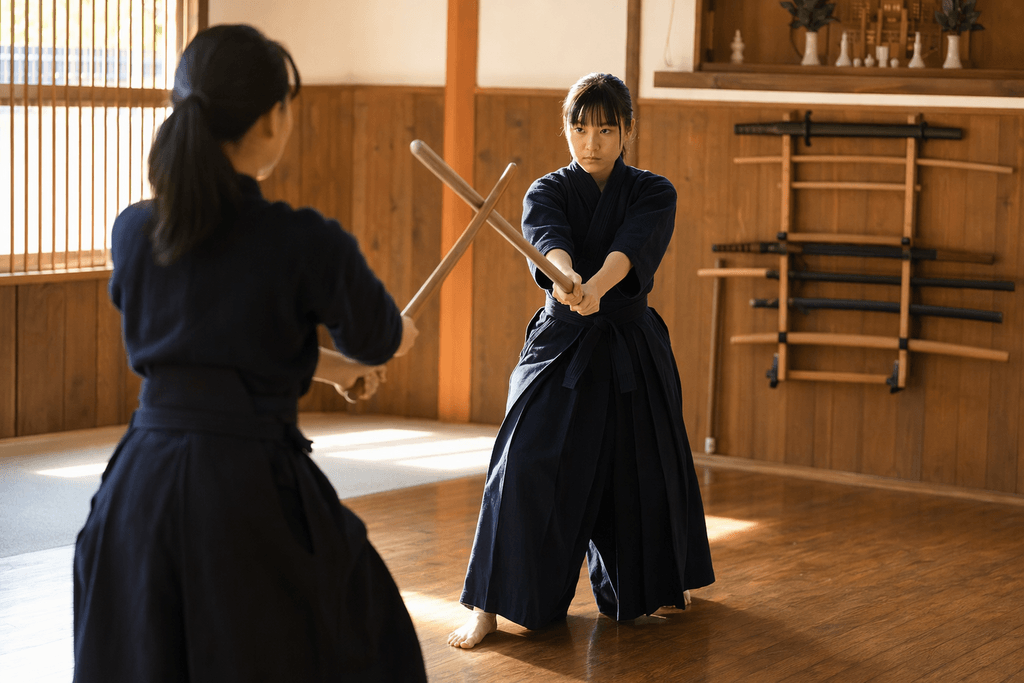
稽古
latihan
稽古
latihan
Explanation
稽古
latihan
稽古
latihan (terutama seni tradisional atau bela diri) / pelajaran / les
( Base form )
( romanization )
( stem )
( Past )
( table-tags )
( inflection-template )
( imperfective stem )
( imperfective stem )
( imperfective )
( continuative stem )
( continuative stem )
( continuative )
( stem terminative )
( stem terminative )
( terminative )
( attributive stem )
( attributive stem )
( attributive )
( hypothetical stem )
( hypothetical stem )
( hypothetical )
( Imperative literary stem )
( colloquial Imperative stem )
( Imperative literary stem )
( colloquial Imperative stem )
( Imperative literary )
( colloquial Imperative )
( Passive voice )
( Passive voice )
( Passive voice )
( causative )
( causative )
( causative )
( causative )
( causative )
( causative )
( potential )
( potential )
( potential )
( volitional )
( volitional )
( volitional )
( negative )
( negative )
( negative )
( continuative negative )
( continuative negative )
( continuative negative )
( formal )
( formal )
( formal )
( perfective )
( perfective )
( perfective )
( conjunctive )
( conjunctive )
( conjunctive )
( Conditional hypothetical )
( Conditional hypothetical )
( Conditional hypothetical )
落第
gagal ujian / tidak naik kelas
落第
gagal ujian / tidak naik kelas
Explanation
落第
gagal ujian / tidak naik kelas
落第
gagal ujian / tidak lulus / tidak naik kelas

( Base form )
( romanization )
( hiragana )
Loading...

JLPT N2 多言語単語帳・1790語 / JLPT N2 Multilingual Vocabulary: 1790 Words

Jonathan Waller 氏の JLPT Resources の語彙リスト・レベル分類を出典とし、CC BY の条件に従って DiQt が学習者向けに意味を作り直した1790語の単語帳です。JLPT公式の語彙リストではありません。
This collection of 1790 words is based on the vocabulary list and level classifications in Jonathan Waller’s JLPT Resources under CC BY, with meanings rewritten by DiQt for learners. It is not an official JLPT vocabulary list.
Key Operations
Select the first quiz:
Ctrl + Enter
View Explanation:Ctrl + G
Close a feedback:Esc
When selecting a quiz
Answer:Enter
Select a choice:↓ or ↑
Reading out the question:Ctrl + K
View Hint: Ctrl + M
I don't know: Ctrl + Y



