
JLPT N2: Latihan arti kata - Unsolved

Pelajari arti 1790 kata JLPT N2 dalam bahasa Indonesia melalui soal dengan empat pilihan jawaban.
-
genting
-
longgar / lunak
-
asam
-
kelanjutan
-
fakultas universitas
-
daerah aliran sungai
-
kemerosotan
-
kurang dari
-
daun pintu penahan hujan
-
sampul
-
darah
-
aritmetika
-
pengaturan
-
sindiran / ironi
-
darah
-
tetap tinggal
-
kelaparan
-
mengukir
-
menyangkal / meniadakan
-
berkomunikasi / terhubung
-
menghancurkan / menyia-nyiakan
- 「熱する」は他動詞・自動詞の両用があるサ変動詞。
- 未然形「熱さ」は主に受身・使役などで用いられる接続形。
-
paling awal
-
untuk sementara
-
akhirnya / nyaris tidak
-
bahasa hormat
-
batas
-
pengarang / pencipta
-
perpindahan kendaraan
-
lem pasta / kanji pakaian
-
gudang
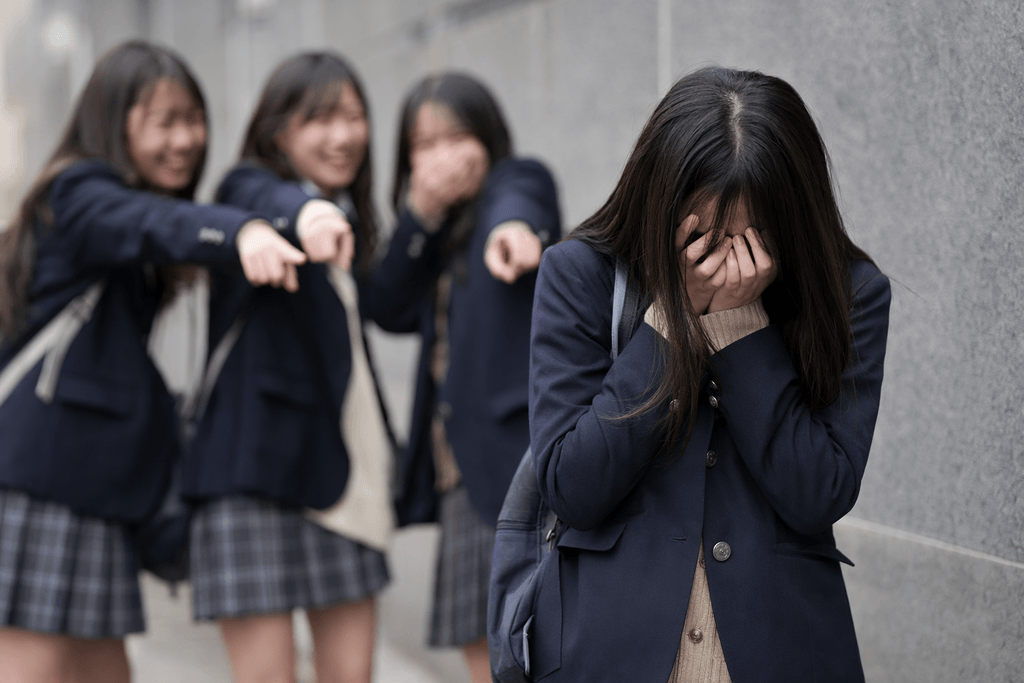
醜い
jelek
醜い
jelek
Explanation
醜い
jelek
醜い
jelek / tercela / sulit dibedakan
Word Forms
The basic and commonly used forms of this adjective.
Basic forms
| Form | Word form | Usage |
|---|---|---|
| Imperfective form (mizenkei) | Used in forms such as karou; mainly literary. | |
| Continuative form (renyokei) |
Alternative:
醜かっ
|
Used in forms such as kute and kunai. |
| Conclusive form (shushikei) | Ends a sentence. | |
| Attributive form (rentaikei) | Modifies a noun. | |
| Conditional form (kateikei) | Expresses a condition with kereba. | |
| Imperative form (meireikei) | Rarely used in modern Japanese. |
Common forms
複数
jamak / lebih dari satu
複数
jamak / lebih dari satu
Explanation
複数
jamak / lebih dari satu
複数
keadaan lebih dari satu / bilangan jamak (tata bahasa)

( Base form )
( romanization )
( kyūjitai )
( hiragana )
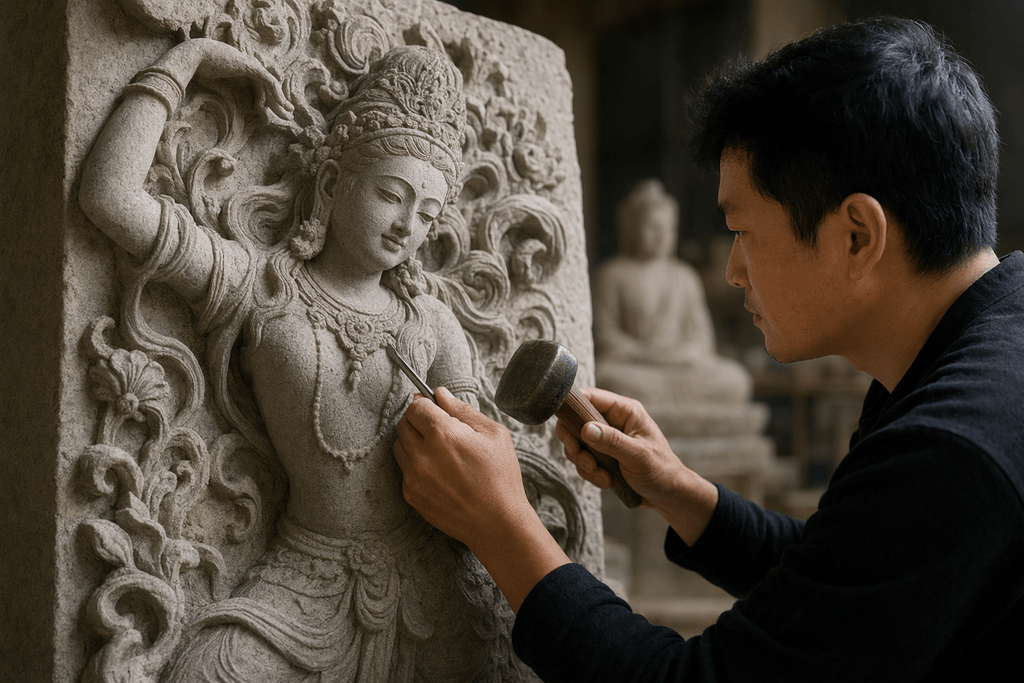
彫刻
patung / ukiran
彫刻
patung / ukiran
Explanation
彫刻
patung / ukiran
彫刻
pahatan / ukiran / patung
( Base form )
( romanization )
( romanization )
( hiragana historical )
( hiragana )
爪
kuku / cakar
爪
kuku / cakar
Explanation
爪
kuku / cakar
爪
kuku (jari tangan/kaki) / cakar (kuku hewan)

( romanization )
( hiragana )
洒落
permainan kata / lelucon cerdas
洒落
permainan kata / lelucon cerdas
Explanation
洒落
permainan kata / lelucon cerdas
洒落
gaya elegan dan modis / kecerdasan jenaka / humor atau permainan kata
( Base form )
( romanization )
( adnominal )
( adverbial )
( hiragana )
出来上がる
selesai
出来上がる
selesai
Explanation
出来上がる
selesai
出来上がる
selesai / siap (terutama tentang masakan) / mabuk berat

Word Forms
The basic and commonly used forms of this verb.
Basic forms
| Form | Word form | Usage |
|---|---|---|
| Imperfective form (mizenkei) |
Alternative:
出来上がろ
|
Connects to endings such as nai, reru, and seru. |
| Continuative form (renyokei) | Connects to endings such as masu, tai, and ta. | |
| Conclusive form (shushikei) | Ends a sentence and serves as the dictionary form. | |
| Attributive form (rentaikei) | Modifies a noun. | |
| Conditional form (kateikei) | Combines with ba to express a condition. | |
| Imperative form (meireikei) | Expresses a command or instruction. |
Common forms
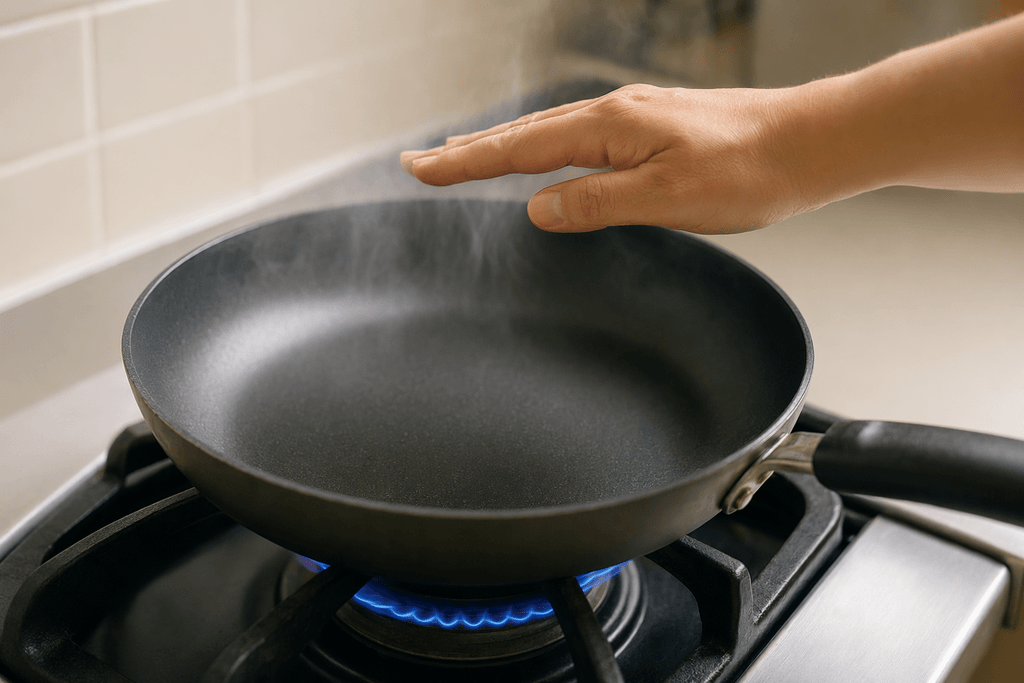
熱する
memanaskan
熱する
memanaskan
Explanation
熱する
memanaskan
熱する
memanaskan / menjadi panas
Word Forms
The basic and commonly used forms of this verb.
Basic forms
| Form | Word form | Usage |
|---|---|---|
| Imperfective form (mizenkei) |
Alternative:
熱せ
熱さ
|
Connects to endings such as nai, reru, and seru. |
| Continuative form (renyokei) | Connects to endings such as masu, tai, and ta. | |
| Conclusive form (shushikei) | Ends a sentence and serves as the dictionary form. | |
| Attributive form (rentaikei) | Modifies a noun. | |
| Conditional form (kateikei) | Combines with ba to express a condition. | |
| Imperative form (meireikei) |
Alternative:
熱せよ
|
Expresses a command or instruction. |
Common forms
| Form | Word form | Usage |
|---|---|---|
| Te-form | Connects clauses with te. | |
| Ta-form | Expresses the past with ta. | |
| Nai-form |
Alternative:
熱せず
熱せぬ
|
Expresses negation with nai. |
| Masu-form | Used for polite speech. | |
| Ba-form | Expresses a condition with ba. | |
| Volitional form | Expresses intention or invitation. |
Notes
大して
tidak begitu
大して
tidak begitu
Explanation
大して
tidak begitu
大して
tidak terlalu / tidak begitu / tidak banyak

創作
karya kreatif
創作
karya kreatif
Explanation
創作
karya kreatif
創作
penciptaan (karya seni/sastra) / karya cipta orisinal / karya fiksi

( Base form )
( romanization )
( stem )
( Past )
( table-tags )
( inflection-template )
( imperfective stem )
( imperfective stem )
( imperfective )
( continuative stem )
( continuative stem )
( continuative )
( stem terminative )
( stem terminative )
( terminative )
( attributive stem )
( attributive stem )
( attributive )
( hypothetical stem )
( hypothetical stem )
( hypothetical )
( Imperative literary stem )
( colloquial Imperative stem )
( Imperative literary stem )
( colloquial Imperative stem )
( Imperative literary )
( colloquial Imperative )
( Passive voice )
( Passive voice )
( Passive voice )
( causative )
( causative )
( causative )
( causative )
( causative )
( causative )
( potential )
( potential )
( potential )
( volitional )
( volitional )
( volitional )
( negative )
( negative )
( negative )
( continuative negative )
( continuative negative )
( continuative negative )
( formal )
( formal )
( formal )
( perfective )
( perfective )
( perfective )
( conjunctive )
( conjunctive )
( conjunctive )
( Conditional hypothetical )
( Conditional hypothetical )
( Conditional hypothetical )
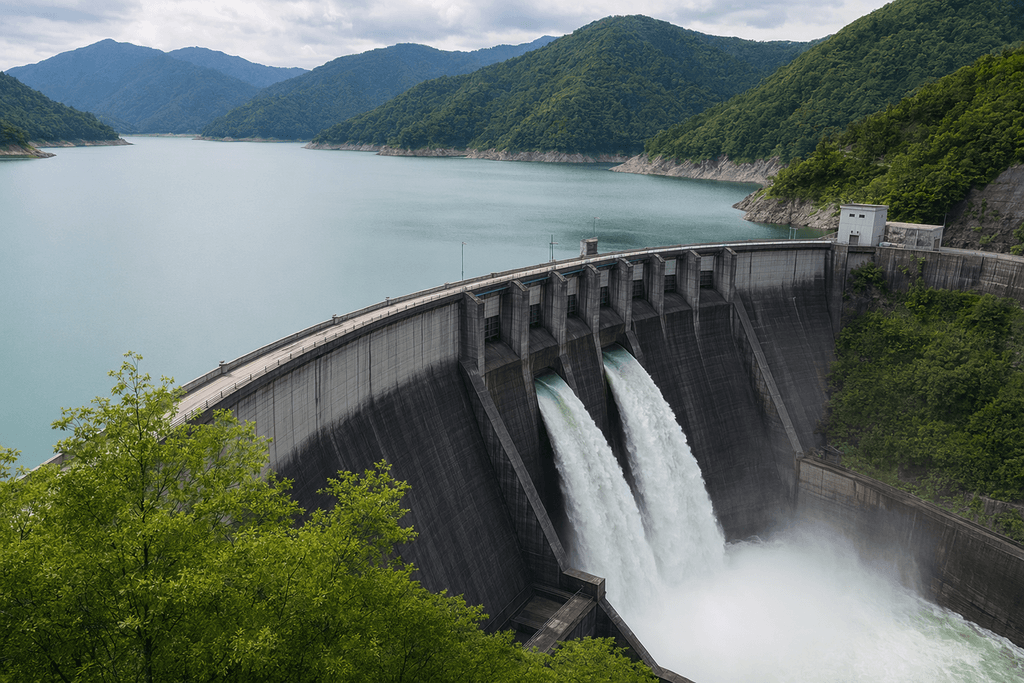
ダム
bendungan
ダム
bendungan
Explanation
bendungan
ダム
bendungan / waduk
( romanization )
Loading...

JLPT N2 多言語単語帳・1790語 / JLPT N2 Multilingual Vocabulary: 1790 Words

Jonathan Waller 氏の JLPT Resources の語彙リスト・レベル分類を出典とし、CC BY の条件に従って DiQt が学習者向けに意味を作り直した1790語の単語帳です。JLPT公式の語彙リストではありません。
This collection of 1790 words is based on the vocabulary list and level classifications in Jonathan Waller’s JLPT Resources under CC BY, with meanings rewritten by DiQt for learners. It is not an official JLPT vocabulary list.
Key Operations
Select the first quiz:
Ctrl + Enter
View Explanation:Ctrl + G
Close a feedback:Esc
When selecting a quiz
Answer:Enter
Select a choice:↓ or ↑
Reading out the question:Ctrl + K
View Hint: Ctrl + M
I don't know: Ctrl + Y



