
JLPT N2: Latihan arti kata - Unsolved

Pelajari arti 1790 kata JLPT N2 dalam bahasa Indonesia melalui soal dengan empat pilihan jawaban.
-
termasuk dalam
-
mengapungkan / memperlihatkan raut
-
berkembang biak
- 謙譲語として「思う」「知る」などの意味で用いられます。
- 古風・文章語的な別見出しとして「存ずる」もありますが、本項では「存じる」の上一段活用として扱います。
-
semoga lekas sembuh
-
selamat datang kembali
-
jadi teringat
-
kegembiraan / ucapan selamat
-
jari manis
-
kenaikan dan penurunan
-
melihat
-
sabun
-
kinerja / kemampuan alat
-
mengajak bicara
-
menata / menyeragamkan
-
meramal nasib
-
segi empat
-
garis besar / ceroboh
-
modis
-
terpisah
-
modis
-
pasif / tidak antusias
-
asam
-
mengagumkan / berkedudukan tinggi
-
terjal / garang
-
tumbuh lebat
-
memeras
-
mengeringkan
-
pendapatan penjualan
-
lalu lintas pejalan kaki
-
ruang tunggu
存じる
tahu / berpikir
存じる
tahu / berpikir
Explanation
存じる
tahu / berpikir
存じる
mengetahui (bentuk sopan merendah) / menyadari (bentuk sopan merendah) / berpikir (bentuk sopan merendah)

Word Forms
The basic and commonly used forms of this verb.
Basic forms
| Form | Word form | Usage |
|---|---|---|
| Imperfective form (mizenkei) | Connects to endings such as nai, reru, and seru. | |
| Continuative form (renyokei) | Connects to endings such as masu, tai, and ta. | |
| Conclusive form (shushikei) | Ends a sentence and serves as the dictionary form. | |
| Attributive form (rentaikei) | Modifies a noun. | |
| Conditional form (kateikei) | Combines with ba to express a condition. | |
| Imperative form (meireikei) |
Alternative:
存じよ
|
Expresses a command or instruction. |
Common forms
| Form | Word form | Usage |
|---|---|---|
| Te-form | Connects clauses with te. | |
| Ta-form | Expresses the past with ta. | |
| Nai-form | Expresses negation with nai. | |
| Masu-form | Used for polite speech. | |
| Ba-form | Expresses a condition with ba. | |
| Volitional form | Expresses intention or invitation. |
Notes
万歳
hore
万歳
hore
Explanation
万歳
hore
万歳
Hore! / Hidup!
Saat dia mendengar bahwa dia telah lulus ujian, dia tidak bisa menahan diri untuk tidak berteriak, "Hore!" dan teman-teman di sekitarnya bertepuk tangan.

( Base form )
( romanization )
( hiragana )
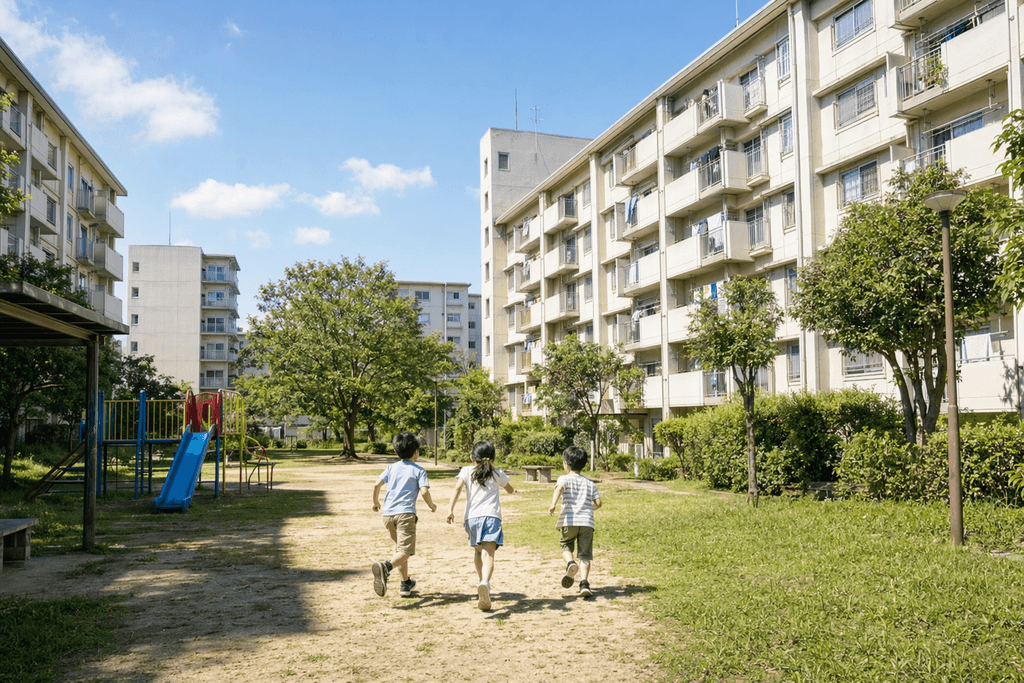
団地
kompleks perumahan
団地
kompleks perumahan
Explanation
団地
kompleks perumahan
団地
kompleks apartemen / kompleks rumah susun / kawasan hunian bertingkat
( Base form )
( romanization )
( hiragana )
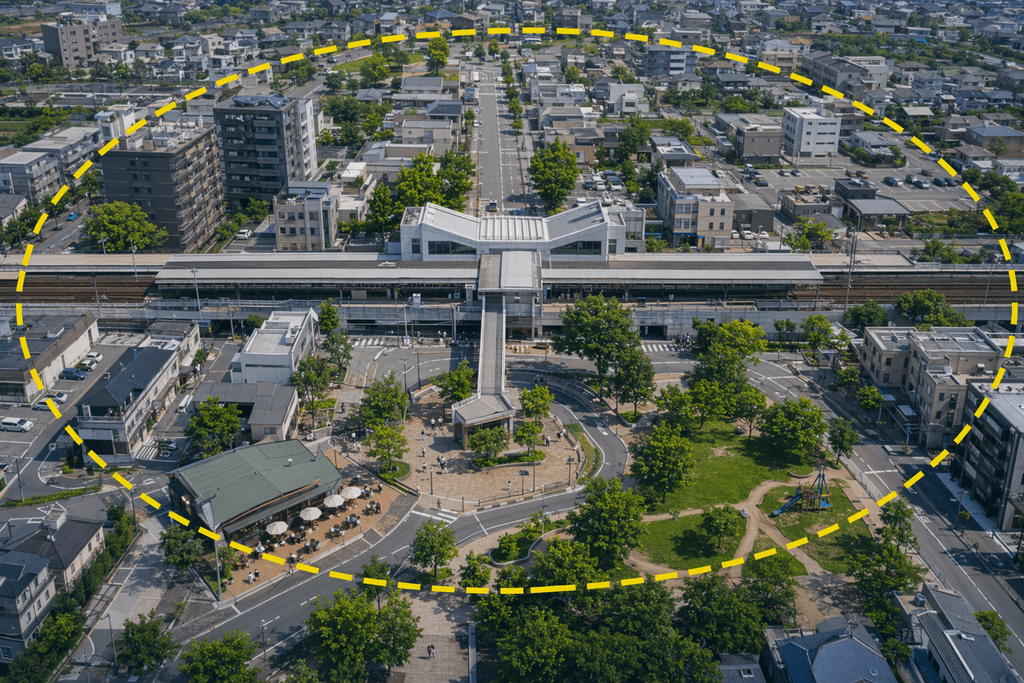
周辺
daerah sekitar
周辺
daerah sekitar
Explanation
周辺
daerah sekitar
周辺
daerah sekitar/sekeliling / periferal (komputer) / keliling (matematika)
( Base form )
( romanization )
( kyūjitai )
( hiragana )
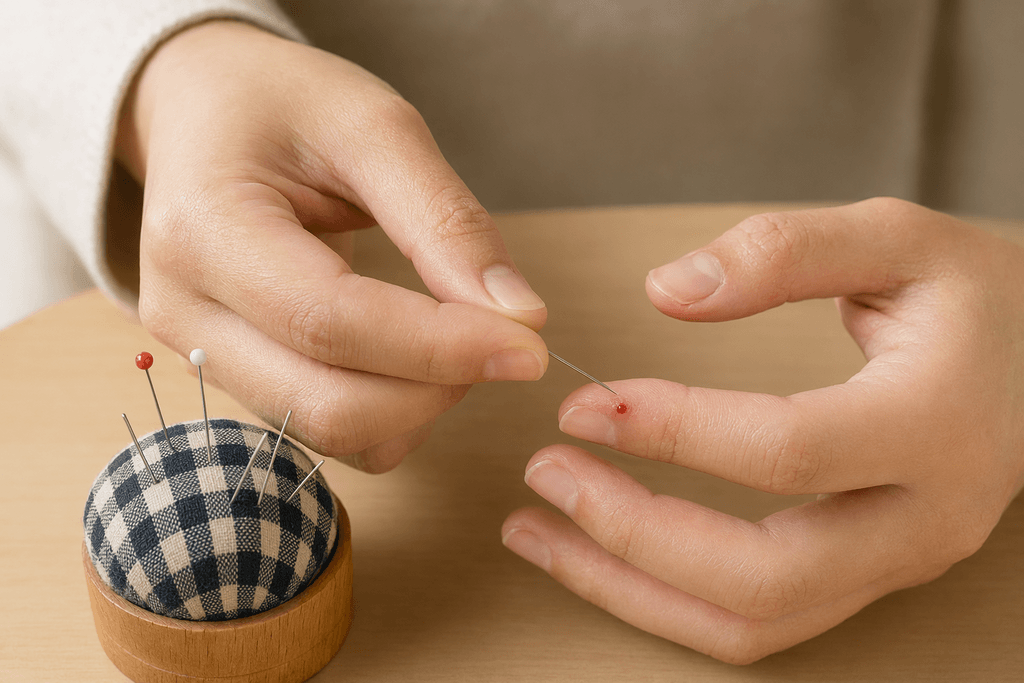
刺す
menusuk / menyengat
刺す
menusuk / menyengat
Explanation
刺す
menusuk / menyengat
刺す
menusuk; menikam / (serangga) menyengat/menggigit / (bisbol) menyentuh pelari untuk membuat out
Word Forms
The basic and commonly used forms of this verb.
Basic forms
| Form | Word form | Usage |
|---|---|---|
| Imperfective form (mizenkei) |
Alternative:
刺そ
|
Connects to endings such as nai, reru, and seru. |
| Continuative form (renyokei) | Connects to endings such as masu, tai, and ta. | |
| Conclusive form (shushikei) | Ends a sentence and serves as the dictionary form. | |
| Attributive form (rentaikei) | Modifies a noun. | |
| Conditional form (kateikei) | Combines with ba to express a condition. | |
| Imperative form (meireikei) | Expresses a command or instruction. |
Common forms
地味
sederhana / tidak mencolok
地味
sederhana / tidak mencolok
Explanation
地味
sederhana / tidak mencolok
地味
sederhana / polos / tidak mencolok

Word Forms
The basic and commonly used forms of this adjectival noun.
Basic forms
| Form | Word form | Usage |
|---|---|---|
| Imperfective form (mizenkei) | Used in forms such as darou. | |
| Continuative form (renyokei) |
Alternative:
地味に
|
Used with de or ni. |
| Conclusive form (shushikei) | Ends a sentence with da. | |
| Attributive form (rentaikei) |
Alternative:
地味の
|
Modifies a noun with na. |
| Conditional form (kateikei) | Expresses a condition with nara. | |
| Imperative form (meireikei) | Used in formal expressions such as de are. |
Common forms
平凡
biasa saja
平凡
biasa saja
Explanation
平凡
biasa saja
平凡
biasa / lumrah / biasa-biasa saja

Word Forms
The basic and commonly used forms of this adjectival noun.
Basic forms
| Form | Word form | Usage |
|---|---|---|
| Imperfective form (mizenkei) | Used in forms such as darou. | |
| Continuative form (renyokei) |
Alternative:
平凡に
|
Used with de or ni. |
| Conclusive form (shushikei) | Ends a sentence with da. | |
| Attributive form (rentaikei) | Modifies a noun with na. | |
| Conditional form (kateikei) | Expresses a condition with nara. | |
| Imperative form (meireikei) | Used in formal expressions such as de are. |
Common forms
塩辛い
asin
塩辛い
asin
Explanation
塩辛い
asin
塩辛い
asin / asin kuat / terlalu asin

Word Forms
The basic and commonly used forms of this adjective.
Basic forms
| Form | Word form | Usage |
|---|---|---|
| Imperfective form (mizenkei) | Used in forms such as karou; mainly literary. | |
| Continuative form (renyokei) |
Alternative:
塩辛かっ
|
Used in forms such as kute and kunai. |
| Conclusive form (shushikei) | Ends a sentence. | |
| Attributive form (rentaikei) | Modifies a noun. | |
| Conditional form (kateikei) | Expresses a condition with kereba. | |
| Imperative form (meireikei) | Rarely used in modern Japanese. |
Common forms
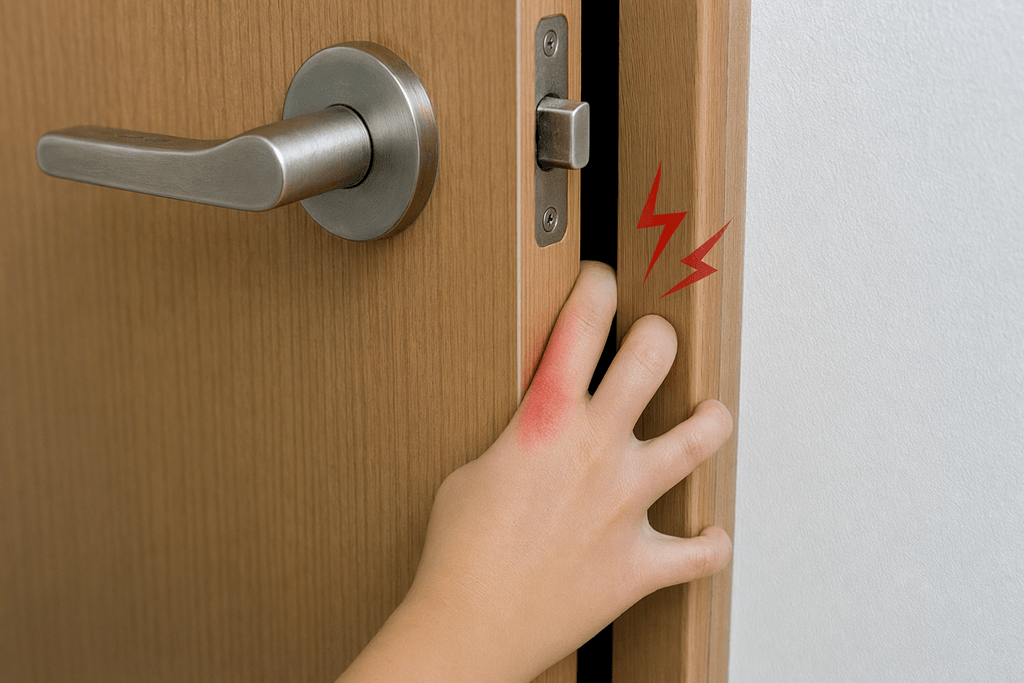
挟まる
terjepit di antara
挟まる
terjepit di antara
Explanation
挟まる
terjepit di antara
挟まる
terjepit di antara sesuatu / berada di antara dua pihak yang bertentangan
Word Forms
The basic and commonly used forms of this verb.
Basic forms
| Form | Word form | Usage |
|---|---|---|
| Imperfective form (mizenkei) |
Alternative:
はさまら
|
Connects to endings such as nai, reru, and seru. |
| Continuative form (renyokei) |
Alternative:
はさまり
|
Connects to endings such as masu, tai, and ta. |
| Conclusive form (shushikei) |
Alternative:
はさまる
|
Ends a sentence and serves as the dictionary form. |
| Attributive form (rentaikei) |
Alternative:
はさまる
|
Modifies a noun. |
| Conditional form (kateikei) |
Alternative:
はさまれ
|
Combines with ba to express a condition. |
| Imperative form (meireikei) |
Alternative:
はさまれ
|
Expresses a command or instruction. |
Common forms
| Form | Word form | Usage |
|---|---|---|
| Te-form |
Alternative:
はさまって
|
Connects clauses with te. |
| Ta-form |
Alternative:
はさまった
|
Expresses the past with ta. |
| Nai-form |
Alternative:
はさまらない
|
Expresses negation with nai. |
| Masu-form |
Alternative:
はさまります
|
Used for polite speech. |
| Ba-form |
Alternative:
はさまれば
|
Expresses a condition with ba. |
| Volitional form |
Alternative:
はさまろう
|
Expresses intention or invitation. |
定休日
hari tutup tetap
定休日
hari tutup tetap
Explanation
定休日
hari tutup tetap
定休日
hari libur tetap (usaha/toko) / hari tutup rutin (misalnya tiap Senin) / hari libur mingguan

( Base form )
( romanization )
( hiragana )
Loading...

JLPT N2 多言語単語帳・1790語 / JLPT N2 Multilingual Vocabulary: 1790 Words

Jonathan Waller 氏の JLPT Resources の語彙リスト・レベル分類を出典とし、CC BY の条件に従って DiQt が学習者向けに意味を作り直した1790語の単語帳です。JLPT公式の語彙リストではありません。
This collection of 1790 words is based on the vocabulary list and level classifications in Jonathan Waller’s JLPT Resources under CC BY, with meanings rewritten by DiQt for learners. It is not an official JLPT vocabulary list.
Key Operations
Select the first quiz:
Ctrl + Enter
View Explanation:Ctrl + G
Close a feedback:Esc
When selecting a quiz
Answer:Enter
Select a choice:↓ or ↑
Reading out the question:Ctrl + K
View Hint: Ctrl + M
I don't know: Ctrl + Y



