
JLPT N2: Latihan arti kata - Unsolved

Pelajari arti 1790 kata JLPT N2 dalam bahasa Indonesia melalui soal dengan empat pilihan jawaban.
-
perjamuan
-
pengangkutan
-
contoh barang
-
salah paham
-
bumbu
-
bagian luar
-
bantal duduk lantai
-
pertanyaan
-
polisi patroli
-
buah
-
naskah
-
mapel Jepang
-
tak terhitung
-
gratis / tanpa batasan
-
terlalu sederhana / gegabah
-
jalan memutar
-
berat bersih / jumlah sebenarnya
-
menyegarkan
-
rumah kaca
-
perpisahan
-
naskah
-
bujur
-
kain rombeng / cacat tersembunyi
-
hasil menang kalah
-
menguntungkan
-
menyebarkan
-
menjadi transparan
-
mengipasi
-
menanak nasi
-
menarik diri / melesak
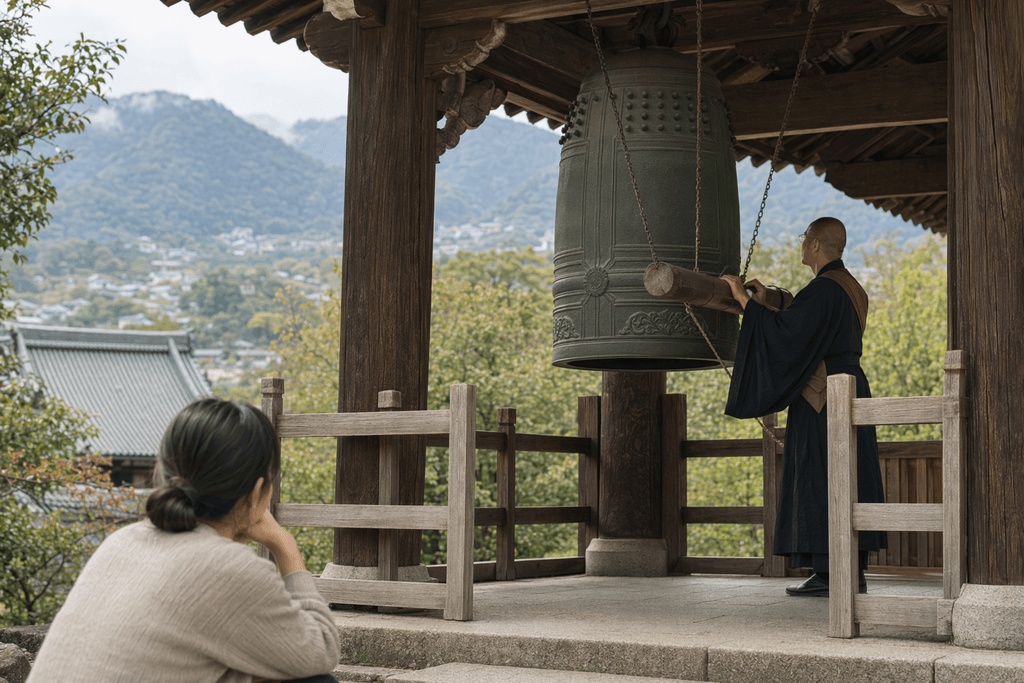
鐘
lonceng
鐘
lonceng
Explanation
鐘
lonceng
鐘
lonceng / genta
( romanization )
( hiragana )
引力
gaya tarik gravitasi
引力
gaya tarik gravitasi
Explanation
引力
gaya tarik gravitasi
引力
gaya tarik gravitasi / magnetisme / daya tarik (metaforis)

( Base form )
( romanization )
( hiragana )
真空
vakum
真空
vakum
Explanation
真空
vakum
真空
ruang hampa / kondisi tanpa udara / vakum

( Base form )
( romanization )
( adnominal )
( adverbial )
( hiragana )
( table-tags )
( inflection-template )
( imperfective stem )
( imperfective stem )
( imperfective )
( continuative stem )
( continuative stem )
( continuative )
( stem terminative )
( stem terminative )
( terminative )
( attributive stem )
( attributive stem )
( attributive )
( hypothetical stem )
( hypothetical stem )
( hypothetical )
( Imperative stem )
( Imperative stem )
( Imperative )
( informal negative )
( informal negative )
( informal negative )
( informal negative )
( informal negative )
( informal negative )
( informal Past )
( informal Past )
( informal Past )
( informal negative Past )
( informal negative Past )
( informal negative Past )
( informal negative Past )
( informal negative Past )
( informal negative Past )
( formal )
( formal )
( formal )
( formal negative )
( formal negative )
( formal negative )
( formal negative )
( formal negative )
( formal negative )
( formal Past )
( formal Past )
( formal Past )
( formal negative Past )
( formal negative Past )
( formal negative Past )
( formal negative Past )
( formal negative Past )
( formal negative Past )
( conjunctive )
( conjunctive )
( conjunctive )
( Conditional )
( Conditional )
( Conditional )
( Conditional Past )
( Conditional Past )
( Conditional Past )
( volitional )
( volitional )
( volitional )
( adverbial )
( adverbial )
( adverbial )
( noun-from-adj )
( noun-from-adj )
( noun-from-adj )
下線
garis bawah
下線
garis bawah
Explanation
下線
garis bawah
下線
garis bawah / penggarisbawahan / tanda garis bawah

( Base form )
( romanization )
( hiragana )
派手
mencolok
派手
mencolok
Explanation
派手
mencolok
派手
mencolok / norak / berlebihan

Word Forms
The basic and commonly used forms of this adjectival noun.
Basic forms
| Form | Word form | Usage |
|---|---|---|
| Imperfective form (mizenkei) | Used in forms such as darou. | |
| Continuative form (renyokei) |
Alternative:
派手に
|
Used with de or ni. |
| Conclusive form (shushikei) | Ends a sentence with da. | |
| Attributive form (rentaikei) | Modifies a noun with na. | |
| Conditional form (kateikei) | Expresses a condition with nara. | |
| Imperative form (meireikei) | Used in formal expressions such as de are. |
Common forms
スクール
sekolah
スクール
sekolah
Explanation
sekolah
スクール
sekolah / aliran / mazhab

( romanization )
胡椒
merica
胡椒
merica
Explanation
胡椒
merica
胡椒
merica / lada / lada bubuk

( Base form )
( romanization )
( romanization )
( hiragana historical )
( hiragana )
効力
khasiat / keabsahan
効力
khasiat / keabsahan
Explanation
効力
khasiat / keabsahan
効力
efek / efektivitas / daya guna

( Base form )
( romanization )
( kyūjitai )
( hiragana )
繋げる
menghubungkan
繋げる
menghubungkan
Explanation
繋げる
menghubungkan
繋げる
mengikat / menyambungkan / menautkan

Word Forms
The basic and commonly used forms of this verb.
Basic forms
| Form | Word form | Usage |
|---|---|---|
| Imperfective form (mizenkei) | Connects to endings such as nai, reru, and seru. | |
| Continuative form (renyokei) | Connects to endings such as masu, tai, and ta. | |
| Conclusive form (shushikei) | Ends a sentence and serves as the dictionary form. | |
| Attributive form (rentaikei) | Modifies a noun. | |
| Conditional form (kateikei) | Combines with ba to express a condition. | |
| Imperative form (meireikei) |
Alternative:
繋げよ
|
Expresses a command or instruction. |
Common forms
見直す
meninjau ulang / lebih menghargai
見直す
meninjau ulang / lebih menghargai
Explanation
見直す
meninjau ulang / lebih menghargai
見直す
melihat kembali / mengkaji ulang / menilai lebih tinggi

Word Forms
The basic and commonly used forms of this verb.
Basic forms
| Form | Word form | Usage |
|---|---|---|
| Imperfective form (mizenkei) |
Alternative:
見直そ
|
Connects to endings such as nai, reru, and seru. |
| Continuative form (renyokei) | Connects to endings such as masu, tai, and ta. | |
| Conclusive form (shushikei) | Ends a sentence and serves as the dictionary form. | |
| Attributive form (rentaikei) | Modifies a noun. | |
| Conditional form (kateikei) | Combines with ba to express a condition. | |
| Imperative form (meireikei) | Expresses a command or instruction. |
Common forms
Loading...

JLPT N2 多言語単語帳・1790語 / JLPT N2 Multilingual Vocabulary: 1790 Words

Jonathan Waller 氏の JLPT Resources の語彙リスト・レベル分類を出典とし、CC BY の条件に従って DiQt が学習者向けに意味を作り直した1790語の単語帳です。JLPT公式の語彙リストではありません。
This collection of 1790 words is based on the vocabulary list and level classifications in Jonathan Waller’s JLPT Resources under CC BY, with meanings rewritten by DiQt for learners. It is not an official JLPT vocabulary list.
Key Operations
Select the first quiz:
Ctrl + Enter
View Explanation:Ctrl + G
Close a feedback:Esc
When selecting a quiz
Answer:Enter
Select a choice:↓ or ↑
Reading out the question:Ctrl + K
View Hint: Ctrl + M
I don't know: Ctrl + Y



