
JLPT N2: Latihan arti kata - Unsolved

Pelajari arti 1790 kata JLPT N2 dalam bahasa Indonesia melalui soal dengan empat pilihan jawaban.
-
berturut-turut
-
bagaimanapun juga
-
semakin
-
miring
-
omong kosong / acak
-
sangat besar
-
abstraksi
-
bepergian keluar
-
pergelangan tangan
-
bahan referensi / data
-
jenis kelamin / gender
-
wajan
-
miring / condong ke
-
melelehkan / melarutkan
-
merobohkan / menukar uang kecil
- 「感ずる」は現代語では「感じる」と並行して用いられる、〜ずる型のサ変系動詞。
- 未然形「感ぜ」は「感ぜず」「感ぜられる」などで用いられるやや硬い形。
-
pengiriman kilat
-
penyakit dalam
-
lintang
-
juru masak / katup
-
gugusan pulau memanjang
-
hari tutup tetap
-
selamat pagi
-
hati-hati di jalan
-
dadah
-
tertentu / identifikasi
-
disinfeksi
-
air tanah
-
sembarangan / berlebihan
-
empuk ringan / melayang ringan
-
seperti dugaan / tetap saja
うんと
banyak sekali
うんと
banyak sekali
Explanation
banyak sekali
うんと
sangat banyak / banyak sekali / sangat

( romanization )
生意気
lancang
生意気
lancang
Explanation
生意気
lancang
生意気
lancang / kurang ajar / sok pintar

Word Forms
The basic and commonly used forms of this adjectival noun.
Basic forms
| Form | Word form | Usage |
|---|---|---|
| Imperfective form (mizenkei) | Used in forms such as darou. | |
| Continuative form (renyokei) |
Alternative:
生意気に
|
Used with de or ni. |
| Conclusive form (shushikei) | Ends a sentence with da. | |
| Attributive form (rentaikei) | Modifies a noun with na. | |
| Conditional form (kateikei) | Expresses a condition with nara. | |
| Imperative form (meireikei) | Used in formal expressions such as de are. |
Common forms
寝巻き
pakaian tidur
寝巻き
pakaian tidur
Explanation
寝巻き
pakaian tidur
寝巻き
pakaian tidur / gaun tidur / piyama

( Base form )
( romanization )
休息
istirahat
休息
istirahat
Explanation
休息
istirahat
休息
istirahat / rehat / waktu jeda

( Base form )
( romanization )
( romanization )
( stem )
( Past )
( hiragana historical )
( table-tags )
( inflection-template )
( imperfective stem )
( imperfective stem )
( imperfective )
( continuative stem )
( continuative stem )
( continuative )
( stem terminative )
( stem terminative )
( terminative )
( attributive stem )
( attributive stem )
( attributive )
( hypothetical stem )
( hypothetical stem )
( hypothetical )
( Imperative literary stem )
( colloquial Imperative stem )
( Imperative literary stem )
( colloquial Imperative stem )
( Imperative literary )
( colloquial Imperative )
( Passive voice )
( Passive voice )
( Passive voice )
( causative )
( causative )
( causative )
( causative )
( causative )
( causative )
( potential )
( potential )
( potential )
( volitional )
( volitional )
( volitional )
( negative )
( negative )
( negative )
( continuative negative )
( continuative negative )
( continuative negative )
( formal )
( formal )
( formal )
( perfective )
( perfective )
( perfective )
( conjunctive )
( conjunctive )
( conjunctive )
( Conditional hypothetical )
( Conditional hypothetical )
( Conditional hypothetical )
感ずる
merasakan
感ずる
merasakan
Explanation
感ずる
merasakan
感ずる
merasa / menyadari / mengindera

Word Forms
The basic and commonly used forms of this verb.
Basic forms
| Form | Word form | Usage |
|---|---|---|
| Imperfective form (mizenkei) |
Alternative:
感ぜ
|
Connects to endings such as nai, reru, and seru. |
| Continuative form (renyokei) | Connects to endings such as masu, tai, and ta. | |
| Conclusive form (shushikei) | Ends a sentence and serves as the dictionary form. | |
| Attributive form (rentaikei) | Modifies a noun. | |
| Conditional form (kateikei) | Combines with ba to express a condition. | |
| Imperative form (meireikei) |
Alternative:
感じよ
感ぜよ
|
Expresses a command or instruction. |
Common forms
| Form | Word form | Usage |
|---|---|---|
| Te-form | Connects clauses with te. | |
| Ta-form | Expresses the past with ta. | |
| Nai-form |
Alternative:
感ぜない
|
Expresses negation with nai. |
| Masu-form | Used for polite speech. | |
| Ba-form | Expresses a condition with ba. | |
| Volitional form | Expresses intention or invitation. |
Notes
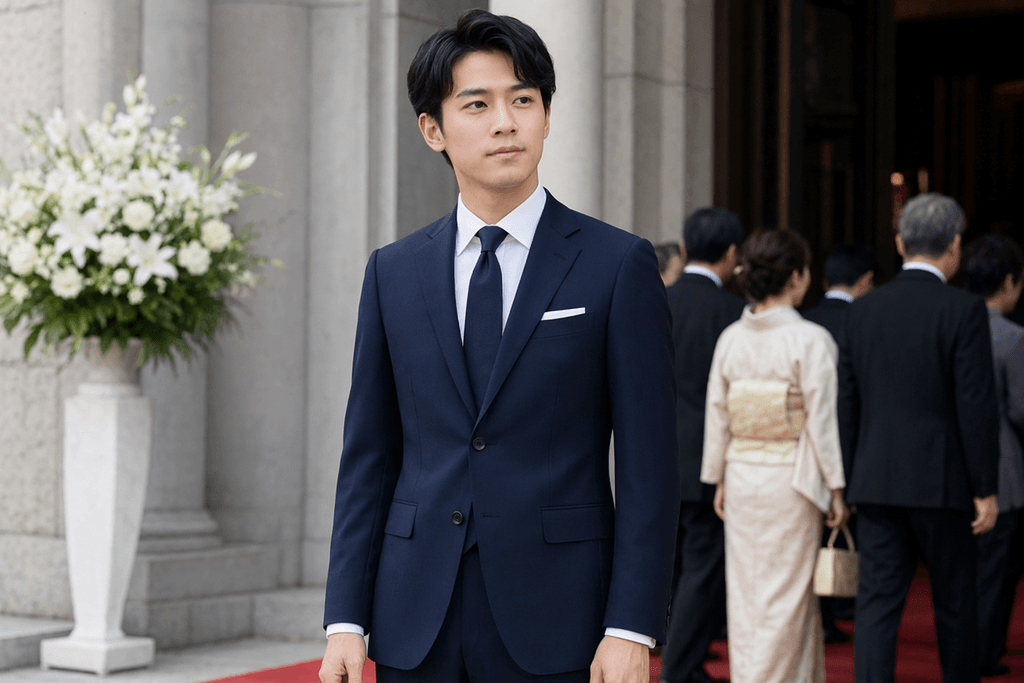
紺
biru tua
紺
biru tua
Explanation
紺
biru tua
紺
biru tua / biru dongker / warna biru gelap
( romanization )
( hiragana )
上下
naik turun / bagian atas dan bawah
上下
naik turun / bagian atas dan bawah
Explanation
上下
naik turun / bagian atas dan bawah
上下
atas-bawah / tingkat tinggi dan rendah / majelis tinggi dan rendah (parlemen)

( Base form )
( romanization )
( romanization )
( hiragana historical )
( hiragana )
お帰り
selamat datang kembali
お帰り
selamat datang kembali
Explanation
お帰り
selamat datang kembali
お帰り
selamat datang kembali / selamat datang di rumah

( Base form )
( romanization )
( romanization )
( hiragana historical )
頭脳
otak / intelek
頭脳
otak / intelek
Explanation
頭脳
otak / intelek
頭脳
kecerdasan / daya pikir / otak (kiasan)

( Base form )
( romanization )
( kyūjitai )
( hiragana )
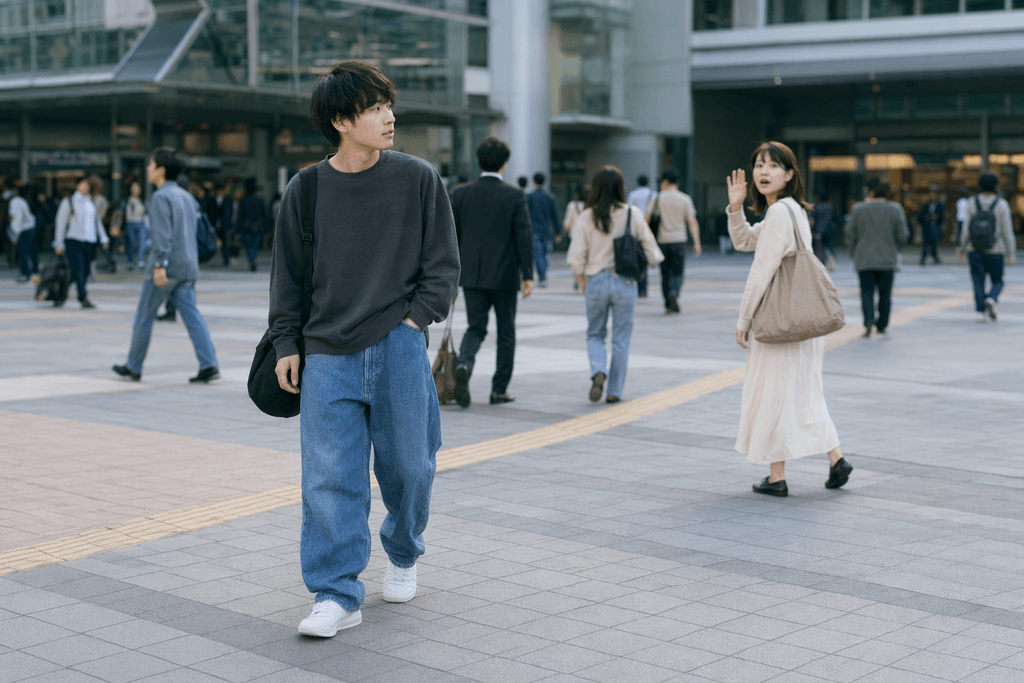
うろうろ
tanpa tujuan
うろうろ
tanpa tujuan
Explanation
tanpa tujuan
うろうろ
mondar-mandir tanpa tujuan / berkeliaran tanpa arah / berputar-putar kebingungan
( Base form )
( Base form )
( romanization )
Loading...

JLPT N2 多言語単語帳・1790語 / JLPT N2 Multilingual Vocabulary: 1790 Words

Jonathan Waller 氏の JLPT Resources の語彙リスト・レベル分類を出典とし、CC BY の条件に従って DiQt が学習者向けに意味を作り直した1790語の単語帳です。JLPT公式の語彙リストではありません。
This collection of 1790 words is based on the vocabulary list and level classifications in Jonathan Waller’s JLPT Resources under CC BY, with meanings rewritten by DiQt for learners. It is not an official JLPT vocabulary list.
Key Operations
Select the first quiz:
Ctrl + Enter
View Explanation:Ctrl + G
Close a feedback:Esc
When selecting a quiz
Answer:Enter
Select a choice:↓ or ↑
Reading out the question:Ctrl + K
View Hint: Ctrl + M
I don't know: Ctrl + Y



