
JLPT N5: Kahulugan ng mga salita - Unsolved

Alamin ang kahulugan ng 665 salita sa JLPT N5 sa Filipino sa pamamagitan ng mga tanong na may apat na pagpipilian.
-
babae
-
lahat
-
kilogramo
-
tangkad
-
pelikula sa kamera
-
bangko
-
maluwag / malapad
-
masarap
-
dilaw
-
hindi masarap
-
matamis
-
maingay / nakakainis
-
toyo
-
tainga
-
elevator
-
gitara
-
mesa
-
aralin
-
department store
-
gramo
-
dalawampung araw / ika-20 ng buwan
-
gusto
-
mahalaga
-
hindi kaaya-aya
- 表記は漢字表記「色々」と仮名表記「いろいろ」がともに用いられる。
- 形容動詞(ナ形容詞)としては「色々な」「色々だ」の形で用いる。
-
Martes
-
nakababatang kapatid na babae
-
pito
-
pumunta
-
magsanay
-
sumara
- 五段活用(ワア行)。未然形は「ない」に接続する「買わ」と、意志・推量の「う」に接続する「買お」がある。
一か月
isang buwan
一か月
isang buwan
Explanation
一か月
isang buwan
一か月
isang buwan / panahon na humigit-kumulang 30 araw

( Base form )
( romanization )
( hiragana )
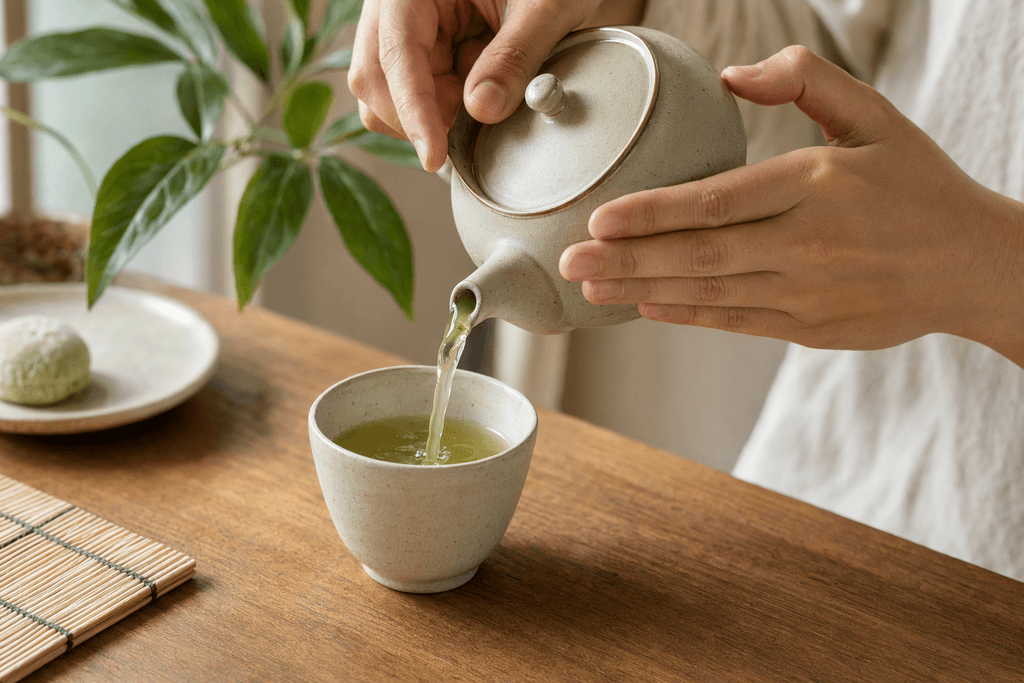
お茶
tsaa
お茶
tsaa
Explanation
お茶
tsaa
お茶
tsaa / berdeng tsaa (karaniwan sa Hapon)
( romanization )
( hiragana )
易しい
madali
易しい
madali
Explanation
易しい
madali
易しい
madali / payak / hindi kumplikado

Word Forms
The basic and commonly used forms of this adjective.
Basic forms
| Form | Word form | Usage |
|---|---|---|
| Imperfective form (mizenkei) | Used in forms such as karou; mainly literary. | |
| Continuative form (renyokei) |
Alternative:
易しかっ
|
Used in forms such as kute and kunai. |
| Conclusive form (shushikei) | Ends a sentence. | |
| Attributive form (rentaikei) | Modifies a noun. | |
| Conditional form (kateikei) | Expresses a condition with kereba. | |
| Imperative form (meireikei) | Rarely used in modern Japanese. |
Common forms
新しい
bago
新しい
bago
Explanation
新しい
bago
新しい
bago / makabago

Word Forms
The basic and commonly used forms of this adjective.
Basic forms
| Form | Word form | Usage |
|---|---|---|
| Imperfective form (mizenkei) | Used in forms such as karou; mainly literary. | |
| Continuative form (renyokei) |
Alternative:
新しかっ
|
Used in forms such as kute and kunai. |
| Conclusive form (shushikei) | Ends a sentence. | |
| Attributive form (rentaikei) | Modifies a noun. | |
| Conditional form (kateikei) | Expresses a condition with kereba. | |
| Imperative form (meireikei) | Rarely used in modern Japanese. |
Common forms
財布
pitaka
財布
pitaka
Explanation
財布
pitaka
財布
pitaka / lalagyan ng pera at mga kard / supot ng salapi

( Base form )
( romanization )
( hiragana )
大人
adulto
大人
adulto
Explanation
大人
adulto
大人
nasa hustong gulang / nakatatanda o pinuno ng grupo/komunidad / kinatawan ng nayon o samahan (makasaysayan)

( romanization )
( hiragana )
年
taon
年
taon
Explanation
年
taon
年
taon / edad

( romanization )
( hiragana )
色々
iba't iba
色々
iba't iba
Explanation
色々
iba't iba
色々
sari-sari / iba-iba / iba’t ibang uri

Word Forms
The basic and commonly used forms of this adjectival noun.
Basic forms
| Form | Word form | Usage |
|---|---|---|
| Imperfective form (mizenkei) |
Alternative:
いろいろだろ
|
Used in forms such as darou. |
| Continuative form (renyokei) |
Alternative:
いろいろで
色々に
いろいろに
|
Used with de or ni. |
| Conclusive form (shushikei) |
Alternative:
いろいろだ
|
Ends a sentence with da. |
| Attributive form (rentaikei) |
Alternative:
いろいろな
色々の
いろいろの
|
Modifies a noun with na. |
| Conditional form (kateikei) |
Alternative:
いろいろなら
|
Expresses a condition with nara. |
| Imperative form (meireikei) |
Alternative:
いろいろであれ
|
Used in formal expressions such as de are. |
Common forms
| Form | Word form | Usage |
|---|---|---|
| Te-form equivalent |
Alternative:
いろいろで
|
Connects clauses using de. |
| Ta-form |
Alternative:
いろいろだった
|
Expresses the past with datta. |
| Nai-form |
Alternative:
いろいろではない
色々じゃない
いろいろじゃない
|
Expresses negation with dewa nai or ja nai. |
| Desu-form |
Alternative:
いろいろです
|
Used for polite speech. |
Notes
留学生
estudyanteng mula sa ibang bansa
留学生
estudyanteng mula sa ibang bansa
Explanation
留学生
estudyanteng mula sa ibang bansa
留学生
dayuhang mag-aaral / mag-aaral sa ibang bansa / palitang mag-aaral

( Base form )
( romanization )
( kyūjitai )
( hiragana )
買う
bumili
買う
bumili
Explanation
買う
bumili
買う
bumili / magbayad upang makuha ang isang bagay

Word Forms
The basic and commonly used forms of this verb.
Basic forms
| Form | Word form | Usage |
|---|---|---|
| Imperfective form (mizenkei) |
Alternative:
買お
|
Connects to endings such as nai, reru, and seru. |
| Continuative form (renyokei) | Connects to endings such as masu, tai, and ta. | |
| Conclusive form (shushikei) | Ends a sentence and serves as the dictionary form. | |
| Attributive form (rentaikei) | Modifies a noun. | |
| Conditional form (kateikei) | Combines with ba to express a condition. | |
| Imperative form (meireikei) | Expresses a command or instruction. |
Common forms
| Form | Word form | Usage |
|---|---|---|
| Te-form | Connects clauses with te. | |
| Ta-form | Expresses the past with ta. | |
| Nai-form | Expresses negation with nai. | |
| Masu-form | Used for polite speech. | |
| Ba-form | Expresses a condition with ba. | |
| Volitional form | Expresses intention or invitation. |
Notes
Loading...

JLPT N5 多言語単語帳・665語 / JLPT N5 Multilingual Vocabulary: 665 Words

Jonathan Waller 氏の JLPT Resources の語彙リスト・レベル分類を出典とし、CC BY の条件に従って DiQt が初級向けに意味を作り直した665語の単語帳です。JLPT公式の語彙リストではありません。
This collection of 665 words is based on the vocabulary list and level classifications in Jonathan Waller’s JLPT Resources under CC BY, with meanings rewritten by DiQt for beginners. It is not an official JLPT vocabulary list.
Key Operations
Select the first quiz:
Ctrl + Enter
View Explanation:Ctrl + G
Close a feedback:Esc
When selecting a quiz
Answer:Enter
Select a choice:↓ or ↑
Reading out the question:Ctrl + K
View Hint: Ctrl + M
I don't know: Ctrl + Y



