
JLPT N5: Kahulugan ng mga salita - Unsolved

Alamin ang kahulugan ng 665 salita sa JLPT N5 sa Filipino sa pamamagitan ng mga tanong na may apat na pagpipilian.
-
kunin
-
bumukas
-
mamatay
-
iba't iba
-
mahalaga
-
sikat
-
noong nakaraang taon
-
apat na araw / ika-4 ng buwan
-
Ingles
-
makita / manood
-
uminom
-
lumiwanag ang panahon
- サ行変格活用の複合動詞。
-
radyo
-
trabaho
-
hayop
-
unti-unti
-
kailan
-
bawat taon
-
kanluran
-
kuryente / ilaw
-
paglilinis
-
sa makalawa
-
kahon ng sulat
-
bulsa
-
paglalakad-lakad
-
diksyunaryo
-
Huwebes
-
siyam na araw / ika-9 ng buwan
-
kanto
-
pasukan
吹く
umihip
吹く
umihip
Explanation
吹く
umihip
吹く
humihip (hangin) / hipan / bumuga o sumirit (gas o likido)

Word Forms
The basic and commonly used forms of this verb.
Basic forms
| Form | Word form | Usage |
|---|---|---|
| Imperfective form (mizenkei) |
Alternative:
吹こ
|
Connects to endings such as nai, reru, and seru. |
| Continuative form (renyokei) | Connects to endings such as masu, tai, and ta. | |
| Conclusive form (shushikei) | Ends a sentence and serves as the dictionary form. | |
| Attributive form (rentaikei) | Modifies a noun. | |
| Conditional form (kateikei) | Combines with ba to express a condition. | |
| Imperative form (meireikei) | Expresses a command or instruction. |
Common forms
静か
tahimik
静か
tahimik
Explanation
静か
tahimik
静か
tahimik / walang ingay / payapa

Word Forms
The basic and commonly used forms of this adjectival noun.
Basic forms
| Form | Word form | Usage |
|---|---|---|
| Imperfective form (mizenkei) |
Alternative:
静かでしょ
|
Used in forms such as darou. |
| Continuative form (renyokei) |
Alternative:
静かに
|
Used with de or ni. |
| Conclusive form (shushikei) |
Alternative:
静かです
|
Ends a sentence with da. |
| Attributive form (rentaikei) |
Alternative:
静かなる
|
Modifies a noun with na. |
| Conditional form (kateikei) | Expresses a condition with nara. | |
| Imperative form (meireikei) | Used in formal expressions such as de are. |
Common forms
病院
ospital
病院
ospital
Explanation
病院
ospital
病院
ospital / pagamutan / bahay-gamutan

( Base form )
( romanization )
( romanization )
( hiragana historical )
( hiragana )
コピーする
kopyahin
コピーする
kopyahin
Explanation
kopyahin
コピーする
kumopya / sipiin / mag‑photocopy

Word Forms
The basic and commonly used forms of this verb.
Basic forms
| Form | Word form | Usage |
|---|---|---|
| Imperfective form (mizenkei) |
Alternative:
コピーせ
コピーさ
|
Connects to endings such as nai, reru, and seru. |
| Continuative form (renyokei) | Connects to endings such as masu, tai, and ta. | |
| Conclusive form (shushikei) | Ends a sentence and serves as the dictionary form. | |
| Attributive form (rentaikei) | Modifies a noun. | |
| Conditional form (kateikei) | Combines with ba to express a condition. | |
| Imperative form (meireikei) |
Alternative:
コピーせよ
|
Expresses a command or instruction. |
Common forms
| Form | Word form | Usage |
|---|---|---|
| Te-form | Connects clauses with te. | |
| Ta-form | Expresses the past with ta. | |
| Nai-form | Expresses negation with nai. | |
| Masu-form | Used for polite speech. | |
| Ba-form | Expresses a condition with ba. | |
| Volitional form | Expresses intention or invitation. |
Notes
せっけん
sabon
せっけん
sabon
Explanation
sabon
せっけん
sabon / malawakang pananakop / pakikipanayam

( romanization )
初めて
sa unang pagkakataon
初めて
sa unang pagkakataon
Explanation
初めて
sa unang pagkakataon
初めて
sa unang pagkakataon / sa kauna-unahang pagkakataon / unang beses

( Base form )
( romanization )
お巡りさん
pulis
お巡りさん
pulis
Explanation
お巡りさん
pulis
お巡りさん
pulis (di-pormal, magiliw na tawag) / pulis na lalaki / pulis na babae

( romanization )
テープ
teyp
テープ
teyp
Explanation
teyp
テープ
malagkit na teyp / teyp na pang-imbak ng datos

( romanization )
毎月
bawat buwan
毎月
bawat buwan
Explanation
毎月
bawat buwan
毎月
bawat buwan / kada buwan / tuwing buwan

( Base form )
( romanization )
( hiragana )
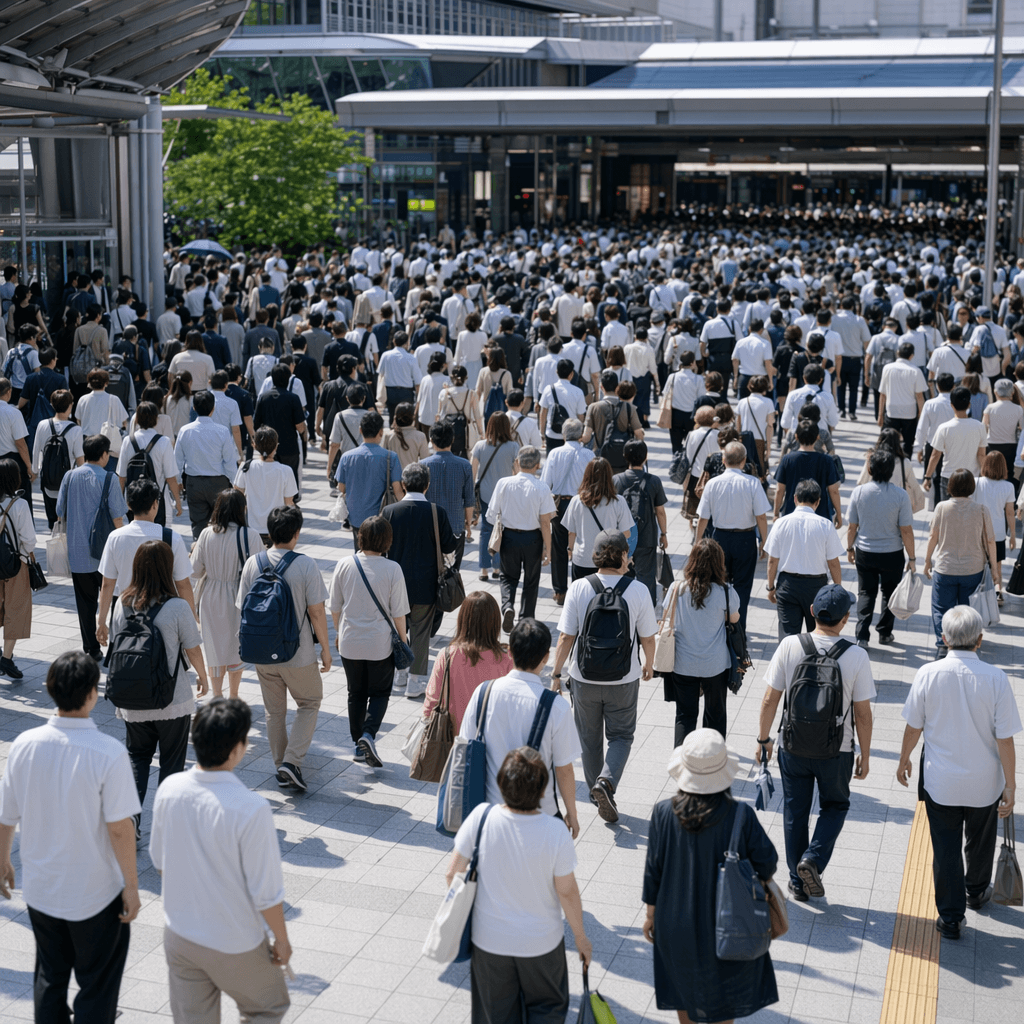
大勢
maraming tao
大勢
maraming tao
Explanation
大勢
maraming tao
大勢
maraming tao / dagsa ng tao / kumpol ng tao
( Base form )
( romanization )
( hiragana )
Loading...

JLPT N5 多言語単語帳・665語 / JLPT N5 Multilingual Vocabulary: 665 Words

Jonathan Waller 氏の JLPT Resources の語彙リスト・レベル分類を出典とし、CC BY の条件に従って DiQt が初級向けに意味を作り直した665語の単語帳です。JLPT公式の語彙リストではありません。
This collection of 665 words is based on the vocabulary list and level classifications in Jonathan Waller’s JLPT Resources under CC BY, with meanings rewritten by DiQt for beginners. It is not an official JLPT vocabulary list.
Key Operations
Select the first quiz:
Ctrl + Enter
View Explanation:Ctrl + G
Close a feedback:Esc
When selecting a quiz
Answer:Enter
Select a choice:↓ or ↑
Reading out the question:Ctrl + K
View Hint: Ctrl + M
I don't know: Ctrl + Y



