
JLPT N5: Kahulugan ng mga salita - Unsolved

Alamin ang kahulugan ng 665 salita sa JLPT N5 sa Filipino sa pamamagitan ng mga tanong na may apat na pagpipilian.
-
maliwanag
-
mabilis
-
mabuti
-
masigla
-
hindi mahusay
-
maginhawa
- 「大丈夫」はナ形容詞(形容動詞)として用いられます。
- 否定形は「大丈夫ではない」を標準形とし、口語形として「大丈夫じゃない」も用いられます。
-
tumayo
-
mamatay
-
lumabas
- 「登る」を基準にし、表記違いとして「上る」「昇る」を variants に含めた。
-
kurbata
-
iba pang bagay
-
ilong
-
ate
-
pasilyo
-
simula
-
ayaw
-
malusog / masigla
-
hindi mahusay
-
makapal
-
malamig-lamig
-
mapanganib
-
lahat
-
magkasama
-
tiya / babaeng nasa gitnang edad
-
dagat
-
ngayong gabi
-
paglalakad-lakad
-
larawan
-
lapis
-
pasilyo
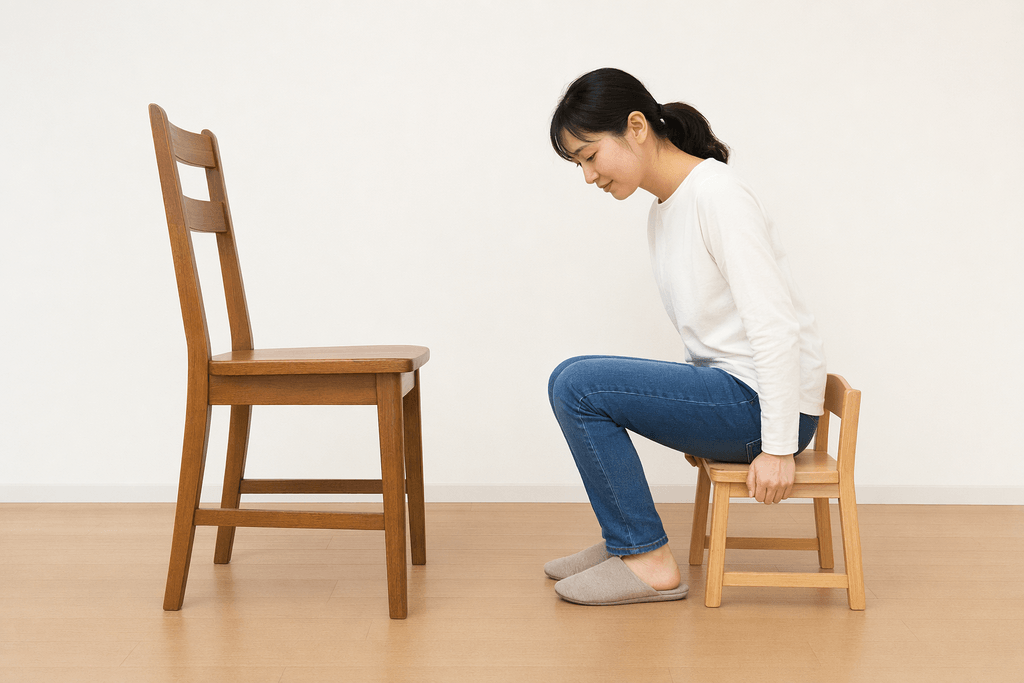
低い
mababa / pandak
低い
mababa / pandak
Explanation
低い
mababa / pandak
低い
mababa / maikli / mababang tangkad
Word Forms
The basic and commonly used forms of this adjective.
Basic forms
| Form | Word form | Usage |
|---|---|---|
| Imperfective form (mizenkei) | Used in forms such as karou; mainly literary. | |
| Continuative form (renyokei) |
Alternative:
低かっ
|
Used in forms such as kute and kunai. |
| Conclusive form (shushikei) | Ends a sentence. | |
| Attributive form (rentaikei) | Modifies a noun. | |
| Conditional form (kateikei) | Expresses a condition with kereba. | |
| Imperative form (meireikei) | Rarely used in modern Japanese. |
Common forms
大丈夫
ayos
大丈夫
ayos
Explanation
大丈夫
ayos
大丈夫
ayos lang / maayos ang lagay / buo, gumagana pa

Word Forms
The basic and commonly used forms of this adjectival noun.
Basic forms
| Form | Word form | Usage |
|---|---|---|
| Imperfective form (mizenkei) | Used in forms such as darou. | |
| Continuative form (renyokei) |
Alternative:
大丈夫に
大丈夫だっ
|
Used with de or ni. |
| Conclusive form (shushikei) | Ends a sentence with da. | |
| Attributive form (rentaikei) | Modifies a noun with na. | |
| Conditional form (kateikei) |
Alternative:
大丈夫であれば
|
Expresses a condition with nara. |
| Imperative form (meireikei) | Used in formal expressions such as de are. |
Common forms
| Form | Word form | Usage |
|---|---|---|
| Te-form equivalent | Connects clauses using de. | |
| Ta-form | Expresses the past with datta. | |
| Nai-form |
Alternative:
大丈夫じゃない
|
Expresses negation with dewa nai or ja nai. |
| Desu-form | Used for polite speech. |
Notes
登る
umakyat
登る
umakyat
Explanation
登る
umakyat
登る
umakyat; pumaitaas / tumaas; umangat sa ranggo o antas / umahon o pumanhik sa ilog o lambak

Word Forms
The basic and commonly used forms of this verb.
Basic forms
| Form | Word form | Usage |
|---|---|---|
| Imperfective form (mizenkei) |
Alternative:
上ら
昇ら
登ろ
上ろ
昇ろ
|
Connects to endings such as nai, reru, and seru. |
| Continuative form (renyokei) |
Alternative:
上り
昇り
|
Connects to endings such as masu, tai, and ta. |
| Conclusive form (shushikei) |
Alternative:
上る
昇る
|
Ends a sentence and serves as the dictionary form. |
| Attributive form (rentaikei) |
Alternative:
上る
昇る
|
Modifies a noun. |
| Conditional form (kateikei) |
Alternative:
上れ
昇れ
|
Combines with ba to express a condition. |
| Imperative form (meireikei) |
Alternative:
上れ
昇れ
|
Expresses a command or instruction. |
Common forms
| Form | Word form | Usage |
|---|---|---|
| Te-form |
Alternative:
上って
昇って
|
Connects clauses with te. |
| Ta-form |
Alternative:
上った
昇った
|
Expresses the past with ta. |
| Nai-form |
Alternative:
上らない
昇らない
|
Expresses negation with nai. |
| Masu-form |
Alternative:
上ります
昇ります
|
Used for polite speech. |
| Ba-form |
Alternative:
上れば
昇れば
|
Expresses a condition with ba. |
| Volitional form |
Alternative:
上ろう
昇ろう
|
Expresses intention or invitation. |
Notes
三日
tatlong araw / ika-3 ng buwan
三日
tatlong araw / ika-3 ng buwan
Explanation
三日
tatlong araw / ika-3 ng buwan
三日
ikatlong araw ng buwan / tatlong araw

( Base form )
( romanization )
( hiragana )
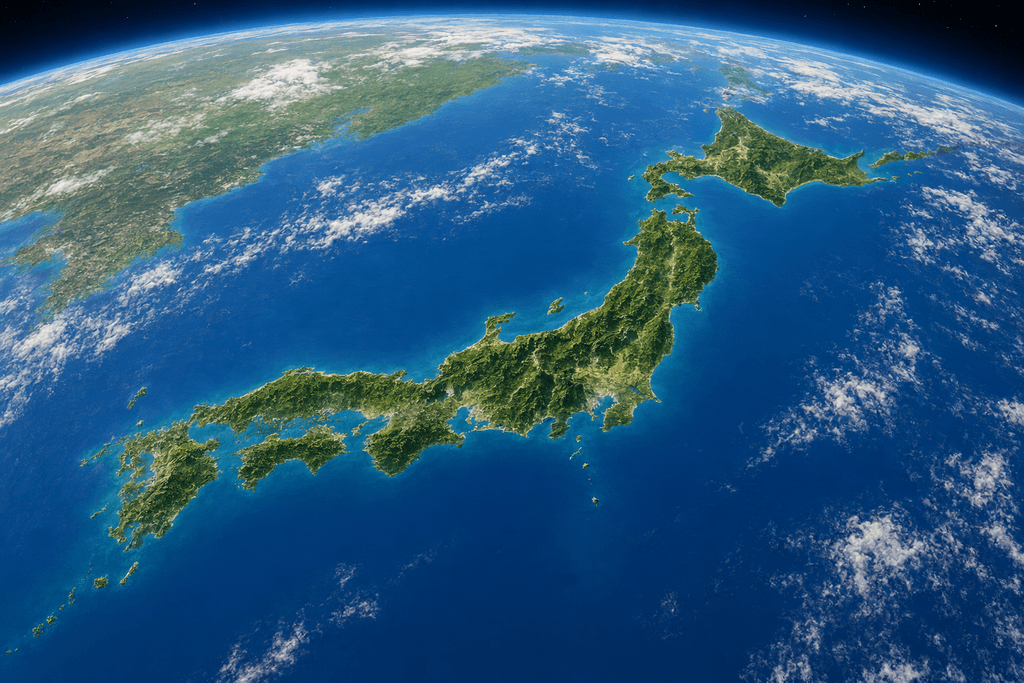
国
bansa
国
bansa
Explanation
国
bansa
国
bansa / lupain o rehiyon / estado o pamahalaan
( romanization )
( hiragana )
上手
mahusay
上手
mahusay
Explanation
上手
mahusay
上手
mahusay / magaling / bihasa

Word Forms
The basic and commonly used forms of this adjectival noun.
Basic forms
| Form | Word form | Usage |
|---|---|---|
| Imperfective form (mizenkei) | Used in forms such as darou. | |
| Continuative form (renyokei) |
Alternative:
上手に
|
Used with de or ni. |
| Conclusive form (shushikei) | Ends a sentence with da. | |
| Attributive form (rentaikei) | Modifies a noun with na. | |
| Conditional form (kateikei) | Expresses a condition with nara. | |
| Imperative form (meireikei) | Used in formal expressions such as de are. |
Common forms
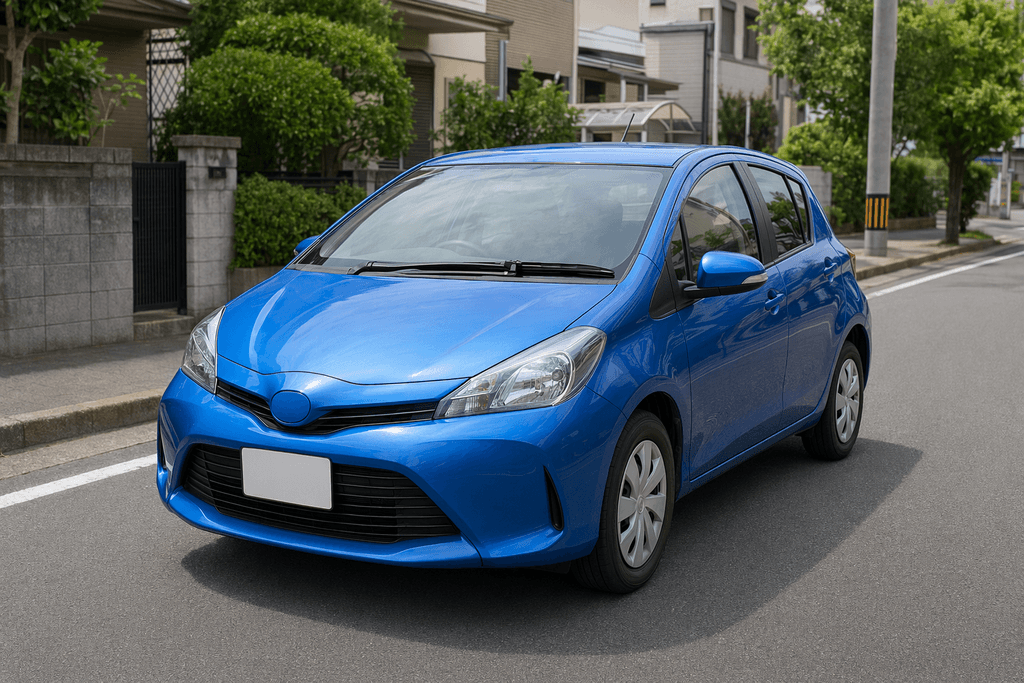
青い
asul
青い
asul
Explanation
青い
asul
青い
asul / berde (tulad ng sa halaman o ilaw-trapiko) / hilaw; walang karanasan
Word Forms
The basic and commonly used forms of this adjective.
Basic forms
| Form | Word form | Usage |
|---|---|---|
| Imperfective form (mizenkei) | Used in forms such as karou; mainly literary. | |
| Continuative form (renyokei) |
Alternative:
青かっ
|
Used in forms such as kute and kunai. |
| Conclusive form (shushikei) | Ends a sentence. | |
| Attributive form (rentaikei) | Modifies a noun. | |
| Conditional form (kateikei) | Expresses a condition with kereba. | |
| Imperative form (meireikei) | Rarely used in modern Japanese. |
Common forms
茶色
kayumanggi
茶色
kayumanggi
Explanation
茶色
kayumanggi
茶色
kayumanggi / kulay kayumanggi / kulay tsokolate

( Base form )
( romanization )
( hiragana )
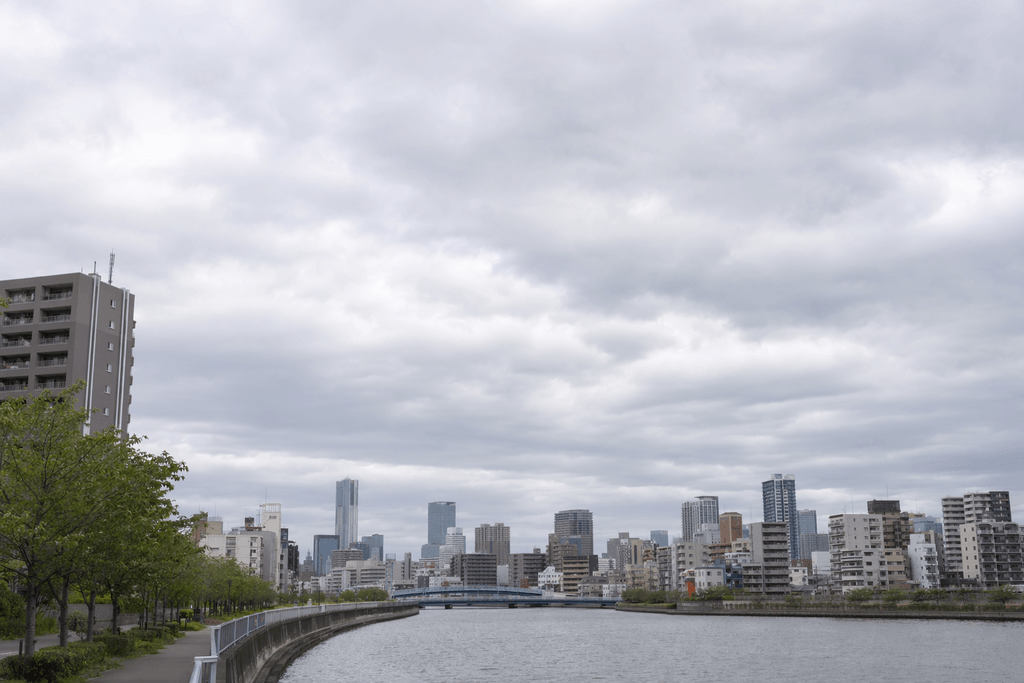
曇り
maulap na panahon
曇り
maulap na panahon
Explanation
曇り
maulap na panahon
曇り
kaulapan / maulap na panahon / makulimlim na panahon
( Base form )
( romanization )
メートル
metro
メートル
metro
Explanation
metro
メートル
yunit ng haba sa sistemang SI na katumbas ng 100 sentimetro / pamantayang sukat ng distansya

( romanization )
Loading...

JLPT N5 多言語単語帳・665語 / JLPT N5 Multilingual Vocabulary: 665 Words

Jonathan Waller 氏の JLPT Resources の語彙リスト・レベル分類を出典とし、CC BY の条件に従って DiQt が初級向けに意味を作り直した665語の単語帳です。JLPT公式の語彙リストではありません。
This collection of 665 words is based on the vocabulary list and level classifications in Jonathan Waller’s JLPT Resources under CC BY, with meanings rewritten by DiQt for beginners. It is not an official JLPT vocabulary list.
Key Operations
Select the first quiz:
Ctrl + Enter
View Explanation:Ctrl + G
Close a feedback:Esc
When selecting a quiz
Answer:Enter
Select a choice:↓ or ↑
Reading out the question:Ctrl + K
View Hint: Ctrl + M
I don't know: Ctrl + Y



