
JLPT N5: Kahulugan ng mga salita - Unsolved

Alamin ang kahulugan ng 665 salita sa JLPT N5 sa Filipino sa pamamagitan ng mga tanong na may apat na pagpipilian.
-
de-kuryenteng tren
-
gabi
-
sa loob
-
langit
-
mga magulang
-
tiyo / lalaking nasa gitnang edad
-
maulap na panahon
-
limang araw / ika-5 ng buwan
-
simula
-
mainit
-
maluwag / malapad
-
asul
- 「早う」は連用形のウ音便で、丁寧表現などで用いられることがあります。
-
tatlo
-
sampu
-
anim
-
anim na araw / ika-6 ng buwan
-
gulay
-
boses
-
iabot
-
mamatay
-
tumakbo
-
maanghang
-
gusto
-
cute
- 「痛い」はイ形容詞。俗用として「イタい」(見ていて恥ずかしい・痛々しい)の意味でも用いられるが、活用は同じ。
-
pelikula
-
umaga
-
bata
-
noong nakaraang linggo
-
ilog
-
kamera
紅茶
itim na tsaa
紅茶
itim na tsaa
Explanation
紅茶
itim na tsaa
紅茶
itim na tsaa / tsaa mula sa mga dahon ng Camellia sinensis na naoksida

( Base form )
( romanization )
( hiragana )
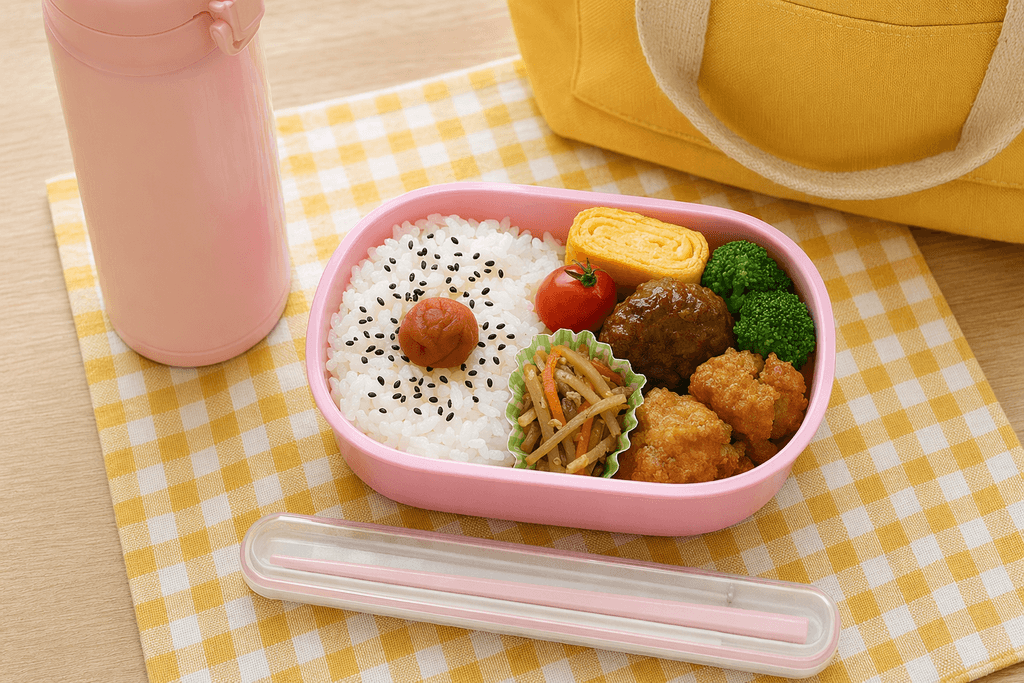
お弁当
baon na tanghalian
お弁当
baon na tanghalian
Explanation
お弁当
baon na tanghalian
お弁当
baon / pagkaing nakakahon / kahon ng pagkain
( Base form )
( romanization )
( hiragana )
教室
silid-aralan
教室
silid-aralan
Explanation
教室
silid-aralan
教室
silid-aralan / silid ng klase / silid-pagtuturo

( Base form )
( romanization )
( hiragana )
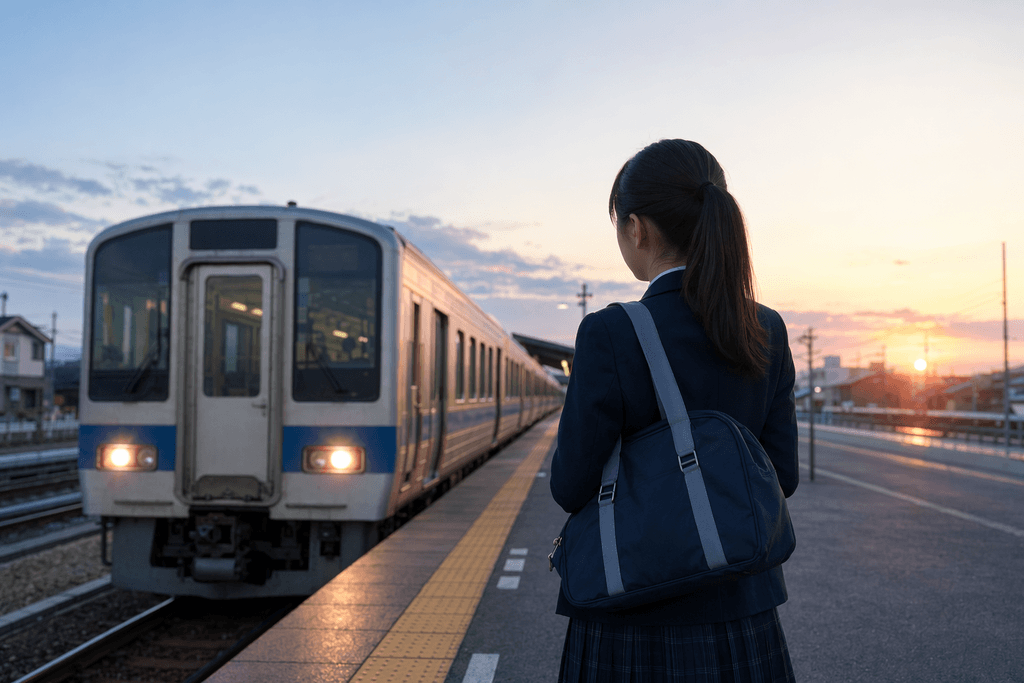
早い
maaga
早い
maaga
Explanation
早い
maaga
早い
maaga / nauna sa oras / mas maaga kaysa inaasahan
Word Forms
The basic and commonly used forms of this adjective.
Basic forms
| Form | Word form | Usage |
|---|---|---|
| Imperfective form (mizenkei) | Used in forms such as karou; mainly literary. | |
| Continuative form (renyokei) |
Alternative:
早かっ
早う
|
Used in forms such as kute and kunai. |
| Conclusive form (shushikei) | Ends a sentence. | |
| Attributive form (rentaikei) | Modifies a noun. | |
| Conditional form (kateikei) | Expresses a condition with kereba. | |
| Imperative form (meireikei) | Rarely used in modern Japanese. |
Common forms
| Form | Word form | Usage |
|---|---|---|
| Te-form | Connects clauses with kute. | |
| Ta-form | Expresses the past with katta. | |
| Nai-form | Expresses negation with kunai. | |
| Ba-form | Expresses a condition with kereba. |
Notes
千
libo
千
libo
Explanation
千
libo
千
isang libo / sanlibo

( romanization )
( hiragana )
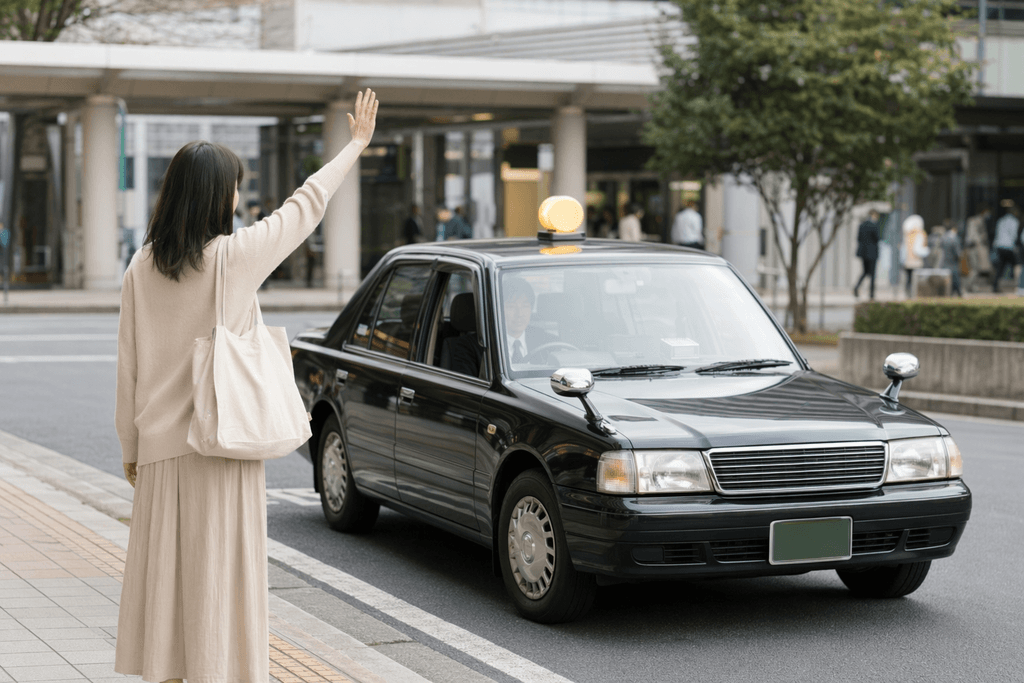
タクシー
taksi
タクシー
taksi
Explanation
taksi
タクシー
kotse na inuupahan para maghatid ng pasahero / sasakyang pamasada na may metro
( romanization )
( counter )
休む
magpahinga / lumiban sa trabaho
休む
magpahinga / lumiban sa trabaho
Explanation
休む
magpahinga / lumiban sa trabaho
休む
magpahinga / magliban

Word Forms
The basic and commonly used forms of this verb.
Basic forms
| Form | Word form | Usage |
|---|---|---|
| Imperfective form (mizenkei) |
Alternative:
休も
|
Connects to endings such as nai, reru, and seru. |
| Continuative form (renyokei) | Connects to endings such as masu, tai, and ta. | |
| Conclusive form (shushikei) | Ends a sentence and serves as the dictionary form. | |
| Attributive form (rentaikei) | Modifies a noun. | |
| Conditional form (kateikei) | Combines with ba to express a condition. | |
| Imperative form (meireikei) | Expresses a command or instruction. |
Common forms
痛い
masakit
痛い
masakit
Explanation
痛い
masakit
痛い
masakit / mahapdi / nakakahiya

Word Forms
The basic and commonly used forms of this adjective.
Basic forms
| Form | Word form | Usage |
|---|---|---|
| Imperfective form (mizenkei) | Used in forms such as karou; mainly literary. | |
| Continuative form (renyokei) |
Alternative:
痛かっ
|
Used in forms such as kute and kunai. |
| Conclusive form (shushikei) | Ends a sentence. | |
| Attributive form (rentaikei) | Modifies a noun. | |
| Conditional form (kateikei) | Expresses a condition with kereba. | |
| Imperative form (meireikei) | Rarely used in modern Japanese. |
Common forms
| Form | Word form | Usage |
|---|---|---|
| Te-form | Connects clauses with kute. | |
| Ta-form | Expresses the past with katta. | |
| Nai-form | Expresses negation with kunai. | |
| Ba-form | Expresses a condition with kereba. |
Notes
お兄さん
kuya
お兄さん
kuya
Explanation
お兄さん
kuya
お兄さん
nakatatandang kapatid na lalaki; kuya / tawag o pagtukoy sa di‑kilalang lalaking medyo bata pa ("kuya")

( Base form )
( romanization )
傘
payong
傘
payong
Explanation
傘
payong
傘
payong / sombrilla

( romanization )
( counter )
( hiragana )
Loading...

JLPT N5 多言語単語帳・665語 / JLPT N5 Multilingual Vocabulary: 665 Words

Jonathan Waller 氏の JLPT Resources の語彙リスト・レベル分類を出典とし、CC BY の条件に従って DiQt が初級向けに意味を作り直した665語の単語帳です。JLPT公式の語彙リストではありません。
This collection of 665 words is based on the vocabulary list and level classifications in Jonathan Waller’s JLPT Resources under CC BY, with meanings rewritten by DiQt for beginners. It is not an official JLPT vocabulary list.
Key Operations
Select the first quiz:
Ctrl + Enter
View Explanation:Ctrl + G
Close a feedback:Esc
When selecting a quiz
Answer:Enter
Select a choice:↓ or ↑
Reading out the question:Ctrl + K
View Hint: Ctrl + M
I don't know: Ctrl + Y



