
早い
early
早い
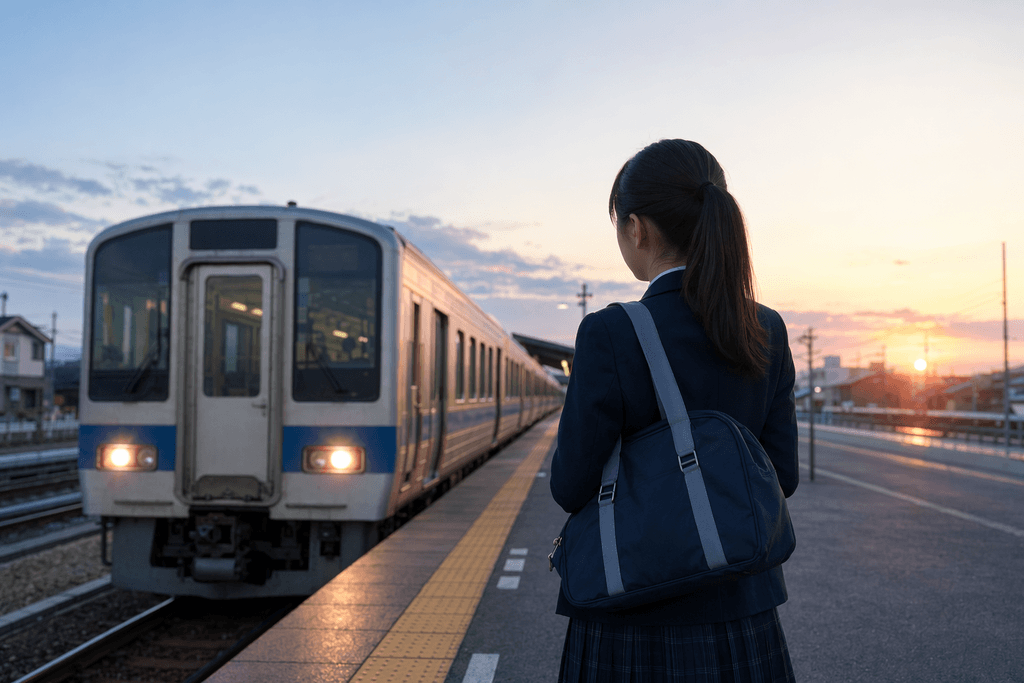
普通(ふつう)より時間(じかん)や時期(じき)が前(まえ)です。
早的 / 提前的
早的 / 提早的 / 早期的
이르다 / 빠르다
dini / lebih awal / sebelum waktunya
awal / cepat / terlalu awal
Temprano; que ocurre antes de lo habitual. / Anticipado; que se hace o llega pronto.
de bonne heure / précoce / hâtif
precoce, anticipato / veloce, rapido
früh (zeitig) / schnell (rasch)
tidlig / hurtig, snabb / for tidligt
wczesny / przedwczesny / szybki (o czasie/tempo)
časný, dřívější / brzký (brzy) / rychlý
vroeg / tijdig
tidlig (i tid) / rask; hurtig (om tempo)
tidig / som sker före väntad tid / snabb i tid
ранний / быстрый, скорый / преждевременный
timpuriu; înainte de vreme / devreme (la oră) / rapid; iute (în desfășurare)
ранній / швидкий / передчасний
cedo / adiantado / precoce
sớm / trước thời gian dự kiến
maaga / nauna sa oras / mas maaga kaysa inaasahan
เร็ว / เช้า/ก่อนเวลา / ก่อนกำหนด
ໄວ / ແຕ່ເຊົ້າ / ກ່ອນເວລາ
erken / çabuk, hızlı / vakti gelmeden, erken vakitte
ஆரம்பமான (நேரத்தில்) / முன்கூட்டிய / விரைவான
जल्दी / शीघ्र / प्रातः/सुबह-सुबह (समय में)
جلدی / اوّل / وقت سے پہلے
korai (időben) / hamar bekövetkező / gyors
מוקדם / מהיר / בטרם עת
আগে / শিগগির/তাড়াতাড়ি / প্রারম্ভেই
समयभन्दा अगाडि भएको / प्रारम्भिक / शुरुमै हुने
කල්තියාම / ඉක්මනින් / කලින්
စောသော / အချိန်မတိုင်မီ / အစောပိုင်း
эрт / түргэн / цаг нь эрт болсон
erta / barvaqt / tez (muddatidan oldin)
زود، زودهنگام / اوایل (زمان/وقت)
مبكّر / سابق لأوانه / في وقت قريب
មុនពេល / ឆាប់ / ដំបូង
cedo / prematuro / adiantado
早 / 提早 / 早期
Word Forms
The basic and commonly used forms of this adjective.
Basic forms
| Form | Word form | Usage |
|---|---|---|
| Imperfective form (mizenkei) | Used in forms such as karou; mainly literary. | |
| Continuative form (renyokei) |
Alternative:
早かっ
早う
|
Used in forms such as kute and kunai. |
| Conclusive form (shushikei) | Ends a sentence. | |
| Attributive form (rentaikei) | Modifies a noun. | |
| Conditional form (kateikei) | Expresses a condition with kereba. | |
| Imperative form (meireikei) | Rarely used in modern Japanese. |
Common forms
| Form | Word form | Usage |
|---|---|---|
| Te-form | Connects clauses with kute. | |
| Ta-form | Expresses the past with katta. | |
| Nai-form | Expresses negation with kunai. | |
| Ba-form | Expresses a condition with kereba. |
Notes
- 「早う」は連用形のウ音便で、丁寧表現などで用いられることがあります。
Japanese - Multilingual

- Users who have edit permission for words - All Users
- Screen new word creation
- Screen word edits
- Screen word deletion
- Screen changing entry name
- Users authorized to vote on judging - All Users
- Number of votes required for decision - 1
- Users who have edit permission for sentences - All Users
- Screen sentence deletion
- Users authorized to vote on judging - Editor
- Number of votes required for decision - 1
- Users who have edit permission for quizzes - All Users
- Users authorized to vote on judging - Editor
- Number of votes required for decision - 1



