
JLPT N4 แบบฝึกหัดความหมายคำศัพท์ - Unsolved

เรียนรู้ความหมายภาษาไทยของคำศัพท์ JLPT N4 จำนวน 631 คำด้วยคำถามแบบ 4 ตัวเลือก
-
การแข่งขันกีฬา
-
การ์ตูน
-
คณิตศาสตร์
-
ความใส่ใจ / ความระมัดระวัง
-
การจอง
-
อิสรภาพ
-
การเมือง / การปกครอง
-
ง่าย
-
แอลกอฮอล์
-
ตู้เก็บของติดผนัง
-
ของฝาก
-
สเต๊ก
-
ย้ายที่ / โอนย้าย
-
รับประทานอาหาร
-
เต้นรำ
-
รถไฟด่วนพิเศษ
-
ขโมย
-
ที่นั่ง
-
พิพิธภัณฑ์ศิลปะ
-
แก๊ส
-
ด้าย
-
คอ
-
เทคโนโลยี / ทักษะ
-
รสชาติ
-
มีชีวิตอยู่
-
ผ่านไป
-
ไถล / ลื่น
- 五段ラ行活用の動詞です。
-
ตู้เก็บของติดผนัง
-
การทะเลาะ
-
ความเพลิดเพลิน
用
การใช้ / ธุระ
用
การใช้ / ธุระ
Explanation
用
การใช้ / ธุระ
用
การใช้ / ธุระ; งาน; กิจ / การไปทำธุระ

( romanization )
( hiragana )
星
ดาว
星
ดาว
Explanation
星
ดาว
星
ดาว / ดวงดาว / ดารา

( romanization )
( hiragana )
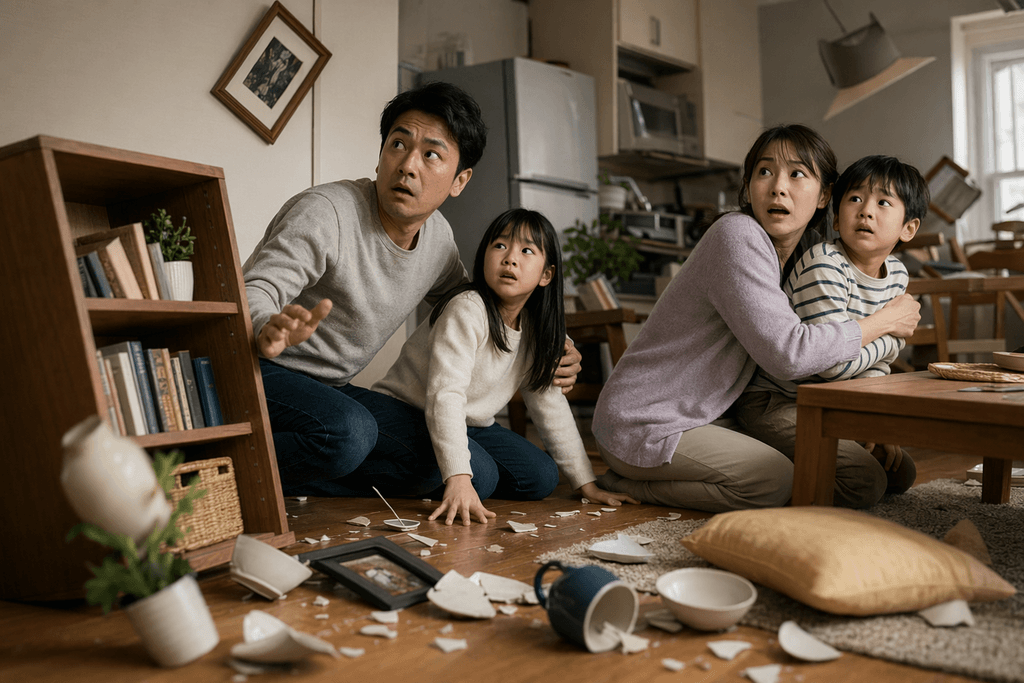
地震
แผ่นดินไหว
地震
แผ่นดินไหว
Explanation
地震
แผ่นดินไหว
地震
แผ่นดินไหว / เหตุแผ่นดินไหว
( romanization )
( romanization )
( hiragana historical )
( hiragana )
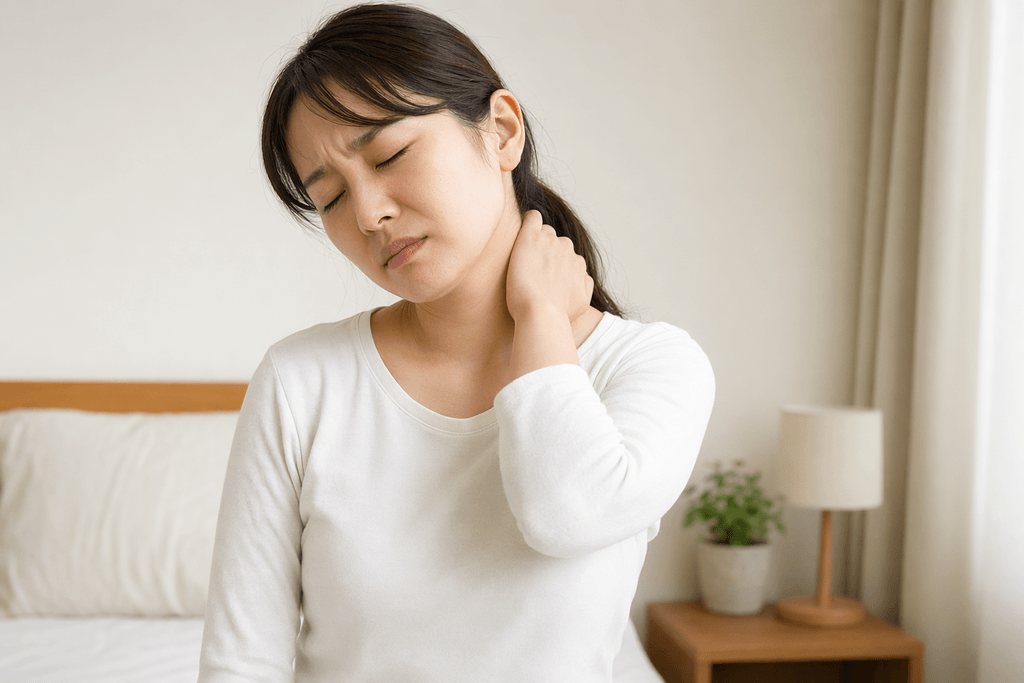
首
คอ
首
คอ
Explanation
首
คอ
首
คอ / การไล่ออก; การถูกปลดออกจากงาน / การตัดหัว
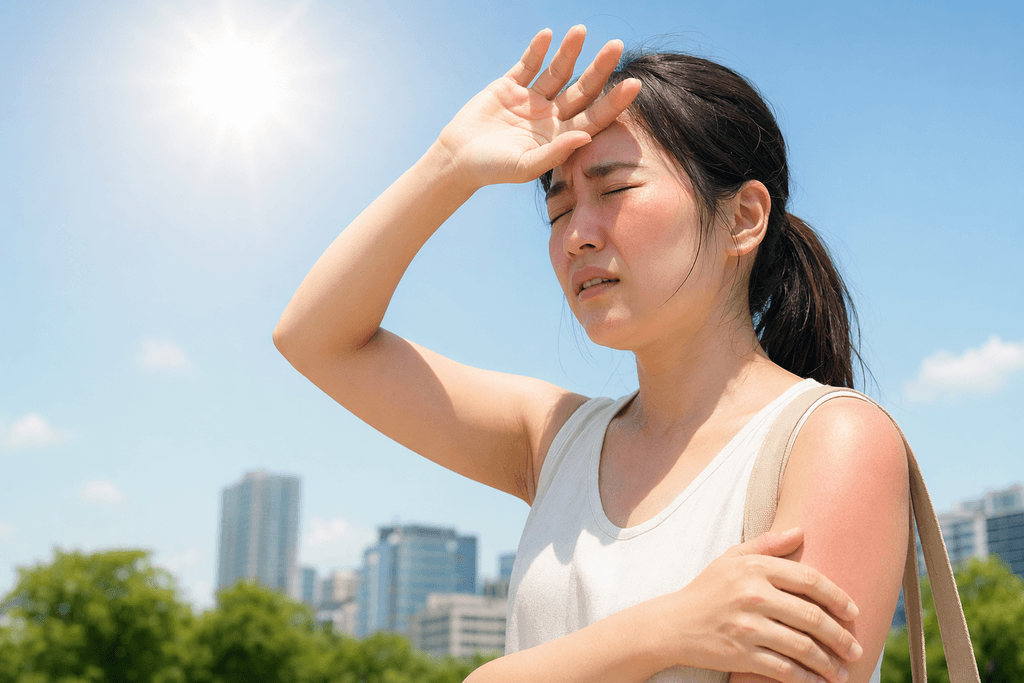
焼ける
ไหม้ / สุก
焼ける
ไหม้ / สุก
Explanation
焼ける
ไหม้ / สุก
焼ける
ถูกเผาไหม้/ไหม้เกรียม / ย่าง อบ ปิ้ง จนสุก / ผิวแทนจากแดด หรือสีเปลี่ยนซีดคล้ำ
Word Forms
The basic and commonly used forms of this verb.
Basic forms
| Form | Word form | Usage |
|---|---|---|
| Imperfective form (mizenkei) | Connects to endings such as nai, reru, and seru. | |
| Continuative form (renyokei) | Connects to endings such as masu, tai, and ta. | |
| Conclusive form (shushikei) | Ends a sentence and serves as the dictionary form. | |
| Attributive form (rentaikei) | Modifies a noun. | |
| Conditional form (kateikei) | Combines with ba to express a condition. | |
| Imperative form (meireikei) |
Alternative:
焼けよ
|
Expresses a command or instruction. |
Common forms
怪我
การบาดเจ็บ
怪我
การบาดเจ็บ
Explanation
怪我
การบาดเจ็บ
怪我
การบาดเจ็บ / บาดแผล / อาการเจ็บป่วยจากการบาดเจ็บ

( Base form )
( romanization )
( hiragana )
指
นิ้วมือ
指
นิ้วมือ
Explanation
指
นิ้วมือ
指
นิ้วมือ / นิ้ว

( romanization )
( counter )
( hiragana )
( alternative )
( Rōmaji )
音
เสียง
音
เสียง
Explanation
音
เสียง
音
เสียง / เสียงดัง/เสียงรบกวน / เสียงดนตรี
( romanization )
( hiragana )
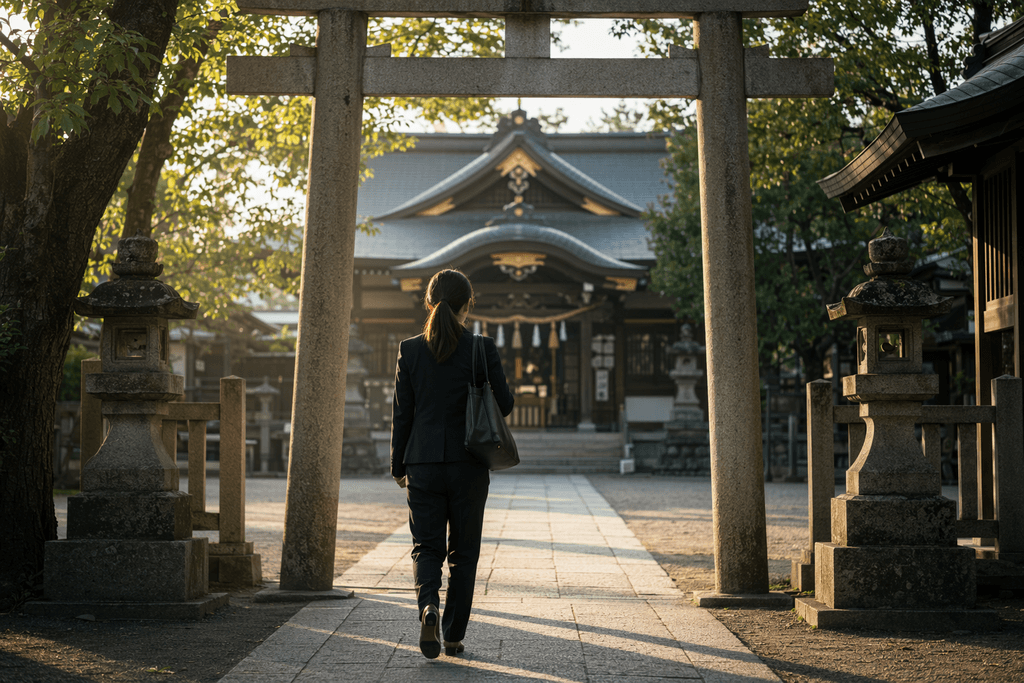
参る
ไป / มา
参る
ไป / มา
Explanation
参る
ไป / มา
参る
ไป (คำสุภาพ/ถ่อมตน) / มา (คำสุภาพ/ถ่อมตน) / ไปเยี่ยม/ไปสักการะ (เช่น ศาลเจ้า วัด บ้านผู้มีศักดิ์)
Word Forms
The basic and commonly used forms of this verb.
Basic forms
| Form | Word form | Usage |
|---|---|---|
| Imperfective form (mizenkei) | Connects to endings such as nai, reru, and seru. | |
| Continuative form (renyokei) | Connects to endings such as masu, tai, and ta. | |
| Conclusive form (shushikei) | Ends a sentence and serves as the dictionary form. | |
| Attributive form (rentaikei) | Modifies a noun. | |
| Conditional form (kateikei) | Combines with ba to express a condition. | |
| Imperative form (meireikei) | Expresses a command or instruction. |
Common forms
| Form | Word form | Usage |
|---|---|---|
| Te-form | Connects clauses with te. | |
| Ta-form | Expresses the past with ta. | |
| Nai-form | Expresses negation with nai. | |
| Masu-form | Used for polite speech. | |
| Ba-form | Expresses a condition with ba. | |
| Volitional form | Expresses intention or invitation. |
Notes
髪
เส้นผม
髪
เส้นผม
Explanation
髪
เส้นผม
髪
เส้นผม / ผม (บนศีรษะ) / ขน

( romanization )
( kyūjitai )
( hiragana )
Loading...

JLPT N4 多言語単語帳・631語 / JLPT N4 Multilingual Vocabulary: 631 Words

Jonathan Waller 氏の JLPT Resources の語彙リスト・レベル分類を出典とし、CC BY の条件に従って DiQt が初級向けに意味を作り直した631語の単語帳です。JLPT公式の語彙リストではありません。
This collection of 631 words is based on the vocabulary list and level classifications in Jonathan Waller’s JLPT Resources under CC BY, with meanings rewritten by DiQt for beginners. It is not an official JLPT vocabulary list.
Key Operations
Select the first quiz:
Ctrl + Enter
View Explanation:Ctrl + G
Close a feedback:Esc
When selecting a quiz
Answer:Enter
Select a choice:↓ or ↑
Reading out the question:Ctrl + K
View Hint: Ctrl + M
I don't know: Ctrl + Y



