
JLPT N4 แบบฝึกหัดความหมายคำศัพท์ - Unsolved

เรียนรู้ความหมายภาษาไทยของคำศัพท์ JLPT N4 จำนวน 631 คำด้วยคำถามแบบ 4 ตัวเลือก
-
รังแก
-
ตกปลา
-
ก้าวหน้า
-
เพียงพอ
-
หลังจากผ่านไปนาน
-
คึกคัก / เจริญรุ่งเรือง
-
สวยงาม
-
ถูกต้อง
-
ละเอียด / ละเอียดถี่ถ้วน
- 命令形「眠かれ」は現代語ではまれです。
-
จอภาพ
-
สัปดาห์ถัดจากสัปดาห์หน้า
-
หญ้า
-
คำเชิญ
-
ด้วยความช่วยเหลือของ
-
ห้องประชุม
-
นักศึกษา
-
รองเท้าแตะ
-
น้ำร้อน
-
เหยียบ
-
แจ้ง
-
ล้มลง
-
จอภาพ
-
งานพิเศษ
-
ทั้งสอง
-
ตรงไป / ทันใดนั้น
-
ค่อนข้างมาก
-
อย่างมาก
-
การแสดงความยินดี
-
รูปลักษณ์
-
ถุงมือ
準備する
เตรียม
準備する
เตรียม
Explanation
準備する
เตรียม
準備する
เตรียม / จัดเตรียม / เตรียมความพร้อม

Word Forms
The basic and commonly used forms of this verb.
Basic forms
| Form | Word form | Usage |
|---|---|---|
| Imperfective form (mizenkei) |
Alternative:
準備せ
準備さ
|
Connects to endings such as nai, reru, and seru. |
| Continuative form (renyokei) | Connects to endings such as masu, tai, and ta. | |
| Conclusive form (shushikei) | Ends a sentence and serves as the dictionary form. | |
| Attributive form (rentaikei) | Modifies a noun. | |
| Conditional form (kateikei) | Combines with ba to express a condition. | |
| Imperative form (meireikei) |
Alternative:
準備せよ
|
Expresses a command or instruction. |
Common forms
真面目
จริงจัง / ขยัน
真面目
จริงจัง / ขยัน
Explanation
真面目
จริงจัง / ขยัน
真面目
จริงจัง / เคร่งครัด / ซื่อสัตย์

Word Forms
The basic and commonly used forms of this adjectival noun.
Basic forms
| Form | Word form | Usage |
|---|---|---|
| Imperfective form (mizenkei) | Used in forms such as darou. | |
| Continuative form (renyokei) |
Alternative:
真面目に
|
Used with de or ni. |
| Conclusive form (shushikei) | Ends a sentence with da. | |
| Attributive form (rentaikei) | Modifies a noun with na. | |
| Conditional form (kateikei) | Expresses a condition with nara. | |
| Imperative form (meireikei) | Used in formal expressions such as de are. |
Common forms
眠い
ง่วง
眠い
ง่วง
Explanation
眠い
ง่วง
眠い
ง่วงนอน / รู้สึกอยากนอน / ง่วงจนตาจะปิด

Word Forms
The basic and commonly used forms of this adjective.
Basic forms
| Form | Word form | Usage |
|---|---|---|
| Imperfective form (mizenkei) | Used in forms such as karou; mainly literary. | |
| Continuative form (renyokei) |
Alternative:
眠かっ
|
Used in forms such as kute and kunai. |
| Conclusive form (shushikei) | Ends a sentence. | |
| Attributive form (rentaikei) | Modifies a noun. | |
| Conditional form (kateikei) | Expresses a condition with kereba. | |
| Imperative form (meireikei) | Rarely used in modern Japanese. |
Common forms
| Form | Word form | Usage |
|---|---|---|
| Te-form | Connects clauses with kute. | |
| Ta-form | Expresses the past with katta. | |
| Nai-form | Expresses negation with kunai. | |
| Ba-form | Expresses a condition with kereba. |
Notes
暖房
ระบบทำความร้อน
暖房
ระบบทำความร้อน
Explanation
暖房
ระบบทำความร้อน
暖房
การทำความร้อนภายในห้อง / ระบบให้ความร้อนในห้อง / เครื่องทำความร้อนในห้อง

( Base form )
( romanization )
( hiragana )
意見
ความคิดเห็น
意見
ความคิดเห็น
Explanation
意見
ความคิดเห็น
意見
ความคิดเห็น / ทัศนะ/มุมมอง / ข้อเสนอแนะหรือคำวิจารณ์

( Base form )
( romanization )
( hiragana )
機会
โอกาส
機会
โอกาส
Explanation
機会
โอกาส
機会
โอกาส / จังหวะ / ความเป็นไปได้ที่จะเกิดขึ้น

( Base form )
( romanization )
( romanization )
( kyūjitai )
( hiragana historical )
( hiragana )
足りる
มีพอ
足りる
มีพอ
Explanation
足りる
มีพอ
足りる
พอเพียง / เพียงพอ / พอใช้

Word Forms
The basic and commonly used forms of this verb.
Basic forms
| Form | Word form | Usage |
|---|---|---|
| Imperfective form (mizenkei) | Connects to endings such as nai, reru, and seru. | |
| Continuative form (renyokei) | Connects to endings such as masu, tai, and ta. | |
| Conclusive form (shushikei) | Ends a sentence and serves as the dictionary form. | |
| Attributive form (rentaikei) | Modifies a noun. | |
| Conditional form (kateikei) | Combines with ba to express a condition. | |
| Imperative form (meireikei) |
Alternative:
足りよ
|
Expresses a command or instruction. |
Common forms
特急
รถไฟด่วนพิเศษ
特急
รถไฟด่วนพิเศษ
Explanation
特急
รถไฟด่วนพิเศษ
特急
รถด่วนพิเศษ / ขบวนรถไฟด่วนพิเศษ / บริการรถด่วนพิเศษ
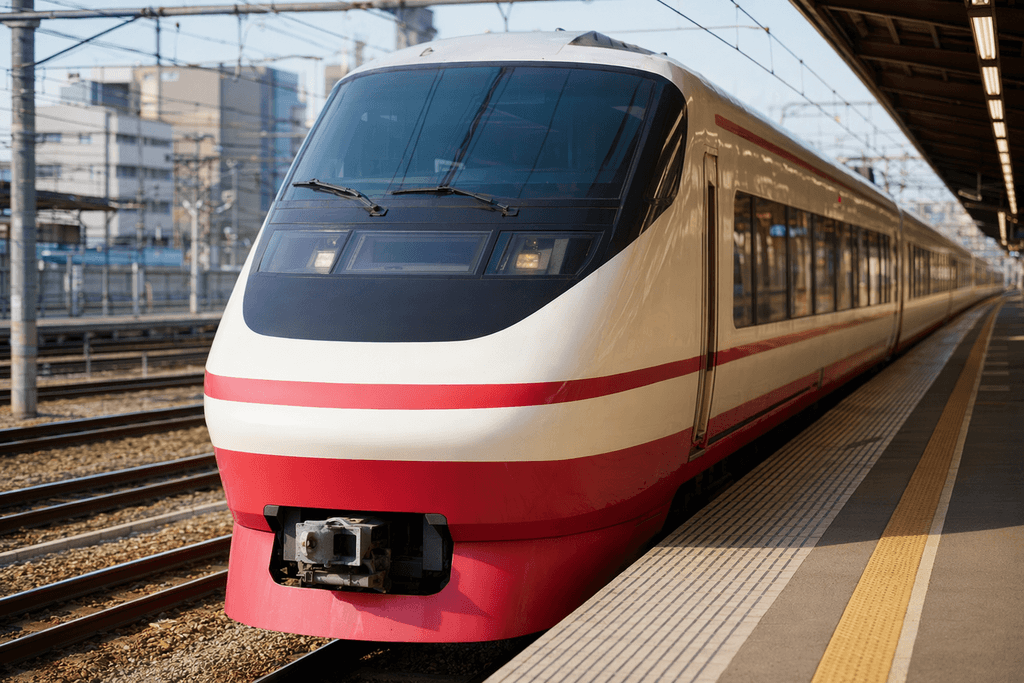
( Base form )
( romanization )
( hiragana )
やっと
ในที่สุด
やっと
ในที่สุด
Explanation
ในที่สุด
やっと
ในที่สุด / ท้ายที่สุด / เสียที

( romanization )
趣味
งานอดิเรก
趣味
งานอดิเรก
Explanation
趣味
งานอดิเรก
趣味
งานอดิเรก / ความชอบส่วนตัว / กิจกรรมยามว่าง

( Base form )
( romanization )
( hiragana )
Loading...

JLPT N4 多言語単語帳・631語 / JLPT N4 Multilingual Vocabulary: 631 Words

Jonathan Waller 氏の JLPT Resources の語彙リスト・レベル分類を出典とし、CC BY の条件に従って DiQt が初級向けに意味を作り直した631語の単語帳です。JLPT公式の語彙リストではありません。
This collection of 631 words is based on the vocabulary list and level classifications in Jonathan Waller’s JLPT Resources under CC BY, with meanings rewritten by DiQt for beginners. It is not an official JLPT vocabulary list.
Key Operations
Select the first quiz:
Ctrl + Enter
View Explanation:Ctrl + G
Close a feedback:Esc
When selecting a quiz
Answer:Enter
Select a choice:↓ or ↑
Reading out the question:Ctrl + K
View Hint: Ctrl + M
I don't know: Ctrl + Y



