
JLPT N4 แบบฝึกหัดความหมายคำศัพท์ - Unsolved

เรียนรู้ความหมายภาษาไทยของคำศัพท์ JLPT N4 จำนวน 631 คำด้วยคำถามแบบ 4 ตัวเลือก
-
ประหลาดใจ
-
ซ่อม
-
ตรวจสอบ
-
รถไฟด่วน
-
ความล้มเหลว / ความผิดพลาด
-
เกาะ
-
แผ่นหลัง
-
การปรึกษา
-
ใบไม้
-
ให้
-
เคลื่อนไหว
-
อบ / ย่าง
- 五段活用(バ行)の動詞です。
- 「て」「た」は撥音便により「運んで」「運んだ」になります。
-
นึกออก
-
ไปรับ / ต้อนรับ
-
ตรวจเช็ก
-
ความใส่ใจ / ความระมัดระวัง
-
จุดจบ
-
ด้านหลัง
-
อาย
-
แย่มาก
-
ขม
-
ลงจากรถ / ลงไป
-
ทันเวลา
-
เปลี่ยนใหม่
-
วัดพุทธ
-
จุดจบ
-
ป่าละเมาะ
-
อย่างมั่นคง / อย่างจริงจัง
-
เมื่อเร็ว ๆ นี้
-
อย่างยิ่ง
やめる
เลิกทำ
やめる
เลิกทำ
Explanation
เลิกทำ
やめる
เลิก / หยุดทำ / ลาออก

Word Forms
The basic and commonly used forms of this verb.
Basic forms
| Form | Word form | Usage |
|---|---|---|
| Imperfective form (mizenkei) | Connects to endings such as nai, reru, and seru. | |
| Continuative form (renyokei) | Connects to endings such as masu, tai, and ta. | |
| Conclusive form (shushikei) | Ends a sentence and serves as the dictionary form. | |
| Attributive form (rentaikei) | Modifies a noun. | |
| Conditional form (kateikei) | Combines with ba to express a condition. | |
| Imperative form (meireikei) |
Alternative:
やめよ
|
Expresses a command or instruction. |
Common forms
皆
ทุกคน
皆
ทุกคน
Explanation
皆
ทุกคน
皆
ทุกคน / ทุก ๆ คน / ทั้งหมด

( romanization )
( hiragana )
乗り物
ยานพาหนะ
乗り物
ยานพาหนะ
Explanation
乗り物
ยานพาหนะ
乗り物
ยานพาหนะ / พาหนะ / ยานยนต์

( Base form )
( romanization )
( hiragana )
運ぶ
ขนส่ง
運ぶ
ขนส่ง
Explanation
運ぶ
ขนส่ง
運ぶ
ขนส่ง; ลำเลียง / พา; นำไป / เคลื่อนย้าย

Word Forms
The basic and commonly used forms of this verb.
Basic forms
| Form | Word form | Usage |
|---|---|---|
| Imperfective form (mizenkei) |
Alternative:
運ぼ
|
Connects to endings such as nai, reru, and seru. |
| Continuative form (renyokei) | Connects to endings such as masu, tai, and ta. | |
| Conclusive form (shushikei) | Ends a sentence and serves as the dictionary form. | |
| Attributive form (rentaikei) | Modifies a noun. | |
| Conditional form (kateikei) | Combines with ba to express a condition. | |
| Imperative form (meireikei) | Expresses a command or instruction. |
Common forms
| Form | Word form | Usage |
|---|---|---|
| Te-form | Connects clauses with te. | |
| Ta-form | Expresses the past with ta. | |
| Nai-form | Expresses negation with nai. | |
| Masu-form | Used for polite speech. | |
| Ba-form | Expresses a condition with ba. | |
| Volitional form | Expresses intention or invitation. |
Notes
泣く
ร้องไห้
泣く
ร้องไห้
Explanation
泣く
ร้องไห้
泣く
ร้องไห้ / หลั่งน้ำตา

Word Forms
The basic and commonly used forms of this verb.
Basic forms
| Form | Word form | Usage |
|---|---|---|
| Imperfective form (mizenkei) |
Alternative:
泣こ
|
Connects to endings such as nai, reru, and seru. |
| Continuative form (renyokei) | Connects to endings such as masu, tai, and ta. | |
| Conclusive form (shushikei) | Ends a sentence and serves as the dictionary form. | |
| Attributive form (rentaikei) | Modifies a noun. | |
| Conditional form (kateikei) | Combines with ba to express a condition. | |
| Imperative form (meireikei) | Expresses a command or instruction. |
Common forms
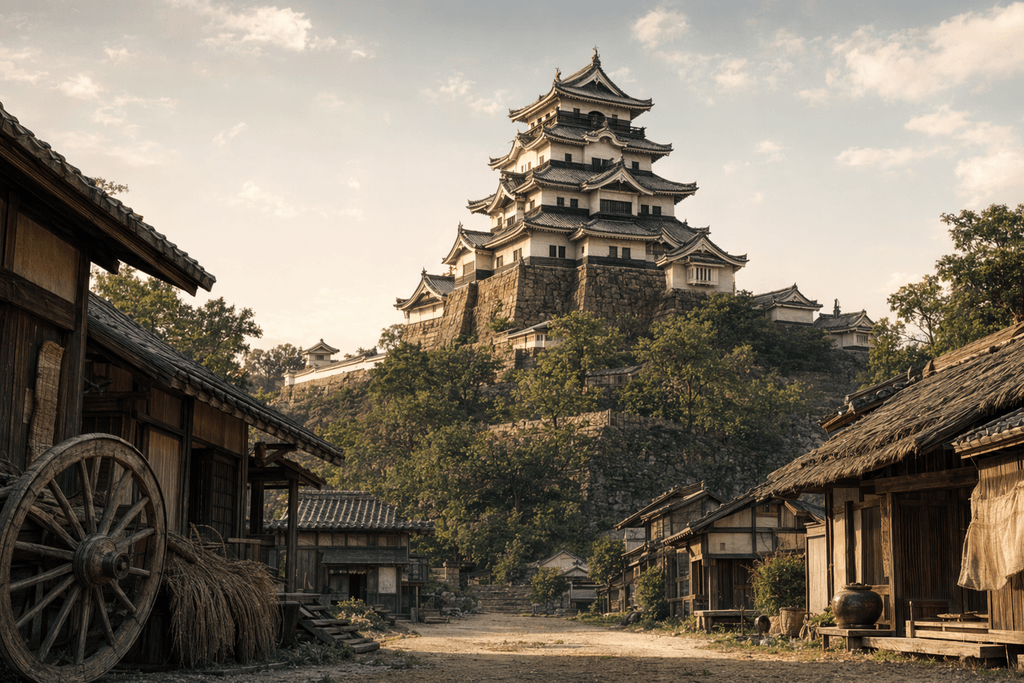
昔
สมัยก่อน
昔
สมัยก่อน
Explanation
昔
สมัยก่อน
昔
อดีต / สมัยก่อน / ยุคโบราณ
( romanization )
( hiragana )
寂しい
เหงา
寂しい
เหงา
Explanation
寂しい
เหงา
寂しい
เหงา / วังเวง/เปล่าเปลี่ยว / ซึมเศร้า/หดหู่

Word Forms
The basic and commonly used forms of this adjective.
Basic forms
| Form | Word form | Usage |
|---|---|---|
| Imperfective form (mizenkei) | Used in forms such as karou; mainly literary. | |
| Continuative form (renyokei) |
Alternative:
寂しかっ
|
Used in forms such as kute and kunai. |
| Conclusive form (shushikei) | Ends a sentence. | |
| Attributive form (rentaikei) | Modifies a noun. | |
| Conditional form (kateikei) | Expresses a condition with kereba. | |
| Imperative form (meireikei) | Rarely used in modern Japanese. |
Common forms
漬ける
แช่ / ดอง
漬ける
แช่ / ดอง
Explanation
漬ける
แช่ / ดอง
漬ける
แช่; จุ่มไว้ / หมักดอง (เช่น ผัก ปลา) / แช่ให้อิ่มตัว/ซึมเข้าไป

Word Forms
The basic and commonly used forms of this verb.
Basic forms
| Form | Word form | Usage |
|---|---|---|
| Imperfective form (mizenkei) | Connects to endings such as nai, reru, and seru. | |
| Continuative form (renyokei) | Connects to endings such as masu, tai, and ta. | |
| Conclusive form (shushikei) | Ends a sentence and serves as the dictionary form. | |
| Attributive form (rentaikei) | Modifies a noun. | |
| Conditional form (kateikei) | Combines with ba to express a condition. | |
| Imperative form (meireikei) |
Alternative:
漬けよ
|
Expresses a command or instruction. |
Common forms
今度
ครั้งนี้ / ครั้งหน้า
今度
ครั้งนี้ / ครั้งหน้า
Explanation
今度
ครั้งนี้ / ครั้งหน้า
今度
ครั้งนี้; คราวนี้ / ครั้งหน้า; คราวหน้า / เมื่อวันก่อน; เมื่อไม่นานมานี้

( Base form )
( romanization )
( hiragana )
この間
วันก่อน
この間
วันก่อน
Explanation
この間
วันก่อน
この間
วันก่อน/เมื่อไม่นานมานี้ / ระยะนี้/ช่วงนี้ / ช่วงเวลานี้

( romanization )
( romanization )
( hiragana historical )
Loading...

JLPT N4 多言語単語帳・631語 / JLPT N4 Multilingual Vocabulary: 631 Words

Jonathan Waller 氏の JLPT Resources の語彙リスト・レベル分類を出典とし、CC BY の条件に従って DiQt が初級向けに意味を作り直した631語の単語帳です。JLPT公式の語彙リストではありません。
This collection of 631 words is based on the vocabulary list and level classifications in Jonathan Waller’s JLPT Resources under CC BY, with meanings rewritten by DiQt for beginners. It is not an official JLPT vocabulary list.
Key Operations
Select the first quiz:
Ctrl + Enter
View Explanation:Ctrl + G
Close a feedback:Esc
When selecting a quiz
Answer:Enter
Select a choice:↓ or ↑
Reading out the question:Ctrl + K
View Hint: Ctrl + M
I don't know: Ctrl + Y



