
JLPT N4 แบบฝึกหัดความหมายคำศัพท์ - Unsolved

เรียนรู้ความหมายภาษาไทยของคำศัพท์ JLPT N4 จำนวน 631 คำด้วยคำถามแบบ 4 ตัวเลือก
-
ผม
-
เขา / แฟนหนุ่ม
-
พวกเขา
-
เหลือ
-
ขนส่ง
-
แจ้ง
- 五段活用(ラ行)の動詞。
- 「上がる」「挙がる」「揚がる」「和了る」などの表記はいずれも同じ活用。
-
ประเทศตะวันตก
-
สัปดาห์ถัดจากสัปดาห์หน้า
-
อัคคีภัย
-
อิสรภาพ
-
การ์ตูน
-
แผ่นดินไหว
-
ข้าวสาร
-
ทันตแพทย์
-
อุตสาหกรรม
-
ตัวอักษร
-
การเต้นรำ
-
กฎหมาย
-
หายป่วย
-
ไปรับ / ต้อนรับ
-
เห็น / ชม
-
ซ่อม
-
อ้วนขึ้น
-
ชื่อว่า / กล่าว
- 一段活用の動詞。補助動詞「〜すぎる」として用いる場合も同じ活用。
-
วัน / ดวงอาทิตย์
-
ทิวทัศน์
-
ยานพาหนะ
-
การชมดอกซากุระ
-
เมฆ
-
ความล้มเหลว / ความผิดพลาด
君
เธอ
君
เธอ
Explanation
君
เธอ
君
คุณ (สรรพนามไม่เป็นทางการ ใช้กับผู้น้อย/สนิท) / แก (ใช้เรียกคู่สนทนาแบบผู้ชาย อาจฟังดูสนิทหรือดูถูก)

( romanization )
( hiragana )
上がる
สูงขึ้น
上がる
สูงขึ้น
Explanation
上がる
สูงขึ้น
上がる
ขึ้น, สูงขึ้น, เพิ่มขึ้น / ได้รับการยก/ถูกกล่าวถึง, ถูกเสนอชื่อ / ทอด/ผัดจนสุก; (ไพ่นกกระจอก) ชนะ

Word Forms
The basic and commonly used forms of this verb.
Basic forms
| Form | Word form | Usage |
|---|---|---|
| Imperfective form (mizenkei) |
Alternative:
上がろ
|
Connects to endings such as nai, reru, and seru. |
| Continuative form (renyokei) | Connects to endings such as masu, tai, and ta. | |
| Conclusive form (shushikei) | Ends a sentence and serves as the dictionary form. | |
| Attributive form (rentaikei) | Modifies a noun. | |
| Conditional form (kateikei) | Combines with ba to express a condition. | |
| Imperative form (meireikei) | Expresses a command or instruction. |
Common forms
| Form | Word form | Usage |
|---|---|---|
| Te-form | Connects clauses with te. | |
| Ta-form | Expresses the past with ta. | |
| Nai-form | Expresses negation with nai. | |
| Masu-form | Used for polite speech. | |
| Ba-form | Expresses a condition with ba. | |
| Volitional form | Expresses intention or invitation. |
Notes
変
แปลก
変
แปลก
Explanation
変
แปลก
変
ความประหลาด / ความผิดปกติ / เหตุผิดปกติ/ปัญหา

( romanization )
( hiragana )
オートバイ
รถจักรยานยนต์
オートバイ
รถจักรยานยนต์
Explanation
รถจักรยานยนต์
オートバイ
รถจักรยานยนต์ / มอเตอร์ไซค์

( romanization )
食料品
สินค้าอาหาร
食料品
สินค้าอาหาร
Explanation
食料品
สินค้าอาหาร
食料品
ของกินของใช้จำเป็น (โดยเฉพาะอาหาร) / ของชำ / วัตถุดิบอาหาร

( Base form )
( romanization )
( hiragana )
小鳥
นกตัวเล็ก
小鳥
นกตัวเล็ก
Explanation
小鳥
นกตัวเล็ก
小鳥
นกตัวเล็ก / ลูกนก / นกน้อย

( Base form )
( romanization )
( hiragana )
間違える
ทำผิด
間違える
ทำผิด
Explanation
間違える
ทำผิด
間違える
ทำผิดพลาด / คำนวณผิด / สับสน/เข้าใจผิดว่าเป็นอย่างอื่น

Word Forms
The basic and commonly used forms of this verb.
Basic forms
| Form | Word form | Usage |
|---|---|---|
| Imperfective form (mizenkei) | Connects to endings such as nai, reru, and seru. | |
| Continuative form (renyokei) | Connects to endings such as masu, tai, and ta. | |
| Conclusive form (shushikei) | Ends a sentence and serves as the dictionary form. | |
| Attributive form (rentaikei) | Modifies a noun. | |
| Conditional form (kateikei) | Combines with ba to express a condition. | |
| Imperative form (meireikei) |
Alternative:
間違えよ
|
Expresses a command or instruction. |
Common forms
過ぎる
เกิน / ผ่าน
過ぎる
เกิน / ผ่าน
Explanation
過ぎる
เกิน / ผ่าน
過ぎる
ผ่านไป, ผ่านพ้น / ล่วงเลย (เวลา) / เกินไป, มากเกินไป

Word Forms
The basic and commonly used forms of this verb.
Basic forms
| Form | Word form | Usage |
|---|---|---|
| Imperfective form (mizenkei) |
Alternative:
過ぎよ
|
Connects to endings such as nai, reru, and seru. |
| Continuative form (renyokei) | Connects to endings such as masu, tai, and ta. | |
| Conclusive form (shushikei) | Ends a sentence and serves as the dictionary form. | |
| Attributive form (rentaikei) | Modifies a noun. | |
| Conditional form (kateikei) | Combines with ba to express a condition. | |
| Imperative form (meireikei) |
Alternative:
過ぎよ
|
Expresses a command or instruction. |
Common forms
| Form | Word form | Usage |
|---|---|---|
| Te-form | Connects clauses with te. | |
| Ta-form | Expresses the past with ta. | |
| Nai-form | Expresses negation with nai. | |
| Masu-form | Used for polite speech. | |
| Ba-form | Expresses a condition with ba. | |
| Volitional form | Expresses intention or invitation. |
Notes
支度
การเตรียมตัว
支度
การเตรียมตัว
Explanation
支度
การเตรียมตัว
支度
การเตรียมตัว / การเตรียมการ / การจัดเตรียม (ของ/อุปกรณ์)

( Base form )
( romanization )
( hiragana )
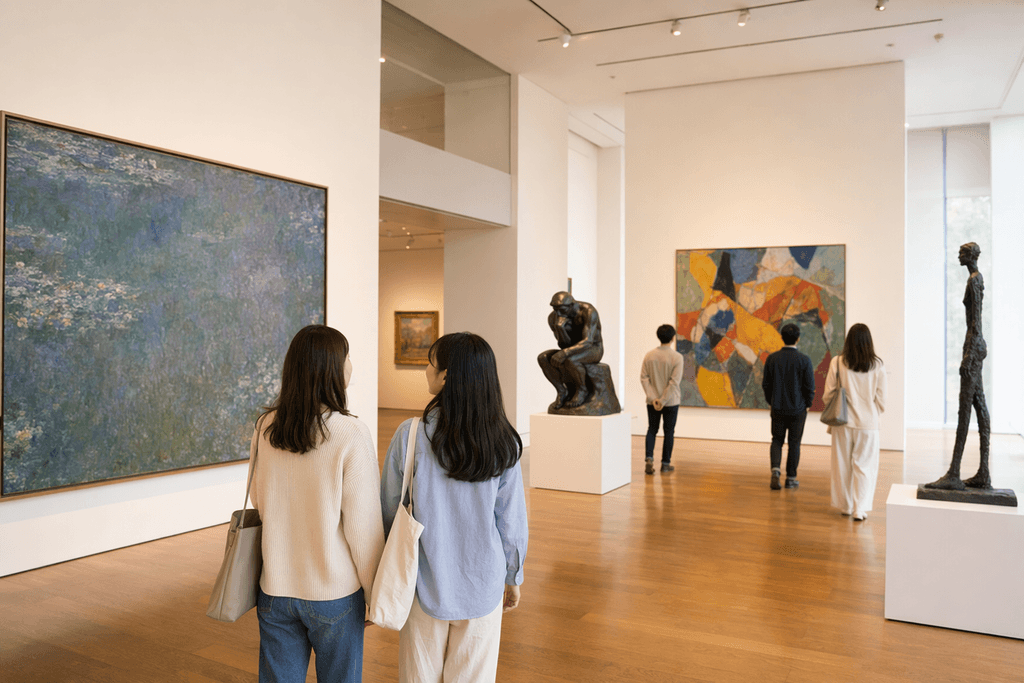
美術館
พิพิธภัณฑ์ศิลปะ
美術館
พิพิธภัณฑ์ศิลปะ
Explanation
美術館
พิพิธภัณฑ์ศิลปะ
美術館
พิพิธภัณฑ์ศิลปะ / หอศิลป์ (พิพิธภัณฑ์)
( Base form )
( romanization )
( hiragana )
Loading...

JLPT N4 多言語単語帳・631語 / JLPT N4 Multilingual Vocabulary: 631 Words

Jonathan Waller 氏の JLPT Resources の語彙リスト・レベル分類を出典とし、CC BY の条件に従って DiQt が初級向けに意味を作り直した631語の単語帳です。JLPT公式の語彙リストではありません。
This collection of 631 words is based on the vocabulary list and level classifications in Jonathan Waller’s JLPT Resources under CC BY, with meanings rewritten by DiQt for beginners. It is not an official JLPT vocabulary list.
Key Operations
Select the first quiz:
Ctrl + Enter
View Explanation:Ctrl + G
Close a feedback:Esc
When selecting a quiz
Answer:Enter
Select a choice:↓ or ↑
Reading out the question:Ctrl + K
View Hint: Ctrl + M
I don't know: Ctrl + Y



