
JLPT N4 แบบฝึกหัดความหมายคำศัพท์ - Unsolved

เรียนรู้ความหมายภาษาไทยของคำศัพท์ JLPT N4 จำนวน 631 คำด้วยคำถามแบบ 4 ตัวเลือก
-
ด้านหลัง
-
วิธีการ
-
ดวงจันทร์
-
ความยินยอม
-
เลือด
-
เครา / หนวด
-
อาคารสองชั้น
-
เครื่องคิดเงิน
-
อิสรภาพ
-
ต้มน้ำ
-
ให้
-
หัก / พับ
- 命令形は「似ろ」が一般的で、「似よ」はやや文語的です。
-
งานพิเศษ
-
เศรษฐกิจ / การเงิน
-
การคัดค้าน / สิ่งตรงกันข้าม
-
อร่อย / เก่ง
-
ได้
-
เหงา
-
ให้
-
ก่อสร้าง
-
ออกอากาศ
-
แย่มาก
-
แปลก / ตลก
-
ยอดเยี่ยม
-
โรงเรียนมัธยมต้น
-
เด็ก
-
แฟกซ์
-
ว่างลง
-
แยกจากกัน / เลิกกัน
-
พักค้างคืน
- 「死ぬ」の婉曲・丁寧な表現。
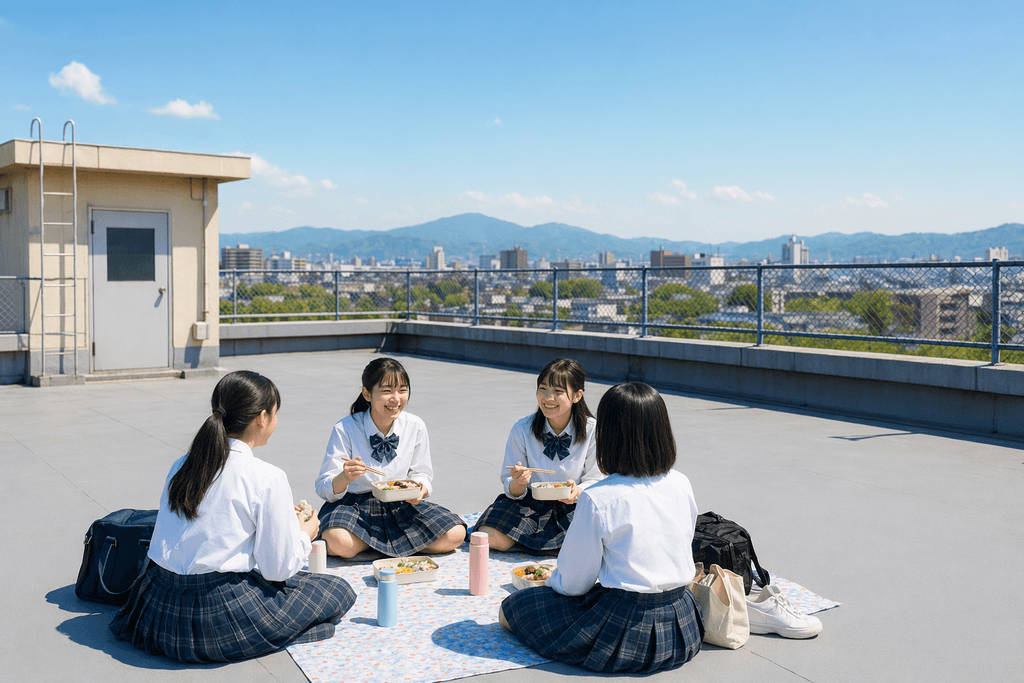
屋上
ดาดฟ้า
屋上
ดาดฟ้า
Explanation
屋上
ดาดฟ้า
屋上
ดาดฟ้า / หลังคาอาคาร / ชั้นดาดฟ้าของอาคาร
( Base form )
( romanization )
( romanization )
( hiragana historical )
( hiragana )
おかげ
ด้วยความช่วยเหลือของ
おかげ
ด้วยความช่วยเหลือของ
Explanation
ด้วยความช่วยเหลือของ
おかげ
พระคุณ; ความเมตตา / ความช่วยเหลือ; การอุปถัมภ์ / อิทธิพล (ที่เป็นเหตุให้เกิดผลดี)

( romanization )
小学校
โรงเรียนประถม
小学校
โรงเรียนประถม
Explanation
小学校
โรงเรียนประถม
小学校
โรงเรียนประถมศึกษา / โรงเรียนระดับประถม

( Base form )
( romanization )
( counter )
( kyūjitai )
( hiragana )
似る
คล้าย
似る
คล้าย
Explanation
似る
คล้าย
似る
คล้าย (กัน) / เหมือน / มีลักษณะใกล้เคียงกัน

Word Forms
The basic and commonly used forms of this verb.
Basic forms
| Form | Word form | Usage |
|---|---|---|
| Imperfective form (mizenkei) |
Alternative:
似よ
|
Connects to endings such as nai, reru, and seru. |
| Continuative form (renyokei) | Connects to endings such as masu, tai, and ta. | |
| Conclusive form (shushikei) | Ends a sentence and serves as the dictionary form. | |
| Attributive form (rentaikei) | Modifies a noun. | |
| Conditional form (kateikei) | Combines with ba to express a condition. | |
| Imperative form (meireikei) |
Alternative:
似よ
|
Expresses a command or instruction. |
Common forms
| Form | Word form | Usage |
|---|---|---|
| Te-form | Connects clauses with te. | |
| Ta-form | Expresses the past with ta. | |
| Nai-form | Expresses negation with nai. | |
| Masu-form | Used for polite speech. | |
| Ba-form | Expresses a condition with ba. | |
| Volitional form | Expresses intention or invitation. |
Notes
地理
ภูมิศาสตร์
地理
ภูมิศาสตร์
Explanation
地理
ภูมิศาสตร์
地理
ภูมิศาสตร์ / ลักษณะภูมิประเทศ / ภูมิประเทศ

( Base form )
( romanization )
( hiragana )
厳しい
เข้มงวด
厳しい
เข้มงวด
Explanation
厳しい
เข้มงวด
厳しい
เข้มงวด เคร่งครัด / รุนแรง โหดร้าย ไม่ปรานี / ยากลำบาก หนักหน่วง

Word Forms
The basic and commonly used forms of this adjective.
Basic forms
| Form | Word form | Usage |
|---|---|---|
| Imperfective form (mizenkei) | Used in forms such as karou; mainly literary. | |
| Continuative form (renyokei) |
Alternative:
厳しかっ
|
Used in forms such as kute and kunai. |
| Conclusive form (shushikei) | Ends a sentence. | |
| Attributive form (rentaikei) | Modifies a noun. | |
| Conditional form (kateikei) | Expresses a condition with kereba. | |
| Imperative form (meireikei) | Rarely used in modern Japanese. |
Common forms
増える
เพิ่มขึ้น
増える
เพิ่มขึ้น
Explanation
増える
เพิ่มขึ้น
増える
เพิ่มขึ้น / มากขึ้น / ทวีขึ้น

Word Forms
The basic and commonly used forms of this verb.
Basic forms
| Form | Word form | Usage |
|---|---|---|
| Imperfective form (mizenkei) | Connects to endings such as nai, reru, and seru. | |
| Continuative form (renyokei) | Connects to endings such as masu, tai, and ta. | |
| Conclusive form (shushikei) | Ends a sentence and serves as the dictionary form. | |
| Attributive form (rentaikei) | Modifies a noun. | |
| Conditional form (kateikei) | Combines with ba to express a condition. | |
| Imperative form (meireikei) |
Alternative:
増えよ
|
Expresses a command or instruction. |
Common forms
浅い
ตื้น
浅い
ตื้น
Explanation
浅い
ตื้น
浅い
ตื้น / ลึกไม่มาก / ตื้นเขิน

Word Forms
The basic and commonly used forms of this adjective.
Basic forms
| Form | Word form | Usage |
|---|---|---|
| Imperfective form (mizenkei) | Used in forms such as karou; mainly literary. | |
| Continuative form (renyokei) |
Alternative:
浅かっ
|
Used in forms such as kute and kunai. |
| Conclusive form (shushikei) | Ends a sentence. | |
| Attributive form (rentaikei) | Modifies a noun. | |
| Conditional form (kateikei) | Expresses a condition with kereba. | |
| Imperative form (meireikei) | Rarely used in modern Japanese. |
Common forms
承知
ความยินยอม
承知
ความยินยอม
Explanation
承知
ความยินยอม
承知
การยินยอม, การตกลง / การอนุญาต / การรับรู้, ความเข้าใจ

( Base form )
( romanization )
( hiragana )
亡くなる
เสียชีวิต
亡くなる
เสียชีวิต
Explanation
亡くなる
เสียชีวิต
亡くなる
เสียชีวิต (สุภาพ) / ถึงแก่กรรม / จากไป

Word Forms
The basic and commonly used forms of this verb.
Basic forms
| Form | Word form | Usage |
|---|---|---|
| Imperfective form (mizenkei) |
Alternative:
亡くなろ
|
Connects to endings such as nai, reru, and seru. |
| Continuative form (renyokei) |
Alternative:
亡くなっ
|
Connects to endings such as masu, tai, and ta. |
| Conclusive form (shushikei) | Ends a sentence and serves as the dictionary form. | |
| Attributive form (rentaikei) | Modifies a noun. | |
| Conditional form (kateikei) | Combines with ba to express a condition. | |
| Imperative form (meireikei) | Expresses a command or instruction. |
Common forms
| Form | Word form | Usage |
|---|---|---|
| Te-form | Connects clauses with te. | |
| Ta-form | Expresses the past with ta. | |
| Nai-form | Expresses negation with nai. | |
| Masu-form | Used for polite speech. | |
| Ba-form | Expresses a condition with ba. | |
| Volitional form | Expresses intention or invitation. |
Notes
Loading...

JLPT N4 多言語単語帳・631語 / JLPT N4 Multilingual Vocabulary: 631 Words

Jonathan Waller 氏の JLPT Resources の語彙リスト・レベル分類を出典とし、CC BY の条件に従って DiQt が初級向けに意味を作り直した631語の単語帳です。JLPT公式の語彙リストではありません。
This collection of 631 words is based on the vocabulary list and level classifications in Jonathan Waller’s JLPT Resources under CC BY, with meanings rewritten by DiQt for beginners. It is not an official JLPT vocabulary list.
Key Operations
Select the first quiz:
Ctrl + Enter
View Explanation:Ctrl + G
Close a feedback:Esc
When selecting a quiz
Answer:Enter
Select a choice:↓ or ↑
Reading out the question:Ctrl + K
View Hint: Ctrl + M
I don't know: Ctrl + Y



