
JLPT N5 शब्दार्थ अभ्यास - Unsolved

चार विकल्प भएका प्रश्नबाट JLPT N5 का 665 शब्दका अर्थ नेपालीमा सिक्नुहोस्।
-
पोखरी
-
उत्तर
-
सङ्गीत
-
टाउको
-
स्टेसन
-
मुख
-
सुविधाजनक
-
मन नपर्ने
-
मजबुत / स्वस्थ
- 「下手」はナ形容詞(形容動詞)として活用する。
- 対象は一般に「〜が下手だ」で表す。
-
झ्याल
-
काका / अधबैंसे पुरुष
-
दस हजार
-
फलफूल र तरकारी पसल
-
फुर्सद
-
व्यक्ति
-
सिधा अगाडि
-
चहलपहल भएको
-
सिपालु
- 見出し語「いや」は通常かな表記も多いが、漢字表記「嫌」に基づく活用形も併記。
- 形容動詞としての活用。連用形には接続により「嫌で」「嫌に」がある。
-
बीस दिन / महिनाको बीस गते
-
रक्सी / जापानी चामलको रक्सी
-
हिजो राति
-
पर्खनु
-
शावरमा नुहाउनु
-
आउनु
-
खरानीदानी
-
शब्द / भाषा
-
महिला
-
नजिकै
-
पहिल्यै
-
हरेक रात
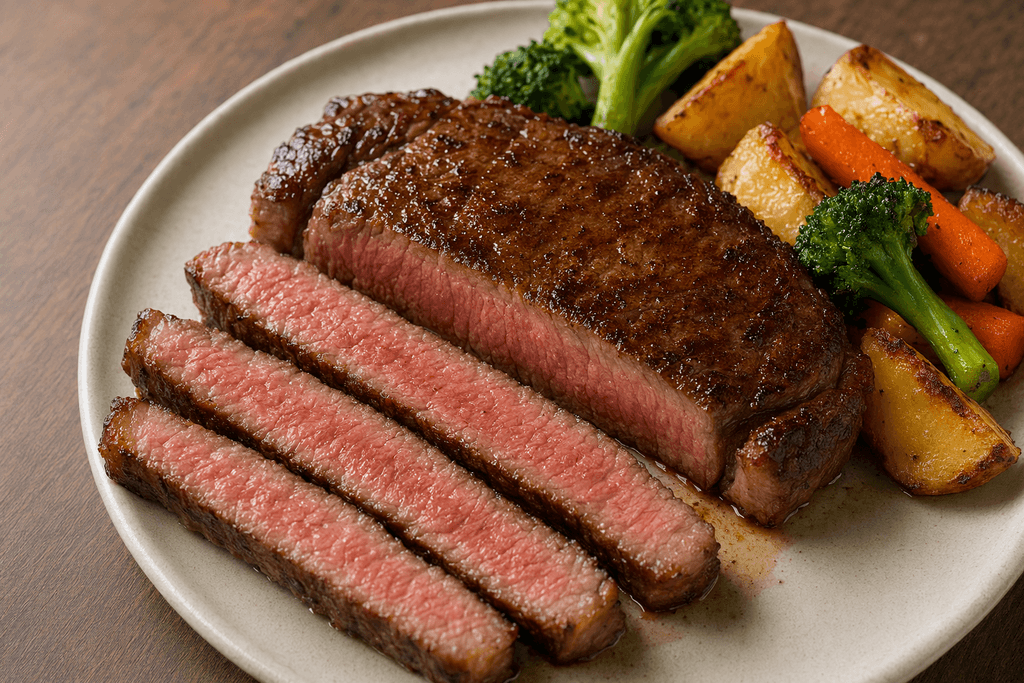
肉
मासु
肉
मासु
Explanation
肉
मासु
肉
मासु / शरीरको मासु
( romanization )
( hiragana )
朝
बिहान
朝
बिहान
Explanation
朝
बिहान
朝
बिहान / प्रातःकाल / प्रभात

下手
सिप नभएको
下手
सिप नभएको
Explanation
下手
सिप नभएको
下手
अकुशल / सीपमा कमजोर / अनाडी

Word Forms
The basic and commonly used forms of this adjectival noun.
Basic forms
| Form | Word form | Usage |
|---|---|---|
| Imperfective form (mizenkei) |
Alternative:
下手でしょ
|
Used in forms such as darou. |
| Continuative form (renyokei) |
Alternative:
下手に
|
Used with de or ni. |
| Conclusive form (shushikei) |
Alternative:
下手です
|
Ends a sentence with da. |
| Attributive form (rentaikei) | Modifies a noun with na. | |
| Conditional form (kateikei) |
Alternative:
下手であれば
|
Expresses a condition with nara. |
| Imperative form (meireikei) | Used in formal expressions such as de are. |
Common forms
| Form | Word form | Usage |
|---|---|---|
| Te-form equivalent | Connects clauses using de. | |
| Ta-form |
Alternative:
下手でした
|
Expresses the past with datta. |
| Nai-form |
Alternative:
下手じゃない
|
Expresses negation with dewa nai or ja nai. |
| Desu-form | Used for polite speech. |
Notes
結婚
विवाह
結婚
विवाह
Explanation
結婚
विवाह
結婚
विवाह / शादी

( Base form )
( romanization )
( hiragana )
北
उत्तर
北
उत्तर
Explanation
北
उत्तर
北
उत्तर (दिशा) / उत्तर भाग/उत्तरी क्षेत्र / उत्तरतर्फ

( romanization )
( hiragana )
いや
मन नपर्ने
いや
मन नपर्ने
Explanation
मन नपर्ने
いや
अप्रिय / घृणित / आपत्तिजनक

Word Forms
The basic and commonly used forms of this adjectival noun.
Basic forms
| Form | Word form | Usage |
|---|---|---|
| Imperfective form (mizenkei) |
Alternative:
いやだろ
|
Used in forms such as darou. |
| Continuative form (renyokei) |
Alternative:
いやで
嫌に
いやに
|
Used with de or ni. |
| Conclusive form (shushikei) |
Alternative:
いやだ
|
Ends a sentence with da. |
| Attributive form (rentaikei) |
Alternative:
いやな
|
Modifies a noun with na. |
| Conditional form (kateikei) |
Alternative:
いやなら
|
Expresses a condition with nara. |
| Imperative form (meireikei) |
Alternative:
いやであれ
|
Used in formal expressions such as de are. |
Common forms
| Form | Word form | Usage |
|---|---|---|
| Te-form equivalent |
Alternative:
いやで
|
Connects clauses using de. |
| Ta-form |
Alternative:
いやだった
|
Expresses the past with datta. |
| Nai-form |
Alternative:
いやではない
嫌じゃない
いやじゃない
|
Expresses negation with dewa nai or ja nai. |
| Desu-form |
Alternative:
いやです
|
Used for polite speech. |
Notes
病気
रोग
病気
रोग
Explanation
病気
रोग
病気
रोग / बिमारी / अस्वस्थता

( Base form )
( romanization )
( romanization )
( kyūjitai )
( hiragana historical )
( hiragana )
曇る
बादल लाग्नु
曇る
बादल लाग्नु
Explanation
曇る
बादल लाग्नु
曇る
बादल लाग्नु / आकाश धुम्मिनु

Word Forms
The basic and commonly used forms of this verb.
Basic forms
| Form | Word form | Usage |
|---|---|---|
| Imperfective form (mizenkei) |
Alternative:
曇ろ
|
Connects to endings such as nai, reru, and seru. |
| Continuative form (renyokei) | Connects to endings such as masu, tai, and ta. | |
| Conclusive form (shushikei) | Ends a sentence and serves as the dictionary form. | |
| Attributive form (rentaikei) | Modifies a noun. | |
| Conditional form (kateikei) | Combines with ba to express a condition. | |
| Imperative form (meireikei) | Expresses a command or instruction. |
Common forms
封筒
खाम
封筒
खाम
Explanation
封筒
खाम
封筒
खाम / पत्र वा कागज राख्ने आवरण / डाक पठाउन प्रयोग हुने खाम

( Base form )
( romanization )
( hiragana )
すぐに
तुरुन्तै
すぐに
तुरुन्तै
Explanation
तुरुन्तै
すぐに
तुरुन्तै / तत्काल / एक्कैछिनमै

( romanization )
Loading...

JLPT N5 多言語単語帳・665語 / JLPT N5 Multilingual Vocabulary: 665 Words

Jonathan Waller 氏の JLPT Resources の語彙リスト・レベル分類を出典とし、CC BY の条件に従って DiQt が初級向けに意味を作り直した665語の単語帳です。JLPT公式の語彙リストではありません。
This collection of 665 words is based on the vocabulary list and level classifications in Jonathan Waller’s JLPT Resources under CC BY, with meanings rewritten by DiQt for beginners. It is not an official JLPT vocabulary list.
Key Operations
Select the first quiz:
Ctrl + Enter
View Explanation:Ctrl + G
Close a feedback:Esc
When selecting a quiz
Answer:Enter
Select a choice:↓ or ↑
Reading out the question:Ctrl + K
View Hint: Ctrl + M
I don't know: Ctrl + Y



