
JLPT N5 शब्दार्थ अभ्यास - Unsolved

चार विकल्प भएका प्रश्नबाट JLPT N5 का 665 शब्दका अर्थ नेपालीमा सिक्नुहोस्।
-
बिरालो
-
बाकस
-
दुई
-
रमाइलो
-
सानो
-
खतरनाक
- イ形容詞。命令形「寒かれ」は現代語では稀。
-
पातलो / फिका
-
ठूलो
-
व्यस्त
- 「丸い」とも表記する。
- 命令形「まるかれ」は現代語では稀。
-
नीलो
-
तातो
-
फराकिलो / चौडा
- 「早う」は連用形のウ音便で、丁寧表現などで用いられることがあります。
-
ग्रीष्म ऋतु
-
आमा
-
चोक
-
छ दिन / महिनाको छ गते
-
आवाज
-
तरकारी
-
यता / यो व्यक्ति
-
त्यो
-
कतिवटा / कति वर्षको
-
कोही
-
त्यो
-
कहाँ
-
ठूलो
-
कुन
-
त्यो
-
पहेंलो
-
जवान
-
फोहोर
- イ形容詞。命令形「黒かれ」は現代語では稀。
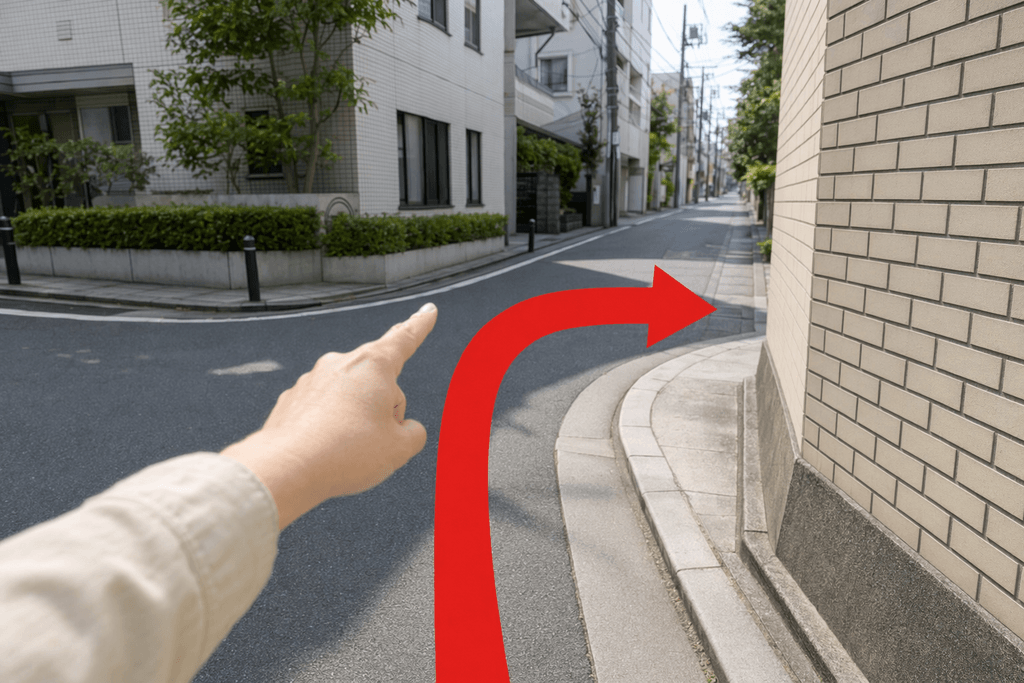
右
दायाँ
右
दायाँ
Explanation
右
दायाँ
右
दायाँ (दिशा) / उपर्युक्त (ठाडो लेखाइमा) / दक्षिणपन्थ/दक्षिणपन्थी (राजनीति)
( romanization )
( hiragana )
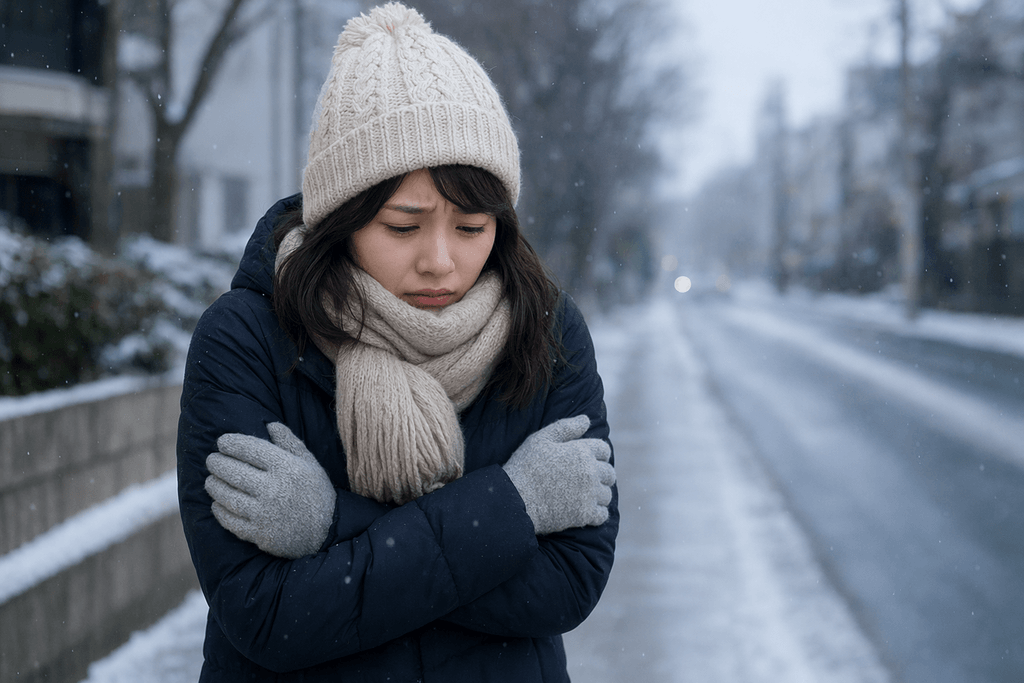
寒い
जाडो
寒い
जाडो
Explanation
寒い
जाडो
寒い
चिसो (मौसम/हावापानी) / जाडो
Word Forms
The basic and commonly used forms of this adjective.
Basic forms
| Form | Word form | Usage |
|---|---|---|
| Imperfective form (mizenkei) |
Alternative:
寒から
|
Used in forms such as karou; mainly literary. |
| Continuative form (renyokei) |
Alternative:
寒かっ
|
Used in forms such as kute and kunai. |
| Conclusive form (shushikei) | Ends a sentence. | |
| Attributive form (rentaikei) | Modifies a noun. | |
| Conditional form (kateikei) | Expresses a condition with kereba. | |
| Imperative form (meireikei) | Rarely used in modern Japanese. |
Common forms
| Form | Word form | Usage |
|---|---|---|
| Te-form | Connects clauses with kute. | |
| Ta-form | Expresses the past with katta. | |
| Nai-form | Expresses negation with kunai. | |
| Ba-form | Expresses a condition with kereba. |
Notes
まるい
गोलो
まるい
गोलो
Explanation
गोलो
まるい
गोलो; वृत्ताकार / (मानिस) सौम्य स्वभावको

Word Forms
The basic and commonly used forms of this adjective.
Basic forms
| Form | Word form | Usage |
|---|---|---|
| Imperfective form (mizenkei) |
Alternative:
丸かろ
|
Used in forms such as karou; mainly literary. |
| Continuative form (renyokei) |
Alternative:
丸く
まるかっ
丸かっ
|
Used in forms such as kute and kunai. |
| Conclusive form (shushikei) |
Alternative:
丸い
|
Ends a sentence. |
| Attributive form (rentaikei) |
Alternative:
丸い
|
Modifies a noun. |
| Conditional form (kateikei) |
Alternative:
丸けれ
|
Expresses a condition with kereba. |
| Imperative form (meireikei) |
Alternative:
丸かれ
|
Rarely used in modern Japanese. |
Common forms
| Form | Word form | Usage |
|---|---|---|
| Te-form |
Alternative:
丸くて
|
Connects clauses with kute. |
| Ta-form |
Alternative:
丸かった
|
Expresses the past with katta. |
| Nai-form |
Alternative:
丸くない
|
Expresses negation with kunai. |
| Ba-form |
Alternative:
丸ければ
|
Expresses a condition with kereba. |
Notes
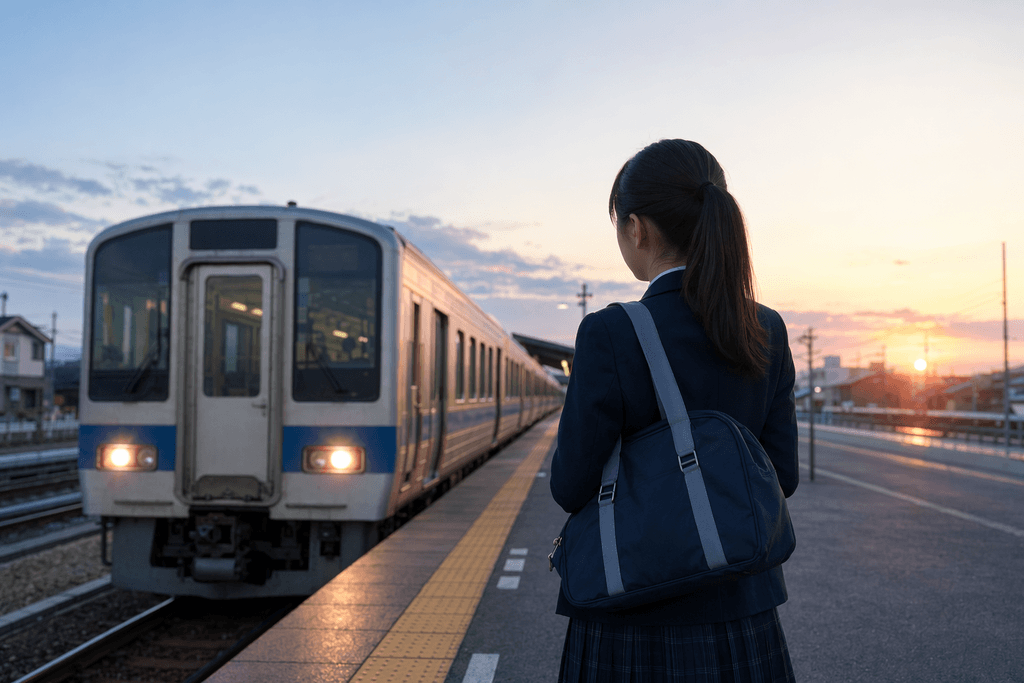
早い
चाँडो
早い
चाँडो
Explanation
早い
चाँडो
早い
समयभन्दा अगाडि भएको / प्रारम्भिक / शुरुमै हुने
Word Forms
The basic and commonly used forms of this adjective.
Basic forms
| Form | Word form | Usage |
|---|---|---|
| Imperfective form (mizenkei) | Used in forms such as karou; mainly literary. | |
| Continuative form (renyokei) |
Alternative:
早かっ
早う
|
Used in forms such as kute and kunai. |
| Conclusive form (shushikei) | Ends a sentence. | |
| Attributive form (rentaikei) | Modifies a noun. | |
| Conditional form (kateikei) | Expresses a condition with kereba. | |
| Imperative form (meireikei) | Rarely used in modern Japanese. |
Common forms
| Form | Word form | Usage |
|---|---|---|
| Te-form | Connects clauses with kute. | |
| Ta-form | Expresses the past with katta. | |
| Nai-form | Expresses negation with kunai. | |
| Ba-form | Expresses a condition with kereba. |
Notes
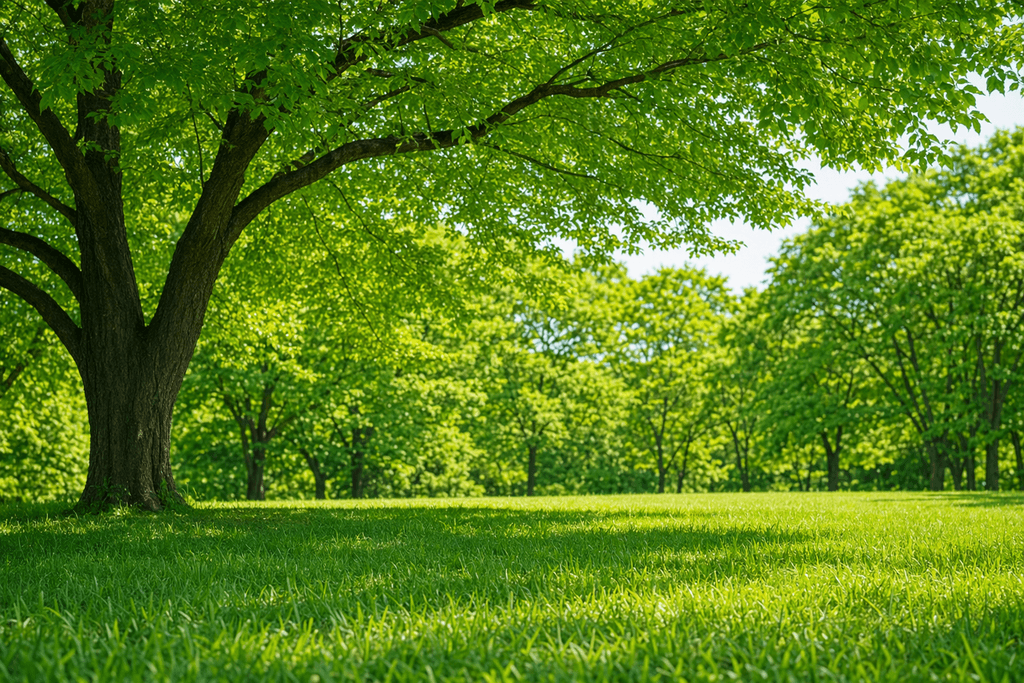
緑
हरियो
緑
हरियो
Explanation
緑
हरियो
緑
हरियो रङ / हरियाली (हरियो वनस्पति)
( romanization )
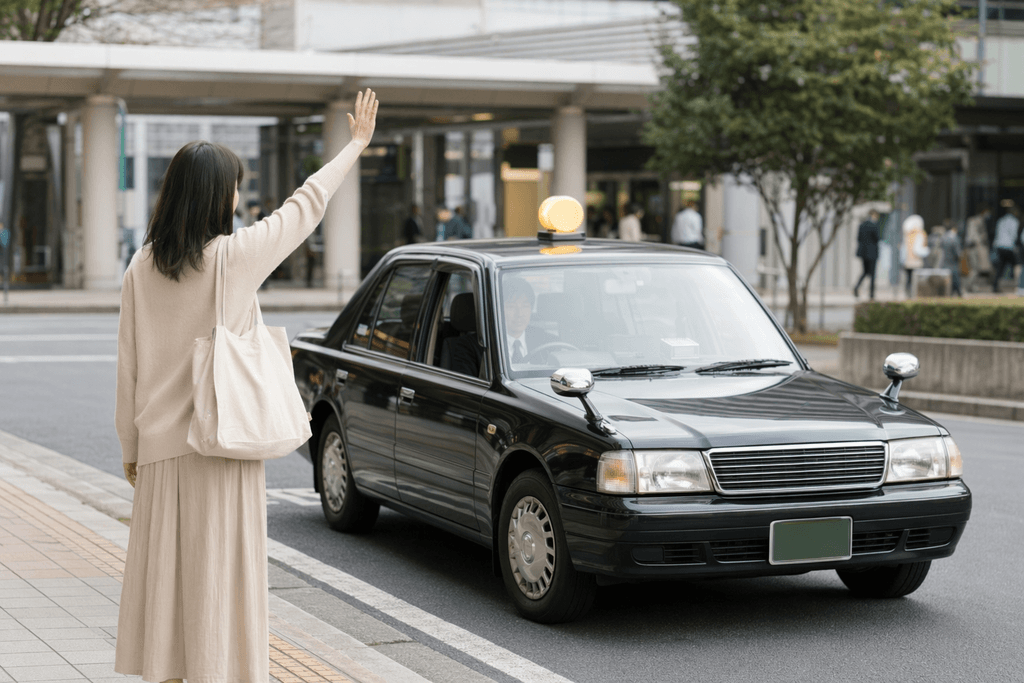
タクシー
ट्याक्सी
タクシー
ट्याक्सी
Explanation
ट्याक्सी
タクシー
भाडामा यात्रु ओसार्ने सानो कार / बोलाएर चढ्ने भाडाको सवारी
( romanization )
( counter )
そこ
त्यहाँ
そこ
त्यहाँ
Explanation
त्यहाँ
そこ
त्यहाँ / त्यो ठाउँ / सो स्थान

( romanization )
あっち
उता
あっち
उता
Explanation
उता
あっち
उता / त्यतैतिर / त्यो (वस्तु वा व्यक्ति)

( romanization )
この
यो
この
यो
Explanation
यो
この
यो / यही / यस

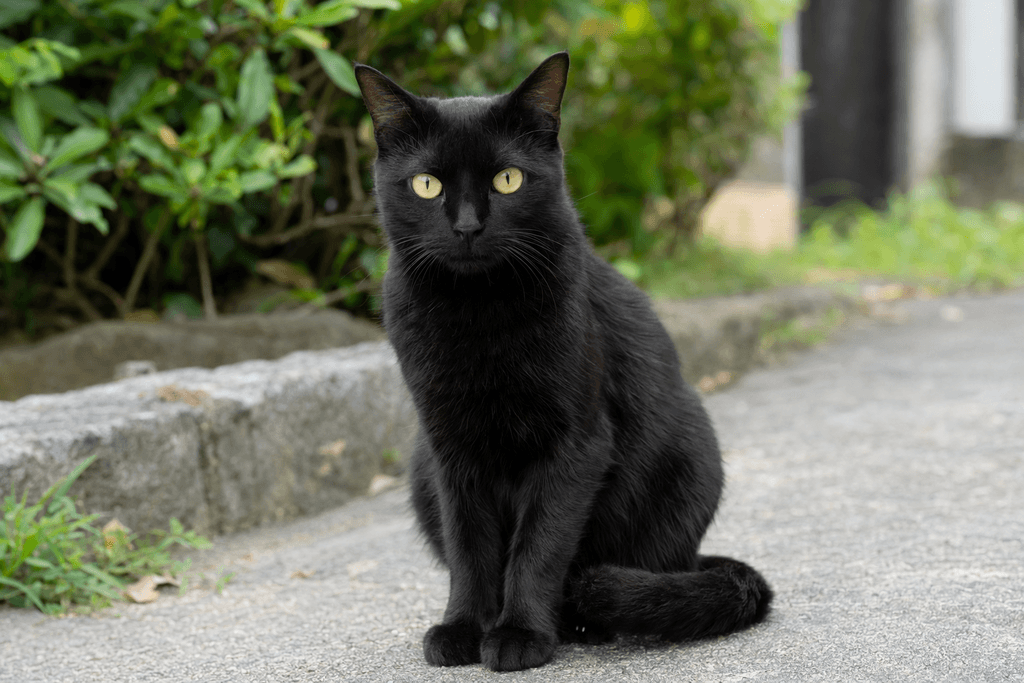
黒い
कालो
黒い
कालो
Explanation
黒い
कालो
黒い
कालो (रङ्गको) / अँध्यारो; गाढा रङ्गको
Word Forms
The basic and commonly used forms of this adjective.
Basic forms
| Form | Word form | Usage |
|---|---|---|
| Imperfective form (mizenkei) | Used in forms such as karou; mainly literary. | |
| Continuative form (renyokei) |
Alternative:
黒かっ
|
Used in forms such as kute and kunai. |
| Conclusive form (shushikei) | Ends a sentence. | |
| Attributive form (rentaikei) | Modifies a noun. | |
| Conditional form (kateikei) | Expresses a condition with kereba. | |
| Imperative form (meireikei) | Rarely used in modern Japanese. |
Common forms
| Form | Word form | Usage |
|---|---|---|
| Te-form | Connects clauses with kute. | |
| Ta-form | Expresses the past with katta. | |
| Nai-form | Expresses negation with kunai. | |
| Ba-form | Expresses a condition with kereba. |
Notes
Loading...

JLPT N5 多言語単語帳・665語 / JLPT N5 Multilingual Vocabulary: 665 Words

Jonathan Waller 氏の JLPT Resources の語彙リスト・レベル分類を出典とし、CC BY の条件に従って DiQt が初級向けに意味を作り直した665語の単語帳です。JLPT公式の語彙リストではありません。
This collection of 665 words is based on the vocabulary list and level classifications in Jonathan Waller’s JLPT Resources under CC BY, with meanings rewritten by DiQt for beginners. It is not an official JLPT vocabulary list.
Key Operations
Select the first quiz:
Ctrl + Enter
View Explanation:Ctrl + G
Close a feedback:Esc
When selecting a quiz
Answer:Enter
Select a choice:↓ or ↑
Reading out the question:Ctrl + K
View Hint: Ctrl + M
I don't know: Ctrl + Y



