
JLPT N4: Latihan arti kata - Unsolved

Pelajari arti 631 kata JLPT N4 dalam bahasa Indonesia melalui soal dengan empat pilihan jawaban.
-
pameran
-
kepala seksi
-
kondisi / kesehatan
-
rasa sungkan
-
kegagalan / kesalahan
-
pengemudi
-
janggut / kumis
-
persetujuan
-
darah
-
bergegas
-
menghentikan
-
menurunkan / menggantung
-
cabang pohon
-
malam ini
-
tikar tatami
-
menjadi kosong
-
bersantap
-
berganti kendaraan
-
memutuskan
-
roboh
-
menjadi basah
-
memulai
-
bernama / mengatakan
-
merundung
-
istri
-
olahraga
-
menikmati bunga sakura
-
sekuat tenaga
-
dengan jelas
-
lumayan / tidak mudah
今夜
malam ini
今夜
malam ini
Explanation
今夜
malam ini
今夜
malam ini / sore ini

( Base form )
( romanization )
( hiragana )
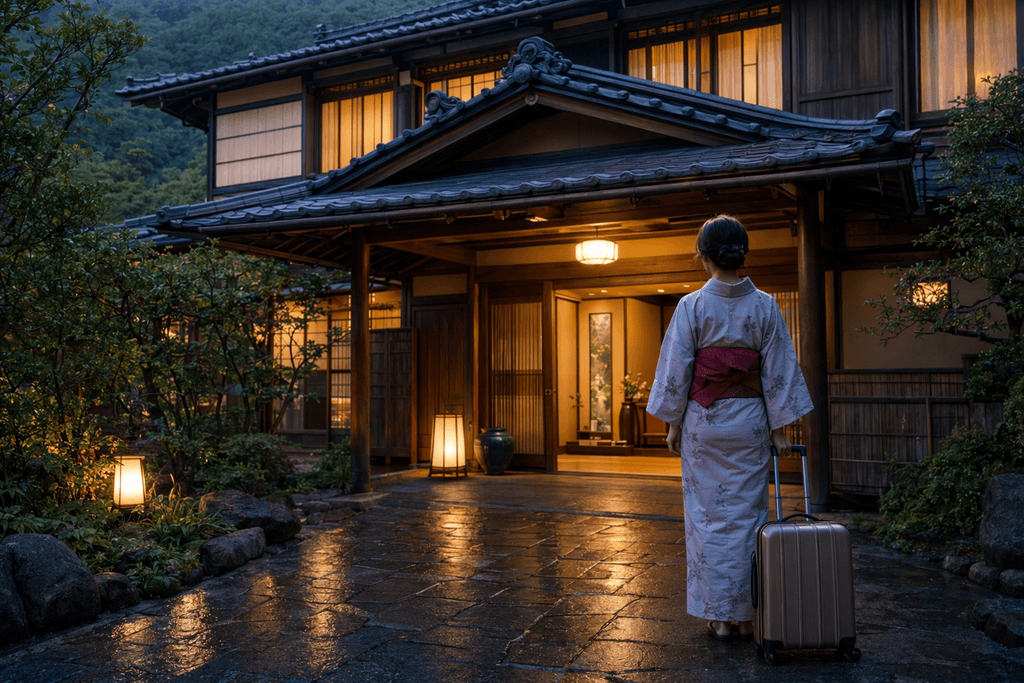
旅館
penginapan khas Jepang
旅館
penginapan khas Jepang
Explanation
旅館
penginapan khas Jepang
旅館
penginapan tradisional Jepang / hotel bergaya tradisional Jepang / wisma tamu khas Jepang
( Base form )
( romanization )
( romanization )
( hiragana historical )
( hiragana )
おかげ
berkat
おかげ
berkat
Explanation
berkat
おかげ
berkat / pertolongan / pengaruh

( romanization )
祈る
berdoa
祈る
berdoa
Explanation
祈る
berdoa
祈る
berdoa / mendoakan / memohon dalam doa

Word Forms
The basic and commonly used forms of this verb.
Basic forms
| Form | Word form | Usage |
|---|---|---|
| Imperfective form (mizenkei) |
Alternative:
祈ろ
|
Connects to endings such as nai, reru, and seru. |
| Continuative form (renyokei) | Connects to endings such as masu, tai, and ta. | |
| Conclusive form (shushikei) | Ends a sentence and serves as the dictionary form. | |
| Attributive form (rentaikei) | Modifies a noun. | |
| Conditional form (kateikei) | Combines with ba to express a condition. | |
| Imperative form (meireikei) | Expresses a command or instruction. |
Common forms
歯医者
dokter gigi
歯医者
dokter gigi
Explanation
歯医者
dokter gigi
歯医者
dokter gigi / klinik gigi

( Base form )
( romanization )
( kyūjitai )
( hiragana )
折れる
patah / terlipat
折れる
patah / terlipat
Explanation
折れる
patah / terlipat
折れる
patah / patah (tulang)

Word Forms
The basic and commonly used forms of this verb.
Basic forms
| Form | Word form | Usage |
|---|---|---|
| Imperfective form (mizenkei) | Connects to endings such as nai, reru, and seru. | |
| Continuative form (renyokei) | Connects to endings such as masu, tai, and ta. | |
| Conclusive form (shushikei) | Ends a sentence and serves as the dictionary form. | |
| Attributive form (rentaikei) | Modifies a noun. | |
| Conditional form (kateikei) | Combines with ba to express a condition. | |
| Imperative form (meireikei) |
Alternative:
折れよ
|
Expresses a command or instruction. |
Common forms
出席する
menghadiri
出席する
menghadiri
Explanation
出席する
menghadiri
出席する
menghadiri / hadir

Word Forms
The basic and commonly used forms of this verb.
Basic forms
| Form | Word form | Usage |
|---|---|---|
| Imperfective form (mizenkei) |
Alternative:
出席せ
出席さ
|
Connects to endings such as nai, reru, and seru. |
| Continuative form (renyokei) | Connects to endings such as masu, tai, and ta. | |
| Conclusive form (shushikei) | Ends a sentence and serves as the dictionary form. | |
| Attributive form (rentaikei) | Modifies a noun. | |
| Conditional form (kateikei) | Combines with ba to express a condition. | |
| Imperative form (meireikei) |
Alternative:
出席せよ
|
Expresses a command or instruction. |
Common forms
| Form | Word form | Usage |
|---|---|---|
| Te-form | Connects clauses with te. | |
| Ta-form | Expresses the past with ta. | |
| Nai-form |
Alternative:
出席せぬ
|
Expresses negation with nai. |
| Masu-form | Used for polite speech. | |
| Ba-form | Expresses a condition with ba. | |
| Volitional form | Expresses intention or invitation. |
掛ける
menggantung / menelepon
掛ける
menggantung / menelepon
Explanation
掛ける
menggantung / menelepon
掛ける
menggantungkan; mengerek/menaikkan (bendera) atau menerbangkan (layang-layang) / mengalikan (bilangan) / memakai (pakaian)

Word Forms
The basic and commonly used forms of this verb.
Basic forms
| Form | Word form | Usage |
|---|---|---|
| Imperfective form (mizenkei) | Connects to endings such as nai, reru, and seru. | |
| Continuative form (renyokei) | Connects to endings such as masu, tai, and ta. | |
| Conclusive form (shushikei) | Ends a sentence and serves as the dictionary form. | |
| Attributive form (rentaikei) | Modifies a noun. | |
| Conditional form (kateikei) | Combines with ba to express a condition. | |
| Imperative form (meireikei) |
Alternative:
掛けよ
|
Expresses a command or instruction. |
Common forms
におい
bau
におい
bau
Explanation
bau
におい
aroma / bau / bau tak sedap

( romanization )
( romanization )
( hiragana historical )
いっぱい
penuh / banyak sekali
いっぱい
penuh / banyak sekali
Explanation
penuh / banyak sekali
いっぱい
banyak / penuh / melimpah

( romanization )
Loading...

JLPT N4 多言語単語帳・631語 / JLPT N4 Multilingual Vocabulary: 631 Words

Jonathan Waller 氏の JLPT Resources の語彙リスト・レベル分類を出典とし、CC BY の条件に従って DiQt が初級向けに意味を作り直した631語の単語帳です。JLPT公式の語彙リストではありません。
This collection of 631 words is based on the vocabulary list and level classifications in Jonathan Waller’s JLPT Resources under CC BY, with meanings rewritten by DiQt for beginners. It is not an official JLPT vocabulary list.
Key Operations
Select the first quiz:
Ctrl + Enter
View Explanation:Ctrl + G
Close a feedback:Esc
When selecting a quiz
Answer:Enter
Select a choice:↓ or ↑
Reading out the question:Ctrl + K
View Hint: Ctrl + M
I don't know: Ctrl + Y



