
JLPT N4: Latihan arti kata - Unsolved

Pelajari arti 631 kata JLPT N4 dalam bahasa Indonesia melalui soal dengan empat pilihan jawaban.
-
menyelidiki
-
terkejut
-
memperbaiki
-
biasanya
-
perlahan-lahan / sebentar lagi
-
lurus / tiba-tiba
-
berangkat
-
bersantap
-
mengirim
-
lokasi
-
punggung
-
laci
-
tidak pernah
-
sebegitu
-
sama sekali tidak
-
menurunkan / menggantung
-
mempertimbangkan
-
menemukan
- 「伺う」は五段活用(ワ行)の動詞。謙譲語として「尋ねる・聞く・訪問する」などの意味で用いられる。
-
bahan makanan
-
ruang penelitian / laboratorium
-
perhatian / kewaspadaan
-
direktur utama
-
penghapus
-
penyiar
-
ruang rapat
-
minat
-
pegawai negeri
-
mengekspor
-
meluncur / tergelincir
-
mengikuti ujian / mengikuti pelajaran
やめる
berhenti melakukan
やめる
berhenti melakukan
Explanation
berhenti melakukan
やめる
berhenti / menghentikan / mengundurkan diri

Word Forms
The basic and commonly used forms of this verb.
Basic forms
| Form | Word form | Usage |
|---|---|---|
| Imperfective form (mizenkei) | Connects to endings such as nai, reru, and seru. | |
| Continuative form (renyokei) | Connects to endings such as masu, tai, and ta. | |
| Conclusive form (shushikei) | Ends a sentence and serves as the dictionary form. | |
| Attributive form (rentaikei) | Modifies a noun. | |
| Conditional form (kateikei) | Combines with ba to express a condition. | |
| Imperative form (meireikei) |
Alternative:
やめよ
|
Expresses a command or instruction. |
Common forms
最も
paling
最も
paling
Explanation
最も
paling
最も
paling / yang paling / ter- (bentuk superlatif)
( Base form )
( romanization )
壊す
merusak
壊す
merusak
Explanation
壊す
merusak
壊す
merusak / menghancurkan / memecahkan

Word Forms
The basic and commonly used forms of this verb.
Basic forms
| Form | Word form | Usage |
|---|---|---|
| Imperfective form (mizenkei) |
Alternative:
壊そ
|
Connects to endings such as nai, reru, and seru. |
| Continuative form (renyokei) | Connects to endings such as masu, tai, and ta. | |
| Conclusive form (shushikei) | Ends a sentence and serves as the dictionary form. | |
| Attributive form (rentaikei) | Modifies a noun. | |
| Conditional form (kateikei) | Combines with ba to express a condition. | |
| Imperative form (meireikei) | Expresses a command or instruction. |
Common forms
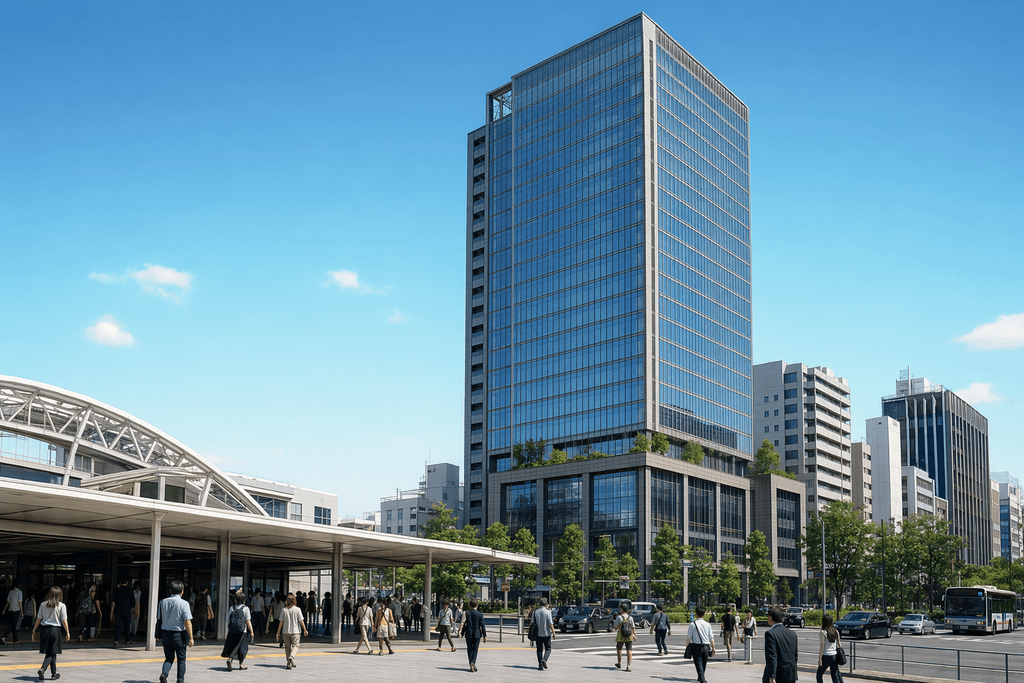
ビル
gedung
ビル
gedung
Explanation
gedung
ビル
gedung / gedung perkantoran / bangunan bertingkat
( romanization )
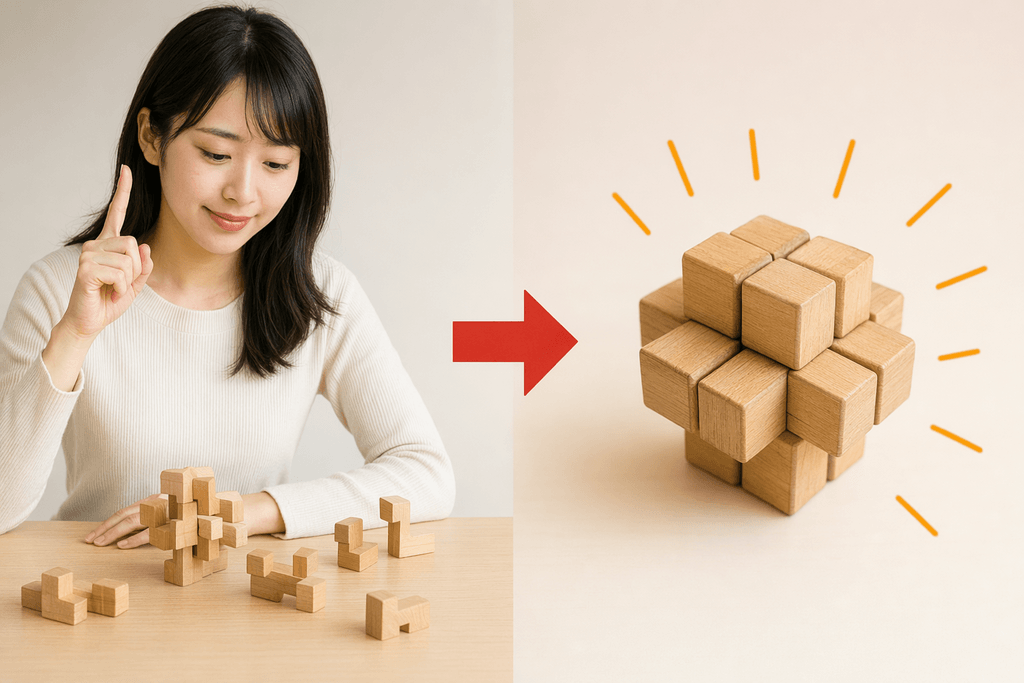
こう
begini
こう
begini
Explanation
begini
こう
begini / seperti ini / dengan cara ini
( romanization )
( romanization )
( hiragana historical )
伺う
berkunjung / bertanya
伺う
berkunjung / bertanya
Explanation
伺う
berkunjung / bertanya
伺う
(bentuk rendah) menanyakan/bertanya tentang / (bentuk rendah) mendengar/diberi tahu / (bentuk rendah) berkunjung/menemui seseorang

Word Forms
The basic and commonly used forms of this verb.
Basic forms
| Form | Word form | Usage |
|---|---|---|
| Imperfective form (mizenkei) |
Alternative:
伺お
|
Connects to endings such as nai, reru, and seru. |
| Continuative form (renyokei) | Connects to endings such as masu, tai, and ta. | |
| Conclusive form (shushikei) | Ends a sentence and serves as the dictionary form. | |
| Attributive form (rentaikei) | Modifies a noun. | |
| Conditional form (kateikei) | Combines with ba to express a condition. | |
| Imperative form (meireikei) | Expresses a command or instruction. |
Common forms
| Form | Word form | Usage |
|---|---|---|
| Te-form | Connects clauses with te. | |
| Ta-form | Expresses the past with ta. | |
| Nai-form | Expresses negation with nai. | |
| Masu-form | Used for polite speech. | |
| Ba-form | Expresses a condition with ba. | |
| Volitional form | Expresses intention or invitation. |
Notes
表
sisi depan
表
sisi depan
Explanation
表
sisi depan
表
permukaan (sisi yang terlihat) / sisi depan/muka (mis. bangunan atau koin) / bagian atau lapisan luar (tampilan/fasad)

( romanization )
( hiragana )
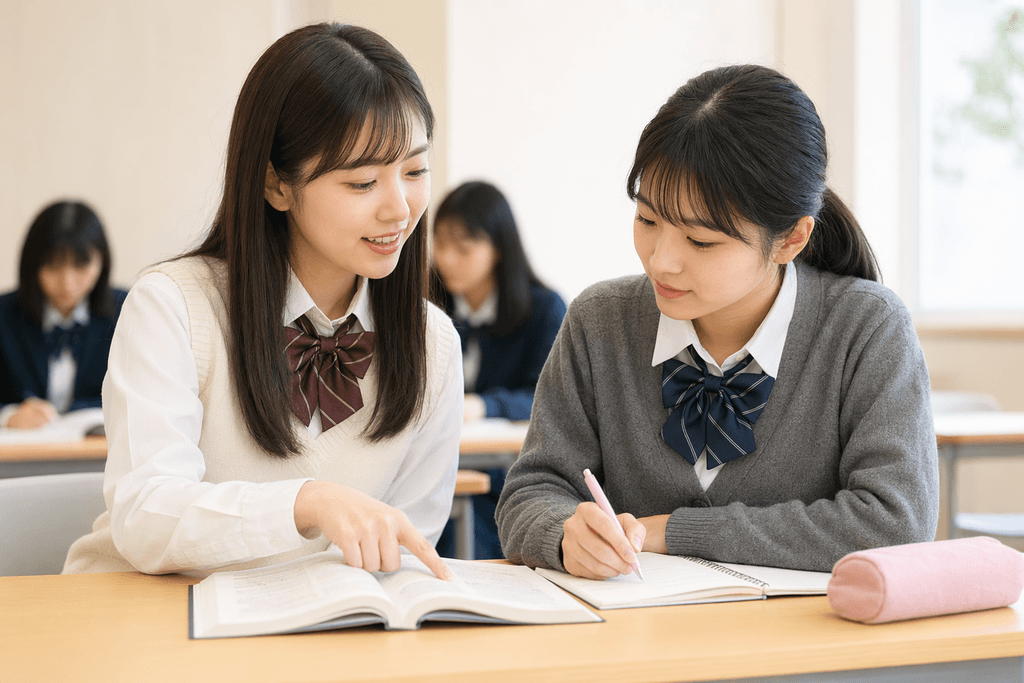
先輩
senior
先輩
senior
Explanation
先輩
senior
先輩
senior; kakak kelas / rekan kerja yang lebih dulu masuk / orang yang lebih tua/berpengalaman
( Base form )
( romanization )
( hiragana )
火事
kebakaran
火事
kebakaran
Explanation
火事
kebakaran
火事
kebakaran / peristiwa kebakaran / insiden kebakaran
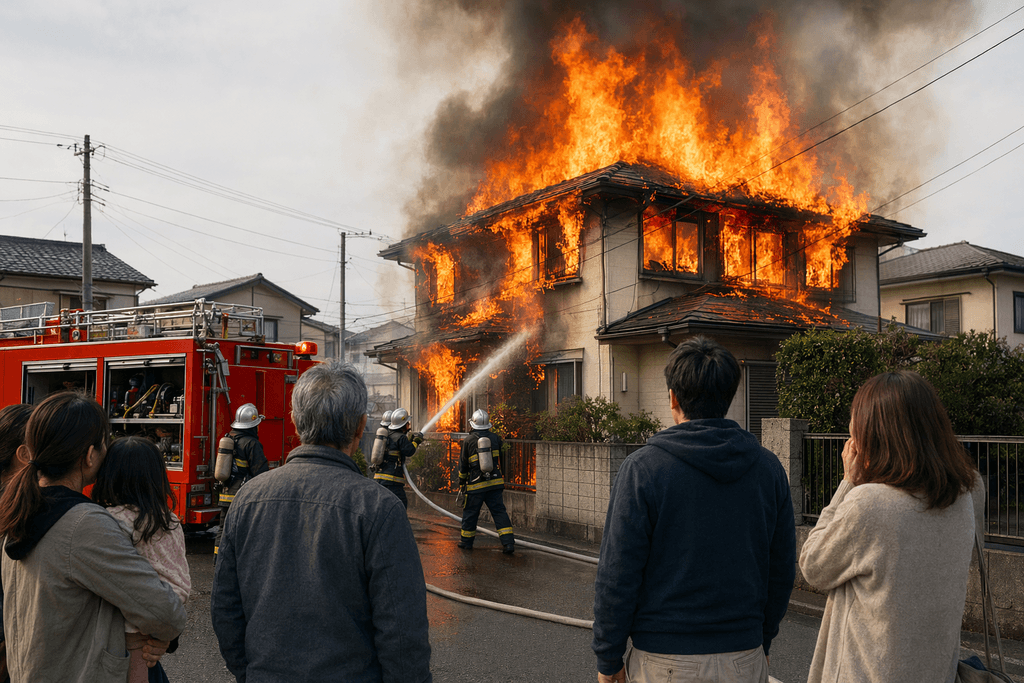
( Base form )
( romanization )
( romanization )
( hiragana historical )
( hiragana )
釣る
memancing
釣る
memancing
Explanation
釣る
memancing
釣る
memancing / menangkap ikan dengan pancing

Word Forms
The basic and commonly used forms of this verb.
Basic forms
| Form | Word form | Usage |
|---|---|---|
| Imperfective form (mizenkei) |
Alternative:
釣ろ
|
Connects to endings such as nai, reru, and seru. |
| Continuative form (renyokei) | Connects to endings such as masu, tai, and ta. | |
| Conclusive form (shushikei) | Ends a sentence and serves as the dictionary form. | |
| Attributive form (rentaikei) | Modifies a noun. | |
| Conditional form (kateikei) | Combines with ba to express a condition. | |
| Imperative form (meireikei) | Expresses a command or instruction. |
Common forms
Loading...

JLPT N4 多言語単語帳・631語 / JLPT N4 Multilingual Vocabulary: 631 Words

Jonathan Waller 氏の JLPT Resources の語彙リスト・レベル分類を出典とし、CC BY の条件に従って DiQt が初級向けに意味を作り直した631語の単語帳です。JLPT公式の語彙リストではありません。
This collection of 631 words is based on the vocabulary list and level classifications in Jonathan Waller’s JLPT Resources under CC BY, with meanings rewritten by DiQt for beginners. It is not an official JLPT vocabulary list.
Key Operations
Select the first quiz:
Ctrl + Enter
View Explanation:Ctrl + G
Close a feedback:Esc
When selecting a quiz
Answer:Enter
Select a choice:↓ or ↑
Reading out the question:Ctrl + K
View Hint: Ctrl + M
I don't know: Ctrl + Y



