
JLPT N4: Latihan arti kata - Unsolved

Pelajari arti 631 kata JLPT N4 dalam bahasa Indonesia melalui soal dengan empat pilihan jawaban.
-
kekuatan / daya
-
zaman dahulu
-
anak perempuan / nona muda
-
pengganti
-
anak perempuan
-
rumah Anda
-
enak / mahir
-
menakutkan
-
baik hati
- 「哀しい」は異表記。
-
cukup
-
serius / rajin
-
penting / berharga
-
memungut
-
diputuskan
-
berkunjung / bertanya
-
udara / suasana
-
tamu / pelanggan
-
rawat inap
-
perdagangan
-
suntikan
-
anak
-
beberapa saat
-
penuh / banyak sekali
-
paling
-
pendingin ruangan
-
halangan
-
bahan makanan
-
penginapan khas Jepang
-
perdagangan
-
kebohongan
サンドイッチ
roti lapis
サンドイッチ
roti lapis
Explanation
roti lapis
サンドイッチ
sandwich / roti lapis / roti isi
( romanization )
訳
makna / alasan
訳
makna / alasan
Explanation
訳
makna / alasan
訳
arti; makna / alasan; sebab / keadaan; situasi

( romanization )
( hiragana historical )
悲しい
sedih
悲しい
sedih
Explanation
悲しい
sedih
悲しい
sedih / pilu / murung

Word Forms
The basic and commonly used forms of this adjective.
Basic forms
| Form | Word form | Usage |
|---|---|---|
| Imperfective form (mizenkei) |
Alternative:
哀しかろ
|
Used in forms such as karou; mainly literary. |
| Continuative form (renyokei) |
Alternative:
哀しく
悲しかっ
哀しかっ
|
Used in forms such as kute and kunai. |
| Conclusive form (shushikei) |
Alternative:
哀しい
|
Ends a sentence. |
| Attributive form (rentaikei) |
Alternative:
哀しい
|
Modifies a noun. |
| Conditional form (kateikei) |
Alternative:
哀しけれ
|
Expresses a condition with kereba. |
| Imperative form (meireikei) |
Alternative:
哀しかれ
|
Rarely used in modern Japanese. |
Common forms
| Form | Word form | Usage |
|---|---|---|
| Te-form |
Alternative:
哀しくて
|
Connects clauses with kute. |
| Ta-form |
Alternative:
哀しかった
|
Expresses the past with katta. |
| Nai-form |
Alternative:
哀しくない
|
Expresses negation with kunai. |
| Ba-form |
Alternative:
哀しければ
|
Expresses a condition with kereba. |
Notes
確か
pasti / seingat saya
確か
pasti / seingat saya
Explanation
確か
pasti / seingat saya
確か
pasti / tertentu / yakin

Word Forms
The basic and commonly used forms of this adjectival noun.
Basic forms
| Form | Word form | Usage |
|---|---|---|
| Imperfective form (mizenkei) | Used in forms such as darou. | |
| Continuative form (renyokei) |
Alternative:
確かに
確かだっ
|
Used with de or ni. |
| Conclusive form (shushikei) | Ends a sentence with da. | |
| Attributive form (rentaikei) | Modifies a noun with na. | |
| Conditional form (kateikei) | Expresses a condition with nara. | |
| Imperative form (meireikei) | Used in formal expressions such as de are. |
Common forms
調べる
menyelidiki
調べる
menyelidiki
Explanation
調べる
menyelidiki
調べる
menyelidiki; memeriksa; mencari informasi / (musik) memainkan alat musik / (musik) menyetem alat musik

Word Forms
The basic and commonly used forms of this verb.
Basic forms
| Form | Word form | Usage |
|---|---|---|
| Imperfective form (mizenkei) | Connects to endings such as nai, reru, and seru. | |
| Continuative form (renyokei) | Connects to endings such as masu, tai, and ta. | |
| Conclusive form (shushikei) | Ends a sentence and serves as the dictionary form. | |
| Attributive form (rentaikei) | Modifies a noun. | |
| Conditional form (kateikei) | Combines with ba to express a condition. | |
| Imperative form (meireikei) |
Alternative:
調べよ
|
Expresses a command or instruction. |
Common forms
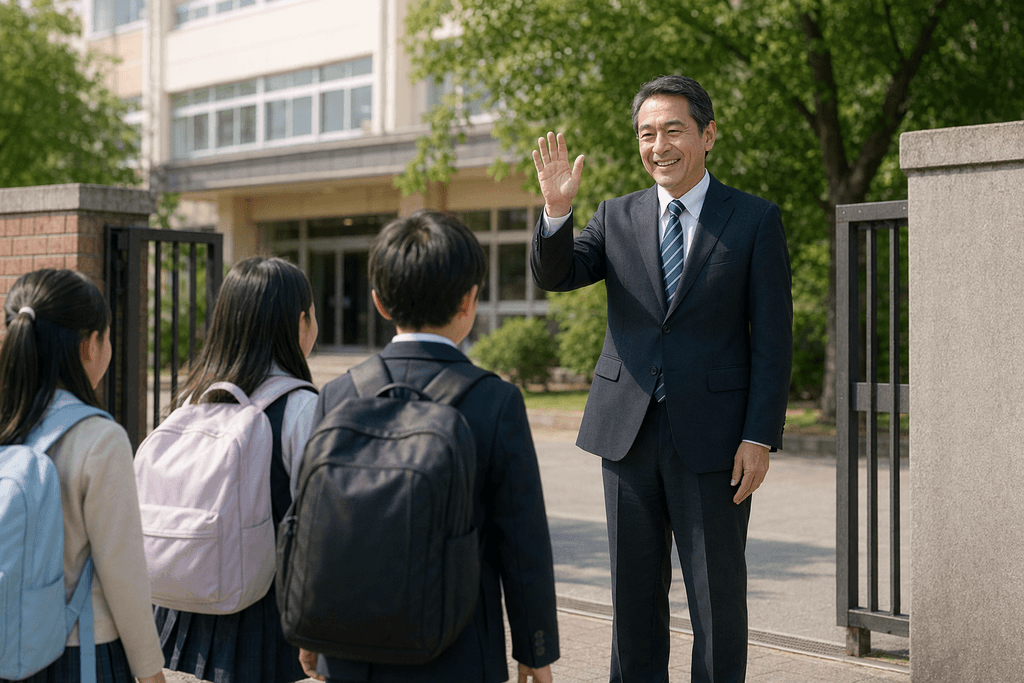
校長
kepala sekolah
校長
kepala sekolah
Explanation
校長
kepala sekolah
校長
kepala sekolah / pimpinan sekolah
( Base form )
( romanization )
( hiragana )
二階建て
bangunan dua lantai
二階建て
bangunan dua lantai
Explanation
二階建て
bangunan dua lantai
二階建て
bangunan dua lantai / bangunan bertingkat dua / rumah dua lantai

それほど
sebegitu
それほど
sebegitu
Explanation
sebegitu
それほど
sebegitu / sampai sejauh itu / sedemikian

原因
penyebab
原因
penyebab
Explanation
原因
penyebab
原因
penyebab / sebab / faktor penyebab

( Base form )
( romanization )
( hiragana )
約束
janji
約束
janji
Explanation
約束
janji
約束
janji / janji temu (pertemuan yang disepakati) / konvensi/pakem; sesuatu yang sudah ditentukan sebelumnya

( Base form )
( romanization )
( hiragana )
Loading...

JLPT N4 多言語単語帳・631語 / JLPT N4 Multilingual Vocabulary: 631 Words

Jonathan Waller 氏の JLPT Resources の語彙リスト・レベル分類を出典とし、CC BY の条件に従って DiQt が初級向けに意味を作り直した631語の単語帳です。JLPT公式の語彙リストではありません。
This collection of 631 words is based on the vocabulary list and level classifications in Jonathan Waller’s JLPT Resources under CC BY, with meanings rewritten by DiQt for beginners. It is not an official JLPT vocabulary list.
Key Operations
Select the first quiz:
Ctrl + Enter
View Explanation:Ctrl + G
Close a feedback:Esc
When selecting a quiz
Answer:Enter
Select a choice:↓ or ↑
Reading out the question:Ctrl + K
View Hint: Ctrl + M
I don't know: Ctrl + Y



