
JLPT N2 शब्दार्थ अभ्यास - Unsolved

चार विकल्प भएका प्रश्नबाट JLPT N2 का 1790 शब्दका अर्थ नेपालीमा सिक्नुहोस्।
-
भिजाउनु / डुबाउनु
-
माफी माग्नु
-
बाहिर निस्कनु
- 五段活用(カ行)。「て・た」ではイ音便になります。
-
सुरुदेखि नै
-
अनजानमै
-
झलमल्ल
-
उल्ट्याउनु
-
पक्रनु
-
दोहोरो भूमिका निभाउनु / गर्न नसक्नु
-
सुनेर दुःख लाग्यो
-
कृपया पर्खनुहोस्
-
भोजनका लागि धन्यवाद
-
झाडीको बार
-
जापानी-अङ्ग्रेजी
-
धुने पदार्थ
-
आकार
-
मानिससँग व्यवहार
-
घरबेटी
-
छपाइको अक्षर
-
थर
-
सान्द्रता / रङको गाढापन
-
छेउ लाग्नु
-
बाङ्गिनु
-
तैराउनु / भाव झल्काउनु
-
पलङ / रेलको सुत्ने सिट
-
समानता / बराबर चिह्न
-
वरपरको क्षेत्र
-
शीर्षक / समाचार शीर्षक
-
ओसिलोपन
-
साँझको घाम
焚く
आगो बाल्नु
焚く
आगो बाल्नु
Explanation
焚く
आगो बाल्नु
焚く
जलाउनु / स्नानको पानी तताउनु / (फोटोग्राफी) फ्ल्यास प्रयोग गर्नु

Word Forms
The basic and commonly used forms of this verb.
Basic forms
| Form | Word form | Usage |
|---|---|---|
| Imperfective form (mizenkei) |
Alternative:
焚こ
|
Connects to endings such as nai, reru, and seru. |
| Continuative form (renyokei) |
Alternative:
焚い
|
Connects to endings such as masu, tai, and ta. |
| Conclusive form (shushikei) | Ends a sentence and serves as the dictionary form. | |
| Attributive form (rentaikei) | Modifies a noun. | |
| Conditional form (kateikei) | Combines with ba to express a condition. | |
| Imperative form (meireikei) | Expresses a command or instruction. |
Common forms
| Form | Word form | Usage |
|---|---|---|
| Te-form | Connects clauses with te. | |
| Ta-form | Expresses the past with ta. | |
| Nai-form | Expresses negation with nai. | |
| Masu-form | Used for polite speech. | |
| Ba-form | Expresses a condition with ba. | |
| Volitional form | Expresses intention or invitation. |
Notes
割合に
तुलना गर्दा
割合に
तुलना गर्दा
Explanation
割合に
तुलना गर्दा
割合に
तुलनात्मक रूपमा / विचार गर्दा

ためらう
हिचकिचाउनु
ためらう
हिचकिचाउनु
Explanation
हिचकिचाउनु
ためらう
हिच्किचिनु / दोधारमा पर्नु / दुविधामा हुनु

Word Forms
The basic and commonly used forms of this verb.
Basic forms
| Form | Word form | Usage |
|---|---|---|
| Imperfective form (mizenkei) |
Alternative:
躊躇わ
|
Connects to endings such as nai, reru, and seru. |
| Continuative form (renyokei) |
Alternative:
躊躇い
|
Connects to endings such as masu, tai, and ta. |
| Conclusive form (shushikei) |
Alternative:
躊躇う
|
Ends a sentence and serves as the dictionary form. |
| Attributive form (rentaikei) |
Alternative:
躊躇う
|
Modifies a noun. |
| Conditional form (kateikei) |
Alternative:
躊躇え
|
Combines with ba to express a condition. |
| Imperative form (meireikei) |
Alternative:
躊躇え
|
Expresses a command or instruction. |
Common forms
| Form | Word form | Usage |
|---|---|---|
| Te-form |
Alternative:
躊躇って
|
Connects clauses with te. |
| Ta-form |
Alternative:
躊躇った
|
Expresses the past with ta. |
| Nai-form |
Alternative:
躊躇わない
|
Expresses negation with nai. |
| Masu-form |
Alternative:
躊躇います
|
Used for polite speech. |
| Ba-form |
Alternative:
躊躇えば
|
Expresses a condition with ba. |
| Volitional form |
Alternative:
躊躇い
|
Expresses intention or invitation. |
お掛けください
बस्नुहोस्
お掛けください
बस्नुहोस्
Explanation
お掛けください
बस्नुहोस्
お掛けください
कृपया बस्नुहोस् / कृपया आसन ग्रहण गर्नुहोस्

初旬
महिनाको पहिलो दस दिन
初旬
महिनाको पहिलो दस दिन
Explanation
初旬
महिनाको पहिलो दस दिन
初旬
महिनाको पहिलो दस दिन / महिनाको सुरूको दश दिन / महिनाको प्रारम्भिक दश दिन

( Base form )
( romanization )
( hiragana )
省略
छोड्ने काम / सङ्क्षेपीकरण
省略
छोड्ने काम / सङ्क्षेपीकरण
Explanation
省略
छोड्ने काम / सङ्क्षेपीकरण
省略
छोडाइ / हटाइ / संक्षेपण

( Base form )
( romanization )
( hiragana )
海洋
महासागर
海洋
महासागर
Explanation
海洋
महासागर
海洋
महासागर / समुद्र / समुद्री क्षेत्र

( Base form )
( romanization )
( hiragana )
まとまる
एकत्रित हुनु / टुङ्गो लाग्नु
まとまる
एकत्रित हुनु / टुङ्गो लाग्नु
Explanation
एकत्रित हुनु / टुङ्गो लाग्नु
まとまる
एकै ठाउँमा जम्मा हुनु / व्यवस्थित हुनु / टुंगो लाग्नु

Word Forms
The basic and commonly used forms of this verb.
Basic forms
| Form | Word form | Usage |
|---|---|---|
| Imperfective form (mizenkei) |
Alternative:
まとまろ
|
Connects to endings such as nai, reru, and seru. |
| Continuative form (renyokei) |
Alternative:
まとまっ
|
Connects to endings such as masu, tai, and ta. |
| Conclusive form (shushikei) | Ends a sentence and serves as the dictionary form. | |
| Attributive form (rentaikei) | Modifies a noun. | |
| Conditional form (kateikei) | Combines with ba to express a condition. | |
| Imperative form (meireikei) | Expresses a command or instruction. |
Common forms
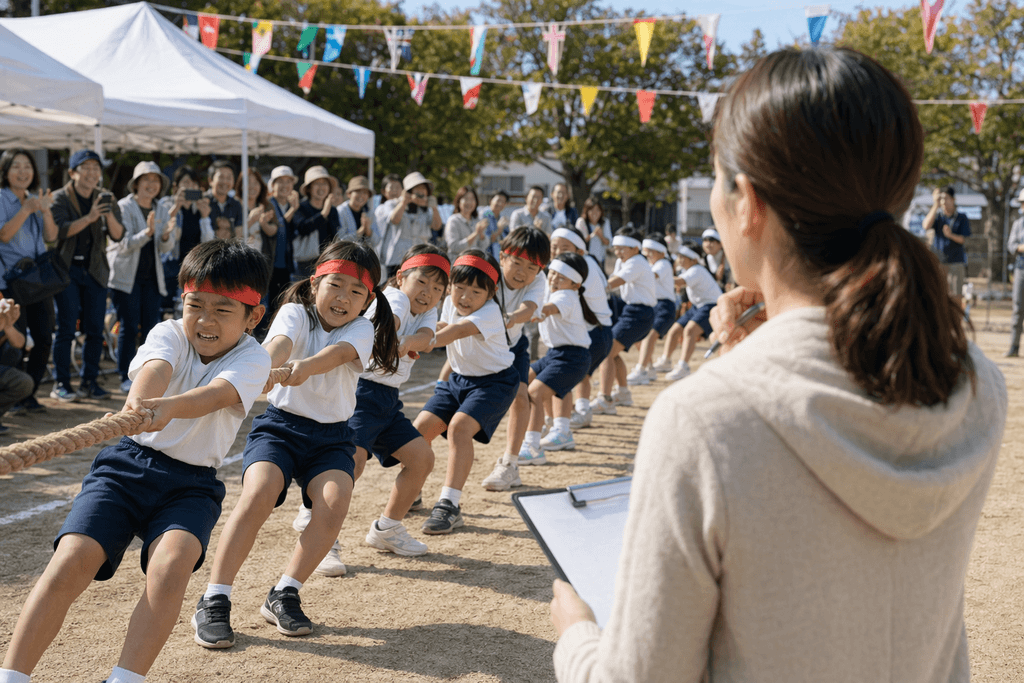
行事
आयोजित कार्यक्रम
行事
आयोजित कार्यक्रम
Explanation
行事
आयोजित कार्यक्रम
行事
कार्यक्रम / समारोह / अनुष्ठान
( Base form )
( romanization )
( hiragana )
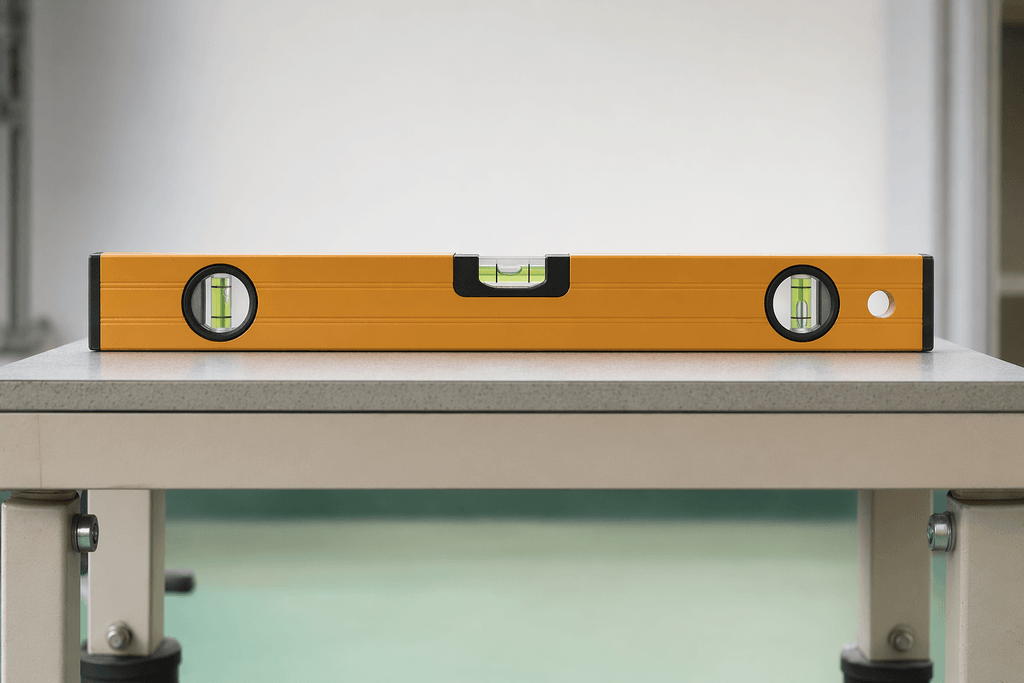
水平
तेर्सो / समतल
水平
तेर्सो / समतल
Explanation
水平
तेर्सो / समतल
水平
तेर्सोपन / समतलता / क्षैतिजता
( Base form )
( romanization )
( hiragana )
Loading...

JLPT N2 多言語単語帳・1790語 / JLPT N2 Multilingual Vocabulary: 1790 Words

Jonathan Waller 氏の JLPT Resources の語彙リスト・レベル分類を出典とし、CC BY の条件に従って DiQt が学習者向けに意味を作り直した1790語の単語帳です。JLPT公式の語彙リストではありません。
This collection of 1790 words is based on the vocabulary list and level classifications in Jonathan Waller’s JLPT Resources under CC BY, with meanings rewritten by DiQt for learners. It is not an official JLPT vocabulary list.
Key Operations
Select the first quiz:
Ctrl + Enter
View Explanation:Ctrl + G
Close a feedback:Esc
When selecting a quiz
Answer:Enter
Select a choice:↓ or ↑
Reading out the question:Ctrl + K
View Hint: Ctrl + M
I don't know: Ctrl + Y



