
JLPT N2 शब्दार्थ अभ्यास - Unsolved

चार विकल्प भएका प्रश्नबाट JLPT N2 का 1790 शब्दका अर्थ नेपालीमा सिक्नुहोस्।
-
भेला / गणितीय समुच्चय
-
चोरी
-
सडकको कुना
-
अक्षांश
-
बिक्री सुरुवात
-
हिमआँधी
-
सुमसुम्याउनु
-
बढी हुनु
-
सञ्चार हुनु / पुस्तान्तरण हुनु
-
बाल हेरचाह
-
बाधा
-
लुगा फेराइ / फेर्ने लुगा
-
अर्धव्यास
-
नातेदार
-
लामो समय सम्पर्कविहीन हुनु
-
विभाजन / वर्गीकरण
-
मसला
-
पाइलाको छाप
-
त्यसपछि
-
थाहै नपाई
-
मेहनत गरेर / लामो समयदेखि प्रतीक्षित
-
कान्जी-जापानी
-
बहुमत
-
उडोन चाउचाउ
-
बकवास / जथाभावी
-
उबडखाबड
-
हिंस्रक / रुखो
-
घण्टा
-
संस्थाको नाममा
-
सर्वस्वीकृति
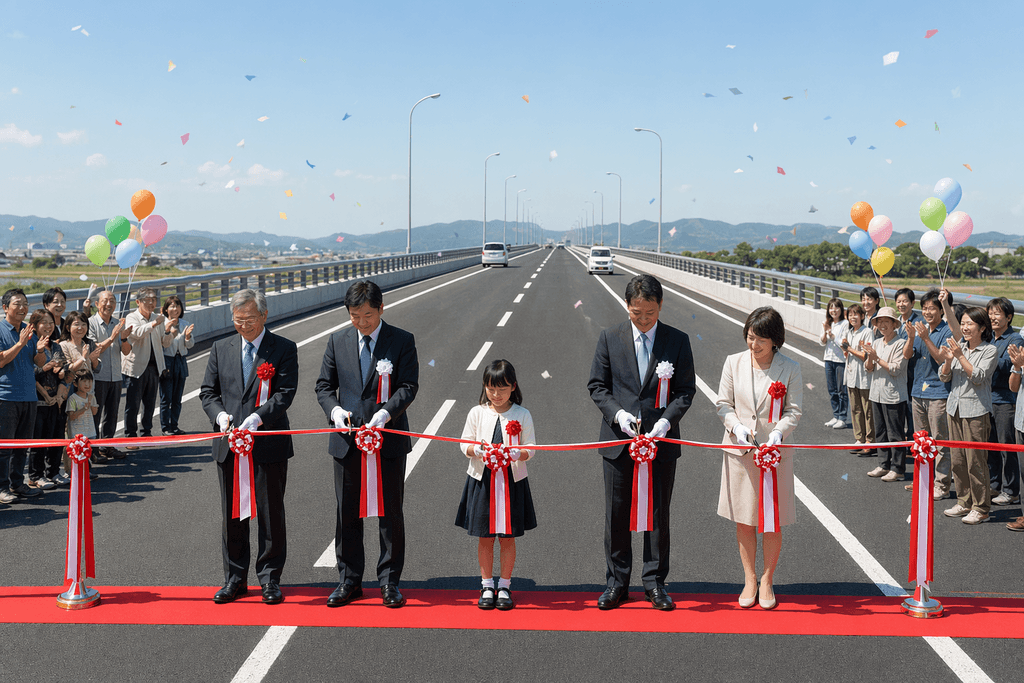
開通
यातायात सञ्चालन आरम्भ
開通
यातायात सञ्चालन आरम्भ
Explanation
開通
यातायात सञ्चालन आरम्भ
開通
सडक, रेलमार्ग आदिको यातायातका लागि खोलाइ / सेवा वा मार्ग/लाइनको उद्घाटन / सञ्चार वा जडानको स्थापना
( Base form )
( romanization )
( stem )
( Past )
( table-tags )
( inflection-template )
( imperfective stem )
( imperfective stem )
( imperfective )
( continuative stem )
( continuative stem )
( continuative )
( stem terminative )
( stem terminative )
( terminative )
( attributive stem )
( attributive stem )
( attributive )
( hypothetical stem )
( hypothetical stem )
( hypothetical )
( Imperative literary stem )
( colloquial Imperative stem )
( Imperative literary stem )
( colloquial Imperative stem )
( Imperative literary )
( colloquial Imperative )
( Passive voice )
( Passive voice )
( Passive voice )
( causative )
( causative )
( causative )
( causative )
( causative )
( causative )
( potential )
( potential )
( potential )
( volitional )
( volitional )
( volitional )
( negative )
( negative )
( negative )
( continuative negative )
( continuative negative )
( continuative negative )
( formal )
( formal )
( formal )
( perfective )
( perfective )
( perfective )
( conjunctive )
( conjunctive )
( conjunctive )
( Conditional hypothetical )
( Conditional hypothetical )
( Conditional hypothetical )
腰掛け
बस्ने ठाउँ / बेन्च
腰掛け
बस्ने ठाउँ / बेन्च
Explanation
腰掛け
बस्ने ठाउँ / बेन्च
腰掛け
बस्ने आसन / सिट / चौकी (सानो सीट)

( romanization )
( romanization )
( hiragana historical )
含める
समावेश गर्नु
含める
समावेश गर्नु
Explanation
含める
समावेश गर्नु
含める
समावेश गर्नु / ध्यानमा राख्नु / बुझाउनु

Word Forms
The basic and commonly used forms of this verb.
Basic forms
| Form | Word form | Usage |
|---|---|---|
| Imperfective form (mizenkei) | Connects to endings such as nai, reru, and seru. | |
| Continuative form (renyokei) | Connects to endings such as masu, tai, and ta. | |
| Conclusive form (shushikei) | Ends a sentence and serves as the dictionary form. | |
| Attributive form (rentaikei) | Modifies a noun. | |
| Conditional form (kateikei) | Combines with ba to express a condition. | |
| Imperative form (meireikei) |
Alternative:
含めよ
|
Expresses a command or instruction. |
Common forms
接続
जडान / यातायात सम्पर्क
接続
जडान / यातायात सम्पर्क
Explanation
接続
जडान / यातायात सम्पर्क
接続
जडान / जोडाइ / कनेक्टिभिटी

( Base form )
( romanization )
( kyūjitai )
( hiragana )
展開
विकास / फैलावट
展開
विकास / फैलावट
Explanation
展開
विकास / फैलावट
展開
विस्तार/प्रसार / विकास/प्रगति / परिनियोजन; (ज्यामिति) समतलीकरण; (कम्प्युटिङ) विसङ्कुचन

( Base form )
( romanization )
( stem )
( Past )
( table-tags )
( inflection-template )
( imperfective stem )
( imperfective stem )
( imperfective )
( continuative stem )
( continuative stem )
( continuative )
( stem terminative )
( stem terminative )
( terminative )
( attributive stem )
( attributive stem )
( attributive )
( hypothetical stem )
( hypothetical stem )
( hypothetical )
( Imperative literary stem )
( colloquial Imperative stem )
( Imperative literary stem )
( colloquial Imperative stem )
( Imperative literary )
( colloquial Imperative )
( Passive voice )
( Passive voice )
( Passive voice )
( causative )
( causative )
( causative )
( causative )
( causative )
( causative )
( potential )
( potential )
( potential )
( volitional )
( volitional )
( volitional )
( negative )
( negative )
( negative )
( continuative negative )
( continuative negative )
( continuative negative )
( formal )
( formal )
( formal )
( perfective )
( perfective )
( perfective )
( conjunctive )
( conjunctive )
( conjunctive )
( Conditional hypothetical )
( Conditional hypothetical )
( Conditional hypothetical )
弱点
कमजोरी
弱点
कमजोरी
Explanation
弱点
कमजोरी
弱点
कमजोरी / दुर्बलता / कमजोर पक्ष

( Base form )
( romanization )
( kyūjitai )
( hiragana )
いちいち
एकएक गरी
いちいち
एकएक गरी
Explanation
एकएक गरी
いちいち
एक-एक गरेर / हरेक कुरा छुट्टाछुट्टै गरेर / हरेक सानो कुरामा पनि ध्यान दिँदै

( romanization )
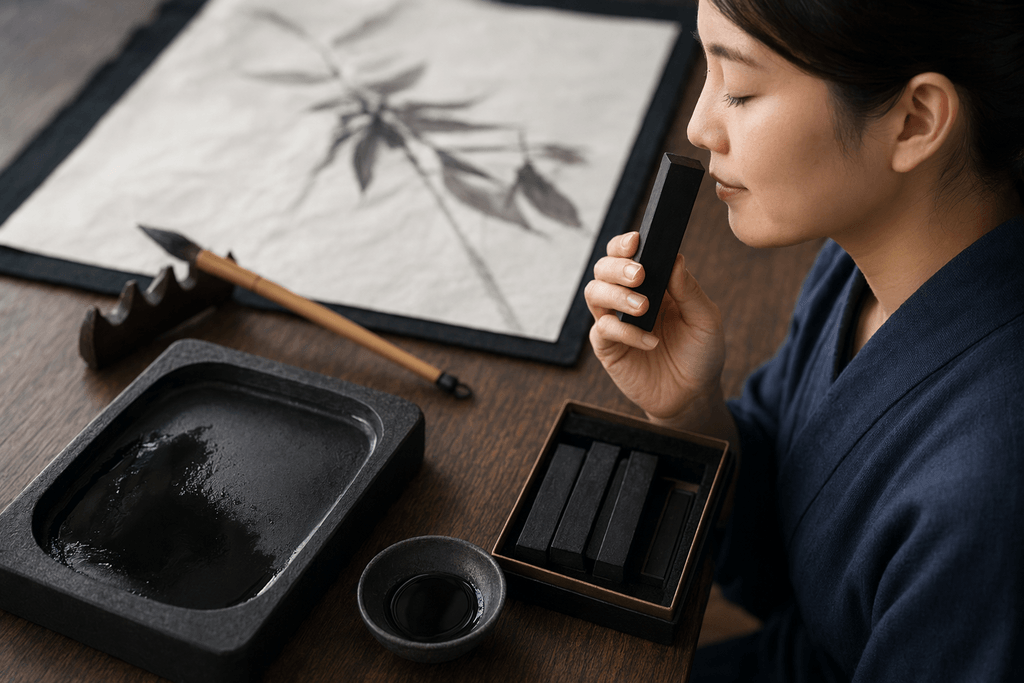
墨
सुलेखन मसी
墨
सुलेखन मसी
Explanation
墨
सुलेखन मसी
墨
मसी (स्याही)
( romanization )
( hiragana historical )
無限
अनन्त
無限
अनन्त
Explanation
無限
अनन्त
無限
असीम / अनन्त / अन्तहीन

Word Forms
The basic and commonly used forms of this adjectival noun.
Basic forms
| Form | Word form | Usage |
|---|---|---|
| Imperfective form (mizenkei) | Used in forms such as darou. | |
| Continuative form (renyokei) |
Alternative:
無限に
|
Used with de or ni. |
| Conclusive form (shushikei) | Ends a sentence with da. | |
| Attributive form (rentaikei) |
Alternative:
無限の
|
Modifies a noun with na. |
| Conditional form (kateikei) | Expresses a condition with nara. | |
| Imperative form (meireikei) | Used in formal expressions such as de are. |
Common forms
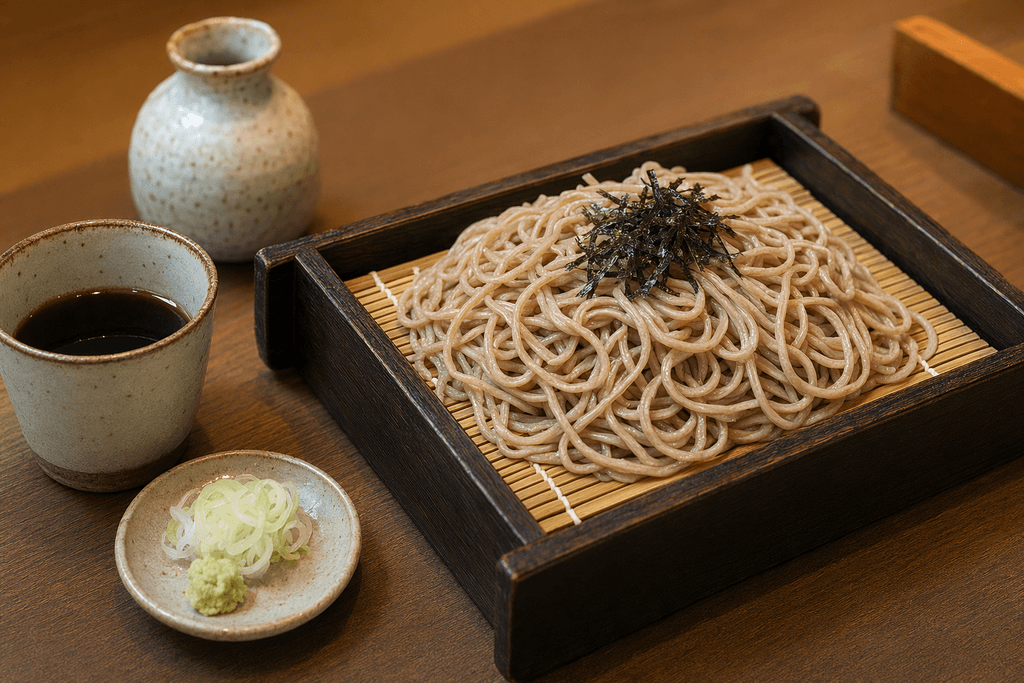
蕎麦
फापरको चाउचाउ
蕎麦
फापरको चाउचाउ
Explanation
蕎麦
फापरको चाउचाउ
蕎麦
फापरको आटाबाट बनेको जापानी नूडल / फापर (बाली)
( Base form )
( romanization )
( romanization )
( romanization )
( hiragana )
Loading...

JLPT N2 多言語単語帳・1790語 / JLPT N2 Multilingual Vocabulary: 1790 Words

Jonathan Waller 氏の JLPT Resources の語彙リスト・レベル分類を出典とし、CC BY の条件に従って DiQt が学習者向けに意味を作り直した1790語の単語帳です。JLPT公式の語彙リストではありません。
This collection of 1790 words is based on the vocabulary list and level classifications in Jonathan Waller’s JLPT Resources under CC BY, with meanings rewritten by DiQt for learners. It is not an official JLPT vocabulary list.
Key Operations
Select the first quiz:
Ctrl + Enter
View Explanation:Ctrl + G
Close a feedback:Esc
When selecting a quiz
Answer:Enter
Select a choice:↓ or ↑
Reading out the question:Ctrl + K
View Hint: Ctrl + M
I don't know: Ctrl + Y



