
JLPT N2 शब्दार्थ अभ्यास - Unsolved

चार विकल्प भएका प्रश्नबाट JLPT N2 का 1790 शब्दका अर्थ नेपालीमा सिक्नुहोस्।
-
उपस्थिति / अनुपस्थिति
-
जिल्ला
-
धुने पदार्थ
-
हिँड्न रोक्नु
-
पोखिनु
-
नक्कल गर्नु
- 「通じる」と同根の「〜ずる」型の動詞。現代語では「通じる」も広く用いられる。
- 未然形「通ぜ」は「通ぜず」など文語的・硬い用法に見られる。
-
मध्ययुग
-
प्रापकको नाम
-
सुत्ने पोसाक
-
ठेस लाग्नु
-
सुक्खा भुट्नु
-
उछिन्नु
-
निश्चित / पहिचान
-
व्यङ्ग्य / विडम्बना
-
सन्तुलन
-
आमाबुबाका भाइ
-
मापक यन्त्र
-
सामान्य परिचय
-
सान्द्रता / रङको गाढापन
-
अनावश्यक हल्ला
-
औँला छुट्टिएको मोजा
-
प्रश्नोत्तर
-
प्रकाशस्तम्भ
-
कल्पना
-
लेखन शैली
-
औपचारिक आवेदन
-
इन्द्रेणी
-
खिया
-
पुनःनिर्माण
-
ढुङ्गा कागज कैंची खेल
明々後日
आजदेखि तीन दिनपछि
明々後日
आजदेखि तीन दिनपछि
Explanation
明々後日
आजदेखि तीन दिनपछि
明々後日
नापर्सि / आजदेखि तीन दिनपछि / भोलिपछि दुई दिनपछि

( romanization )
通ずる
सम्प्रेषण हुनु / जोडिनु
通ずる
सम्प्रेषण हुनु / जोडिनु
Explanation
通ずる
सम्प्रेषण हुनु / जोडिनु
通ずる
स्वीकार हुनु / लागू हुनु / मान्य रहनु

Word Forms
The basic and commonly used forms of this verb.
Basic forms
| Form | Word form | Usage |
|---|---|---|
| Imperfective form (mizenkei) |
Alternative:
通ぜ
|
Connects to endings such as nai, reru, and seru. |
| Continuative form (renyokei) | Connects to endings such as masu, tai, and ta. | |
| Conclusive form (shushikei) | Ends a sentence and serves as the dictionary form. | |
| Attributive form (rentaikei) | Modifies a noun. | |
| Conditional form (kateikei) | Combines with ba to express a condition. | |
| Imperative form (meireikei) |
Alternative:
通じよ
通ぜよ
|
Expresses a command or instruction. |
Common forms
| Form | Word form | Usage |
|---|---|---|
| Te-form | Connects clauses with te. | |
| Ta-form | Expresses the past with ta. | |
| Nai-form | Expresses negation with nai. | |
| Masu-form | Used for polite speech. | |
| Ba-form | Expresses a condition with ba. | |
| Volitional form | Expresses intention or invitation. |
Notes
整数
पूर्णाङ्क
整数
पूर्णाङ्क
Explanation
整数
पूर्णाङ्क
整数
पूर्णांक / भिन्न वा दशमलव बिना संख्या / ऋणात्मक, शून्य वा धनात्मक पूर्ण संख्या

( Base form )
( romanization )
( hiragana )
撫でる
सुमसुम्याउनु
撫でる
सुमसुम्याउनु
Explanation
撫でる
सुमसुम्याउनु
撫でる
सुम्सुम्याउनु / हल्का रूपमा हात फेर्नु / प्यारले सहलाउनु

Word Forms
The basic and commonly used forms of this verb.
Basic forms
| Form | Word form | Usage |
|---|---|---|
| Imperfective form (mizenkei) | Connects to endings such as nai, reru, and seru. | |
| Continuative form (renyokei) | Connects to endings such as masu, tai, and ta. | |
| Conclusive form (shushikei) | Ends a sentence and serves as the dictionary form. | |
| Attributive form (rentaikei) | Modifies a noun. | |
| Conditional form (kateikei) | Combines with ba to express a condition. | |
| Imperative form (meireikei) |
Alternative:
撫でよ
|
Expresses a command or instruction. |
Common forms
換気
वायुसञ्चार
換気
वायुसञ्चार
Explanation
換気
वायुसञ्चार
換気
हावा आदानप्रदान / हावा सञ्चरण / वातायन

( Base form )
( romanization )
( kyūjitai )
( hiragana )
学会
प्राज्ञिक समाज / प्राज्ञिक सम्मेलन
学会
प्राज्ञिक समाज / प्राज्ञिक सम्मेलन
Explanation
学会
प्राज्ञिक समाज / प्राज्ञिक सम्मेलन
学会
विद्वत् समाज / शैक्षिक सम्मेलन

( Base form )
( romanization )
( romanization )
( kyūjitai )
( hiragana historical )
( hiragana )
石鹸
साबुन
石鹸
साबुन
Explanation
石鹸
साबुन
石鹸
साबुन / धुने र सफा गर्ने पदार्थ

( Base form )
( romanization )
( kyūjitai )
( hiragana )
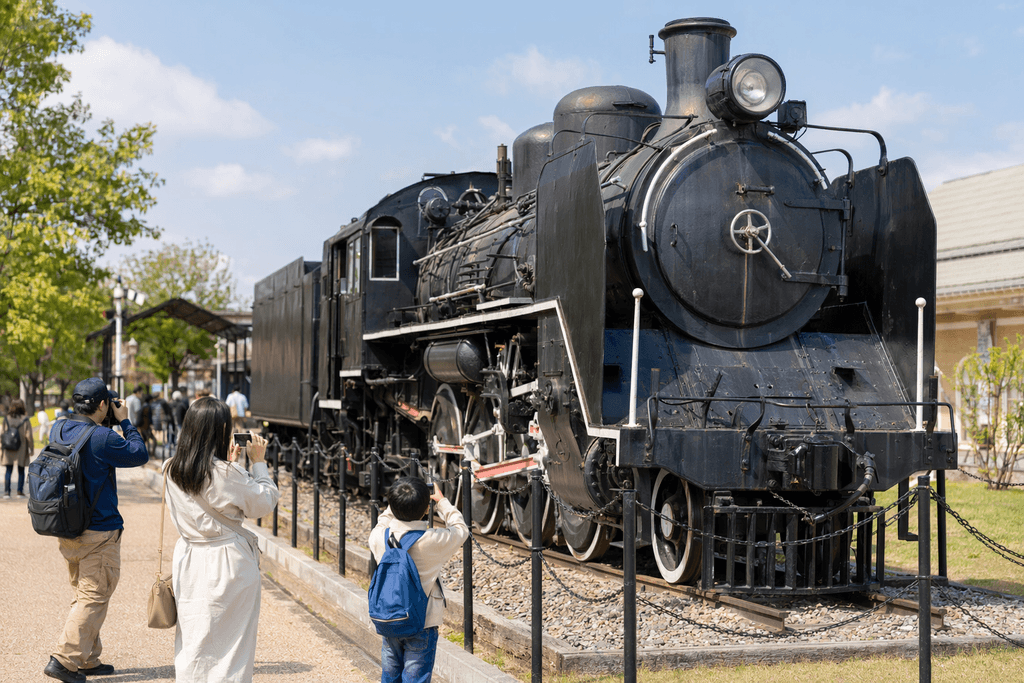
機関車
रेलको इन्जिन
機関車
रेलको इन्जिन
Explanation
機関車
रेलको इन्जिन
機関車
रेल तान्ने इन्जिन / लोकोमोटिभ / रेलको इन्जिन
( Base form )
( romanization )
( romanization )
( hiragana historical )
( hiragana )
商店
पसल
商店
पसल
Explanation
商店
पसल
商店
पसल / दुकान / खुद्रा पसल

( Base form )
( romanization )
( hiragana )
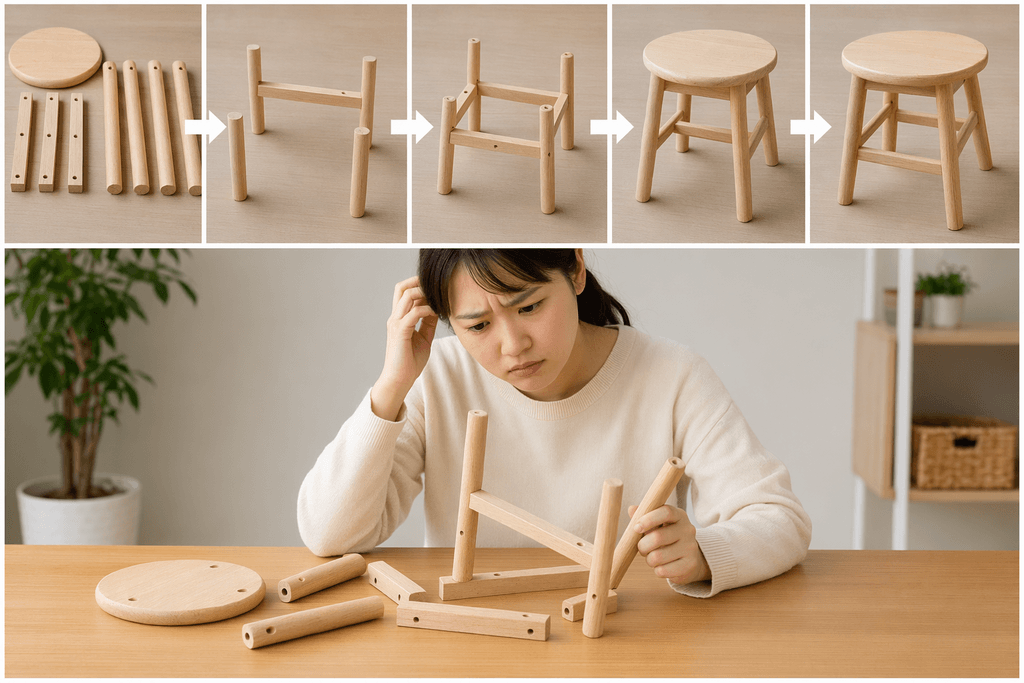
順序
क्रम
順序
क्रम
Explanation
順序
क्रम
順序
क्रम / अनुक्रम / कार्यविधि
( Base form )
( romanization )
( hiragana )
Loading...

JLPT N2 多言語単語帳・1790語 / JLPT N2 Multilingual Vocabulary: 1790 Words

Jonathan Waller 氏の JLPT Resources の語彙リスト・レベル分類を出典とし、CC BY の条件に従って DiQt が学習者向けに意味を作り直した1790語の単語帳です。JLPT公式の語彙リストではありません。
This collection of 1790 words is based on the vocabulary list and level classifications in Jonathan Waller’s JLPT Resources under CC BY, with meanings rewritten by DiQt for learners. It is not an official JLPT vocabulary list.
Key Operations
Select the first quiz:
Ctrl + Enter
View Explanation:Ctrl + G
Close a feedback:Esc
When selecting a quiz
Answer:Enter
Select a choice:↓ or ↑
Reading out the question:Ctrl + K
View Hint: Ctrl + M
I don't know: Ctrl + Y



