
JLPT N2 शब्दार्थ अभ्यास - Unsolved

चार विकल्प भएका प्रश्नबाट JLPT N2 का 1790 शब्दका अर्थ नेपालीमा सिक्नुहोस्।
-
स्वीकारोक्ति
-
नगरको केन्द्र
-
जिल्ला
-
प्रान्तीय कार्यालय
-
मञ्च / प्रदर्शन
-
म्याराथन
-
अन्दाजी आधार
-
सामग्री / घटक
-
प्रतिघण्टा गति
-
एन्टेना
-
किला
-
समुद्र स्नान
-
च्यातिनु
-
खौरनु
-
लक्ष्य राख्नु
-
झोलमा घोल्नु
-
निसाना लगाउनु
-
माथि राख्नु / प्रकाशित गर्नु
-
पठाइदिनु / हस्तान्तरण गर्नु
-
आक्रमण गर्नु
-
ढल्किनु / झुकाव हुनु
-
समुराई योद्धा
-
एप्रोन
-
अशिष्टता
-
मिसाउनु
-
अस्वीकार गर्नु / निष्प्रभावी पार्नु
-
मिसिनु
-
ना विशेषण
-
पूर्वतयारी बैठक
-
भिनाइल
父母
आमाबुबा
父母
आमाबुबा
Explanation
父母
आमाबुबा
父母
आमा र बाबु / आमाबाबु / मातापिता

( Base form )
( romanization )
( hiragana )
四季
चार ऋतु
四季
चार ऋतु
Explanation
四季
चार ऋतु
四季
वर्षका चार ऋतुएँ / चार ऋतुहरूको समष्टि

( Base form )
( romanization )
( hiragana )
打ち合わせ
पूर्वतयारी बैठक
打ち合わせ
पूर्वतयारी बैठक
Explanation
打ち合わせ
पूर्वतयारी बैठक
打ち合わせ
बैठक / छलफल / पूर्वसमन्वय

( romanization )
( romanization )
( hiragana historical )
ピンク
गुलाबी
ピンク
गुलाबी
Explanation
गुलाबी
ピンク
गुलाबी रङ / अश्लील विषयवस्तु

( romanization )
跨ぐ
नाघ्नु / घोडाचढी बस्नु
跨ぐ
नाघ्नु / घोडाचढी बस्नु
Explanation
跨ぐ
नाघ्नु / घोडाचढी बस्नु
跨ぐ
माथिबाट टेक्दै पार गर्नु / पार गर्नु / दुई भाग/किनारबीच फैलिनु वा जोड्नु

Word Forms
The basic and commonly used forms of this verb.
Basic forms
| Form | Word form | Usage |
|---|---|---|
| Imperfective form (mizenkei) |
Alternative:
跨ご
|
Connects to endings such as nai, reru, and seru. |
| Continuative form (renyokei) | Connects to endings such as masu, tai, and ta. | |
| Conclusive form (shushikei) | Ends a sentence and serves as the dictionary form. | |
| Attributive form (rentaikei) | Modifies a noun. | |
| Conditional form (kateikei) | Combines with ba to express a condition. | |
| Imperative form (meireikei) | Expresses a command or instruction. |
Common forms
敷く
बिछ्याउनु / फैलाउनु
敷く
बिछ्याउनु / फैलाउनु
Explanation
敷く
बिछ्याउनु / फैलाउनु
敷く
फैलाउनु / बिछ्याउनु / ओछ्याउनु

Word Forms
The basic and commonly used forms of this verb.
Basic forms
| Form | Word form | Usage |
|---|---|---|
| Imperfective form (mizenkei) |
Alternative:
敷こ
|
Connects to endings such as nai, reru, and seru. |
| Continuative form (renyokei) | Connects to endings such as masu, tai, and ta. | |
| Conclusive form (shushikei) | Ends a sentence and serves as the dictionary form. | |
| Attributive form (rentaikei) | Modifies a noun. | |
| Conditional form (kateikei) | Combines with ba to express a condition. | |
| Imperative form (meireikei) | Expresses a command or instruction. |
Common forms
重ねる
चाङ लगाउनु / दोहोर्याउनु
重ねる
चाङ लगाउनु / दोहोर्याउनु
Explanation
重ねる
चाङ लगाउनु / दोहोर्याउनु
重ねる
थुपार्नु / परत थप्नु / दोहोर्याउनु

Word Forms
The basic and commonly used forms of this verb.
Basic forms
| Form | Word form | Usage |
|---|---|---|
| Imperfective form (mizenkei) | Connects to endings such as nai, reru, and seru. | |
| Continuative form (renyokei) | Connects to endings such as masu, tai, and ta. | |
| Conclusive form (shushikei) | Ends a sentence and serves as the dictionary form. | |
| Attributive form (rentaikei) | Modifies a noun. | |
| Conditional form (kateikei) | Combines with ba to express a condition. | |
| Imperative form (meireikei) |
Alternative:
重ねよ
|
Expresses a command or instruction. |
Common forms
ダイヤグラム
रेखाचित्र
ダイヤグラム
रेखाचित्र
Explanation
रेखाचित्र
ダイヤグラム
रेलको समयतालिका आरेख / सञ्चालन समय–दूरी आरेख / रेल सञ्चालन योजना देखाउने आरेख

( romanization )
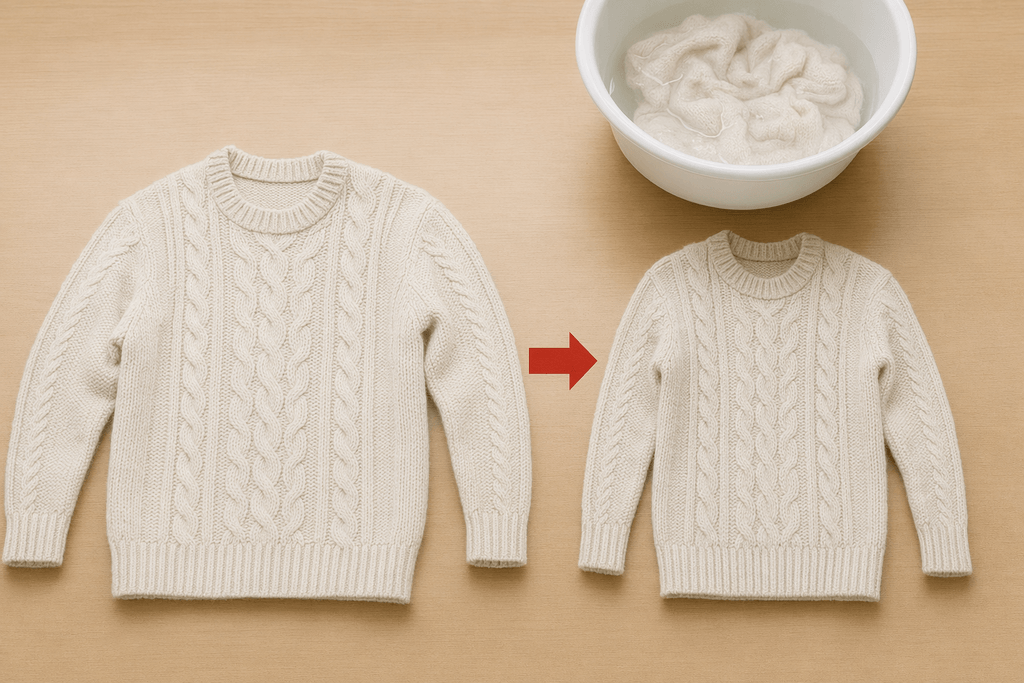
縮む
खुम्चिनु
縮む
खुम्चिनु
Explanation
縮む
खुम्चिनु
縮む
सुङ्गिनु / सङ्कुचन हुनु / सानो हुनु
Word Forms
The basic and commonly used forms of this verb.
Basic forms
| Form | Word form | Usage |
|---|---|---|
| Imperfective form (mizenkei) |
Alternative:
縮も
|
Connects to endings such as nai, reru, and seru. |
| Continuative form (renyokei) | Connects to endings such as masu, tai, and ta. | |
| Conclusive form (shushikei) | Ends a sentence and serves as the dictionary form. | |
| Attributive form (rentaikei) | Modifies a noun. | |
| Conditional form (kateikei) | Combines with ba to express a condition. | |
| Imperative form (meireikei) | Expresses a command or instruction. |
Common forms
知人
चिनजानको व्यक्ति
知人
चिनजानको व्यक्ति
Explanation
知人
चिनजानको व्यक्ति
知人
परिचित / चिनेको मान्छे / जान-परिचय भएको व्यक्ति

( Base form )
( romanization )
( hiragana )
Loading...

JLPT N2 多言語単語帳・1790語 / JLPT N2 Multilingual Vocabulary: 1790 Words

Jonathan Waller 氏の JLPT Resources の語彙リスト・レベル分類を出典とし、CC BY の条件に従って DiQt が学習者向けに意味を作り直した1790語の単語帳です。JLPT公式の語彙リストではありません。
This collection of 1790 words is based on the vocabulary list and level classifications in Jonathan Waller’s JLPT Resources under CC BY, with meanings rewritten by DiQt for learners. It is not an official JLPT vocabulary list.
Key Operations
Select the first quiz:
Ctrl + Enter
View Explanation:Ctrl + G
Close a feedback:Esc
When selecting a quiz
Answer:Enter
Select a choice:↓ or ↑
Reading out the question:Ctrl + K
View Hint: Ctrl + M
I don't know: Ctrl + Y



