
JLPT N5 詞義四選一 - Unsolved

透過四選一題目,用繁體中文學習JLPT N5的665個單字詞義。
-
玄關
-
庭院
-
建築物
-
忙
-
薄 / 淡
-
大
- 「丸い」とも表記する。
- 命令形「まるかれ」は現代語では稀。
-
八
-
十
-
九
-
喜歡
-
重要
-
討厭
- 表記は漢字表記「色々」と仮名表記「いろいろ」がともに用いられる。
- 形容動詞(ナ形容詞)としては「色々な」「色々だ」の形で用いる。
-
排隊
-
花時間 / 花錢
-
吸菸 / 吸氣
-
飲料
-
百
-
每個月
-
這邊 / 這位
-
那裡
-
誰
-
拉
-
不同 / 不對
-
轉彎 / 彎曲
-
進入
-
累
-
歸還
-
錄音帶
-
黃色
-
裙子
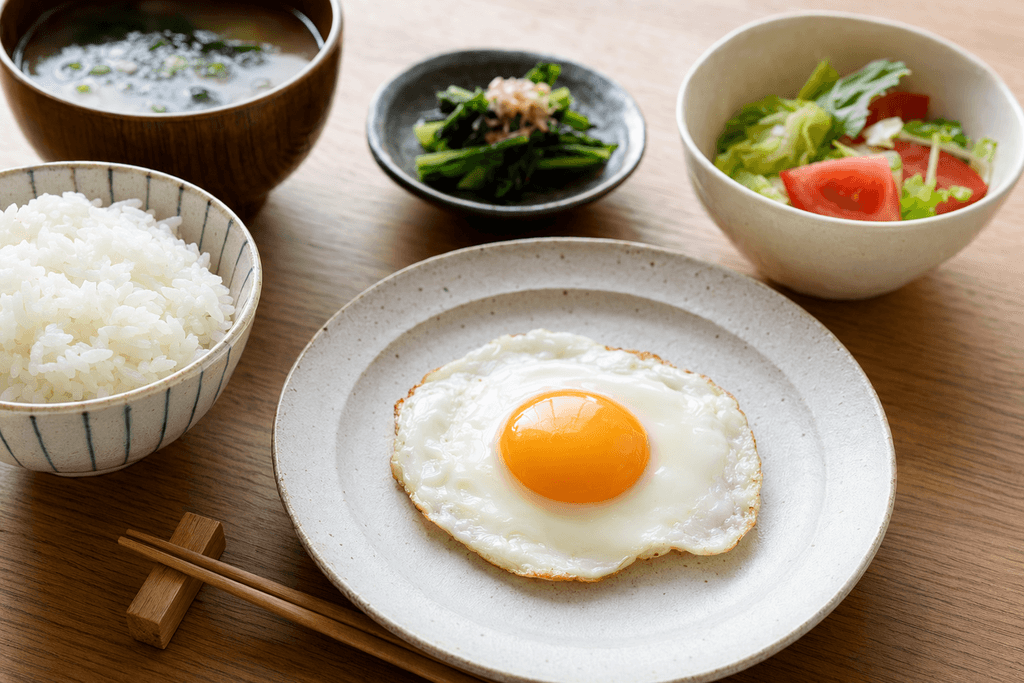
卵
蛋
卵
蛋
Explanation
卵
蛋
卵
蛋;魚卵 / 事物的開端;雛形 / 初學者;菜鳥
( romanization )
( hiragana )
まるい
圓
まるい
圓
Explanation
圓
まるい
圓的 / 圓形的 / 性格溫和的

Word Forms
The basic and commonly used forms of this adjective.
Basic forms
| Form | Word form | Usage |
|---|---|---|
| Imperfective form (mizenkei) |
Alternative:
丸かろ
|
Used in forms such as karou; mainly literary. |
| Continuative form (renyokei) |
Alternative:
丸く
まるかっ
丸かっ
|
Used in forms such as kute and kunai. |
| Conclusive form (shushikei) |
Alternative:
丸い
|
Ends a sentence. |
| Attributive form (rentaikei) |
Alternative:
丸い
|
Modifies a noun. |
| Conditional form (kateikei) |
Alternative:
丸けれ
|
Expresses a condition with kereba. |
| Imperative form (meireikei) |
Alternative:
丸かれ
|
Rarely used in modern Japanese. |
Common forms
| Form | Word form | Usage |
|---|---|---|
| Te-form |
Alternative:
丸くて
|
Connects clauses with kute. |
| Ta-form |
Alternative:
丸かった
|
Expresses the past with katta. |
| Nai-form |
Alternative:
丸くない
|
Expresses negation with kunai. |
| Ba-form |
Alternative:
丸ければ
|
Expresses a condition with kereba. |
Notes
ゼロ
零
ゼロ
零
Explanation
零
ゼロ
零 / 數字0 / 零值

( romanization )
色々
各種
色々
各種
Explanation
色々
各種
色々
各種各樣 / 多種多樣 / 各式各樣的事物

Word Forms
The basic and commonly used forms of this adjectival noun.
Basic forms
| Form | Word form | Usage |
|---|---|---|
| Imperfective form (mizenkei) |
Alternative:
いろいろだろ
|
Used in forms such as darou. |
| Continuative form (renyokei) |
Alternative:
いろいろで
色々に
いろいろに
|
Used with de or ni. |
| Conclusive form (shushikei) |
Alternative:
いろいろだ
|
Ends a sentence with da. |
| Attributive form (rentaikei) |
Alternative:
いろいろな
色々の
いろいろの
|
Modifies a noun with na. |
| Conditional form (kateikei) |
Alternative:
いろいろなら
|
Expresses a condition with nara. |
| Imperative form (meireikei) |
Alternative:
いろいろであれ
|
Used in formal expressions such as de are. |
Common forms
| Form | Word form | Usage |
|---|---|---|
| Te-form equivalent |
Alternative:
いろいろで
|
Connects clauses using de. |
| Ta-form |
Alternative:
いろいろだった
|
Expresses the past with datta. |
| Nai-form |
Alternative:
いろいろではない
色々じゃない
いろいろじゃない
|
Expresses negation with dewa nai or ja nai. |
| Desu-form |
Alternative:
いろいろです
|
Used for polite speech. |
Notes
できる
能夠
できる
能夠
Explanation
能夠
できる
能夠;可以 / 會(能做某事)

Word Forms
The basic and commonly used forms of this verb.
Basic forms
| Form | Word form | Usage |
|---|---|---|
| Imperfective form (mizenkei) | Connects to endings such as nai, reru, and seru. | |
| Continuative form (renyokei) | Connects to endings such as masu, tai, and ta. | |
| Conclusive form (shushikei) | Ends a sentence and serves as the dictionary form. | |
| Attributive form (rentaikei) | Modifies a noun. | |
| Conditional form (kateikei) | Combines with ba to express a condition. | |
| Imperative form (meireikei) |
Alternative:
できよ
|
Expresses a command or instruction. |
Common forms
水曜日
星期三
水曜日
星期三
Explanation
水曜日
星期三
水曜日
星期三 / 週三 / 禮拜三

( Base form )
( romanization )
( romanization )
( hiragana historical )
( hiragana )
どこ
哪裡
どこ
哪裡
Explanation
哪裡
どこ
哪裡 / 何處

( romanization )
分かる
懂
分かる
懂
Explanation
分かる
懂
分かる
理解 / 明白 / 了解

Word Forms
The basic and commonly used forms of this verb.
Basic forms
| Form | Word form | Usage |
|---|---|---|
| Imperfective form (mizenkei) |
Alternative:
解ら
判ら
わから
分かろ
解ろ
判ろ
わかろ
|
Connects to endings such as nai, reru, and seru. |
| Continuative form (renyokei) |
Alternative:
解り
判り
わかり
|
Connects to endings such as masu, tai, and ta. |
| Conclusive form (shushikei) |
Alternative:
解る
判る
わかる
|
Ends a sentence and serves as the dictionary form. |
| Attributive form (rentaikei) |
Alternative:
解る
判る
わかる
|
Modifies a noun. |
| Conditional form (kateikei) |
Alternative:
解れ
判れ
わかれ
|
Combines with ba to express a condition. |
| Imperative form (meireikei) |
Alternative:
解れ
判れ
わかれ
|
Expresses a command or instruction. |
Common forms
| Form | Word form | Usage |
|---|---|---|
| Te-form |
Alternative:
解って
判って
わかって
|
Connects clauses with te. |
| Ta-form |
Alternative:
解った
判った
わかった
|
Expresses the past with ta. |
| Nai-form |
Alternative:
解らない
判らない
わからない
|
Expresses negation with nai. |
| Masu-form |
Alternative:
解ります
判ります
わかります
|
Used for polite speech. |
| Ba-form |
Alternative:
解れば
判れば
わかれば
|
Expresses a condition with ba. |
| Volitional form |
Alternative:
解ろう
判ろう
わかろう
|
Expresses intention or invitation. |
借りる
借入
借りる
借入
Explanation
借りる
借入
借りる
借 / 借用 / 租用

Word Forms
The basic and commonly used forms of this verb.
Basic forms
| Form | Word form | Usage |
|---|---|---|
| Imperfective form (mizenkei) | Connects to endings such as nai, reru, and seru. | |
| Continuative form (renyokei) | Connects to endings such as masu, tai, and ta. | |
| Conclusive form (shushikei) | Ends a sentence and serves as the dictionary form. | |
| Attributive form (rentaikei) | Modifies a noun. | |
| Conditional form (kateikei) | Combines with ba to express a condition. | |
| Imperative form (meireikei) |
Alternative:
借りよ
|
Expresses a command or instruction. |
Common forms
二つ
二
二つ
二
Explanation
二つ
二
二つ
兩個(指小物或無專用量詞的東西) / 兩件、兩項

( Base form )
( romanization )
Loading...

JLPT N5 多言語単語帳・665語 / JLPT N5 Multilingual Vocabulary: 665 Words

Jonathan Waller 氏の JLPT Resources の語彙リスト・レベル分類を出典とし、CC BY の条件に従って DiQt が初級向けに意味を作り直した665語の単語帳です。JLPT公式の語彙リストではありません。
This collection of 665 words is based on the vocabulary list and level classifications in Jonathan Waller’s JLPT Resources under CC BY, with meanings rewritten by DiQt for beginners. It is not an official JLPT vocabulary list.
Key Operations
Select the first quiz:
Ctrl + Enter
View Explanation:Ctrl + G
Close a feedback:Esc
When selecting a quiz
Answer:Enter
Select a choice:↓ or ↑
Reading out the question:Ctrl + K
View Hint: Ctrl + M
I don't know: Ctrl + Y



