
JLPT N5 詞義四選一 - Unsolved

透過四選一題目,用繁體中文學習JLPT N5的665個單字詞義。
-
兄弟姊妹
-
汽車
-
今晚
-
七
-
星期二
-
妹妹
-
錢
-
電影
-
家人
-
電 / 電燈
-
車站
-
早餐
-
警察
-
外國
-
夏天
-
傍晚
-
收錄音機
-
洗澡
-
吵鬧 / 煩人
-
低 / 矮
-
年輕
-
不太
-
怎麼樣
-
什麼時候
-
三天 / 三號
-
吉他
-
醬油
-
玄關
-
汽車
-
星期一
次
下一個
次
下一個
Explanation
次
下一個
次
下一個;接下來者 / 次序;順序 / 以下;如下(用於列舉或說明)

( romanization )
( hiragana )
留学生
留學生
留学生
留學生
Explanation
留学生
留學生
留学生
在海外求學的學生 / 外國來本地就讀的國際學生 / 交換學生

( Base form )
( romanization )
( kyūjitai )
( hiragana )
テープレコーダー
錄音機
テープレコーダー
錄音機
Explanation
錄音機
テープレコーダー
磁帶錄音機 / 以磁帶記錄與播放聲音的裝置

( romanization )
( counter )
声
聲音
声
聲音
Explanation
声
聲音
声
聲音 / 嗓音 / 有聲(語音學;指濁音)

( romanization )
テスト
考試
テスト
考試
Explanation
考試
テスト
測驗;考試 / 檢查;試驗

( romanization )
方
人
方
人
Explanation
方
人
方
(敬稱)人 / 位(指人) / 人士

( romanization )
( hiragana )
薄い
薄 / 淡
薄い
薄 / 淡
Explanation
薄い
薄 / 淡
薄い
薄的 / 淡的、稀薄的 / 微弱的、薄弱的

Word Forms
The basic and commonly used forms of this adjective.
Basic forms
| Form | Word form | Usage |
|---|---|---|
| Imperfective form (mizenkei) | Used in forms such as karou; mainly literary. | |
| Continuative form (renyokei) |
Alternative:
薄かっ
|
Used in forms such as kute and kunai. |
| Conclusive form (shushikei) | Ends a sentence. | |
| Attributive form (rentaikei) | Modifies a noun. | |
| Conditional form (kateikei) | Expresses a condition with kereba. | |
| Imperative form (meireikei) | Rarely used in modern Japanese. |
Common forms
まだ
還 / 還沒
まだ
還 / 還沒
Explanation
還 / 還沒
まだ
尚未 / 還沒 / 未完成

( romanization )
( adnominal )
( adverbial )
( table-tags )
( inflection-template )
( imperfective stem )
( imperfective stem )
( continuative stem )
( continuative stem )
( stem terminative )
( stem terminative )
( attributive stem )
( attributive stem )
( hypothetical stem )
( hypothetical stem )
( Imperative stem )
( Imperative stem )
( informal negative )
( informal negative )
( informal negative )
( informal negative )
( informal Past )
( informal Past )
( informal negative Past )
( informal negative Past )
( informal negative Past )
( informal negative Past )
( formal )
( formal )
( formal negative )
( formal negative )
( formal negative )
( formal negative )
( formal Past )
( formal Past )
( formal negative Past )
( formal negative Past )
( formal negative Past )
( formal negative Past )
( conjunctive )
( conjunctive )
( Conditional )
( Conditional )
( Conditional Past )
( Conditional Past )
( volitional )
( volitional )
( adverbial )
( adverbial )
( noun-from-adj )
( noun-from-adj )
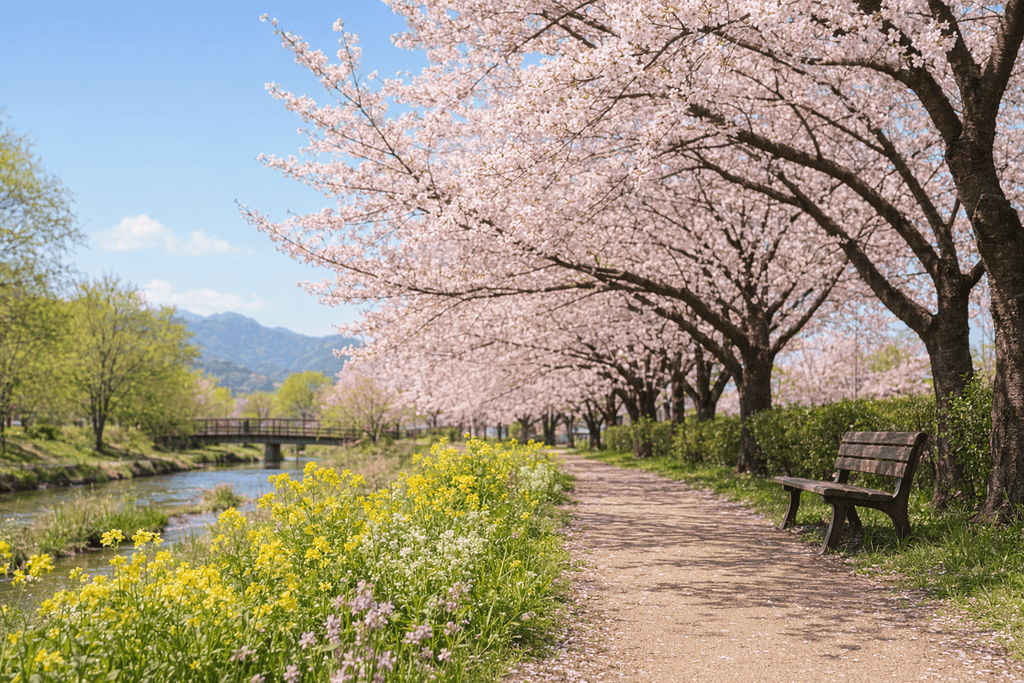
春
春天
春
春天
Explanation
春
春天
春
春天 / 春季 / 青春
( romanization )
( hiragana )
おばさん
阿姨 / 中年婦女
おばさん
阿姨 / 中年婦女
Explanation
阿姨 / 中年婦女
おばさん
阿姨(泛指女性長輩的姨、姑等) / 中年女性

Loading...

JLPT N5 多言語単語帳・665語 / JLPT N5 Multilingual Vocabulary: 665 Words

Jonathan Waller 氏の JLPT Resources の語彙リスト・レベル分類を出典とし、CC BY の条件に従って DiQt が初級向けに意味を作り直した665語の単語帳です。JLPT公式の語彙リストではありません。
This collection of 665 words is based on the vocabulary list and level classifications in Jonathan Waller’s JLPT Resources under CC BY, with meanings rewritten by DiQt for beginners. It is not an official JLPT vocabulary list.
Key Operations
Select the first quiz:
Ctrl + Enter
View Explanation:Ctrl + G
Close a feedback:Esc
When selecting a quiz
Answer:Enter
Select a choice:↓ or ↑
Reading out the question:Ctrl + K
View Hint: Ctrl + M
I don't know: Ctrl + Y



