
JLPT N5 詞義四選一 - Unsolved

透過四選一題目,用繁體中文學習JLPT N5的665個單字詞義。
-
需要
-
關
-
製作
-
鑰匙
-
頭
-
西式服裝
-
哪一個 / 哪邊
-
那邊
-
哪位
-
庭院
-
鉛筆
-
畫
-
粗
-
壞
-
遠
- 漢字表記は「面白い」。
-
牙齒
-
票
-
河
-
死
-
站
-
出門
- 「登る」を基準にし、表記違いとして「上る」「昇る」を variants に含めた。
-
低 / 矮
-
快
-
少
-
學習
-
課
-
明年
-
今天早上
-
明年
-
音樂
書く
寫
書く
寫
Explanation
書く
寫
書く
書寫;寫字 / 撰寫(文章、信件等) / 填寫(表格等)

Word Forms
The basic and commonly used forms of this verb.
Basic forms
| Form | Word form | Usage |
|---|---|---|
| Imperfective form (mizenkei) |
Alternative:
書こ
|
Connects to endings such as nai, reru, and seru. |
| Continuative form (renyokei) |
Alternative:
書い
|
Connects to endings such as masu, tai, and ta. |
| Conclusive form (shushikei) | Ends a sentence and serves as the dictionary form. | |
| Attributive form (rentaikei) | Modifies a noun. | |
| Conditional form (kateikei) | Combines with ba to express a condition. | |
| Imperative form (meireikei) | Expresses a command or instruction. |
Common forms
先
前面 / 之前
先
前面 / 之前
Explanation
先
前面 / 之前
先
前方;前面;將來 / 先前;之前;過去 / 末端;尖端;去處、目的地

( romanization )
( hiragana )
それ
那個
それ
那個
Explanation
那個
それ
那個(指對方附近或前述的事物) / 那件事

( romanization )
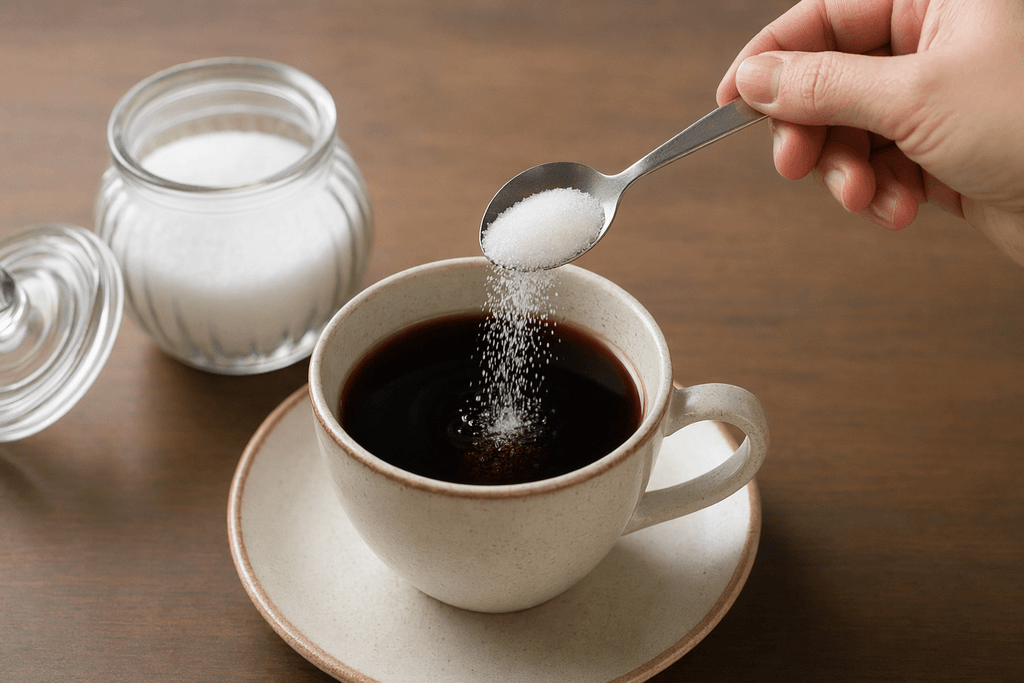
砂糖
糖
砂糖
糖
Explanation
砂糖
糖
砂糖
食用的糖,多為蔗糖 / 顆粒狀的白糖
( Base form )
( romanization )
( romanization )
( hiragana historical )
( hiragana )
おもしろい
有趣 / 好笑
おもしろい
有趣 / 好笑
Explanation
有趣 / 好笑
おもしろい
有趣的 / 逗趣的 / 好笑的

Word Forms
The basic and commonly used forms of this adjective.
Basic forms
| Form | Word form | Usage |
|---|---|---|
| Imperfective form (mizenkei) |
Alternative:
面白かろ
|
Used in forms such as karou; mainly literary. |
| Continuative form (renyokei) |
Alternative:
面白く
|
Used in forms such as kute and kunai. |
| Conclusive form (shushikei) |
Alternative:
面白い
|
Ends a sentence. |
| Attributive form (rentaikei) |
Alternative:
面白い
|
Modifies a noun. |
| Conditional form (kateikei) |
Alternative:
面白けれ
|
Expresses a condition with kereba. |
| Imperative form (meireikei) |
Alternative:
面白かれ
|
Rarely used in modern Japanese. |
Common forms
| Form | Word form | Usage |
|---|---|---|
| Te-form |
Alternative:
面白くて
|
Connects clauses with kute. |
| Ta-form |
Alternative:
面白かった
|
Expresses the past with katta. |
| Nai-form |
Alternative:
面白くない
|
Expresses negation with kunai. |
| Ba-form |
Alternative:
面白ければ
|
Expresses a condition with kereba. |
Notes
学生
學生
学生
學生
Explanation
学生
學生
学生
大學生 / 在大學就讀的學生

( Base form )
( romanization )
( kyūjitai )
( hiragana )
登る
攀登
登る
攀登
Explanation
登る
攀登
登る
攀登;爬上 / 上升;升高 / 逆流而上;溯行

Word Forms
The basic and commonly used forms of this verb.
Basic forms
| Form | Word form | Usage |
|---|---|---|
| Imperfective form (mizenkei) |
Alternative:
上ら
昇ら
登ろ
上ろ
昇ろ
|
Connects to endings such as nai, reru, and seru. |
| Continuative form (renyokei) |
Alternative:
上り
昇り
|
Connects to endings such as masu, tai, and ta. |
| Conclusive form (shushikei) |
Alternative:
上る
昇る
|
Ends a sentence and serves as the dictionary form. |
| Attributive form (rentaikei) |
Alternative:
上る
昇る
|
Modifies a noun. |
| Conditional form (kateikei) |
Alternative:
上れ
昇れ
|
Combines with ba to express a condition. |
| Imperative form (meireikei) |
Alternative:
上れ
昇れ
|
Expresses a command or instruction. |
Common forms
| Form | Word form | Usage |
|---|---|---|
| Te-form |
Alternative:
上って
昇って
|
Connects clauses with te. |
| Ta-form |
Alternative:
上った
昇った
|
Expresses the past with ta. |
| Nai-form |
Alternative:
上らない
昇らない
|
Expresses negation with nai. |
| Masu-form |
Alternative:
上ります
昇ります
|
Used for polite speech. |
| Ba-form |
Alternative:
上れば
昇れば
|
Expresses a condition with ba. |
| Volitional form |
Alternative:
上ろう
昇ろう
|
Expresses intention or invitation. |
Notes
古い
舊
古い
舊
Explanation
古い
舊
古い
舊的 / 古老的 / 過時的

Word Forms
The basic and commonly used forms of this adjective.
Basic forms
| Form | Word form | Usage |
|---|---|---|
| Imperfective form (mizenkei) | Used in forms such as karou; mainly literary. | |
| Continuative form (renyokei) |
Alternative:
古かっ
|
Used in forms such as kute and kunai. |
| Conclusive form (shushikei) | Ends a sentence. | |
| Attributive form (rentaikei) | Modifies a noun. | |
| Conditional form (kateikei) | Expresses a condition with kereba. | |
| Imperative form (meireikei) | Rarely used in modern Japanese. |
Common forms
喫茶店
咖啡館
喫茶店
咖啡館
Explanation
喫茶店
咖啡館
喫茶店
咖啡館 / 咖啡店 / 供應咖啡、茶與輕食的店

( Base form )
( romanization )
( hiragana )
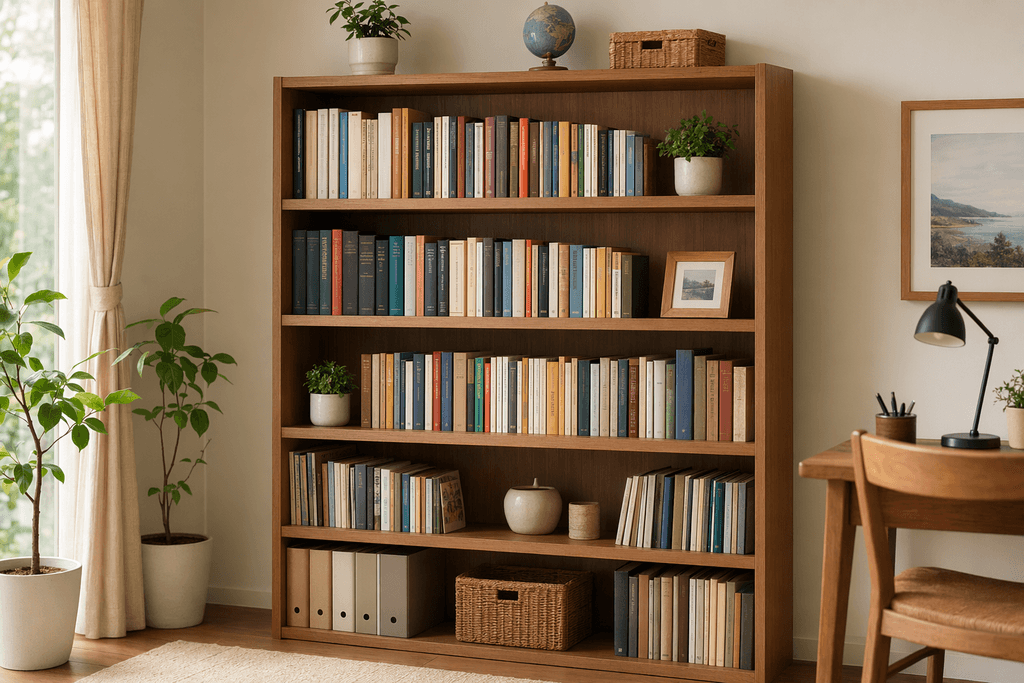
本棚
書架
本棚
書架
Explanation
本棚
書架
本棚
書架 / 書櫃
( Base form )
( romanization )
( hiragana )
Loading...

JLPT N5 多言語単語帳・665語 / JLPT N5 Multilingual Vocabulary: 665 Words

Jonathan Waller 氏の JLPT Resources の語彙リスト・レベル分類を出典とし、CC BY の条件に従って DiQt が初級向けに意味を作り直した665語の単語帳です。JLPT公式の語彙リストではありません。
This collection of 665 words is based on the vocabulary list and level classifications in Jonathan Waller’s JLPT Resources under CC BY, with meanings rewritten by DiQt for beginners. It is not an official JLPT vocabulary list.
Key Operations
Select the first quiz:
Ctrl + Enter
View Explanation:Ctrl + G
Close a feedback:Esc
When selecting a quiz
Answer:Enter
Select a choice:↓ or ↑
Reading out the question:Ctrl + K
View Hint: Ctrl + M
I don't know: Ctrl + Y



