
JLPT N2: Latihan arti kata - Unsolved

Pelajari arti 1790 kata JLPT N2 dalam bahasa Indonesia melalui soal dengan empat pilihan jawaban.
-
otak / intelek
-
periuk
-
keasaman
-
tercengang
-
penyok / merasa terpuruk
-
miring / condong ke
- 「流行る」はラ行五段活用。連用形接続の「て/た」は促音便で「流行って/流行った」となる。
- 未然形は「ない」接続では「流行ら」、意志・推量の「う」接続では「流行ろ」を用いる。
-
tidak masuk akal / kacau balau
-
teman akrab
-
berterima kasih / merasa tidak enak
-
kuap
-
dosen
-
parfum
-
mineral
-
penurunan
-
sumur
-
wanita
-
postur / sikap
-
halangan
-
secara mencolok
-
dengan sendirinya
-
jantung berdebar
-
pembotolan / makanan dalam botol
-
sandang, pangan, papan
-
keponakan perempuan
-
maaf / penolakan
-
penggabungan / pertemuan sungai
-
kelengahan
-
menghubungkan
-
memijat / meremas
-
menggaruk / berkeringat
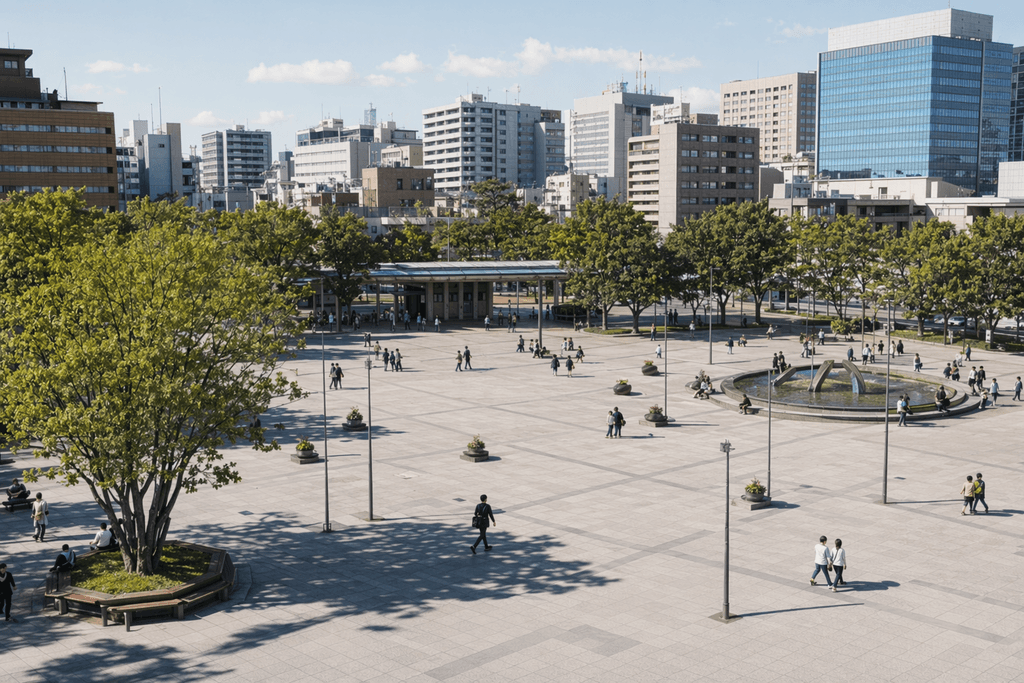
広場
alun-alun
広場
alun-alun
Explanation
広場
alun-alun
広場
alun-alun / plaza / ruang terbuka umum
( Base form )
( romanization )
( kyūjitai )
( hiragana )
流行る
populer / menjadi tren
流行る
populer / menjadi tren
Explanation
流行る
populer / menjadi tren
流行る
menjadi populer / sedang tren / menyebar luas/merajalela (tentang penyakit)

Word Forms
The basic and commonly used forms of this verb.
Basic forms
| Form | Word form | Usage |
|---|---|---|
| Imperfective form (mizenkei) |
Alternative:
はやら
流行ろ
はやろ
|
Connects to endings such as nai, reru, and seru. |
| Continuative form (renyokei) |
Alternative:
はやり
|
Connects to endings such as masu, tai, and ta. |
| Conclusive form (shushikei) |
Alternative:
はやる
|
Ends a sentence and serves as the dictionary form. |
| Attributive form (rentaikei) |
Alternative:
はやる
|
Modifies a noun. |
| Conditional form (kateikei) |
Alternative:
はやれ
|
Combines with ba to express a condition. |
| Imperative form (meireikei) |
Alternative:
はやれ
|
Expresses a command or instruction. |
Common forms
| Form | Word form | Usage |
|---|---|---|
| Te-form |
Alternative:
はやって
|
Connects clauses with te. |
| Ta-form |
Alternative:
はやった
|
Expresses the past with ta. |
| Nai-form |
Alternative:
はやらない
|
Expresses negation with nai. |
| Masu-form |
Alternative:
はやります
|
Used for polite speech. |
| Ba-form |
Alternative:
はやれば
|
Expresses a condition with ba. |
| Volitional form |
Alternative:
はやろう
|
Expresses intention or invitation. |
Notes
一定
tetap / konstan
一定
tetap / konstan
Explanation
一定
tetap / konstan
一定
tetap / pasti / tertentu

Word Forms
The basic and commonly used forms of this adjectival noun.
Basic forms
| Form | Word form | Usage |
|---|---|---|
| Imperfective form (mizenkei) | Used in forms such as darou. | |
| Continuative form (renyokei) |
Alternative:
一定に
一定だっ
|
Used with de or ni. |
| Conclusive form (shushikei) | Ends a sentence with da. | |
| Attributive form (rentaikei) | Modifies a noun with na. | |
| Conditional form (kateikei) | Expresses a condition with nara. | |
| Imperative form (meireikei) |
Alternative:
一定なれ
|
Used in formal expressions such as de are. |
Common forms
包丁
pisau dapur
包丁
pisau dapur
Explanation
包丁
pisau dapur
包丁
pisau dapur / pisau untuk memotong bahan makanan

( Base form )
( romanization )
( hiragana )
ジャーナリスト
jurnalis
ジャーナリスト
jurnalis
Explanation
jurnalis
ジャーナリスト
wartawan; jurnalis / orang yang mengumpulkan, menulis, dan melaporkan berita di media

( romanization )
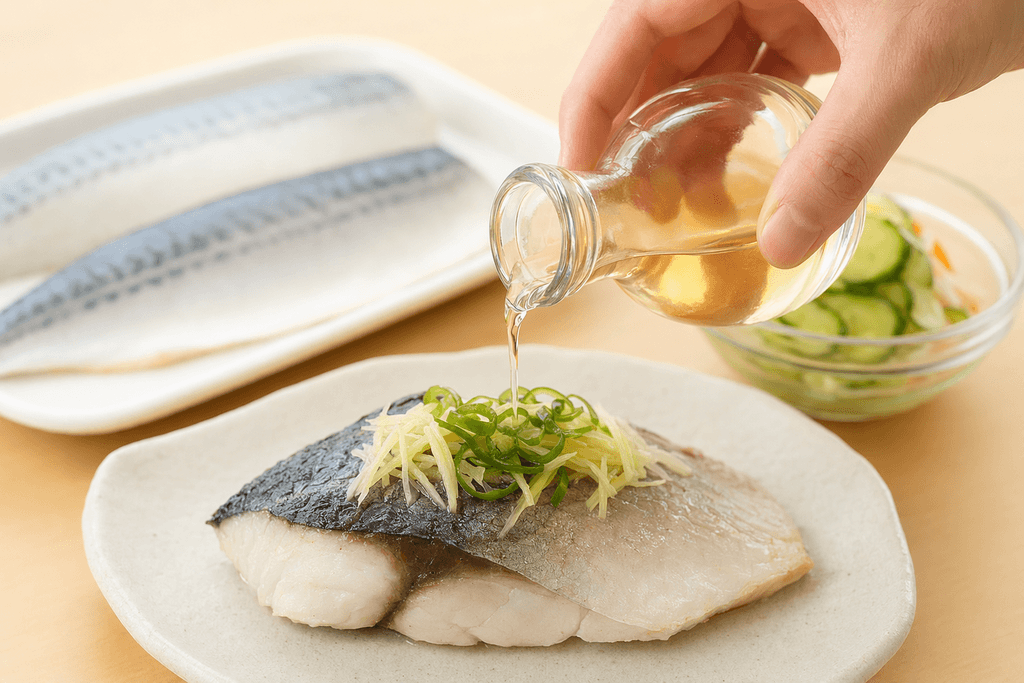
酢
cuka
酢
cuka
Explanation
酢
cuka
酢
cuka / larutan asam hasil fermentasi untuk bumbu/pengawet makanan
一段と
semakin
一段と
semakin
Explanation
一段と
semakin
一段と
jauh lebih / semakin / lebih lagi

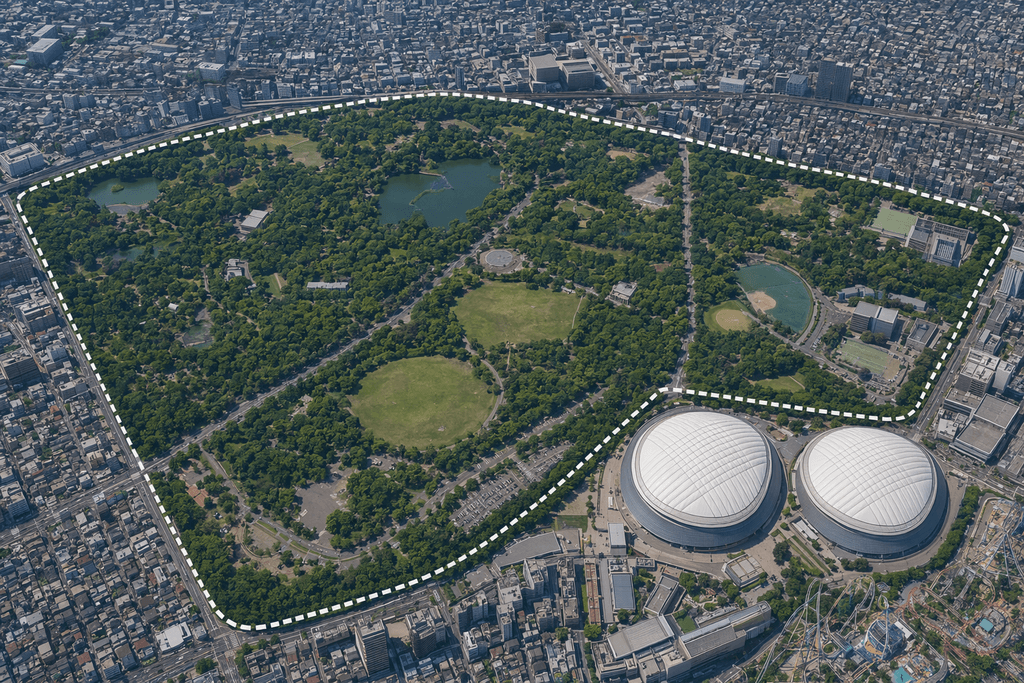
面積
luas bidang
面積
luas bidang
Explanation
面積
luas bidang
面積
luas / luas permukaan / luas wilayah
( Base form )
( romanization )
( hiragana )
夜行
perjalanan malam / kereta malam
夜行
perjalanan malam / kereta malam
Explanation
夜行
perjalanan malam / kereta malam
夜行
perjalanan malam / kereta malam (singkatan dari 夜行列車)

( Base form )
( romanization )
( hiragana )
補う
menutupi kekurangan
補う
menutupi kekurangan
Explanation
補う
menutupi kekurangan
補う
melengkapi / menutupi kekurangan / mengganti yang kurang

Word Forms
The basic and commonly used forms of this verb.
Basic forms
| Form | Word form | Usage |
|---|---|---|
| Imperfective form (mizenkei) |
Alternative:
補お
|
Connects to endings such as nai, reru, and seru. |
| Continuative form (renyokei) | Connects to endings such as masu, tai, and ta. | |
| Conclusive form (shushikei) | Ends a sentence and serves as the dictionary form. | |
| Attributive form (rentaikei) | Modifies a noun. | |
| Conditional form (kateikei) | Combines with ba to express a condition. | |
| Imperative form (meireikei) | Expresses a command or instruction. |
Common forms
Loading...

JLPT N2 多言語単語帳・1790語 / JLPT N2 Multilingual Vocabulary: 1790 Words

Jonathan Waller 氏の JLPT Resources の語彙リスト・レベル分類を出典とし、CC BY の条件に従って DiQt が学習者向けに意味を作り直した1790語の単語帳です。JLPT公式の語彙リストではありません。
This collection of 1790 words is based on the vocabulary list and level classifications in Jonathan Waller’s JLPT Resources under CC BY, with meanings rewritten by DiQt for learners. It is not an official JLPT vocabulary list.
Key Operations
Select the first quiz:
Ctrl + Enter
View Explanation:Ctrl + G
Close a feedback:Esc
When selecting a quiz
Answer:Enter
Select a choice:↓ or ↑
Reading out the question:Ctrl + K
View Hint: Ctrl + M
I don't know: Ctrl + Y



