
JLPT N2: Latihan arti kata - Unsolved

Pelajari arti 1790 kata JLPT N2 dalam bahasa Indonesia melalui soal dengan empat pilihan jawaban.
-
kuat / menenteramkan
-
jernih / suci
-
mencurigakan / meragukan
-
wajan
-
rekreasi
-
ketel
-
nampan / perayaan Obon
-
cangkir teh
-
anak usia dini
-
beberapa saat lalu
-
perkakas
-
samudra
-
pencerminan / pengaruh
-
panduan pelafalan
-
timbangan
-
nilai nol
-
penggunaan habis / keausan
-
parfum
-
melalaikan
-
duduk
-
tahu / berpikir
- 「つまずく」が現代仮名遣いの標準的表記。漢字表記「躓く」および「つまづく」も見られる。
-
menggoda
-
menghamparkan / menebarkan
-
berangkat
- 「拝む」はマ行五段活用の動詞。
- 未然形「拝も」は意志・推量の助動詞「う」に接続する形。
-
terjangkau / praktis
-
masuk kerja
-
perajin
-
membalikkan
-
panik / terburu-buru
-
menyingkir
- 複合表現「気を付ける」は、末尾の一段動詞「付ける」に従って活用します。
粗い
bertekstur kasar
粗い
bertekstur kasar
Explanation
粗い
bertekstur kasar
粗い
kasar / tidak halus / berbutir besar

Word Forms
The basic and commonly used forms of this adjective.
Basic forms
| Form | Word form | Usage |
|---|---|---|
| Imperfective form (mizenkei) | Used in forms such as karou; mainly literary. | |
| Continuative form (renyokei) |
Alternative:
粗かっ
|
Used in forms such as kute and kunai. |
| Conclusive form (shushikei) | Ends a sentence. | |
| Attributive form (rentaikei) | Modifies a noun. | |
| Conditional form (kateikei) | Expresses a condition with kereba. | |
| Imperative form (meireikei) | Rarely used in modern Japanese. |
Common forms
割引
diskon
割引
diskon
Explanation
割引
diskon
割引
diskon / potongan harga / pengurangan harga

( Base form )
( romanization )
( stem )
( Past )
( table-tags )
( inflection-template )
( imperfective stem )
( imperfective stem )
( imperfective )
( continuative stem )
( continuative stem )
( continuative )
( stem terminative )
( stem terminative )
( terminative )
( attributive stem )
( attributive stem )
( attributive )
( hypothetical stem )
( hypothetical stem )
( hypothetical )
( Imperative literary stem )
( colloquial Imperative stem )
( Imperative literary stem )
( colloquial Imperative stem )
( Imperative literary )
( colloquial Imperative )
( Passive voice )
( Passive voice )
( Passive voice )
( causative )
( causative )
( causative )
( causative )
( causative )
( causative )
( potential )
( potential )
( potential )
( volitional )
( volitional )
( volitional )
( negative )
( negative )
( negative )
( continuative negative )
( continuative negative )
( continuative negative )
( formal )
( formal )
( formal )
( perfective )
( perfective )
( perfective )
( conjunctive )
( conjunctive )
( conjunctive )
( Conditional hypothetical )
( Conditional hypothetical )
( Conditional hypothetical )
観測
pengamatan
観測
pengamatan
Explanation
観測
pengamatan
観測
pengamatan (ilmiah) / pemantauan / pengukuran

( Base form )
( romanization )
( kyūjitai )
( hiragana )
要領
pokok isi / kiat
要領
pokok isi / kiat
Explanation
要領
pokok isi / kiat
要領
pokok persoalan / esensi / kiat

( Base form )
( romanization )
( hiragana )
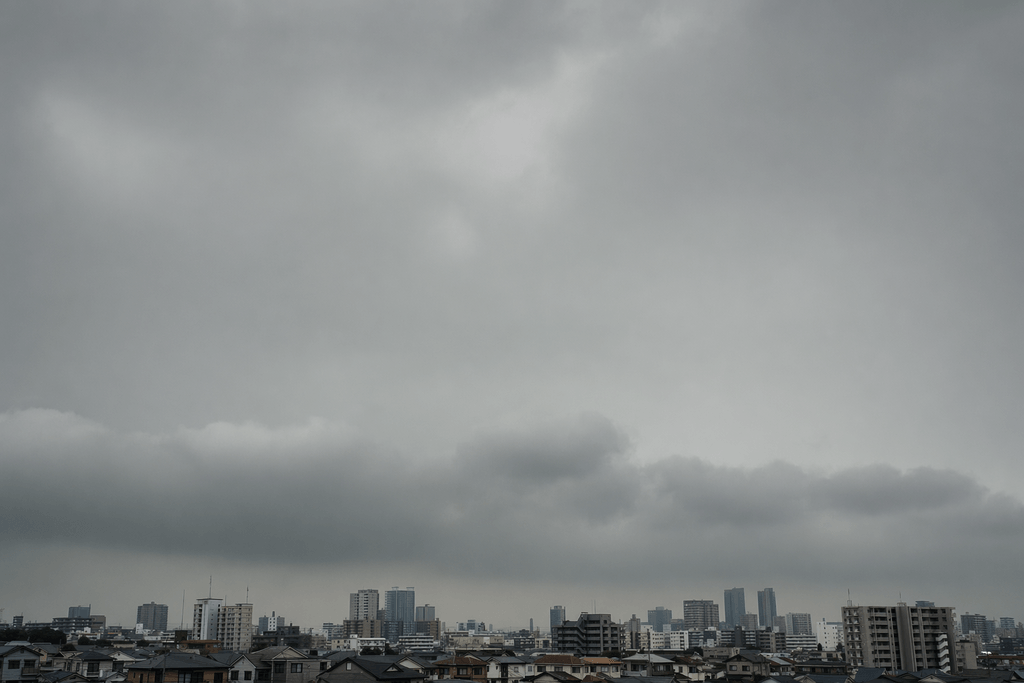
灰色
abu-abu
灰色
abu-abu
Explanation
灰色
abu-abu
灰色
abu-abu / warna kelabu
( Base form )
( romanization )
( romanization )
( hiragana historical )
( hiragana )
紫
ungu
紫
ungu
Explanation
紫
ungu
紫
warna ungu / ungu (warna)

( romanization )
( hiragana )
つまずく
tersandung
つまずく
tersandung
Explanation
tersandung
つまずく
tersandung / gagal di tengah jalan

Word Forms
The basic and commonly used forms of this verb.
Basic forms
| Form | Word form | Usage |
|---|---|---|
| Imperfective form (mizenkei) |
Alternative:
躓か
つまづか
|
Connects to endings such as nai, reru, and seru. |
| Continuative form (renyokei) |
Alternative:
躓き
つまづき
|
Connects to endings such as masu, tai, and ta. |
| Conclusive form (shushikei) |
Alternative:
躓く
つまづく
|
Ends a sentence and serves as the dictionary form. |
| Attributive form (rentaikei) |
Alternative:
躓く
つまづく
|
Modifies a noun. |
| Conditional form (kateikei) |
Alternative:
躓け
つまづけ
|
Combines with ba to express a condition. |
| Imperative form (meireikei) |
Alternative:
躓け
つまづけ
|
Expresses a command or instruction. |
Common forms
| Form | Word form | Usage |
|---|---|---|
| Te-form |
Alternative:
躓いて
つまづいて
|
Connects clauses with te. |
| Ta-form |
Alternative:
躓いた
つまづいた
|
Expresses the past with ta. |
| Nai-form |
Alternative:
躓かない
つまづかない
|
Expresses negation with nai. |
| Masu-form |
Alternative:
躓きます
つまづきます
|
Used for polite speech. |
| Ba-form |
Alternative:
躓けば
つまづけば
|
Expresses a condition with ba. |
| Volitional form |
Alternative:
躓こう
つまづこう
|
Expresses intention or invitation. |
Notes
拝む
menyembah / memohon
拝む
menyembah / memohon
Explanation
拝む
menyembah / memohon
拝む
membungkuk dengan hormat / menangkupkan tangan dan berdoa / menyembah

Word Forms
The basic and commonly used forms of this verb.
Basic forms
| Form | Word form | Usage |
|---|---|---|
| Imperfective form (mizenkei) |
Alternative:
拝も
|
Connects to endings such as nai, reru, and seru. |
| Continuative form (renyokei) | Connects to endings such as masu, tai, and ta. | |
| Conclusive form (shushikei) | Ends a sentence and serves as the dictionary form. | |
| Attributive form (rentaikei) | Modifies a noun. | |
| Conditional form (kateikei) | Combines with ba to express a condition. | |
| Imperative form (meireikei) | Expresses a command or instruction. |
Common forms
| Form | Word form | Usage |
|---|---|---|
| Te-form | Connects clauses with te. | |
| Ta-form | Expresses the past with ta. | |
| Nai-form | Expresses negation with nai. | |
| Masu-form | Used for polite speech. | |
| Ba-form | Expresses a condition with ba. | |
| Volitional form | Expresses intention or invitation. |
Notes
しゃっくり
cegukan
しゃっくり
cegukan
Explanation
cegukan
しゃっくり
cegukan / tarikan napas tersentak akibat kejang diafragma

( romanization )
気を付ける
berhati-hati
気を付ける
berhati-hati
Explanation
気を付ける
berhati-hati
気を付ける
berhati-hati / waspada / menjaga diri

Word Forms
The basic and commonly used forms of this verb.
Basic forms
| Form | Word form | Usage |
|---|---|---|
| Imperfective form (mizenkei) |
Alternative:
気をつけ
きをつけ
|
Connects to endings such as nai, reru, and seru. |
| Continuative form (renyokei) |
Alternative:
気をつけ
きをつけ
|
Connects to endings such as masu, tai, and ta. |
| Conclusive form (shushikei) |
Alternative:
気をつける
きをつける
|
Ends a sentence and serves as the dictionary form. |
| Attributive form (rentaikei) |
Alternative:
気をつける
きをつける
|
Modifies a noun. |
| Conditional form (kateikei) |
Alternative:
気をつけれ
きをつけれ
|
Combines with ba to express a condition. |
| Imperative form (meireikei) |
Alternative:
気を付けよ
気をつけろ
気をつけよ
きをつけろ
きをつけよ
|
Expresses a command or instruction. |
Common forms
| Form | Word form | Usage |
|---|---|---|
| Te-form |
Alternative:
気をつけて
きをつけて
|
Connects clauses with te. |
| Ta-form |
Alternative:
気をつけた
きをつけた
|
Expresses the past with ta. |
| Nai-form |
Alternative:
気をつけない
きをつけない
|
Expresses negation with nai. |
| Masu-form |
Alternative:
気をつけます
きをつけます
|
Used for polite speech. |
| Ba-form |
Alternative:
気をつければ
きをつければ
|
Expresses a condition with ba. |
| Volitional form |
Alternative:
気をつけよう
きをつけよう
|
Expresses intention or invitation. |
Notes
Loading...

JLPT N2 多言語単語帳・1790語 / JLPT N2 Multilingual Vocabulary: 1790 Words

Jonathan Waller 氏の JLPT Resources の語彙リスト・レベル分類を出典とし、CC BY の条件に従って DiQt が学習者向けに意味を作り直した1790語の単語帳です。JLPT公式の語彙リストではありません。
This collection of 1790 words is based on the vocabulary list and level classifications in Jonathan Waller’s JLPT Resources under CC BY, with meanings rewritten by DiQt for learners. It is not an official JLPT vocabulary list.
Key Operations
Select the first quiz:
Ctrl + Enter
View Explanation:Ctrl + G
Close a feedback:Esc
When selecting a quiz
Answer:Enter
Select a choice:↓ or ↑
Reading out the question:Ctrl + K
View Hint: Ctrl + M
I don't know: Ctrl + Y



