
JLPT N2: Latihan arti kata - Unsolved

Pelajari arti 1790 kata JLPT N2 dalam bahasa Indonesia melalui soal dengan empat pilihan jawaban.
-
menyusut
-
runcing / tampak kesal
-
menahan derita / menahan diri
-
menu
-
nama tempat
-
istirahat
-
menjadi jernih
-
memperpanjang / menunda
-
memikul di bahu
-
manufaktur
-
tanjung
-
terus-menerus / dari awal hingga akhir
-
padat / keras kepala
-
mengagumkan / berkedudukan tinggi
-
lambat
-
naik turun / bagian atas dan bawah
-
rasa sangat terharu
-
pusat kota
-
lalu lintas pejalan kaki
-
buku-buku
-
kelengahan
-
relokasi
-
lorong
-
jasa binatu
-
tidak masuk akal / kacau balau
-
omong kosong / acak
-
tegas
-
memasukkan
-
meminta maaf
-
mengelupaskan / mencopot
詫びる
meminta maaf
詫びる
meminta maaf
Explanation
詫びる
meminta maaf
詫びる
meminta maaf / memohon maaf / menyampaikan permintaan maaf

Word Forms
The basic and commonly used forms of this verb.
Basic forms
| Form | Word form | Usage |
|---|---|---|
| Imperfective form (mizenkei) |
Alternative:
侘び
|
Connects to endings such as nai, reru, and seru. |
| Continuative form (renyokei) |
Alternative:
侘び
|
Connects to endings such as masu, tai, and ta. |
| Conclusive form (shushikei) |
Alternative:
侘びる
|
Ends a sentence and serves as the dictionary form. |
| Attributive form (rentaikei) |
Alternative:
侘びる
|
Modifies a noun. |
| Conditional form (kateikei) |
Alternative:
侘びれ
|
Combines with ba to express a condition. |
| Imperative form (meireikei) |
Alternative:
詫びよ
侘びろ
侘びよ
|
Expresses a command or instruction. |
Common forms
| Form | Word form | Usage |
|---|---|---|
| Te-form |
Alternative:
侘びて
|
Connects clauses with te. |
| Ta-form |
Alternative:
侘びた
|
Expresses the past with ta. |
| Nai-form |
Alternative:
侘びない
|
Expresses negation with nai. |
| Masu-form |
Alternative:
侘びます
|
Used for polite speech. |
| Ba-form |
Alternative:
侘びれば
|
Expresses a condition with ba. |
| Volitional form |
Alternative:
侘びよう
|
Expresses intention or invitation. |
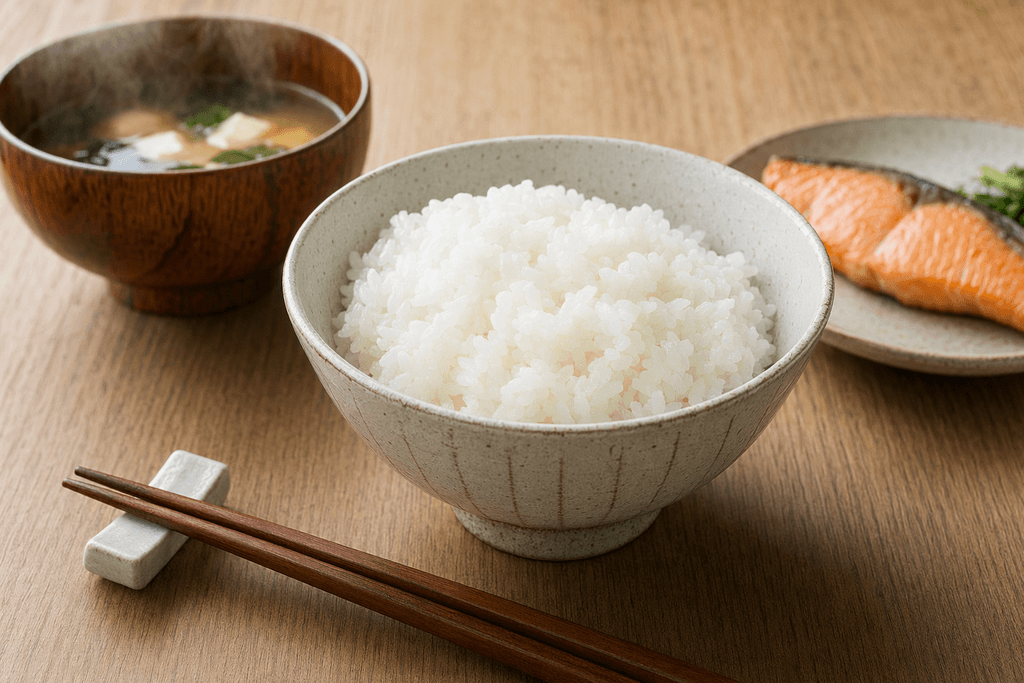
茶碗
mangkuk nasi / cangkir teh
茶碗
mangkuk nasi / cangkir teh
Explanation
茶碗
mangkuk nasi / cangkir teh
茶碗
mangkuk nasi / mangkuk untuk makan nasi
( Base form )
( romanization )
( hiragana )
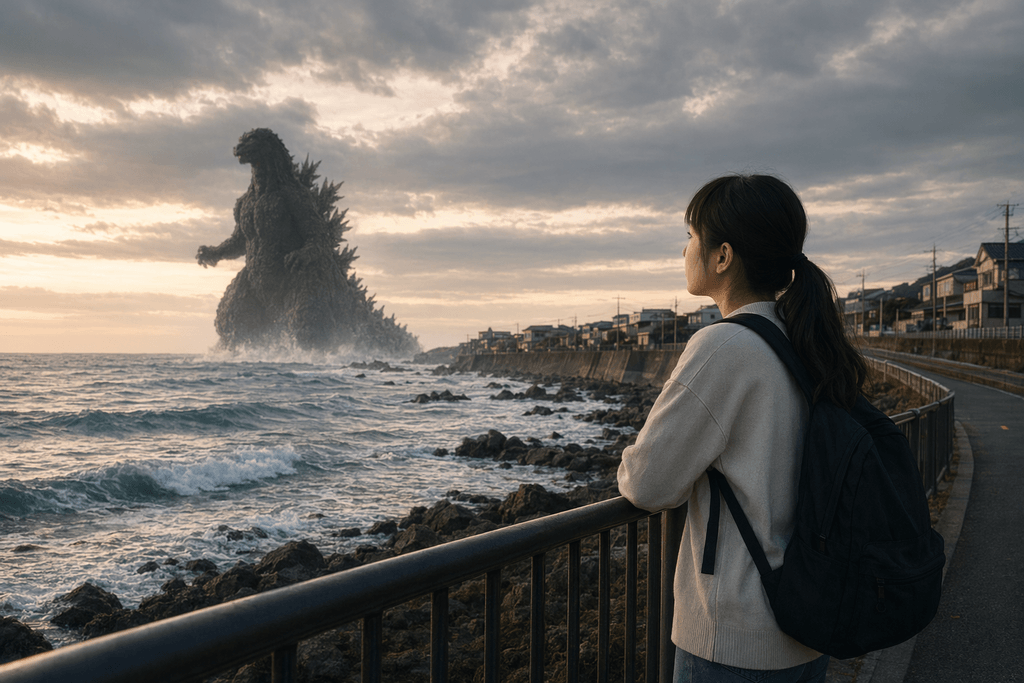
見慣れる
terbiasa melihat
見慣れる
terbiasa melihat
Explanation
見慣れる
terbiasa melihat
見慣れる
menjadi terbiasa melihat / menjadi akrab di mata / menjadi pemandangan biasa
Word Forms
The basic and commonly used forms of this verb.
Basic forms
| Form | Word form | Usage |
|---|---|---|
| Imperfective form (mizenkei) | Connects to endings such as nai, reru, and seru. | |
| Continuative form (renyokei) | Connects to endings such as masu, tai, and ta. | |
| Conclusive form (shushikei) | Ends a sentence and serves as the dictionary form. | |
| Attributive form (rentaikei) | Modifies a noun. | |
| Conditional form (kateikei) | Combines with ba to express a condition. | |
| Imperative form (meireikei) |
Alternative:
見慣れよ
|
Expresses a command or instruction. |
Common forms
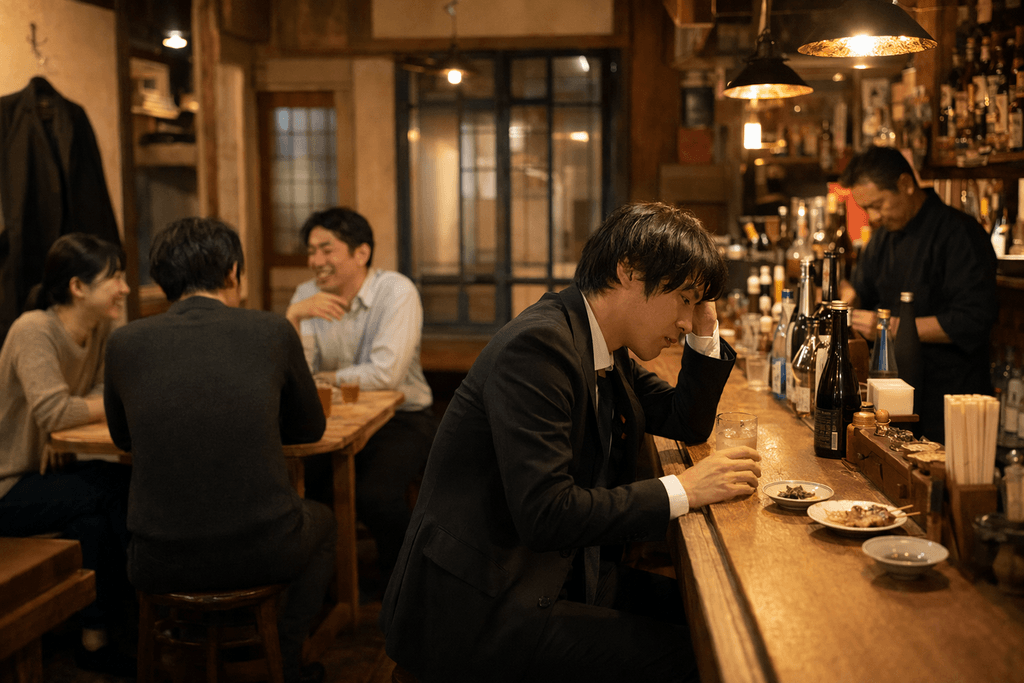
酒場
kedai minuman keras
酒場
kedai minuman keras
Explanation
酒場
kedai minuman keras
酒場
bar / kedai minum / pub
( Base form )
( romanization )
( hiragana )
四角い
segi empat
四角い
segi empat
Explanation
四角い
segi empat
四角い
berbentuk segi empat / kaku; terlalu formal atau terlalu serius (gaya bicara)

Word Forms
The basic and commonly used forms of this adjective.
Basic forms
| Form | Word form | Usage |
|---|---|---|
| Imperfective form (mizenkei) | Used in forms such as karou; mainly literary. | |
| Continuative form (renyokei) |
Alternative:
四角かっ
|
Used in forms such as kute and kunai. |
| Conclusive form (shushikei) | Ends a sentence. | |
| Attributive form (rentaikei) | Modifies a noun. | |
| Conditional form (kateikei) | Expresses a condition with kereba. | |
| Imperative form (meireikei) | Rarely used in modern Japanese. |
Common forms
形容詞
adjektiva
形容詞
adjektiva
Explanation
形容詞
adjektiva
形容詞
(tatabahasa Jepang) kata sifat -i (i-adjektiva) / (umum) kata sifat; adjektiva
Dalam tata bahasa Jepang, kata sifat -i seperti "takai" memiliki bentuk atributif yang diakhiri dengan "i", jadi Anda perlu mempelajari pola konjugasinya secara akurat.

( Base form )
( romanization )
( hiragana )
句読点
tanda baca
句読点
tanda baca
Explanation
句読点
tanda baca
句読点
tanda baca / tanda titik dan koma

( Base form )
( romanization )
( kyūjitai )
( hiragana )
文脈
konteks
文脈
konteks
Explanation
文脈
konteks
文脈
konteks linguistik / konteks wacana / konteks kalimat

( Base form )
( romanization )
( hiragana )
厳重
ketat / saksama
厳重
ketat / saksama
Explanation
厳重
ketat / saksama
厳重
keketatan / ketegasan / kewaspadaan

Word Forms
The basic and commonly used forms of this adjectival noun.
Basic forms
| Form | Word form | Usage |
|---|---|---|
| Imperfective form (mizenkei) | Used in forms such as darou. | |
| Continuative form (renyokei) |
Alternative:
厳重に
|
Used with de or ni. |
| Conclusive form (shushikei) | Ends a sentence with da. | |
| Attributive form (rentaikei) | Modifies a noun with na. | |
| Conditional form (kateikei) | Expresses a condition with nara. | |
| Imperative form (meireikei) | Used in formal expressions such as de are. |
Common forms
呼び出す
memanggil / menelepon
呼び出す
memanggil / menelepon
Explanation
呼び出す
memanggil / menelepon
呼び出す
memanggil; menyuruh datang / menelepon / (pemrograman) memanggil/menginvokasi metode atau fungsi

Word Forms
The basic and commonly used forms of this verb.
Basic forms
| Form | Word form | Usage |
|---|---|---|
| Imperfective form (mizenkei) |
Alternative:
呼び出そ
|
Connects to endings such as nai, reru, and seru. |
| Continuative form (renyokei) | Connects to endings such as masu, tai, and ta. | |
| Conclusive form (shushikei) | Ends a sentence and serves as the dictionary form. | |
| Attributive form (rentaikei) | Modifies a noun. | |
| Conditional form (kateikei) | Combines with ba to express a condition. | |
| Imperative form (meireikei) | Expresses a command or instruction. |
Common forms
Loading...

JLPT N2 多言語単語帳・1790語 / JLPT N2 Multilingual Vocabulary: 1790 Words

Jonathan Waller 氏の JLPT Resources の語彙リスト・レベル分類を出典とし、CC BY の条件に従って DiQt が学習者向けに意味を作り直した1790語の単語帳です。JLPT公式の語彙リストではありません。
This collection of 1790 words is based on the vocabulary list and level classifications in Jonathan Waller’s JLPT Resources under CC BY, with meanings rewritten by DiQt for learners. It is not an official JLPT vocabulary list.
Key Operations
Select the first quiz:
Ctrl + Enter
View Explanation:Ctrl + G
Close a feedback:Esc
When selecting a quiz
Answer:Enter
Select a choice:↓ or ↑
Reading out the question:Ctrl + K
View Hint: Ctrl + M
I don't know: Ctrl + Y



