
JLPT N2: Latihan arti kata - Unsolved

Pelajari arti 1790 kata JLPT N2 dalam bahasa Indonesia melalui soal dengan empat pilihan jawaban.
-
mi soba
-
tempat / bagian teks
-
peron
-
perkalian
-
arah / bidang
-
pramusaji wanita
-
belakang
-
mercusuar
-
gerakan / pengoperasian
-
menyalip
-
mengipasi
-
menjadi jernih
-
kembang api
-
perjalanan dinas
-
nama keluarga
-
sekolah pascasarjana
-
balasan
-
kelembapan
-
percepatan
-
bagian depan / tepat di depan
-
pestisida
-
seminar
-
latihan menulis indah
-
nomina
-
khatulistiwa
-
baterai kering
-
manufaktur
-
berbisik
-
melalaikan
-
bergema
対照
kontras
対照
kontras
Explanation
対照
kontras
対照
kontras; perbandingan / antitesis / kontrol (dalam eksperimen)

( Base form )
( romanization )
( kyūjitai )
( hiragana )
相違
perbedaan
相違
perbedaan
Explanation
相違
perbedaan
相違
perbedaan / ketidaksesuaian / ketidakcocokan

( Base form )
( romanization )
( hiragana )
手洗い
cuci tangan / toilet
手洗い
cuci tangan / toilet
Explanation
手洗い
cuci tangan / toilet
手洗い
pencucian tangan / pencucian dengan tangan (bukan mesin) / toilet; kamar kecil

( Base form )
( romanization )
( romanization )
( hiragana historical )
飛び込む
melompat masuk
飛び込む
melompat masuk
Explanation
飛び込む
melompat masuk
飛び込む
melompat/menyelam ke dalam / menerobos masuk / nyelonong/menyela

Word Forms
The basic and commonly used forms of this verb.
Basic forms
| Form | Word form | Usage |
|---|---|---|
| Imperfective form (mizenkei) |
Alternative:
飛び込も
|
Connects to endings such as nai, reru, and seru. |
| Continuative form (renyokei) | Connects to endings such as masu, tai, and ta. | |
| Conclusive form (shushikei) | Ends a sentence and serves as the dictionary form. | |
| Attributive form (rentaikei) | Modifies a noun. | |
| Conditional form (kateikei) | Combines with ba to express a condition. | |
| Imperative form (meireikei) | Expresses a command or instruction. |
Common forms
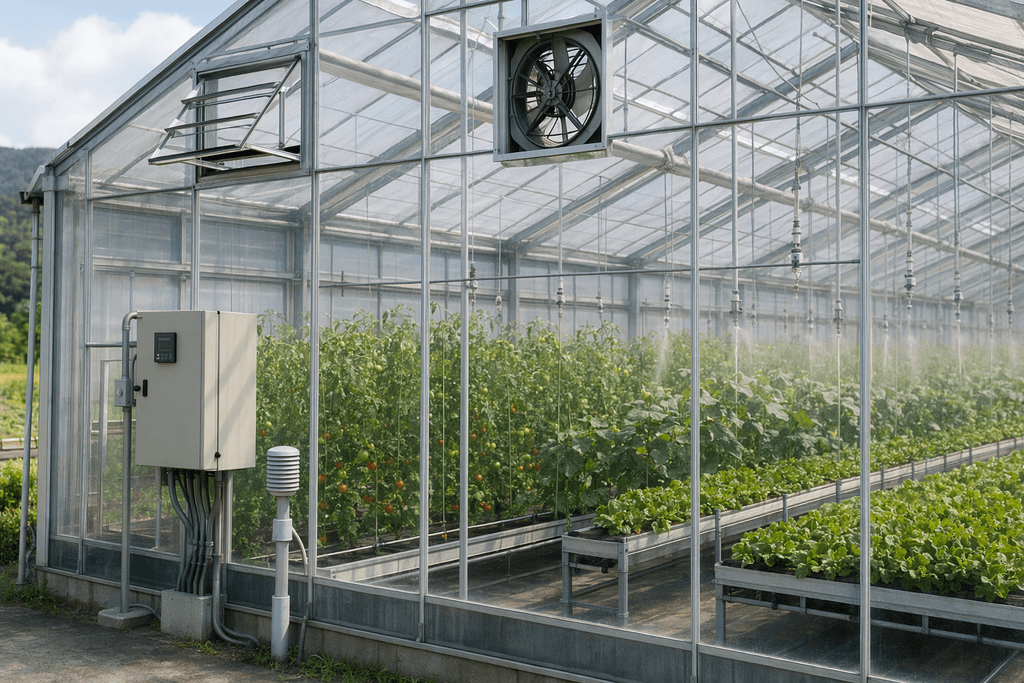
温室
rumah kaca
温室
rumah kaca
Explanation
温室
rumah kaca
温室
rumah kaca / pemandian panas di kuil Buddha
( Base form )
( romanization )
( romanization )
( hiragana historical )
( hiragana )
( Base form )
( romanization )
( romanization )
( alternative )
( Rōmaji )
( hiragana historical )
( hiragana )
先々週
dua minggu lalu
先々週
dua minggu lalu
Explanation
先々週
dua minggu lalu
先々週
dua minggu yang lalu / dua pekan yang lalu / minggu sebelum minggu lalu

( Base form )
( romanization )
( hiragana )
名詞
nomina
名詞
nomina
Explanation
名詞
nomina
名詞
kata benda / nomina

( Base form )
( romanization )
( hiragana )
測量
survei tanah
測量
survei tanah
Explanation
測量
survei tanah
測量
pengukuran / survei (ukur tanah/medan) / ilmu ukur tanah

( Base form )
( romanization )
( romanization )
( stem )
( Past )
( hiragana historical )
( table-tags )
( inflection-template )
( imperfective stem )
( imperfective stem )
( imperfective )
( continuative stem )
( continuative stem )
( continuative )
( stem terminative )
( stem terminative )
( terminative )
( attributive stem )
( attributive stem )
( attributive )
( hypothetical stem )
( hypothetical stem )
( hypothetical )
( Imperative literary stem )
( colloquial Imperative stem )
( Imperative literary stem )
( colloquial Imperative stem )
( Imperative literary )
( colloquial Imperative )
( Passive voice )
( Passive voice )
( Passive voice )
( causative )
( causative )
( causative )
( causative )
( causative )
( causative )
( potential )
( potential )
( potential )
( volitional )
( volitional )
( volitional )
( negative )
( negative )
( negative )
( continuative negative )
( continuative negative )
( continuative negative )
( formal )
( formal )
( formal )
( perfective )
( perfective )
( perfective )
( conjunctive )
( conjunctive )
( conjunctive )
( Conditional hypothetical )
( Conditional hypothetical )
( Conditional hypothetical )
待合室
ruang tunggu
待合室
ruang tunggu
Explanation
待合室
ruang tunggu
待合室
ruang tunggu / area tunggu / tempat menunggu

( Base form )
( romanization )
( romanization )
( hiragana historical )
( hiragana )
溶ける
meleleh / larut
溶ける
meleleh / larut
Explanation
溶ける
meleleh / larut
溶ける
larut (dalam cairan) / meleleh / mencair (es/salju)

Word Forms
The basic and commonly used forms of this verb.
Basic forms
| Form | Word form | Usage |
|---|---|---|
| Imperfective form (mizenkei) | Connects to endings such as nai, reru, and seru. | |
| Continuative form (renyokei) | Connects to endings such as masu, tai, and ta. | |
| Conclusive form (shushikei) | Ends a sentence and serves as the dictionary form. | |
| Attributive form (rentaikei) | Modifies a noun. | |
| Conditional form (kateikei) | Combines with ba to express a condition. | |
| Imperative form (meireikei) |
Alternative:
溶けよ
|
Expresses a command or instruction. |
Common forms
Loading...

JLPT N2 多言語単語帳・1790語 / JLPT N2 Multilingual Vocabulary: 1790 Words

Jonathan Waller 氏の JLPT Resources の語彙リスト・レベル分類を出典とし、CC BY の条件に従って DiQt が学習者向けに意味を作り直した1790語の単語帳です。JLPT公式の語彙リストではありません。
This collection of 1790 words is based on the vocabulary list and level classifications in Jonathan Waller’s JLPT Resources under CC BY, with meanings rewritten by DiQt for learners. It is not an official JLPT vocabulary list.
Key Operations
Select the first quiz:
Ctrl + Enter
View Explanation:Ctrl + G
Close a feedback:Esc
When selecting a quiz
Answer:Enter
Select a choice:↓ or ↑
Reading out the question:Ctrl + K
View Hint: Ctrl + M
I don't know: Ctrl + Y



