
JLPT N2: Latihan arti kata - Unsolved

Pelajari arti 1790 kata JLPT N2 dalam bahasa Indonesia melalui soal dengan empat pilihan jawaban.
-
sebelah sini / tepat sebelum
-
luas bidang
-
kayu bahan bangunan
-
tanda panah
-
telepon ekstensi
-
tinta kaligrafi
-
hortikultura
-
penunjukan / penetapan
-
tiga hari dari sekarang
-
membagikan
-
mengeluarkan
-
menjadi jernih
- 他動詞。五段活用(サ行)。
- 未然形「汚そ」は意志・推量の助動詞「う」に接続する形。
-
tajuk rencana
-
tingkat kelembapan
-
publisitas / propaganda
-
penembakan / peluncuran
-
penutupan sementara
-
pengaturan
-
silakan duduk
-
terima kasih atas kerja kerasmu
-
saya duluan
-
lama tidak berkabar
-
pisau dapur
-
Abad Pertengahan
-
menyerang / membalas dendam
-
menguntungkan
-
tahu / berpikir
-
kecepatan
-
loker
-
stok habis
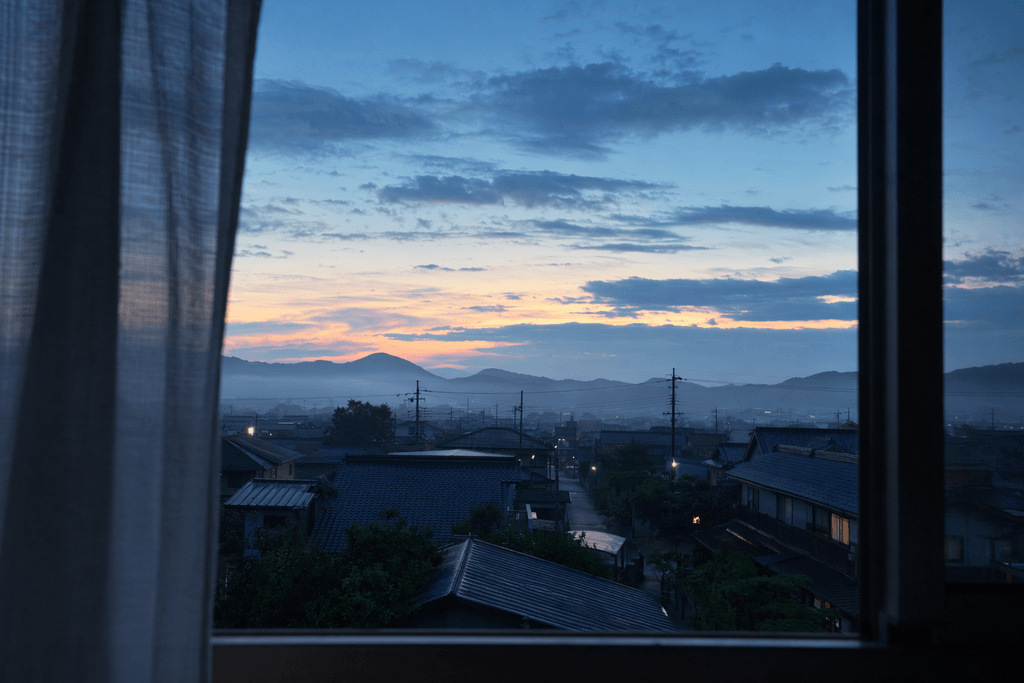
明け方
fajar
明け方
fajar
Explanation
明け方
fajar
明け方
fajar / waktu menjelang pagi / saat hari mulai terang
( Base form )
( romanization )
( hiragana )
枕
bantal
枕
bantal
Explanation
枕
bantal
枕
bantal / alas kepala untuk tidur / sandaran kepala

( romanization )
直後
segera setelah
直後
segera setelah
Explanation
直後
segera setelah
直後
tepat setelah / langsung setelahnya / sesaat sesudahnya

( Base form )
( romanization )
( hiragana )
汚す
mengotori
汚す
mengotori
Explanation
汚す
mengotori
汚す
mencemari / mengotori / menodai

Word Forms
The basic and commonly used forms of this verb.
Basic forms
| Form | Word form | Usage |
|---|---|---|
| Imperfective form (mizenkei) |
Alternative:
汚そ
|
Connects to endings such as nai, reru, and seru. |
| Continuative form (renyokei) | Connects to endings such as masu, tai, and ta. | |
| Conclusive form (shushikei) | Ends a sentence and serves as the dictionary form. | |
| Attributive form (rentaikei) | Modifies a noun. | |
| Conditional form (kateikei) | Combines with ba to express a condition. | |
| Imperative form (meireikei) | Expresses a command or instruction. |
Common forms
| Form | Word form | Usage |
|---|---|---|
| Te-form | Connects clauses with te. | |
| Ta-form | Expresses the past with ta. | |
| Nai-form | Expresses negation with nai. | |
| Masu-form | Used for polite speech. | |
| Ba-form | Expresses a condition with ba. | |
| Volitional form | Expresses intention or invitation. |
Notes
分量
takaran
分量
takaran
Explanation
分量
takaran
分量
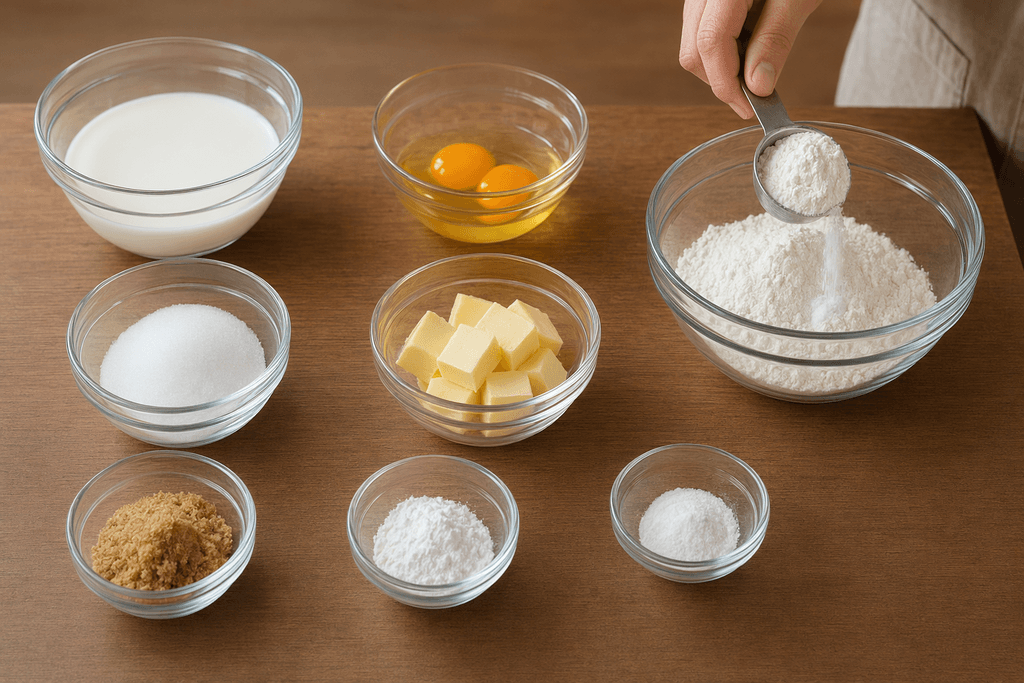
jumlah / kuantitas / takaran
( Base form )
( romanization )
( hiragana )
公害
pencemaran lingkungan
公害
pencemaran lingkungan
Explanation
公害
pencemaran lingkungan
公害
pencemaran lingkungan / gangguan umum (public nuisance)

( Base form )
( romanization )
( hiragana )
どうぞよろしく
senang berkenalan
どうぞよろしく
senang berkenalan
Explanation
senang berkenalan
どうぞよろしく
Salam kenal / Mohon bantuannya / Mohon kerja samanya
Nama saya Tanaka, dan saya telah ditugaskan ke departemen ini mulai hari ini. Saya akan bekerja keras untuk menjadi berguna sesegera mungkin sambil belajar dari semua orang, jadi saya berharap dapat bekerja sama dengan Anda.

消毒
disinfeksi
消毒
disinfeksi
Explanation
消毒
disinfeksi
消毒
disinfeksi / pembasmian kuman / penghilangan kuman

( Base form )
( romanization )
( romanization )
( hiragana historical )
( hiragana )
こぼれる
tumpah
こぼれる
tumpah
Explanation
tumpah
こぼれる
tumpah; meluap / air mata menetes / berserak; terlepas

Word Forms
The basic and commonly used forms of this verb.
Basic forms
| Form | Word form | Usage |
|---|---|---|
| Imperfective form (mizenkei) |
Alternative:
零れ
|
Connects to endings such as nai, reru, and seru. |
| Continuative form (renyokei) |
Alternative:
零れ
|
Connects to endings such as masu, tai, and ta. |
| Conclusive form (shushikei) |
Alternative:
零れる
|
Ends a sentence and serves as the dictionary form. |
| Attributive form (rentaikei) |
Alternative:
零れる
|
Modifies a noun. |
| Conditional form (kateikei) |
Alternative:
零れれ
|
Combines with ba to express a condition. |
| Imperative form (meireikei) |
Alternative:
こぼれよ
零れろ
零れよ
|
Expresses a command or instruction. |
Common forms
| Form | Word form | Usage |
|---|---|---|
| Te-form |
Alternative:
零れて
|
Connects clauses with te. |
| Ta-form |
Alternative:
零れた
|
Expresses the past with ta. |
| Nai-form |
Alternative:
零れない
|
Expresses negation with nai. |
| Masu-form |
Alternative:
零れます
|
Used for polite speech. |
| Ba-form |
Alternative:
零れれば
|
Expresses a condition with ba. |
| Volitional form |
Alternative:
零れよう
|
Expresses intention or invitation. |
受話器
gagang telepon
受話器
gagang telepon
Explanation
受話器
gagang telepon
受話器
gagang telepon / handset telepon / penerima telepon

( Base form )
( romanization )
( hiragana )
Loading...

JLPT N2 多言語単語帳・1790語 / JLPT N2 Multilingual Vocabulary: 1790 Words

Jonathan Waller 氏の JLPT Resources の語彙リスト・レベル分類を出典とし、CC BY の条件に従って DiQt が学習者向けに意味を作り直した1790語の単語帳です。JLPT公式の語彙リストではありません。
This collection of 1790 words is based on the vocabulary list and level classifications in Jonathan Waller’s JLPT Resources under CC BY, with meanings rewritten by DiQt for learners. It is not an official JLPT vocabulary list.
Key Operations
Select the first quiz:
Ctrl + Enter
View Explanation:Ctrl + G
Close a feedback:Esc
When selecting a quiz
Answer:Enter
Select a choice:↓ or ↑
Reading out the question:Ctrl + K
View Hint: Ctrl + M
I don't know: Ctrl + Y



