
JLPT N2: Latihan arti kata - Unsolved

Pelajari arti 1790 kata JLPT N2 dalam bahasa Indonesia melalui soal dengan empat pilihan jawaban.
-
menebarkan / memercikkan
-
menyapu
-
kedinginan sekali
-
balasan
-
kain pembungkus
-
pertemuan
-
berkilau
-
tanpa sengaja
-
sejak semula
-
tanggal dan waktu
-
kinerja / kemampuan alat
-
hari libur nasional
-
daerah sekitar
-
tempat tidur / tempat tidur kereta
-
kesetaraan / tanda sama dengan
-
bantal duduk lantai
-
gergaji
-
pelangi
-
terlepas / meleset
-
penyok / merasa terpuruk
-
termasuk dalam
-
rotasi
-
kata ganti
-
tiga hari dari sekarang
-
parfum
-
timbangan
-
gagal ujian / tidak naik kelas
-
mengisahkan / menunjukkan
-
menyisipkan
-
menyapa / mengimbau
挙げる
mengangkat / menyebutkan
挙げる
mengangkat / menyebutkan
Explanation
挙げる
mengangkat / menyebutkan
挙げる
mengangkat / memberi contoh / mengadakan upacara

Word Forms
The basic and commonly used forms of this verb.
Basic forms
| Form | Word form | Usage |
|---|---|---|
| Imperfective form (mizenkei) | Connects to endings such as nai, reru, and seru. | |
| Continuative form (renyokei) | Connects to endings such as masu, tai, and ta. | |
| Conclusive form (shushikei) | Ends a sentence and serves as the dictionary form. | |
| Attributive form (rentaikei) | Modifies a noun. | |
| Conditional form (kateikei) | Combines with ba to express a condition. | |
| Imperative form (meireikei) |
Alternative:
挙げよ
|
Expresses a command or instruction. |
Common forms
解散
pembubaran
解散
pembubaran
Explanation
解散
pembubaran
解散
pembubaran (organisasi, parlemen) / pembubaran kerumunan (orang-orang berpencar)

( Base form )
( romanization )
( hiragana )
割合に
relatif
割合に
relatif
Explanation
割合に
relatif
割合に
secara relatif / agak / dengan mempertimbangkan (keadaan)
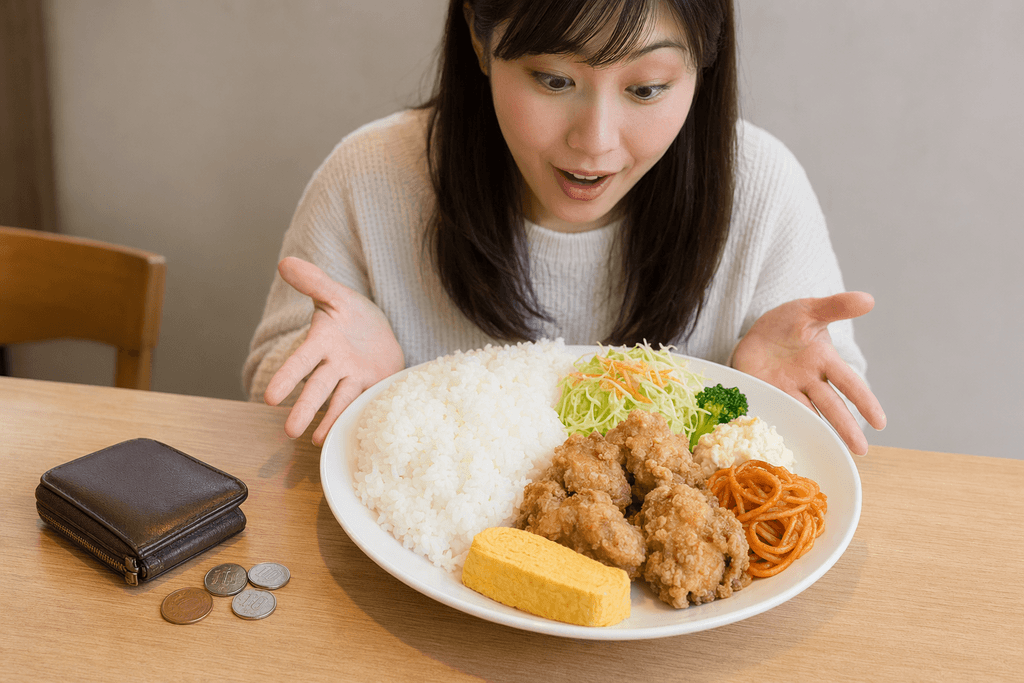
油断
kelengahan
油断
kelengahan
Explanation
油断
kelengahan
油断
kelengahan / kecerobohan / kelalaian

( Base form )
( romanization )
( stem )
( Past )
( table-tags )
( inflection-template )
( imperfective stem )
( imperfective stem )
( imperfective )
( continuative stem )
( continuative stem )
( continuative )
( stem terminative )
( stem terminative )
( terminative )
( attributive stem )
( attributive stem )
( attributive )
( hypothetical stem )
( hypothetical stem )
( hypothetical )
( Imperative literary stem )
( colloquial Imperative stem )
( Imperative literary stem )
( colloquial Imperative stem )
( Imperative literary )
( colloquial Imperative )
( Passive voice )
( Passive voice )
( Passive voice )
( causative )
( causative )
( causative )
( causative )
( causative )
( causative )
( potential )
( potential )
( potential )
( volitional )
( volitional )
( volitional )
( negative )
( negative )
( negative )
( continuative negative )
( continuative negative )
( continuative negative )
( formal )
( formal )
( formal )
( perfective )
( perfective )
( perfective )
( conjunctive )
( conjunctive )
( conjunctive )
( Conditional hypothetical )
( Conditional hypothetical )
( Conditional hypothetical )
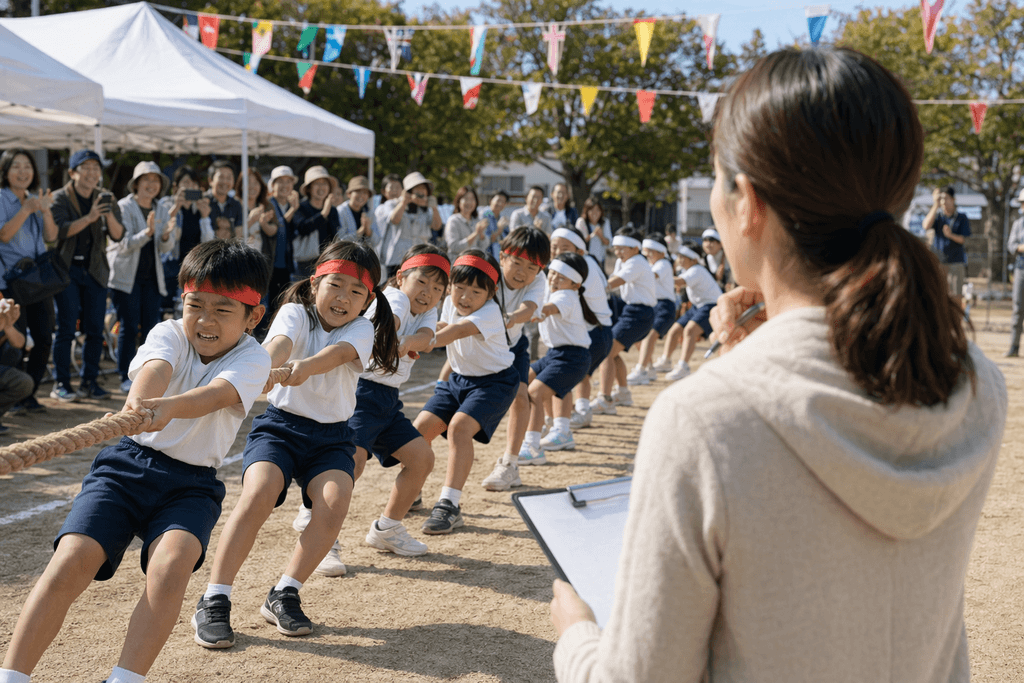
行事
kegiatan
行事
kegiatan
Explanation
行事
kegiatan
行事
acara / kegiatan / upacara
( Base form )
( romanization )
( hiragana )
針路
haluan / arah
針路
haluan / arah
Explanation
針路
haluan / arah
針路
haluan (kapal/pesawat) / arah (kompas/bearing) / rute perjalanan

( Base form )
( romanization )
( hiragana )
掻く
menggaruk / berkeringat
掻く
menggaruk / berkeringat
Explanation
掻く
menggaruk / berkeringat
掻く
menggaruk (mis. kepala) / (dengan nomina tertentu) melakukan/menimbulkan hal itu, mis. berkeringat, mendengkur, merasa malu

Word Forms
The basic and commonly used forms of this verb.
Basic forms
| Form | Word form | Usage |
|---|---|---|
| Imperfective form (mizenkei) |
Alternative:
掻こ
|
Connects to endings such as nai, reru, and seru. |
| Continuative form (renyokei) | Connects to endings such as masu, tai, and ta. | |
| Conclusive form (shushikei) | Ends a sentence and serves as the dictionary form. | |
| Attributive form (rentaikei) | Modifies a noun. | |
| Conditional form (kateikei) | Combines with ba to express a condition. | |
| Imperative form (meireikei) | Expresses a command or instruction. |
Common forms
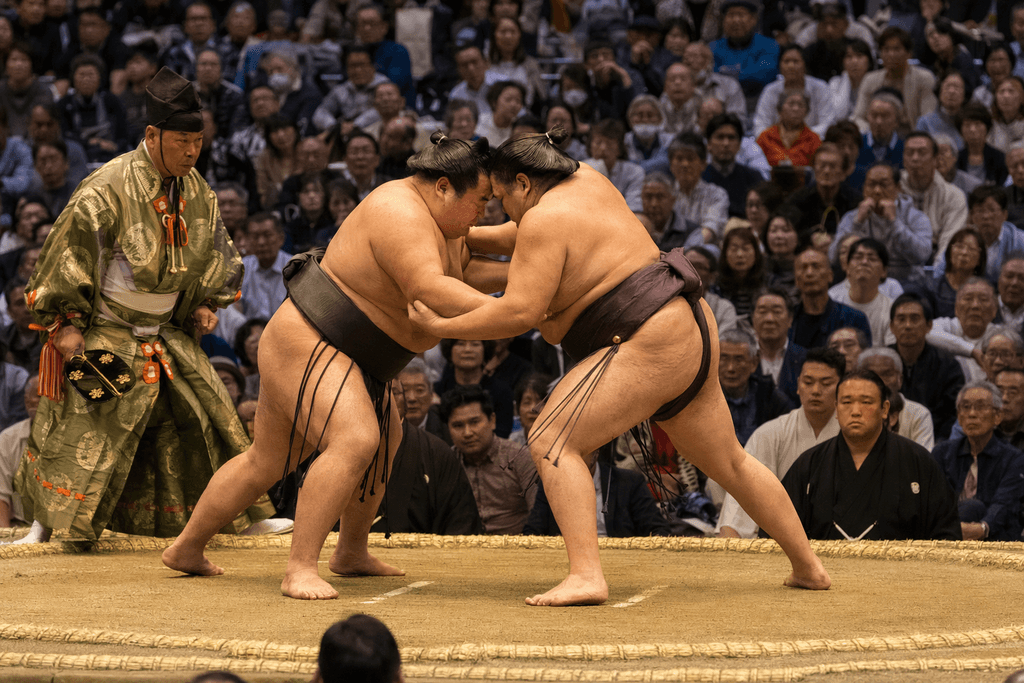
相撲
gulat sumo
相撲
gulat sumo
Explanation
相撲
gulat sumo
相撲
gulat sumo / olahraga gulat tradisional Jepang / pertandingan sumo
( romanization )
ネックレス
kalung
ネックレス
kalung
Explanation
kalung
ネックレス
kalung / perhiasan yang dipakai di leher

( romanization )
透き通る
menjadi transparan
透き通る
menjadi transparan
Explanation
透き通る
menjadi transparan
透き通る
menjadi tembus pandang / dapat dilihat melalui / (tentang suara/air) jernih bening

Word Forms
The basic and commonly used forms of this verb.
Basic forms
| Form | Word form | Usage |
|---|---|---|
| Imperfective form (mizenkei) |
Alternative:
透き通ろ
|
Connects to endings such as nai, reru, and seru. |
| Continuative form (renyokei) | Connects to endings such as masu, tai, and ta. | |
| Conclusive form (shushikei) | Ends a sentence and serves as the dictionary form. | |
| Attributive form (rentaikei) | Modifies a noun. | |
| Conditional form (kateikei) | Combines with ba to express a condition. | |
| Imperative form (meireikei) | Expresses a command or instruction. |
Common forms
Loading...

JLPT N2 多言語単語帳・1790語 / JLPT N2 Multilingual Vocabulary: 1790 Words

Jonathan Waller 氏の JLPT Resources の語彙リスト・レベル分類を出典とし、CC BY の条件に従って DiQt が学習者向けに意味を作り直した1790語の単語帳です。JLPT公式の語彙リストではありません。
This collection of 1790 words is based on the vocabulary list and level classifications in Jonathan Waller’s JLPT Resources under CC BY, with meanings rewritten by DiQt for learners. It is not an official JLPT vocabulary list.
Key Operations
Select the first quiz:
Ctrl + Enter
View Explanation:Ctrl + G
Close a feedback:Esc
When selecting a quiz
Answer:Enter
Select a choice:↓ or ↑
Reading out the question:Ctrl + K
View Hint: Ctrl + M
I don't know: Ctrl + Y



