
JLPT N2: Latihan arti kata - Unsolved

Pelajari arti 1790 kata JLPT N2 dalam bahasa Indonesia melalui soal dengan empat pilihan jawaban.
-
nilon
-
pengaturan
-
juru masak / katup
-
menikmati rasa / mengalami
-
mengeringkan
-
timbul / menghasilkan
-
Abad Pertengahan
-
pakaian tidur
-
nama penerima
-
pencegahan kejahatan
-
surat pembaca
-
gaya bahasa tulis
-
pengukuran
-
berat
-
leluhur
-
mencukupi
-
menusuk / menyengat
-
meninjau ulang / lebih menghargai
-
ganas / kasar
-
bising / gaduh
-
tidak rapi
-
berterima kasih / merasa tidak enak
-
modern
-
serakah
- 「真っ青」はナ形容詞(形容動詞)として「真っ青な空」「顔が真っ青だ」のように用いられる。
- 連用形「真っ青に」は「真っ青になる」のような副詞的用法。
-
cat lukis
-
kaum muda
-
pangkalan
-
produk khas daerah
-
jas hujan
-
kata majemuk kanji / idiom
乾燥
pengeringan / kekeringan
乾燥
pengeringan / kekeringan
Explanation
乾燥
pengeringan / kekeringan
乾燥
kekeringan / dehidrasi / pengeringan

( Base form )
( romanization )
( romanization )
( hiragana historical )
( hiragana )
くっつく
melekat / menempel erat
くっつく
melekat / menempel erat
Explanation
melekat / menempel erat
くっつく
menempel; melekat / mengikuti erat / berpacaran; jadian
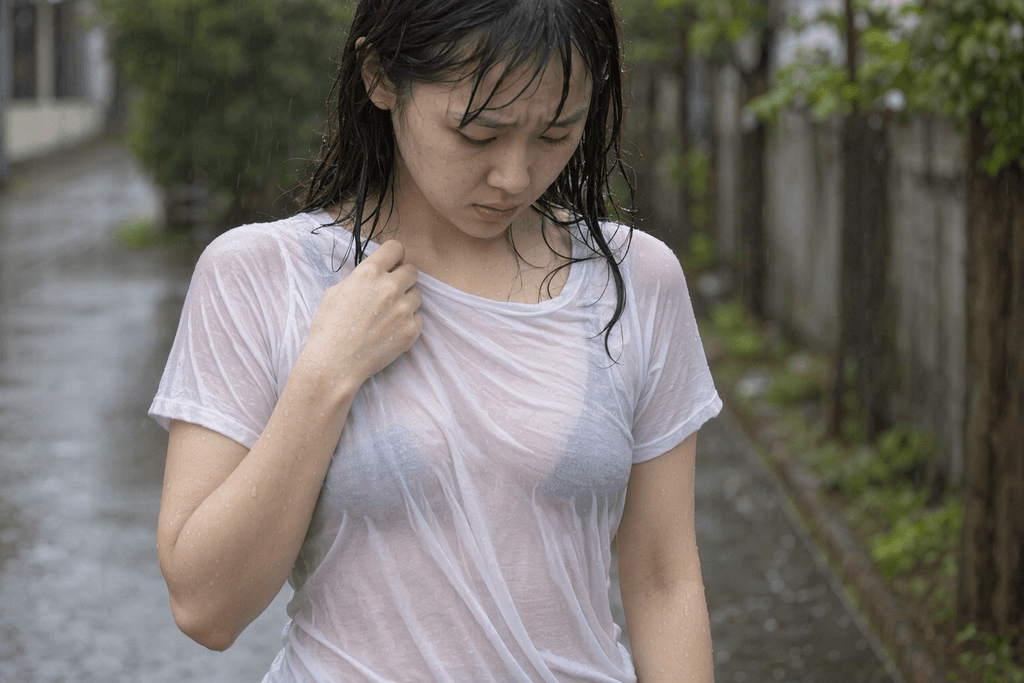
Word Forms
The basic and commonly used forms of this verb.
Basic forms
| Form | Word form | Usage |
|---|---|---|
| Imperfective form (mizenkei) |
Alternative:
くっ付か
|
Connects to endings such as nai, reru, and seru. |
| Continuative form (renyokei) |
Alternative:
くっ付き
|
Connects to endings such as masu, tai, and ta. |
| Conclusive form (shushikei) |
Alternative:
くっ付く
|
Ends a sentence and serves as the dictionary form. |
| Attributive form (rentaikei) |
Alternative:
くっ付く
|
Modifies a noun. |
| Conditional form (kateikei) |
Alternative:
くっ付け
|
Combines with ba to express a condition. |
| Imperative form (meireikei) |
Alternative:
くっ付け
|
Expresses a command or instruction. |
Common forms
| Form | Word form | Usage |
|---|---|---|
| Te-form |
Alternative:
くっ付いて
|
Connects clauses with te. |
| Ta-form |
Alternative:
くっ付いた
|
Expresses the past with ta. |
| Nai-form |
Alternative:
くっ付かない
|
Expresses negation with nai. |
| Masu-form |
Alternative:
くっ付きます
|
Used for polite speech. |
| Ba-form |
Alternative:
くっ付けば
|
Expresses a condition with ba. |
| Volitional form |
Alternative:
くっ付こう
|
Expresses intention or invitation. |
整数
bilangan bulat
整数
bilangan bulat
Explanation
整数
bilangan bulat
整数
bilangan bulat / angka bulat

( Base form )
( romanization )
( hiragana )
内科
penyakit dalam
内科
penyakit dalam
Explanation
内科
penyakit dalam
内科
ilmu penyakit dalam / departemen penyakit dalam (di rumah sakit)

( Base form )
( romanization )
( hiragana )
移転
relokasi
移転
relokasi
Explanation
移転
relokasi
移転
pemindahan / relokasi / pengalihan (hak/kepemilikan)

( Base form )
( romanization )
( kyūjitai )
( hiragana )
立ち止まる
berhenti berjalan
立ち止まる
berhenti berjalan
Explanation
立ち止まる
berhenti berjalan
立ち止まる
berhenti dan berdiri / berhenti melangkah / terhenti sejenak

Word Forms
The basic and commonly used forms of this verb.
Basic forms
| Form | Word form | Usage |
|---|---|---|
| Imperfective form (mizenkei) |
Alternative:
立ち止まろ
|
Connects to endings such as nai, reru, and seru. |
| Continuative form (renyokei) |
Alternative:
立ち止まっ
|
Connects to endings such as masu, tai, and ta. |
| Conclusive form (shushikei) | Ends a sentence and serves as the dictionary form. | |
| Attributive form (rentaikei) | Modifies a noun. | |
| Conditional form (kateikei) | Combines with ba to express a condition. | |
| Imperative form (meireikei) | Expresses a command or instruction. |
Common forms
慌ただしい
tergesa-gesa
慌ただしい
tergesa-gesa
Explanation
慌ただしい
tergesa-gesa
慌ただしい
sibuk / tergesa-gesa / kacau, tidak menentu

Word Forms
The basic and commonly used forms of this adjective.
Basic forms
| Form | Word form | Usage |
|---|---|---|
| Imperfective form (mizenkei) | Used in forms such as karou; mainly literary. | |
| Continuative form (renyokei) |
Alternative:
慌ただしかっ
|
Used in forms such as kute and kunai. |
| Conclusive form (shushikei) | Ends a sentence. | |
| Attributive form (rentaikei) | Modifies a noun. | |
| Conditional form (kateikei) | Expresses a condition with kereba. | |
| Imperative form (meireikei) | Rarely used in modern Japanese. |
Common forms
真っ青
biru pekat / pucat pasi
真っ青
biru pekat / pucat pasi
Explanation
真っ青
biru pekat / pucat pasi
真っ青
biru pekat / (wajah) pucat pasi

Word Forms
The basic and commonly used forms of this adjectival noun.
Basic forms
| Form | Word form | Usage |
|---|---|---|
| Imperfective form (mizenkei) | Used in forms such as darou. | |
| Continuative form (renyokei) |
Alternative:
真っ青に
真っ青だっ
|
Used with de or ni. |
| Conclusive form (shushikei) |
Alternative:
真っ青である
|
Ends a sentence with da. |
| Attributive form (rentaikei) |
Alternative:
真っ青である
|
Modifies a noun with na. |
| Conditional form (kateikei) |
Alternative:
真っ青であれば
|
Expresses a condition with nara. |
| Imperative form (meireikei) | Used in formal expressions such as de are. |
Common forms
| Form | Word form | Usage |
|---|---|---|
| Te-form equivalent | Connects clauses using de. | |
| Ta-form |
Alternative:
真っ青でした
|
Expresses the past with datta. |
| Nai-form |
Alternative:
真っ青じゃない
|
Expresses negation with dewa nai or ja nai. |
| Desu-form | Used for polite speech. |
Notes
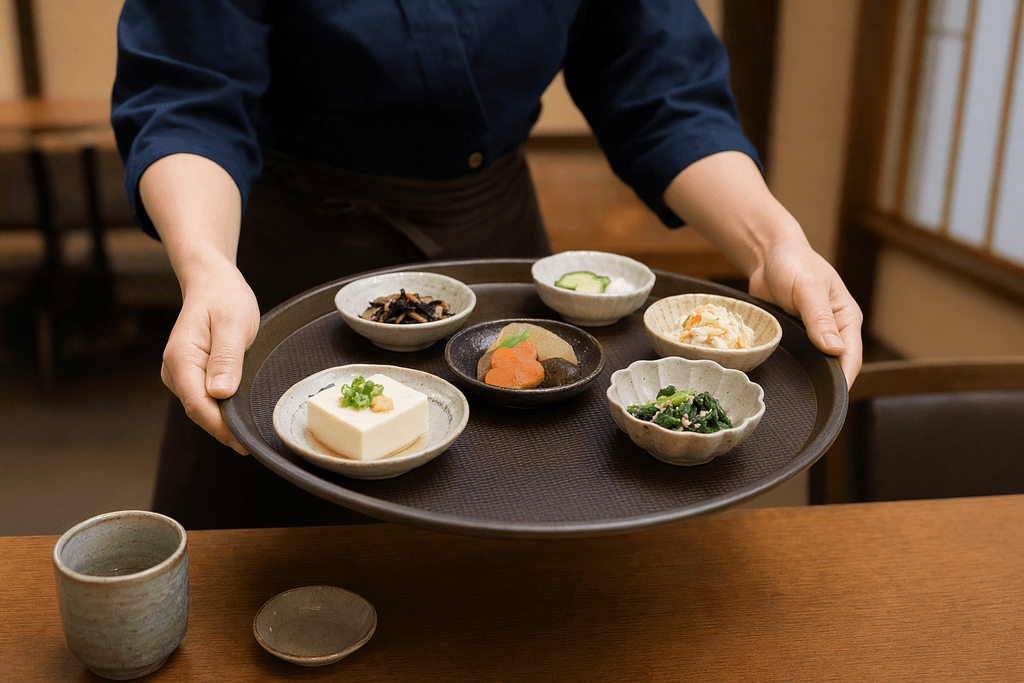
盆
nampan / perayaan Obon
盆
nampan / perayaan Obon
Explanation
盆
nampan / perayaan Obon
盆
nampan (untuk membawa hidangan) / mangkuk atau baskom datar dari tanah liat (arkais) / singkatan: bon-goza (tikar untuk melempar dadu) atau Obon
( romanization )
( hiragana )
洗剤
deterjen
洗剤
deterjen
Explanation
洗剤
deterjen
洗剤
deterjen / bahan pembersih / pembersih untuk mencuci

( Base form )
( romanization )
( kyūjitai )
( hiragana )
Loading...

JLPT N2 多言語単語帳・1790語 / JLPT N2 Multilingual Vocabulary: 1790 Words

Jonathan Waller 氏の JLPT Resources の語彙リスト・レベル分類を出典とし、CC BY の条件に従って DiQt が学習者向けに意味を作り直した1790語の単語帳です。JLPT公式の語彙リストではありません。
This collection of 1790 words is based on the vocabulary list and level classifications in Jonathan Waller’s JLPT Resources under CC BY, with meanings rewritten by DiQt for learners. It is not an official JLPT vocabulary list.
Key Operations
Select the first quiz:
Ctrl + Enter
View Explanation:Ctrl + G
Close a feedback:Esc
When selecting a quiz
Answer:Enter
Select a choice:↓ or ↑
Reading out the question:Ctrl + K
View Hint: Ctrl + M
I don't know: Ctrl + Y



