
JLPT N2: Latihan arti kata - Unsolved

Pelajari arti 1790 kata JLPT N2 dalam bahasa Indonesia melalui soal dengan empat pilihan jawaban.
-
penggaris / tolok ukur
-
abu-abu
-
percepatan gerak
-
sekitar waktu itu
-
pada awalnya
-
tak terhindarkan
-
masing-masing
-
bonus
-
roda gigi
-
adjektiva na
-
asrama
-
tikungan / bola lengkung
-
melelehkan / melarutkan
-
berselisih / bersaing
-
membaur / larut ke dalam
-
ritsleting
-
perjalanan dinas
-
asrama
-
Kutub Utara
-
perawatan
-
karya lengkap
-
tetap tinggal
-
berkeliling / berkaitan dengan
-
mengancam / menakuti
- 下一段活用の動詞。
-
bertekstur kasar
-
dibenci
-
terus mendesak / membuat enek
-
patokan
-
tukang kayu
-
istirahat
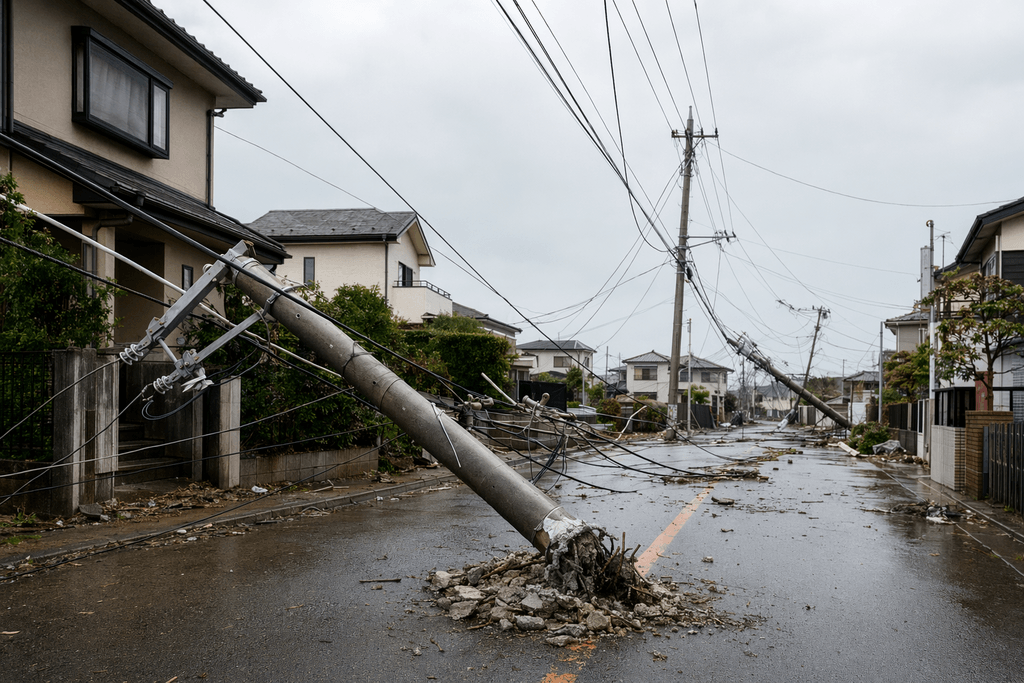
電柱
tiang listrik
電柱
tiang listrik
Explanation
電柱
tiang listrik
電柱
tiang listrik / tiang telepon / tiang lampu
( Base form )
( romanization )
( hiragana )
お先に
saya duluan
お先に
saya duluan
Explanation
お先に
saya duluan
お先に
duluan / lebih dahulu / permisi, saya duluan

血液
darah
血液
darah
Explanation
血液
darah
血液
darah (istilah formal) / cairan tubuh yang mengalir dalam pembuluh darah

( Base form )
( romanization )
( hiragana )
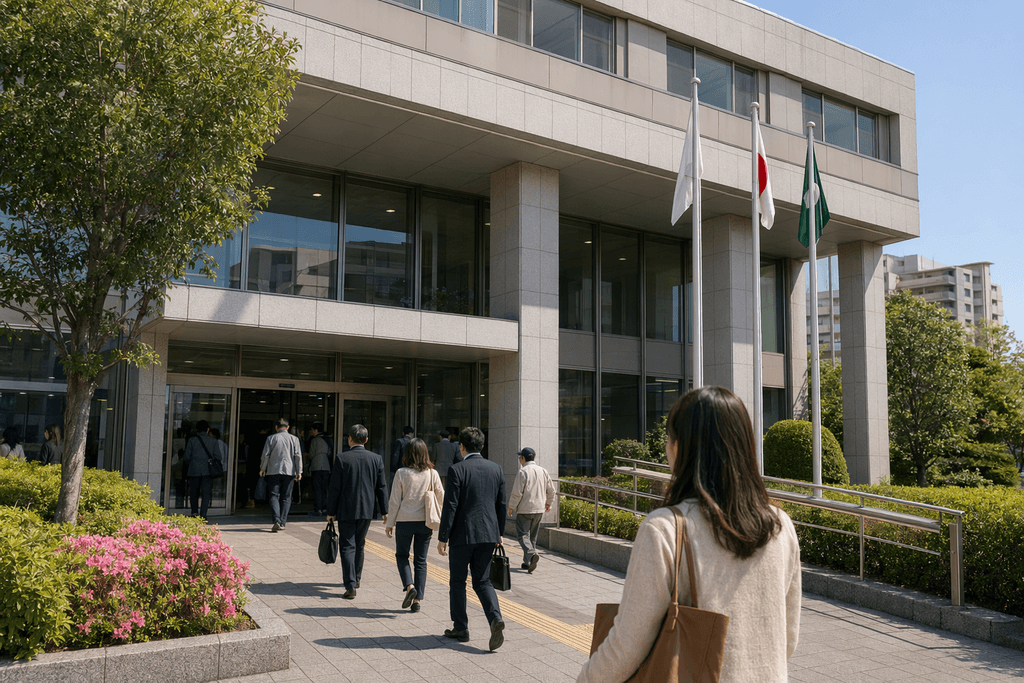
役所
kantor pemerintah
役所
kantor pemerintah
Explanation
役所
kantor pemerintah
役所
kantor pemerintah / kantor administrasi pemerintah / instansi pemerintah
( Base form )
( romanization )
( hiragana )
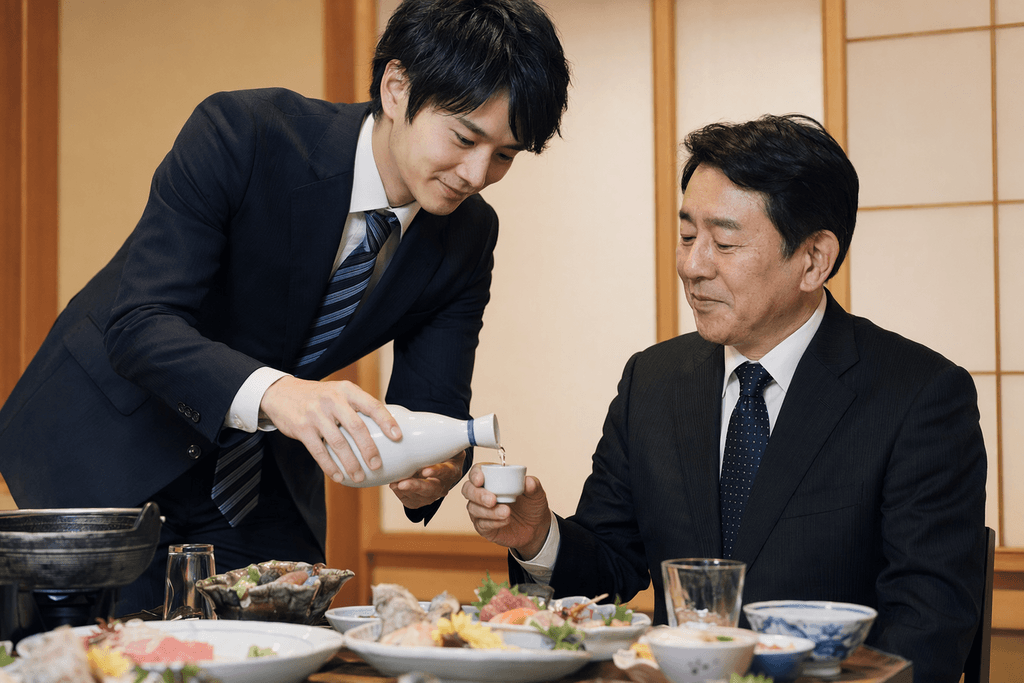
酌む
menuangkan minuman keras
酌む
menuangkan minuman keras
Explanation
酌む
menuangkan minuman keras
酌む
menuangkan sake / menyajikan sake / menuang minuman beralkohol
Word Forms
The basic and commonly used forms of this verb.
Basic forms
| Form | Word form | Usage |
|---|---|---|
| Imperfective form (mizenkei) |
Alternative:
酌も
|
Connects to endings such as nai, reru, and seru. |
| Continuative form (renyokei) | Connects to endings such as masu, tai, and ta. | |
| Conclusive form (shushikei) | Ends a sentence and serves as the dictionary form. | |
| Attributive form (rentaikei) | Modifies a noun. | |
| Conditional form (kateikei) | Combines with ba to express a condition. | |
| Imperative form (meireikei) | Expresses a command or instruction. |
Common forms
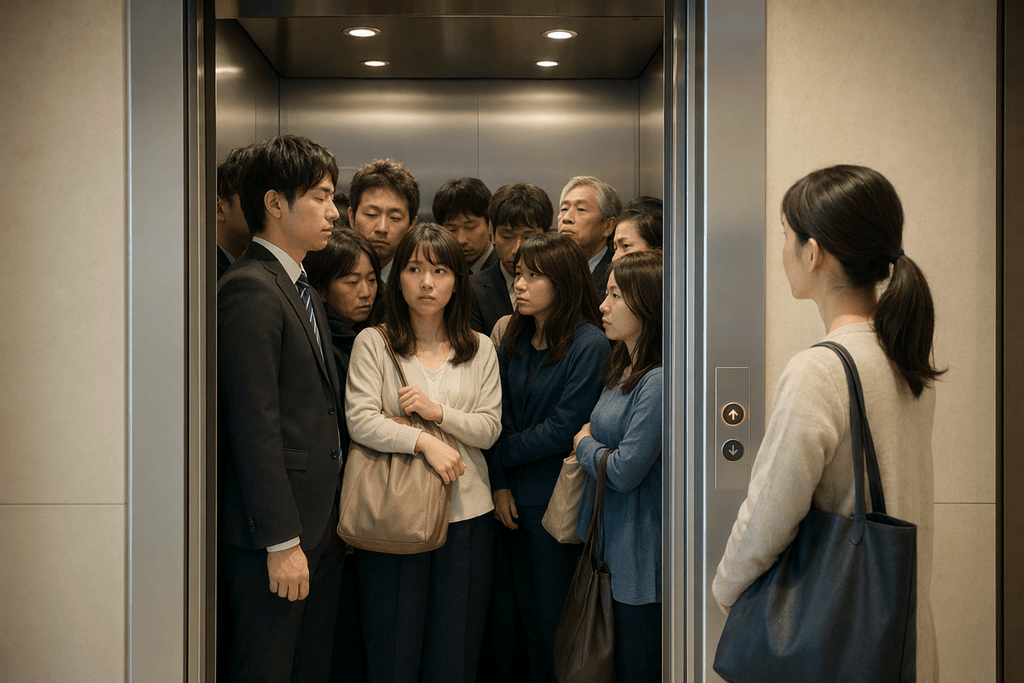
定員
kapasitas / kuota staf
定員
kapasitas / kuota staf
Explanation
定員
kapasitas / kuota staf
定員
kapasitas orang (jumlah maksimum yang diizinkan) / kuota orang yang ditetapkan
( Base form )
( romanization )
( hiragana )
平仮名
hiragana
平仮名
hiragana
Explanation
平仮名
hiragana
平仮名
hiragana / aksara suku kata Jepang

( Base form )
( kyūjitai )
( hiragana )
混ぜる
mencampur
混ぜる
mencampur
Explanation
混ぜる
mencampur
混ぜる
mencampur / memadukan / mengikutsertakan (dalam kegiatan)

Word Forms
The basic and commonly used forms of this verb.
Basic forms
| Form | Word form | Usage |
|---|---|---|
| Imperfective form (mizenkei) | Connects to endings such as nai, reru, and seru. | |
| Continuative form (renyokei) | Connects to endings such as masu, tai, and ta. | |
| Conclusive form (shushikei) | Ends a sentence and serves as the dictionary form. | |
| Attributive form (rentaikei) | Modifies a noun. | |
| Conditional form (kateikei) | Combines with ba to express a condition. | |
| Imperative form (meireikei) |
Alternative:
混ぜよ
|
Expresses a command or instruction. |
Common forms
| Form | Word form | Usage |
|---|---|---|
| Te-form | Connects clauses with te. | |
| Ta-form | Expresses the past with ta. | |
| Nai-form | Expresses negation with nai. | |
| Masu-form | Used for polite speech. | |
| Ba-form | Expresses a condition with ba. | |
| Volitional form | Expresses intention or invitation. |
Notes
騒がしい
bising / gaduh
騒がしい
bising / gaduh
Explanation
騒がしい
bising / gaduh
騒がしい
berisik / riuh / ramai

Word Forms
The basic and commonly used forms of this adjective.
Basic forms
| Form | Word form | Usage |
|---|---|---|
| Imperfective form (mizenkei) | Used in forms such as karou; mainly literary. | |
| Continuative form (renyokei) |
Alternative:
騒がしかっ
|
Used in forms such as kute and kunai. |
| Conclusive form (shushikei) | Ends a sentence. | |
| Attributive form (rentaikei) | Modifies a noun. | |
| Conditional form (kateikei) | Expresses a condition with kereba. | |
| Imperative form (meireikei) | Rarely used in modern Japanese. |
Common forms
仮定
asumsi
仮定
asumsi
Explanation
仮定
asumsi
仮定
asumsi / hipotesis / pengandaian

( Base form )
( romanization )
( stem )
( Past )
( table-tags )
( inflection-template )
( imperfective stem )
( imperfective stem )
( imperfective )
( continuative stem )
( continuative stem )
( continuative )
( stem terminative )
( stem terminative )
( terminative )
( attributive stem )
( attributive stem )
( attributive )
( hypothetical stem )
( hypothetical stem )
( hypothetical )
( Imperative literary stem )
( colloquial Imperative stem )
( Imperative literary stem )
( colloquial Imperative stem )
( Imperative literary )
( colloquial Imperative )
( Passive voice )
( Passive voice )
( Passive voice )
( causative )
( causative )
( causative )
( causative )
( causative )
( causative )
( potential )
( potential )
( potential )
( volitional )
( volitional )
( volitional )
( negative )
( negative )
( negative )
( continuative negative )
( continuative negative )
( continuative negative )
( formal )
( formal )
( formal )
( perfective )
( perfective )
( perfective )
( conjunctive )
( conjunctive )
( conjunctive )
( Conditional hypothetical )
( Conditional hypothetical )
( Conditional hypothetical )
Loading...

JLPT N2 多言語単語帳・1790語 / JLPT N2 Multilingual Vocabulary: 1790 Words

Jonathan Waller 氏の JLPT Resources の語彙リスト・レベル分類を出典とし、CC BY の条件に従って DiQt が学習者向けに意味を作り直した1790語の単語帳です。JLPT公式の語彙リストではありません。
This collection of 1790 words is based on the vocabulary list and level classifications in Jonathan Waller’s JLPT Resources under CC BY, with meanings rewritten by DiQt for learners. It is not an official JLPT vocabulary list.
Key Operations
Select the first quiz:
Ctrl + Enter
View Explanation:Ctrl + G
Close a feedback:Esc
When selecting a quiz
Answer:Enter
Select a choice:↓ or ↑
Reading out the question:Ctrl + K
View Hint: Ctrl + M
I don't know: Ctrl + Y



