
JLPT N2: Latihan arti kata - Unsolved

Pelajari arti 1790 kata JLPT N2 dalam bahasa Indonesia melalui soal dengan empat pilihan jawaban.
-
daya hidup
-
ceruk hias
-
sabun
-
mangkuk keramik
-
rambu
-
lagu
-
berapa menit
-
membawa serta
-
tang
-
permen karet
-
suara bising pengganggu
-
khayalan
-
menyelidiki / meraba-raba
-
mengukus / terasa pengap
-
dibangun
-
jamak / lebih dari satu
-
awal
-
orang yang lebih senior
-
menjadi jernih
-
mendekat / mendesak
-
membahas / berdebat
-
mengisahkan / menunjukkan
-
membatalkan
-
tumpah
-
berat
-
penyelesaian / hasil jadi
-
kudapan
-
rumus / resmi
-
gagal ujian / tidak naik kelas
-
sawah
おかわり
porsi tambahan
おかわり
porsi tambahan
Explanation
porsi tambahan
おかわり
porsi tambahan / porsi kedua / permintaan porsi tambahan

( Base form )
( romanization )
宴会
perjamuan
宴会
perjamuan
Explanation
宴会
perjamuan
宴会
jamuan / jamuan makan / pesta makan resmi

( Base form )
( romanization )
( romanization )
( kyūjitai )
( hiragana historical )
( hiragana )
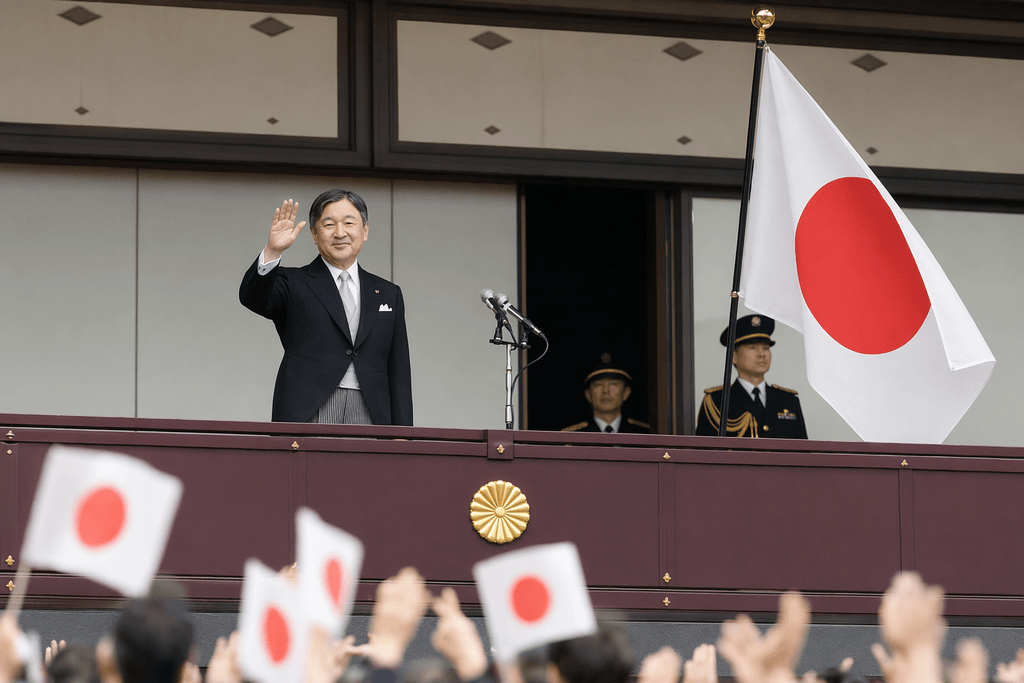
天皇
Kaisar Jepang
天皇
Kaisar Jepang
Explanation
天皇
Kaisar Jepang
天皇
Kaisar Jepang (penguasa bertakhta) / (dalam konteks Tionghoa) kaisar/penguasa bermandat langit
( Base form )
( romanization )
( romanization )
( hiragana historical )
( hiragana )
南北
utara dan selatan
南北
utara dan selatan
Explanation
南北
utara dan selatan
南北
utara dan selatan / bagian/wilayah utara dan selatan / arah utara–selatan

( Base form )
( romanization )
( hiragana )
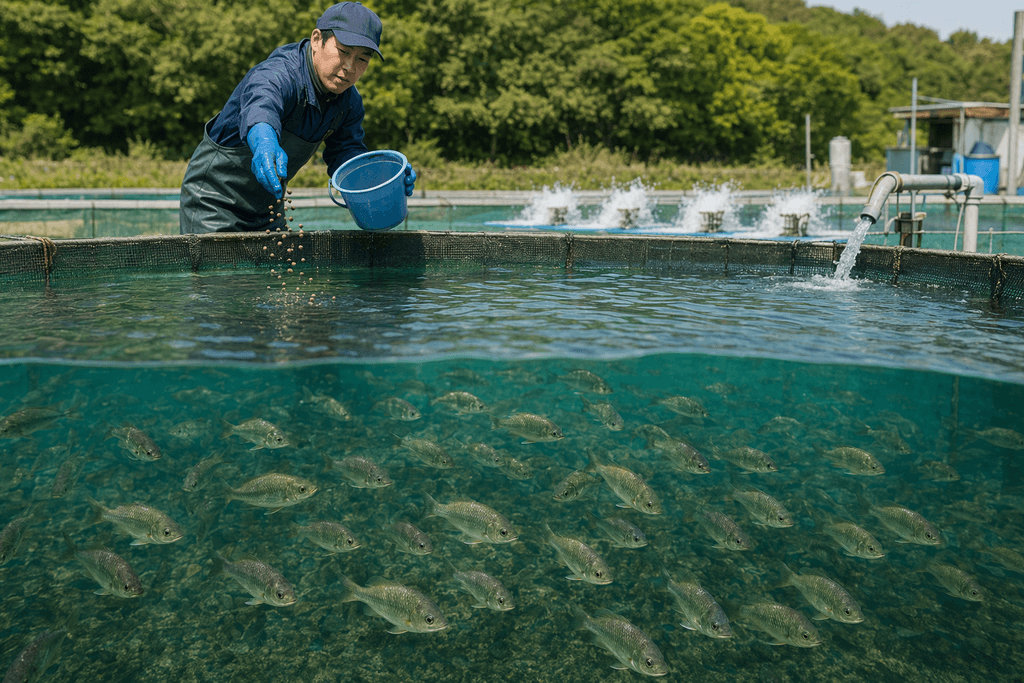
殖やす
membiakkan
殖やす
membiakkan
Explanation
殖やす
membiakkan
殖やす
memperbanyak / mengembangbiakkan / menumbuhkan
Word Forms
The basic and commonly used forms of this verb.
Basic forms
| Form | Word form | Usage |
|---|---|---|
| Imperfective form (mizenkei) |
Alternative:
殖やそ
|
Connects to endings such as nai, reru, and seru. |
| Continuative form (renyokei) | Connects to endings such as masu, tai, and ta. | |
| Conclusive form (shushikei) | Ends a sentence and serves as the dictionary form. | |
| Attributive form (rentaikei) | Modifies a noun. | |
| Conditional form (kateikei) | Combines with ba to express a condition. | |
| Imperative form (meireikei) | Expresses a command or instruction. |
Common forms
遠足
tamasya sekolah
遠足
tamasya sekolah
Explanation
遠足
tamasya sekolah
遠足
tamasya / karyawisata (perjalanan sekolah) / piknik sekolah

( Base form )
( romanization )
( hiragana )
近づける
mendekatkan / membiarkan mendekat
近づける
mendekatkan / membiarkan mendekat
Explanation
近づける
mendekatkan / membiarkan mendekat
近づける
mendekatkan; merapatkan / membiarkan bergaul dengan / mendekati (tujuan)

Word Forms
The basic and commonly used forms of this verb.
Basic forms
| Form | Word form | Usage |
|---|---|---|
| Imperfective form (mizenkei) |
Alternative:
近付け
|
Connects to endings such as nai, reru, and seru. |
| Continuative form (renyokei) |
Alternative:
近付け
|
Connects to endings such as masu, tai, and ta. |
| Conclusive form (shushikei) |
Alternative:
近付ける
|
Ends a sentence and serves as the dictionary form. |
| Attributive form (rentaikei) |
Alternative:
近付ける
|
Modifies a noun. |
| Conditional form (kateikei) |
Alternative:
近付けれ
|
Combines with ba to express a condition. |
| Imperative form (meireikei) |
Alternative:
近づけよ
近付けろ
近付けよ
|
Expresses a command or instruction. |
Common forms
| Form | Word form | Usage |
|---|---|---|
| Te-form |
Alternative:
近付けて
|
Connects clauses with te. |
| Ta-form |
Alternative:
近付けた
|
Expresses the past with ta. |
| Nai-form |
Alternative:
近付けない
|
Expresses negation with nai. |
| Masu-form |
Alternative:
近付けます
|
Used for polite speech. |
| Ba-form |
Alternative:
近付ければ
|
Expresses a condition with ba. |
| Volitional form |
Alternative:
近付けよう
|
Expresses intention or invitation. |
当てはめる
menerapkan / mencocokkan
当てはめる
menerapkan / mencocokkan
Explanation
当てはめる
menerapkan / mencocokkan
当てはめる
menerapkan / menyesuaikan / mencocokkan

Word Forms
The basic and commonly used forms of this verb.
Basic forms
| Form | Word form | Usage |
|---|---|---|
| Imperfective form (mizenkei) | Connects to endings such as nai, reru, and seru. | |
| Continuative form (renyokei) | Connects to endings such as masu, tai, and ta. | |
| Conclusive form (shushikei) | Ends a sentence and serves as the dictionary form. | |
| Attributive form (rentaikei) | Modifies a noun. | |
| Conditional form (kateikei) | Combines with ba to express a condition. | |
| Imperative form (meireikei) |
Alternative:
当てはめよ
|
Expresses a command or instruction. |
Common forms
シリーズ
seri
シリーズ
seri
Explanation
seri
シリーズ
seri; rangkaian karya atau episode yang saling terkait / rangkaian buku, film, atau acara yang berkelanjutan / lini produk dengan tema atau merek yang sama

( romanization )
見本
contoh barang
見本
contoh barang
Explanation
見本
contoh barang
見本
contoh / sampel / teladan

( Base form )
( romanization )
( romanization )
( hiragana historical )
( hiragana )
Loading...

JLPT N2 多言語単語帳・1790語 / JLPT N2 Multilingual Vocabulary: 1790 Words

Jonathan Waller 氏の JLPT Resources の語彙リスト・レベル分類を出典とし、CC BY の条件に従って DiQt が学習者向けに意味を作り直した1790語の単語帳です。JLPT公式の語彙リストではありません。
This collection of 1790 words is based on the vocabulary list and level classifications in Jonathan Waller’s JLPT Resources under CC BY, with meanings rewritten by DiQt for learners. It is not an official JLPT vocabulary list.
Key Operations
Select the first quiz:
Ctrl + Enter
View Explanation:Ctrl + G
Close a feedback:Esc
When selecting a quiz
Answer:Enter
Select a choice:↓ or ↑
Reading out the question:Ctrl + K
View Hint: Ctrl + M
I don't know: Ctrl + Y



