
JLPT N1: Trắc nghiệm nghĩa từ - Unsolved

Học nghĩa tiếng Việt của 3032 từ JLPT N1 qua các câu hỏi có bốn lựa chọn.
-
gánh nặng
-
sự ủy thác
-
hoàn cảnh sống
-
cacbon
-
sự xấu hổ
-
di cư
-
trôi nổi / phảng phất
-
cuốn đi / bắt cóc
-
tránh khỏi
-
biện pháp trừng phạt
-
cấu trúc / cơ chế vận hành
-
báo giá
-
lũy thừa bậc ba
-
sự sôi
-
sự phân công lao động
-
đồi núi thấp
-
bồn rửa bát
-
huy hiệu
-
chu kỳ
-
sự in ấn
-
việc công khai
-
sự xử lý / việc giải quyết
-
sự trực thuộc
-
trải nghiệm trực tiếp
-
vắng mặt
-
cần cẩu
-
sự cải cách sâu rộng
-
ngăn nắp
-
vui vẻ
-
mảnh mai / thon thả
丈夫
tráng sĩ
丈夫
tráng sĩ
Explanation
丈夫
tráng sĩ
丈夫
người đàn ông trưởng thành / người đàn ông mạnh mẽ, cường tráng / bậc trượng phu
Anh ấy thường ngày rất ôn hòa, nhưng khi thời khắc quyết định đến, với tư cách là một tráng sĩ vững chãi đứng lên dẫn đầu mọi người, anh đã không do dự mà bước thẳng vào hiểm nguy.

( romanization )
( romanization )
( hiragana historical )
( hiragana )
移民
nhập cư / người nhập cư
移民
nhập cư / người nhập cư
Explanation
移民
nhập cư / người nhập cư
移民
người nhập cư / người di cư / di dân
Chính phủ không chỉ chấp nhận người nhập cư để bù đắp cho sự thiếu hụt lao động mà còn thiết lập các hệ thống cho phép họ hòa nhập vào các cộng đồng địa phương.

( Base form )
( romanization )
( hiragana )
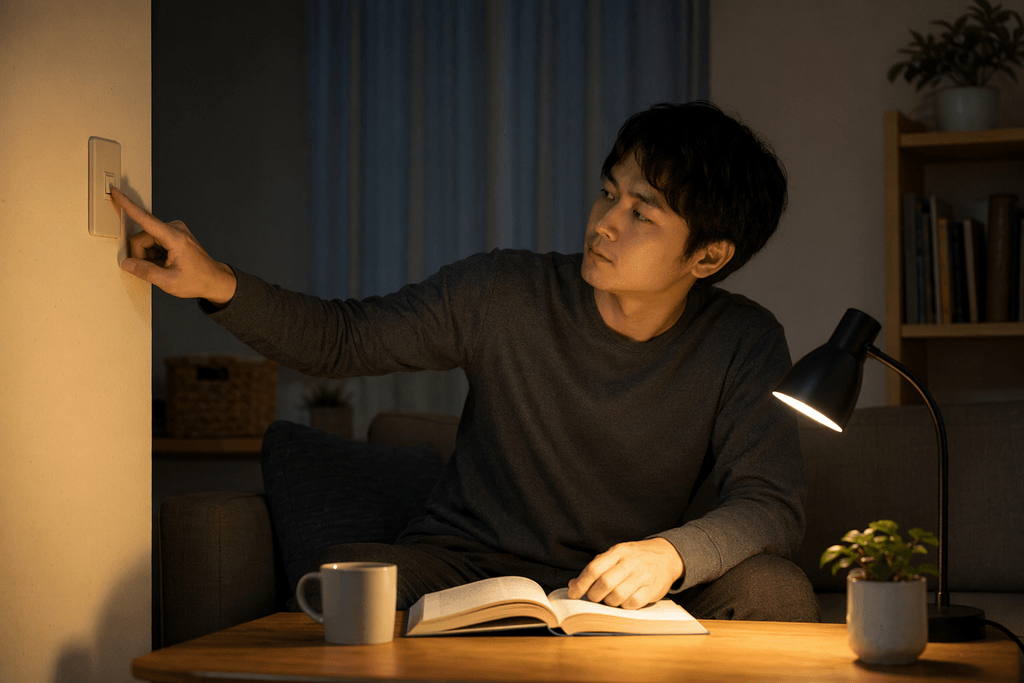
惜しむ
tiếc bỏ ra / tiếc nuối
惜しむ
tiếc bỏ ra / tiếc nuối
Explanation
惜しむ
tiếc bỏ ra / tiếc nuối
惜しむ
tiếc, tiếc rẻ / trân trọng, quý trọng / tiết kiệm, dè sẻn
Word Forms
The basic and commonly used forms of this verb.
Basic forms
| Form | Word form | Usage |
|---|---|---|
| Imperfective form (mizenkei) |
Alternative:
惜も
|
Connects to endings such as nai, reru, and seru. |
| Continuative form (renyokei) | Connects to endings such as masu, tai, and ta. | |
| Conclusive form (shushikei) | Ends a sentence and serves as the dictionary form. | |
| Attributive form (rentaikei) | Modifies a noun. | |
| Conditional form (kateikei) | Combines with ba to express a condition. | |
| Imperative form (meireikei) | Expresses a command or instruction. |
Common forms
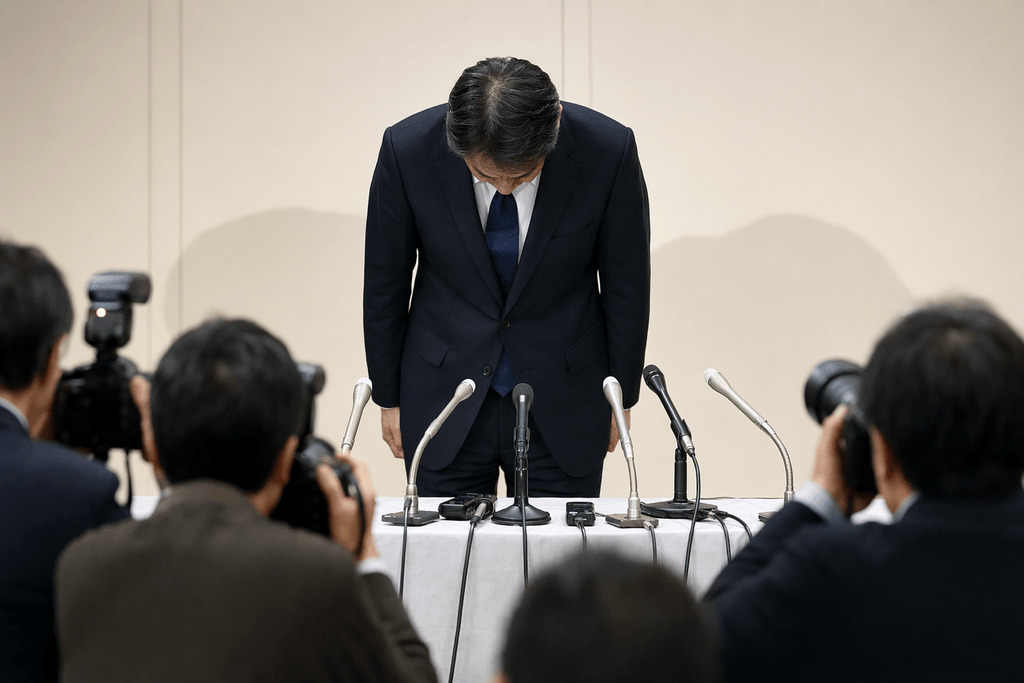
面目
thể diện
面目
thể diện
Explanation
面目
thể diện
面目
danh dự, thể diện (xưa) / diện mạo, vẻ ngoài (xưa)
( Base form )
( romanization )
( hiragana )
進み
bước tiến
進み
bước tiến
Explanation
進み
bước tiến
進み
tiến triển / tiến bộ / tiến lên

Word Forms
The basic and commonly used forms of this verb.
Basic forms
| Form | Word form | Usage |
|---|---|---|
| Imperfective form (mizenkei) | Connects to endings such as nai, reru, and seru. | |
| Continuative form (renyokei) | Connects to endings such as masu, tai, and ta. | |
| Conclusive form (shushikei) | Ends a sentence and serves as the dictionary form. | |
| Attributive form (rentaikei) | Modifies a noun. | |
| Conditional form (kateikei) | Combines with ba to express a condition. | |
| Imperative form (meireikei) | Expresses a command or instruction. |
Common forms
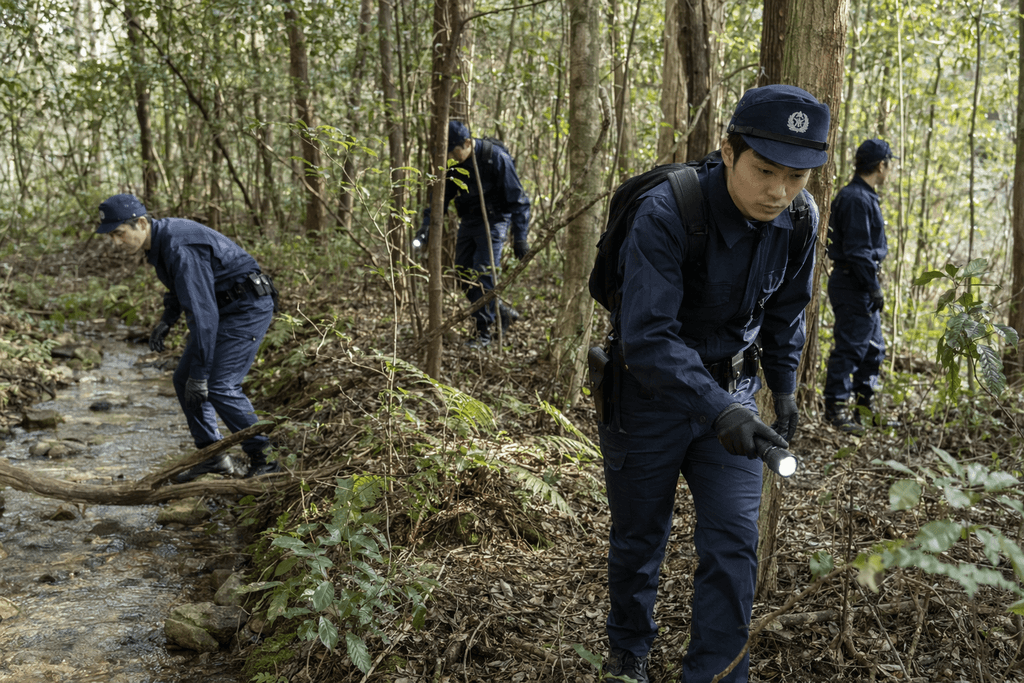
捜索
sự tìm kiếm / sự lục soát
捜索
sự tìm kiếm / sự lục soát
Explanation
捜索
sự tìm kiếm / sự lục soát
捜索
tìm kiếm (cứu hộ, người mất tích) / khám xét, lục soát (cảnh sát)
( Base form )
( romanization )
( hiragana )
弁償
sự đền tiền
弁償
sự đền tiền
Explanation
弁償
sự đền tiền
弁償
sự bồi thường thiệt hại / sự đền bù tổn thất / việc hoàn trả chi phí hoặc giá trị

( Base form )
( romanization )
( romanization )
( hiragana historical )
( hiragana )
募金
quyên góp
募金
quyên góp
Explanation
募金
quyên góp
募金
gây quỹ / quyên góp tiền / tiền quyên góp
Để việc quyên góp hỗ trợ các vùng bị thiên tai không trở thành hình thức, cần bảo đảm tính minh bạch về mục đích sử dụng và tiếp tục kêu gọi một cách thường xuyên.

( Base form )
( romanization )
( hiragana )
大柄
vóc dáng to / hoa văn lớn
大柄
vóc dáng to / hoa văn lớn
Explanation
大柄
vóc dáng to / hoa văn lớn
大柄
họa tiết lớn / thân hình to lớn
Giấy dán tường họa tiết lớn thường dễ khiến không gian trở nên ngột ngạt, nhưng nếu tính toán kỹ chiều cao trần và ánh sáng tự nhiên, ngược lại còn có thể tạo cho căn phòng một chiều sâu táo bạo.

( Base form )
( romanization )
( hiragana )
あからさま
lộ liễu
あからさま
lộ liễu
Explanation
lộ liễu
あからさま
công khai / thẳng thắn / lộ liễu

Word Forms
The basic and commonly used forms of this adjectival noun.
Basic forms
| Form | Word form | Usage |
|---|---|---|
| Imperfective form (mizenkei) | Used in forms such as darou. | |
| Continuative form (renyokei) |
Alternative:
あからさまに
あからさまだっ
|
Used with de or ni. |
| Conclusive form (shushikei) |
Alternative:
あからさまです
|
Ends a sentence with da. |
| Attributive form (rentaikei) | Modifies a noun with na. | |
| Conditional form (kateikei) |
Alternative:
あからさまであれば
|
Expresses a condition with nara. |
| Imperative form (meireikei) | Used in formal expressions such as de are. |
Common forms
Loading...

JLPT N1 多言語単語帳・3032語 / JLPT N1 Multilingual Vocabulary: 3032 Words

Jonathan Waller 氏の JLPT Resources の語彙リスト・レベル分類を出典とし、CC BY の条件に従って DiQt が学習者向けに意味を作り直した3032語の単語帳です。JLPT公式の語彙リストではありません。
This collection of 3032 words is based on the vocabulary list and level classifications in Jonathan Waller’s JLPT Resources under CC BY, with meanings rewritten by DiQt for learners. It is not an official JLPT vocabulary list.
Key Operations
Select the first quiz:
Ctrl + Enter
View Explanation:Ctrl + G
Close a feedback:Esc
When selecting a quiz
Answer:Enter
Select a choice:↓ or ↑
Reading out the question:Ctrl + K
View Hint: Ctrl + M
I don't know: Ctrl + Y



