
JLPT N1: Trắc nghiệm nghĩa từ - Unsolved

Học nghĩa tiếng Việt của 3032 từ JLPT N1 qua các câu hỏi có bốn lựa chọn.
-
chẳng bao lâu
-
cực kỳ
-
thẳng thắn / chính xác
-
khổ giấy
-
công ty
-
cơ quan chính phủ
-
sự thỏa hiệp
-
tai mũi họng
-
sử dụng hai mục đích
-
kỳ lạ / buồn cười
-
ngon
-
mong ngóng
- 読みは「こころよい」。
-
đồ cổ
-
nhân tài
-
lời cằn nhằn
-
hát hợp xướng
-
đuôi
-
sự tranh đấu
-
đàn ba dây
-
sự điều động
-
nội dung ghi chép
-
rộng thùng thình
-
tùy ý
-
hỗn loạn / vô lý
-
suy yếu / suy giảm
-
xoắn lại
-
thiên lệch
-
dễ nhầm lẫn
-
chát / trang nhã kín đáo
-
nhột
ほんの
chỉ vỏn vẹn
ほんの
chỉ vỏn vẹn
Explanation
chỉ vỏn vẹn
ほんの
chỉ; vẻn vẹn / một chút; chút ít / đơn thuần

症
chứng
症
chứng
Explanation
症
chứng
症
hậu tố (y học) chỉ bệnh/chứng / chỉ hội chứng hoặc rối loạn (đặt sau tên tình trạng)

( romanization )
( hiragana )
配置
sự bố trí
配置
sự bố trí
Explanation
配置
sự bố trí
配置
bố trí (nguồn lực, nhân sự) / phân bổ nguồn lực / sắp xếp vị trí (người/vật)

( Base form )
( romanization )
( hiragana )
快い
dễ chịu
快い
dễ chịu
Explanation
快い
dễ chịu
快い
dễ chịu / sảng khoái / khoan khoái

Word Forms
The basic and commonly used forms of this adjective.
Basic forms
| Form | Word form | Usage |
|---|---|---|
| Imperfective form (mizenkei) | Used in forms such as karou; mainly literary. | |
| Continuative form (renyokei) |
Alternative:
快かっ
|
Used in forms such as kute and kunai. |
| Conclusive form (shushikei) | Ends a sentence. | |
| Attributive form (rentaikei) | Modifies a noun. | |
| Conditional form (kateikei) | Expresses a condition with kereba. | |
| Imperative form (meireikei) | Rarely used in modern Japanese. |
Common forms
| Form | Word form | Usage |
|---|---|---|
| Te-form | Connects clauses with kute. | |
| Ta-form | Expresses the past with katta. | |
| Nai-form | Expresses negation with kunai. | |
| Ba-form | Expresses a condition with kereba. |
Notes
排水
sự thoát nước
排水
sự thoát nước
Explanation
排水
sự thoát nước
排水
sự thoát nước; xả nước / nước thải / lượng choán nước (nước bị vật thể đẩy đi)
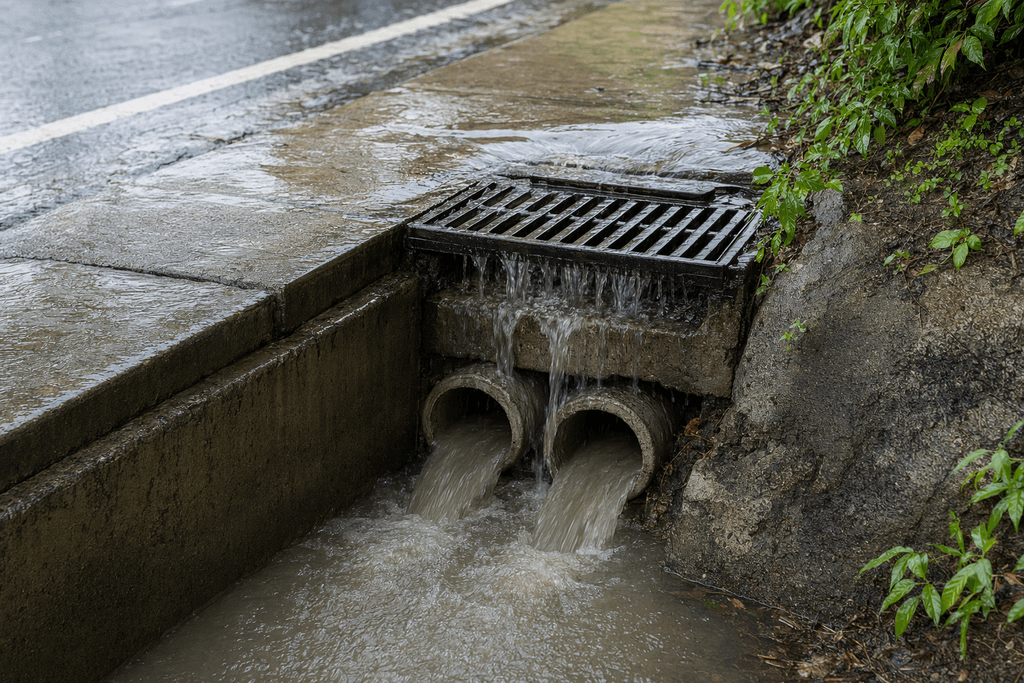
Khả năng thoát nước của hệ thống đường ống đã xuống cấp đã chạm đến giới hạn, khiến rủi ro các cơ sở ngầm bị ngập gia tăng mỗi khi có mưa lớn.
( Base form )
( romanization )
( hiragana )
仕上がり
thành phẩm
仕上がり
thành phẩm
Explanation
仕上がり
thành phẩm
仕上がり
kết quả cuối cùng / độ hoàn thiện / độ chín (món ăn)

( Base form )
( romanization )
拘束
sự ràng buộc
拘束
sự ràng buộc
Explanation
拘束
sự ràng buộc
拘束
sự hạn chế / sự kiềm chế / sự ràng buộc

( Base form )
( romanization )
( hiragana )
露骨
lộ liễu / thẳng thừng
露骨
lộ liễu / thẳng thừng
Explanation
露骨
lộ liễu / thẳng thừng
露骨
thẳng thừng / lộ liễu / tục tĩu

Word Forms
The basic and commonly used forms of this adjectival noun.
Basic forms
| Form | Word form | Usage |
|---|---|---|
| Imperfective form (mizenkei) | Used in forms such as darou. | |
| Continuative form (renyokei) |
Alternative:
露骨に
露骨だっ
|
Used with de or ni. |
| Conclusive form (shushikei) | Ends a sentence with da. | |
| Attributive form (rentaikei) |
Alternative:
露骨である
|
Modifies a noun with na. |
| Conditional form (kateikei) |
Alternative:
露骨であれば
|
Expresses a condition with nara. |
| Imperative form (meireikei) | Used in formal expressions such as de are. |
Common forms
差し引く
trừ đi
差し引く
trừ đi
Explanation
差し引く
trừ đi
差し引く
khấu trừ / châm chước / dâng rút (thủy triều)

Word Forms
The basic and commonly used forms of this verb.
Basic forms
| Form | Word form | Usage |
|---|---|---|
| Imperfective form (mizenkei) | Connects to endings such as nai, reru, and seru. | |
| Continuative form (renyokei) | Connects to endings such as masu, tai, and ta. | |
| Conclusive form (shushikei) | Ends a sentence and serves as the dictionary form. | |
| Attributive form (rentaikei) | Modifies a noun. | |
| Conditional form (kateikei) | Combines with ba to express a condition. | |
| Imperative form (meireikei) | Expresses a command or instruction. |
Common forms
面白い
thú vị / vui nhộn
面白い
thú vị / vui nhộn
Explanation
面白い
thú vị / vui nhộn
面白い
thú vị / hài hước / buồn cười
Mặc dù bài báo này đề cập đến một chủ đề tưởng chừng như bình thường, nhưng bạn càng đọc nhiều, phạm vi của vấn đề càng xuất hiện, khiến nó trở nên thú vị.

Word Forms
The basic and commonly used forms of this adjective.
Basic forms
| Form | Word form | Usage |
|---|---|---|
| Imperfective form (mizenkei) | Used in forms such as karou; mainly literary. | |
| Continuative form (renyokei) |
Alternative:
面白かっ
|
Used in forms such as kute and kunai. |
| Conclusive form (shushikei) | Ends a sentence. | |
| Attributive form (rentaikei) | Modifies a noun. | |
| Conditional form (kateikei) | Expresses a condition with kereba. | |
| Imperative form (meireikei) | Rarely used in modern Japanese. |
Common forms
Loading...

JLPT N1 多言語単語帳・3032語 / JLPT N1 Multilingual Vocabulary: 3032 Words

Jonathan Waller 氏の JLPT Resources の語彙リスト・レベル分類を出典とし、CC BY の条件に従って DiQt が学習者向けに意味を作り直した3032語の単語帳です。JLPT公式の語彙リストではありません。
This collection of 3032 words is based on the vocabulary list and level classifications in Jonathan Waller’s JLPT Resources under CC BY, with meanings rewritten by DiQt for learners. It is not an official JLPT vocabulary list.
Key Operations
Select the first quiz:
Ctrl + Enter
View Explanation:Ctrl + G
Close a feedback:Esc
When selecting a quiz
Answer:Enter
Select a choice:↓ or ↑
Reading out the question:Ctrl + K
View Hint: Ctrl + M
I don't know: Ctrl + Y



