
JLPT N1 ဝေါဟာရအဓိပ္ပာယ် လေ့ကျင့်ခန်း - Unsolved

JLPT N1 စကားလုံး 3032 လုံး၏ မြန်မာအဓိပ္ပာယ်ကို အဖြေရွေးချယ်စရာ လေးခုပါသော မေးခွန်းများဖြင့် လေ့လာပါ။
-
အထင်အရှားဖြစ်သော
-
ရိုးသားစစ်မှန်သော
-
မရေရာသော
-
သတင်းတင်ပြသည်
-
စုဆောင်းခေါ်ယူသည် / ပိုမိုပြင်းထန်လာသည်
-
အစားအသောက်စီစဉ်သည် / စရိတ်ကျခံသည်
-
စုံစမ်းမေးမြန်းသည်
-
သက်သာစေသည်
-
ပေးသွင်းပြီးဖြစ်သည် / သိမ်းဆည်းပြီးဖြစ်သည်
-
ခဏဝင်လည်သည်
-
ကျူးကျော်သည် / ထိပါးသည်
-
မာကျောစေသည် / ခိုင်မာစေသည်
-
အရောင်ခြယ်မှု
-
ပြတ်သားသောဆုံးဖြတ်မှု
-
ပိုင်းခြားနားချက်
-
စာသားပြင်ဆင်မှု
-
ကြွေးမြီ
-
တစ်ဆင့်ပို့ခြင်း / ခရီးသည်မပါဘဲပြေးဆွဲမှု
-
သူဌေးကြီး
-
စားလဒ်
-
လက်လျှော့မှု
-
ကဲ / အရေးကြုံချိန်
-
မတွေ့ရတာကြာပြီ
-
ဟုတ်ကဲ့
-
အညိုရင့်ရောင်
-
အရေးကြီးဆုံးဖြစ်သော
-
မတရားသော
-
အုံ့မှိုင်းသော / စိတ်အနှောင့်အယှက်ဖြစ်သော
-
လန်းဆန်းအားတက်စေသော
-
စိတ်ဝင်စားစရာကောင်းသော / ပျော်စရာကောင်းသော
手近
လက်တစ်ကမ်းရှိသော
手近
လက်တစ်ကမ်းရှိသော
Explanation
手近
လက်တစ်ကမ်းရှိသော
手近
လက်နားမှာရှိတဲ့ / အနီးကပ် (လွယ်လင့်တကူရနိုင်တဲ့) / လက်တင်/လက်လှမ်းမီတဲ့
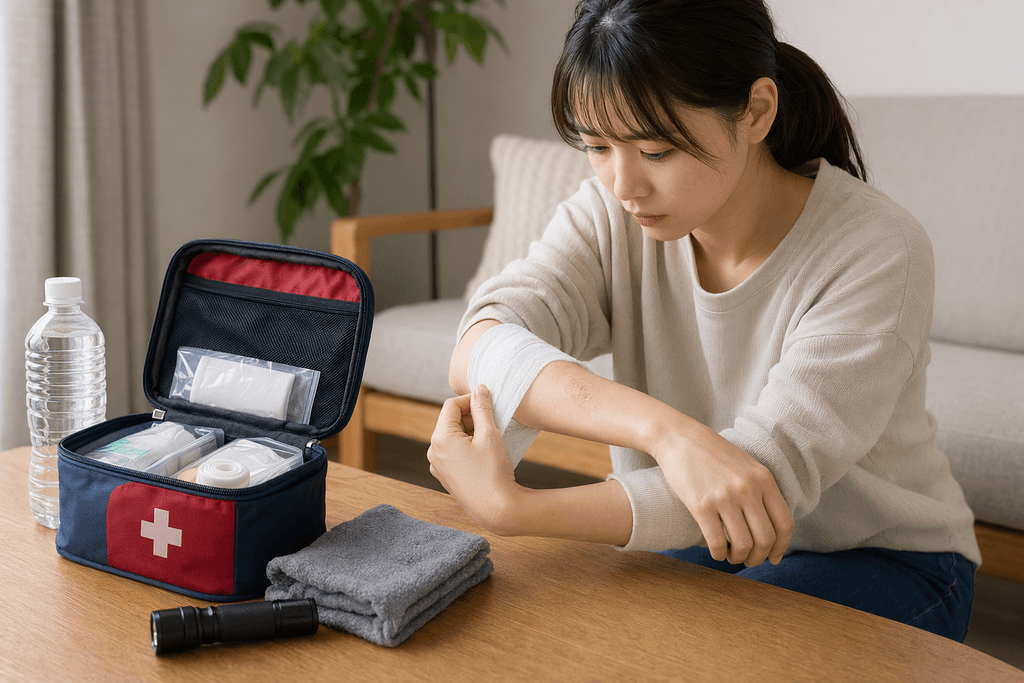
အရေးပေါ်အခြေအနေတွေကို ကြိုတင်ပြင်ဆင်ထားဖို့၊ လက်တလောရနိုင်တဲ့ပစ္စည်းတွေကို အသုံးပြုပြီး အရေးပေါ်ကူညီကုသမှုကို လုပ်နိုင်အောင် နေ့စဉ်တမ်း လုပ်ဆောင်ရမယ့်အဆင့်ဆင့်ကို မကြာခဏ စစ်ဆေးအတည်ပြုထားသင့်တယ်။
Word Forms
The basic and commonly used forms of this adjectival noun.
Basic forms
| Form | Word form | Usage |
|---|---|---|
| Imperfective form (mizenkei) |
Alternative:
手近でしょ
|
Used in forms such as darou. |
| Continuative form (renyokei) |
Alternative:
手近に
手近だっ
|
Used with de or ni. |
| Conclusive form (shushikei) | Ends a sentence with da. | |
| Attributive form (rentaikei) | Modifies a noun with na. | |
| Conditional form (kateikei) |
Alternative:
手近であれば
|
Expresses a condition with nara. |
| Imperative form (meireikei) | Used in formal expressions such as de are. |
Common forms
受け止める
ဖမ်းယူသည် / အလေးအနက်လက်ခံသည်
受け止める
ဖမ်းယူသည် / အလေးအနက်လက်ခံသည်
Explanation
受け止める
ဖမ်းယူသည် / အလေးအနက်လက်ခံသည်
受け止める
လှုပ်နေပစ္စည်းကို ဖမ်းယူ သို့မဟုတ် ရပ်တန့်စေသည် / တိုးတက်မှုကို တားဆီး၍ ရပ်တန့်စေသည် / ရလဒ်၊ ဆိုးကျိုးကို လက်ခံ၍ အခြေအနေကို ရင်ဆိုင်ဖြေရှင်းသည်
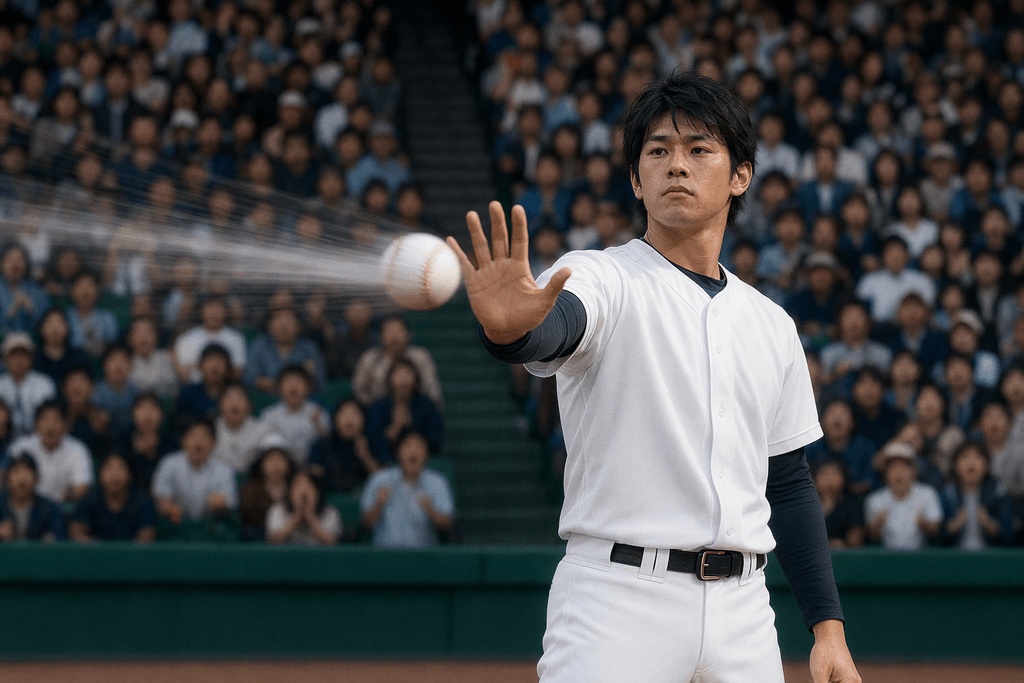
တစ်နာရီလျှင် ကီလိုမီတာ ၁၀၀ အမြန်နှုန်းနဲ့ ပျံလာတဲ့ ဘောလုံးကို သူက ခြေတစ်လှမ်းတောင် မရွှေ့ဘဲ လက်ဗလာနဲ့ ဖမ်းယူလိုက်တော့ ပရိသတ်ထိုင်ခုံတွေက အံ့သြသံတွေထွက်လာခဲ့တယ်။
Word Forms
The basic and commonly used forms of this verb.
Basic forms
| Form | Word form | Usage |
|---|---|---|
| Imperfective form (mizenkei) | Connects to endings such as nai, reru, and seru. | |
| Continuative form (renyokei) | Connects to endings such as masu, tai, and ta. | |
| Conclusive form (shushikei) | Ends a sentence and serves as the dictionary form. | |
| Attributive form (rentaikei) | Modifies a noun. | |
| Conditional form (kateikei) | Combines with ba to express a condition. | |
| Imperative form (meireikei) |
Alternative:
受け止めよ
|
Expresses a command or instruction. |
Common forms
折り返す
ခေါက်ပြန်သည် / ပြန်လှည့်သည်
折り返す
ခေါက်ပြန်သည် / ပြန်လှည့်သည်
Explanation
折り返す
ခေါက်ပြန်သည် / ပြန်လှည့်သည်
折り返す
အရာကို ပြန်ခေါက်၊ တင်ခေါက် / လမ်းကို ပြန်လှည့်၊ ပြန်သွား/ပြန်လာ
သူက စိတ်ခံစားချက်တွေကို အပြင်ပေါ်မထုတ်အောင် ကြိုးစားနေသော်လည်း၊ အင်္ကျီလက်ကွင်းကို ပြန်ခေါက်နေတဲ့ လက်ချောင်းထိပ်တွေမှာတော့ ဆုံးဖြတ်ချက်နဲ့ တုံ့ဆိုင်းမှုတို့ ရောနှောနေခဲ့သည်။

Word Forms
The basic and commonly used forms of this verb.
Basic forms
| Form | Word form | Usage |
|---|---|---|
| Imperfective form (mizenkei) |
Alternative:
折り返そ
|
Connects to endings such as nai, reru, and seru. |
| Continuative form (renyokei) | Connects to endings such as masu, tai, and ta. | |
| Conclusive form (shushikei) | Ends a sentence and serves as the dictionary form. | |
| Attributive form (rentaikei) | Modifies a noun. | |
| Conditional form (kateikei) | Combines with ba to express a condition. | |
| Imperative form (meireikei) | Expresses a command or instruction. |
Common forms
そびえる
မြင့်မားစွာထိုးထွက်သည်
そびえる
မြင့်မားစွာထိုးထွက်သည်
Explanation
မြင့်မားစွာထိုးထွက်သည်
そびえる
မြင့်မားစွာ ရပ်တည်နေသည် / အပေါ်သို့ မြင့်တက်နေသည် / ကြီးမားသည့်ပုံရိပ်ဖြင့် ထင်ရှားပေါ်လာသည်
မြူထု၏နောက်ဘက်မှာ ထူထည်လှုပ်ရှားစွာ ထိုးထောင်နေတဲ့ ရှေးဟောင်းရဲတိုက်ကို မော့ကြည့်လိုက်တဲ့ခဏမှာပဲ ခေတ်အဆက်ဆက်၏အလေးချိန်က ရင်ထဲကို တိုက်ရိုက်တိုးဝင်လာခဲ့တယ်။

Word Forms
The basic and commonly used forms of this verb.
Basic forms
| Form | Word form | Usage |
|---|---|---|
| Imperfective form (mizenkei) | Connects to endings such as nai, reru, and seru. | |
| Continuative form (renyokei) | Connects to endings such as masu, tai, and ta. | |
| Conclusive form (shushikei) | Ends a sentence and serves as the dictionary form. | |
| Attributive form (rentaikei) | Modifies a noun. | |
| Conditional form (kateikei) | Combines with ba to express a condition. | |
| Imperative form (meireikei) |
Alternative:
そびえよ
|
Expresses a command or instruction. |
Common forms
細胞
ဆဲလ်
細胞
ဆဲလ်
Explanation
細胞
ဆဲလ်
細胞
အသက်ရှိအရာဝတ္ထု၏ အခြေခံဖွဲ့စည်းနှင့်လုပ်ဆောင်ရေးယူနစ် / မိုက်ကရိုစကိုပ်ဖြင့်သာ မြင်နိုင်သည့် အသက်ရှိအစိတ်အပိုင်းငယ်
ကင်ဆာကုသမှု၏ ရှေ့တန်းတွင်၊ ဆဲလ်များသည် ပတ်ဝန်းကျင်နှင့် လိုက်လျောညီထွေဖြစ်ကာ မျိုးပွားတိုးများလာသည့် ယန္တရားကို မော်လီကျူးအဆင့်တွင် ဖော်ထုတ်ရှင်းလင်းနိုင်ရန် လိုအပ်နေသည်။

( Base form )
( romanization )
( romanization )
( alternative )
( Rōmaji )
( hiragana historical )
( hiragana historical )
( hiragana )
和文
ဂျပန်စာသား
和文
ဂျပန်စာသား
Explanation
和文
ဂျပန်စာသား
和文
ဂျပန်စာ / ဂျပန်ဘာသာဖြင့်ရေးသားထားသော စာ / ဂျပန်ဘာသာဖြင့်ရေးသားထားသော ဝါကျ

( Base form )
( romanization )
( hiragana )
ユニフォーム
ယူနီဖောင်း
ユニフォーム
ယူနီဖောင်း
Explanation
ယူနီဖောင်း
ユニフォーム
အဖွဲ့အစည်း သို့မဟုတ် ကျောင်းက သတ်မှတ်ထားသော တူညီဝတ်စုံ / (အားကစား) အသင်းဝတ်စုံ / အလုပ်သုံး သတ်မှတ်ဝတ်စုံ
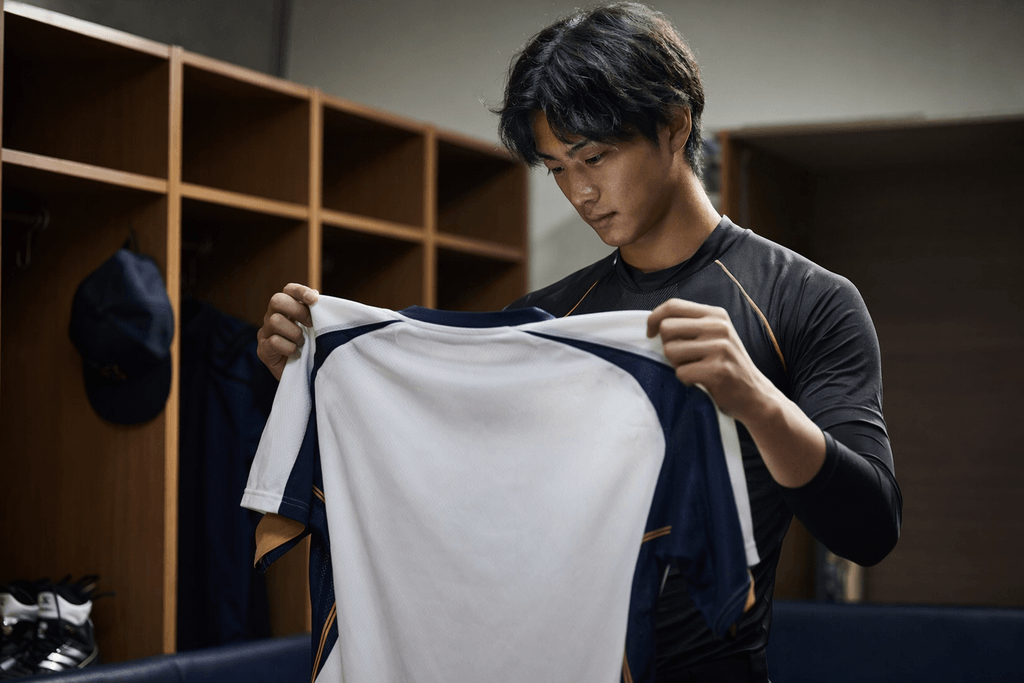
ပရော်ဖက်ရှင်နယ်စာချုပ်ချုပ်ဆိုခဲ့သောသူက အဲဒီယူနီဖောင်းကို ပထမဆုံးအကြိမ် လက်မောင်းထည့်ဝတ်လိုက်သည့်အခိုက်၊ တာဝန်၏လေးနက်မှုနဲ့ ဂုဏ်ယူမှုက တပြိုင်နက်တည်း ရင်ထဲကို ပြည့်လျှံလာခဲ့သည်။
( romanization )
サンキュー
ကျေးဇူးတင်ပါတယ်
サンキュー
ကျေးဇူးတင်ပါတယ်
Explanation
ကျေးဇူးတင်ပါတယ်
サンキュー
ကျေးဇူး / ကျေးဇူးပါ / ကျေးဇူးတင်ပါတယ်

( Base form )
( Base form )
( romanization )
誠実
ရိုးသားစစ်မှန်သော
誠実
ရိုးသားစစ်မှန်သော
Explanation
誠実
ရိုးသားစစ်မှန်သော
誠実
ရိုးသားသော / ဖြောင့်မတ်သော / သစ္စာရှိသော
သူ၏ ရိုးသားဖြောင့်မတ်သော အနေအထားသည် အကျိုးစီးပွားများ ပတ်သက်နေသော ညှိနှိုင်းဆွေးနွေးမှု အခင်းအကျင်းများတွင်တောင် တစ်သမတ်တည်း ရှိနေခဲ့ပြီး ပတ်ဝန်းကျင်ရှိသူများ၏ ယုံကြည်မှုကို မလှုပ်ယှက်နိုင်အောင် ခိုင်မာစေခဲ့သည်။

Word Forms
The basic and commonly used forms of this adjectival noun.
Basic forms
| Form | Word form | Usage |
|---|---|---|
| Imperfective form (mizenkei) | Used in forms such as darou. | |
| Continuative form (renyokei) |
Alternative:
誠実に
|
Used with de or ni. |
| Conclusive form (shushikei) | Ends a sentence with da. | |
| Attributive form (rentaikei) | Modifies a noun with na. | |
| Conditional form (kateikei) | Expresses a condition with nara. | |
| Imperative form (meireikei) | Used in formal expressions such as de are. |
Common forms
煩わしい
စိတ်အနှောင့်အယှက်ဖြစ်စေသော
煩わしい
စိတ်အနှောင့်အယှက်ဖြစ်စေသော
Explanation
煩わしい
စိတ်အနှောင့်အယှက်ဖြစ်စေသော
煩わしい
စိတ်အနှောက်အယှက်ဖြစ်စေသော / အခက်အခဲဖြစ်စေသော / ရှုပ်ထွေးသော
ရုံးလုပ်ငန်းဆောင်ရွက်မှုများက စိတ်ရှုပ်စရာကောင်းသည်ဟုဆိုပြီး လိုအပ်သောစာရွက်စာတမ်းများကို တင်ပြရန် ပျက်ကွက်ပါက နောက်ပိုင်းတွင် ပိုမိုခက်ခဲရှုပ်ထွေးသော အခြေအနေများကို ဖြစ်ပေါ်စေနိုင်သည်။

Word Forms
The basic and commonly used forms of this adjective.
Basic forms
| Form | Word form | Usage |
|---|---|---|
| Imperfective form (mizenkei) | Used in forms such as karou; mainly literary. | |
| Continuative form (renyokei) |
Alternative:
煩わしかっ
|
Used in forms such as kute and kunai. |
| Conclusive form (shushikei) | Ends a sentence. | |
| Attributive form (rentaikei) | Modifies a noun. | |
| Conditional form (kateikei) | Expresses a condition with kereba. | |
| Imperative form (meireikei) | Rarely used in modern Japanese. |
Common forms
Loading...

JLPT N1 多言語単語帳・3032語 / JLPT N1 Multilingual Vocabulary: 3032 Words

Jonathan Waller 氏の JLPT Resources の語彙リスト・レベル分類を出典とし、CC BY の条件に従って DiQt が学習者向けに意味を作り直した3032語の単語帳です。JLPT公式の語彙リストではありません。
This collection of 3032 words is based on the vocabulary list and level classifications in Jonathan Waller’s JLPT Resources under CC BY, with meanings rewritten by DiQt for learners. It is not an official JLPT vocabulary list.
Key Operations
Select the first quiz:
Ctrl + Enter
View Explanation:Ctrl + G
Close a feedback:Esc
When selecting a quiz
Answer:Enter
Select a choice:↓ or ↑
Reading out the question:Ctrl + K
View Hint: Ctrl + M
I don't know: Ctrl + Y



