
JLPT N4 詞義四選一 - Unsolved

透過四選一題目,用繁體中文學習JLPT N4的631個單字詞義。
-
商量
-
天氣預報
-
今晚
-
看見 / 觀看
-
獲勝
-
聽得見
- 「較べる」とも表記する。
-
吃 / 喝
-
持續
-
活著
- 表記は「混む」「込む」の両方が用いられる。人・場所・交通などが混雑している意では「混む」が一般的。
-
繞行 / 旋轉
-
寄送
-
相加
-
下降
-
傳達
-
烘烤 / 燒烤
-
變乾
-
吃驚
-
分別 / 分手
-
後背
-
地點
-
抽屜
-
認真的 / 勤勉的
-
親切
-
隔了好久
-
好吃的 / 擅長的
-
寂寞的
-
極好的
-
決定
-
聽得見
-
晃動 / 搖擺
大学生
大學生
大学生
大學生
Explanation
大学生
大學生
大学生
大學生 / 就讀大學的學生 / 大學的學生

( Base form )
( romanization )
( hiragana )
比べる
比較
比べる
比較
Explanation
比べる
比較
比べる
比較 / 對照 / 相較

Word Forms
The basic and commonly used forms of this verb.
Basic forms
| Form | Word form | Usage |
|---|---|---|
| Imperfective form (mizenkei) | Connects to endings such as nai, reru, and seru. | |
| Continuative form (renyokei) | Connects to endings such as masu, tai, and ta. | |
| Conclusive form (shushikei) | Ends a sentence and serves as the dictionary form. | |
| Attributive form (rentaikei) | Modifies a noun. | |
| Conditional form (kateikei) | Combines with ba to express a condition. | |
| Imperative form (meireikei) |
Alternative:
比べよ
|
Expresses a command or instruction. |
Common forms
| Form | Word form | Usage |
|---|---|---|
| Te-form | Connects clauses with te. | |
| Ta-form | Expresses the past with ta. | |
| Nai-form | Expresses negation with nai. | |
| Masu-form | Used for polite speech. | |
| Ba-form | Expresses a condition with ba. | |
| Volitional form | Expresses intention or invitation. |
Notes
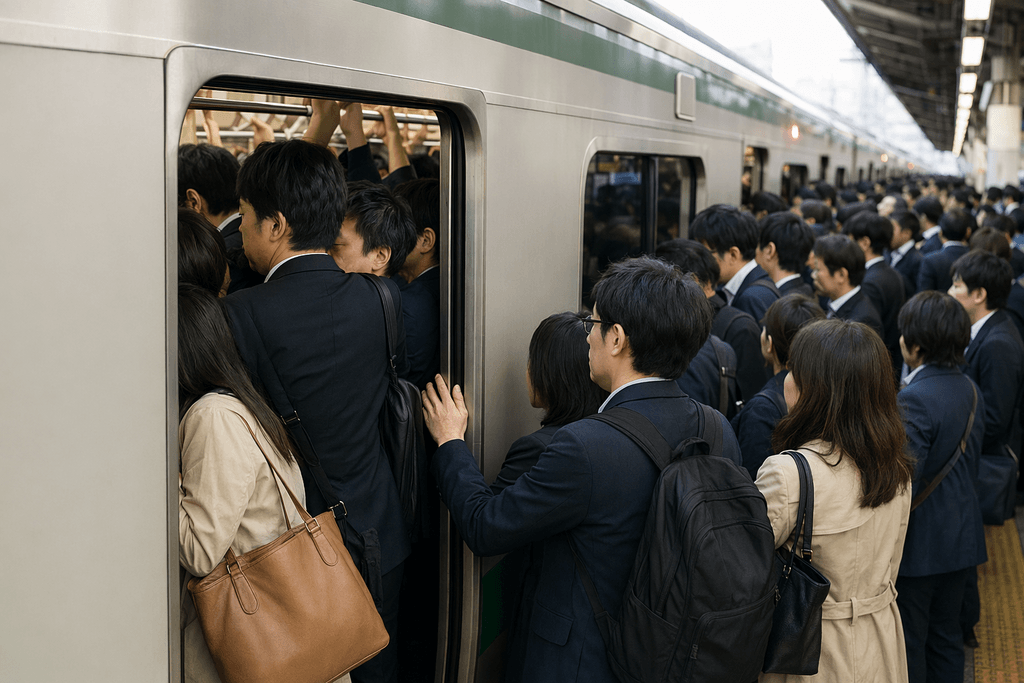
混む
擁擠
混む
擁擠
Explanation
混む
擁擠
混む
擁擠、壅塞;(事物)複雜 / 進入;放入 / 徹底、完全;持續保持某狀態(如一直坐著、保持沉默)
Word Forms
The basic and commonly used forms of this verb.
Basic forms
| Form | Word form | Usage |
|---|---|---|
| Imperfective form (mizenkei) |
Alternative:
込ま
|
Connects to endings such as nai, reru, and seru. |
| Continuative form (renyokei) |
Alternative:
込み
|
Connects to endings such as masu, tai, and ta. |
| Conclusive form (shushikei) |
Alternative:
込む
|
Ends a sentence and serves as the dictionary form. |
| Attributive form (rentaikei) |
Alternative:
込む
|
Modifies a noun. |
| Conditional form (kateikei) |
Alternative:
込め
|
Combines with ba to express a condition. |
| Imperative form (meireikei) |
Alternative:
込め
|
Expresses a command or instruction. |
Common forms
| Form | Word form | Usage |
|---|---|---|
| Te-form |
Alternative:
込んで
|
Connects clauses with te. |
| Ta-form |
Alternative:
込んだ
|
Expresses the past with ta. |
| Nai-form |
Alternative:
込まない
|
Expresses negation with nai. |
| Masu-form |
Alternative:
込みます
|
Used for polite speech. |
| Ba-form |
Alternative:
込めば
|
Expresses a condition with ba. |
| Volitional form |
Alternative:
込もう
|
Expresses intention or invitation. |
Notes
とめる
止住
とめる
止住
Explanation
止住
とめる
使停止;使停下 / 停車;停放車輛 / (書法/筆畫)收筆向右下的捺(㇔)
Word Forms
The basic and commonly used forms of this verb.
Basic forms
| Form | Word form | Usage |
|---|---|---|
| Imperfective form (mizenkei) | Connects to endings such as nai, reru, and seru. | |
| Continuative form (renyokei) | Connects to endings such as masu, tai, and ta. | |
| Conclusive form (shushikei) | Ends a sentence and serves as the dictionary form. | |
| Attributive form (rentaikei) | Modifies a noun. | |
| Conditional form (kateikei) | Combines with ba to express a condition. | |
| Imperative form (meireikei) |
Alternative:
止めよ
|
Expresses a command or instruction. |
Common forms
噛む
咬 / 咀嚼
噛む
咬 / 咀嚼
Explanation
噛む
咬 / 咀嚼
噛む
咬;咀嚼 / (說話時)結巴、口誤;念錯

Word Forms
The basic and commonly used forms of this verb.
Basic forms
| Form | Word form | Usage |
|---|---|---|
| Imperfective form (mizenkei) |
Alternative:
噛も
|
Connects to endings such as nai, reru, and seru. |
| Continuative form (renyokei) | Connects to endings such as masu, tai, and ta. | |
| Conclusive form (shushikei) | Ends a sentence and serves as the dictionary form. | |
| Attributive form (rentaikei) | Modifies a noun. | |
| Conditional form (kateikei) | Combines with ba to express a condition. | |
| Imperative form (meireikei) | Expresses a command or instruction. |
Common forms
写す
抄寫 / 拍照
写す
抄寫 / 拍照
Explanation
写す
抄寫 / 拍照
写す
抄寫 / 複製 / 描寫或描繪

Word Forms
The basic and commonly used forms of this verb.
Basic forms
| Form | Word form | Usage |
|---|---|---|
| Imperfective form (mizenkei) |
Alternative:
写そ
|
Connects to endings such as nai, reru, and seru. |
| Continuative form (renyokei) | Connects to endings such as masu, tai, and ta. | |
| Conclusive form (shushikei) | Ends a sentence and serves as the dictionary form. | |
| Attributive form (rentaikei) | Modifies a noun. | |
| Conditional form (kateikei) | Combines with ba to express a condition. | |
| Imperative form (meireikei) | Expresses a command or instruction. |
Common forms
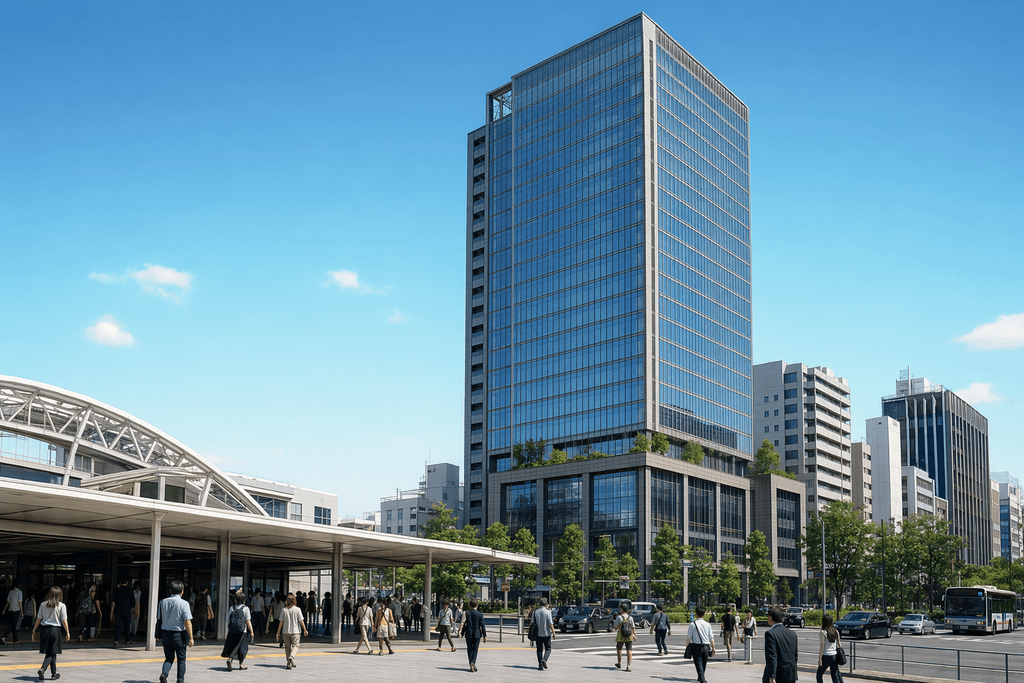
ビル
大樓
ビル
大樓
Explanation
大樓
ビル
大樓 / 辦公大樓 / 高層建築
( romanization )
残念
遺憾
残念
遺憾
Explanation
残念
遺憾
残念
可惜的 / 遺憾的 / 令人懊惱的

Word Forms
The basic and commonly used forms of this adjectival noun.
Basic forms
| Form | Word form | Usage |
|---|---|---|
| Imperfective form (mizenkei) |
Alternative:
残念でしょ
|
Used in forms such as darou. |
| Continuative form (renyokei) |
Alternative:
残念に
|
Used with de or ni. |
| Conclusive form (shushikei) |
Alternative:
残念です
|
Ends a sentence with da. |
| Attributive form (rentaikei) |
Alternative:
残念なる
|
Modifies a noun with na. |
| Conditional form (kateikei) | Expresses a condition with nara. | |
| Imperative form (meireikei) | Used in formal expressions such as de are. |
Common forms
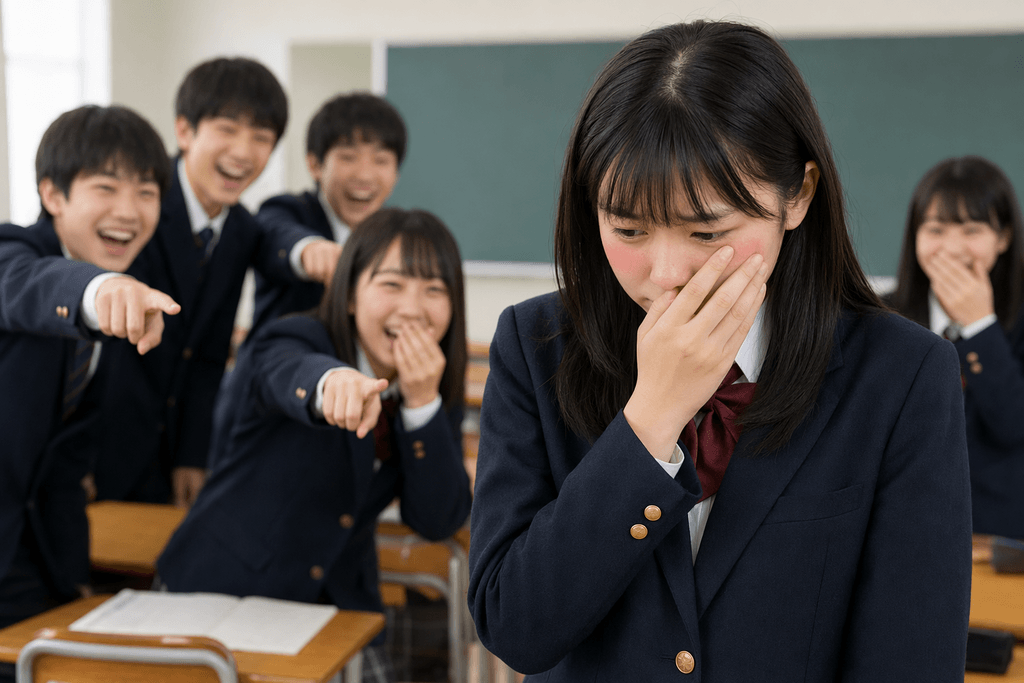
恥ずかしい
害羞的
恥ずかしい
害羞的
Explanation
恥ずかしい
害羞的
恥ずかしい
尷尬的 / 害羞的 / 羞愧的
Word Forms
The basic and commonly used forms of this adjective.
Basic forms
| Form | Word form | Usage |
|---|---|---|
| Imperfective form (mizenkei) | Used in forms such as karou; mainly literary. | |
| Continuative form (renyokei) |
Alternative:
恥ずかしかっ
|
Used in forms such as kute and kunai. |
| Conclusive form (shushikei) | Ends a sentence. | |
| Attributive form (rentaikei) | Modifies a noun. | |
| Conditional form (kateikei) | Expresses a condition with kereba. | |
| Imperative form (meireikei) | Rarely used in modern Japanese. |
Common forms
怒る
生氣
怒る
生氣
Explanation
怒る
生氣
怒る
生氣;發怒 / 斥責;責罵 / 使人生氣;激怒

Word Forms
The basic and commonly used forms of this verb.
Basic forms
| Form | Word form | Usage |
|---|---|---|
| Imperfective form (mizenkei) |
Alternative:
怒ろ
|
Connects to endings such as nai, reru, and seru. |
| Continuative form (renyokei) | Connects to endings such as masu, tai, and ta. | |
| Conclusive form (shushikei) | Ends a sentence and serves as the dictionary form. | |
| Attributive form (rentaikei) | Modifies a noun. | |
| Conditional form (kateikei) | Combines with ba to express a condition. | |
| Imperative form (meireikei) | Expresses a command or instruction. |
Common forms
Loading...

JLPT N4 多言語単語帳・631語 / JLPT N4 Multilingual Vocabulary: 631 Words

Jonathan Waller 氏の JLPT Resources の語彙リスト・レベル分類を出典とし、CC BY の条件に従って DiQt が初級向けに意味を作り直した631語の単語帳です。JLPT公式の語彙リストではありません。
This collection of 631 words is based on the vocabulary list and level classifications in Jonathan Waller’s JLPT Resources under CC BY, with meanings rewritten by DiQt for beginners. It is not an official JLPT vocabulary list.
Key Operations
Select the first quiz:
Ctrl + Enter
View Explanation:Ctrl + G
Close a feedback:Esc
When selecting a quiz
Answer:Enter
Select a choice:↓ or ↑
Reading out the question:Ctrl + K
View Hint: Ctrl + M
I don't know: Ctrl + Y



