
JLPT N4 詞義四選一 - Unsolved

透過四選一題目,用繁體中文學習JLPT N4的631個單字詞義。
-
日式被褥
-
手提包
-
周圍
-
感受 / 心情
-
白天
-
生米
-
鄉下
-
光
-
數學
-
消失 / 遺失
-
超過 / 經過
-
搬家
- 五段活用(サ行)。「起こす」を主見出しとし、「興す」「熾す」は表記違いとして variants に収録。
-
手套
-
祝賀
-
外表
-
高興的
-
可以的
-
糟糕的
-
傳真
-
嬰兒
-
自由
-
空隙 / 期間
-
架子
-
將來 / 前途
-
生活
-
大家
-
玩具
-
筆直地 / 突然
-
那麼
-
最
戦争
戰爭
戦争
戰爭
Explanation
戦争
戰爭
戦争
國家或團體以武力進行的衝突 / 有組織使用武器的武裝對抗 / 大規模的軍事衝突

( Base form )
( romanization )
( romanization )
( kyūjitai )
( hiragana historical )
( hiragana )
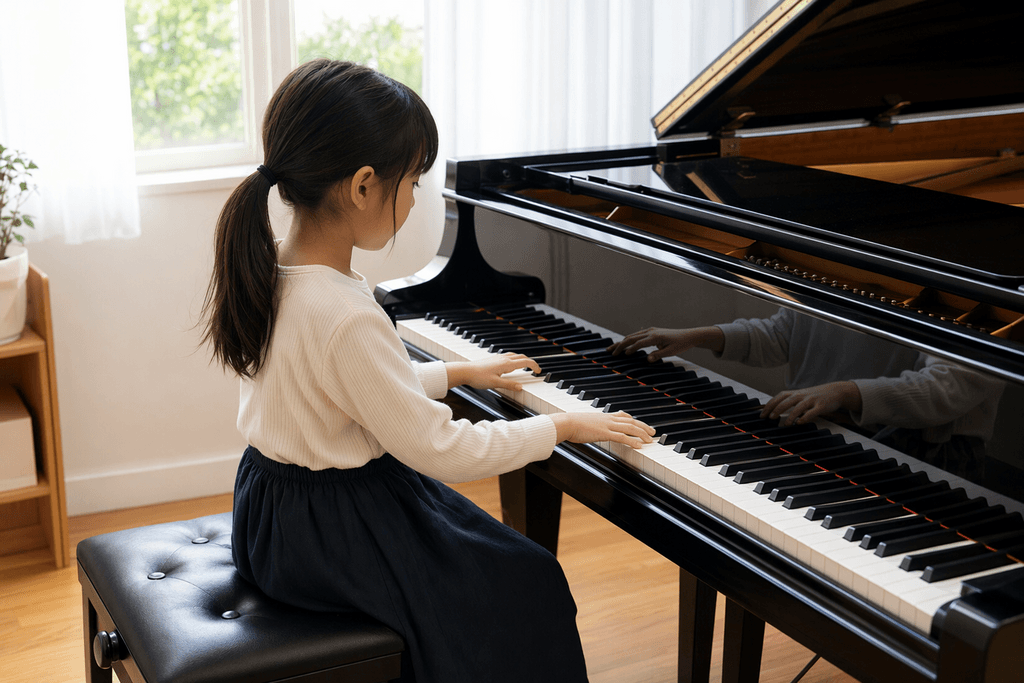
ピアノ
鋼琴
ピアノ
鋼琴
Explanation
鋼琴
ピアノ
鋼琴
( romanization )
家内
內人
家内
內人
Explanation
家内
內人
家内
(謙)自己的妻子 / 家人 / 屋內

( Base form )
( romanization )
( hiragana )
起こす
叫醒
起こす
叫醒
Explanation
起こす
叫醒
起こす
叫醒;使醒來 / 振興;創辦(事業、公司) / 生火;點燃

Word Forms
The basic and commonly used forms of this verb.
Basic forms
| Form | Word form | Usage |
|---|---|---|
| Imperfective form (mizenkei) |
Alternative:
興さ
熾さ
起こそ
興そ
熾そ
|
Connects to endings such as nai, reru, and seru. |
| Continuative form (renyokei) |
Alternative:
興し
熾し
|
Connects to endings such as masu, tai, and ta. |
| Conclusive form (shushikei) |
Alternative:
興す
熾す
|
Ends a sentence and serves as the dictionary form. |
| Attributive form (rentaikei) |
Alternative:
興す
熾す
|
Modifies a noun. |
| Conditional form (kateikei) |
Alternative:
興せ
熾せ
|
Combines with ba to express a condition. |
| Imperative form (meireikei) |
Alternative:
興せ
熾せ
|
Expresses a command or instruction. |
Common forms
| Form | Word form | Usage |
|---|---|---|
| Te-form |
Alternative:
興して
熾して
|
Connects clauses with te. |
| Ta-form |
Alternative:
興した
熾した
|
Expresses the past with ta. |
| Nai-form |
Alternative:
興さない
熾さない
|
Expresses negation with nai. |
| Masu-form |
Alternative:
興します
熾します
|
Used for polite speech. |
| Ba-form |
Alternative:
興せば
熾せば
|
Expresses a condition with ba. |
| Volitional form |
Alternative:
興そう
熾そう
|
Expresses intention or invitation. |
Notes
趣味
嗜好
趣味
嗜好
Explanation
趣味
嗜好
趣味
興趣 / 嗜好 / 愛好

( Base form )
( romanization )
( hiragana )
柔らかい
柔軟的
柔らかい
柔軟的
Explanation
柔らかい
柔軟的
柔らかい
柔軟的 / 柔和的 / 軟的

Word Forms
The basic and commonly used forms of this adjective.
Basic forms
| Form | Word form | Usage |
|---|---|---|
| Imperfective form (mizenkei) | Used in forms such as karou; mainly literary. | |
| Continuative form (renyokei) |
Alternative:
柔らかかっ
|
Used in forms such as kute and kunai. |
| Conclusive form (shushikei) | Ends a sentence. | |
| Attributive form (rentaikei) | Modifies a noun. | |
| Conditional form (kateikei) | Expresses a condition with kereba. | |
| Imperative form (meireikei) | Rarely used in modern Japanese. |
Common forms
答え
答案
答え
答案
Explanation
答え
答案
答え
答案 / 回答 / 解答

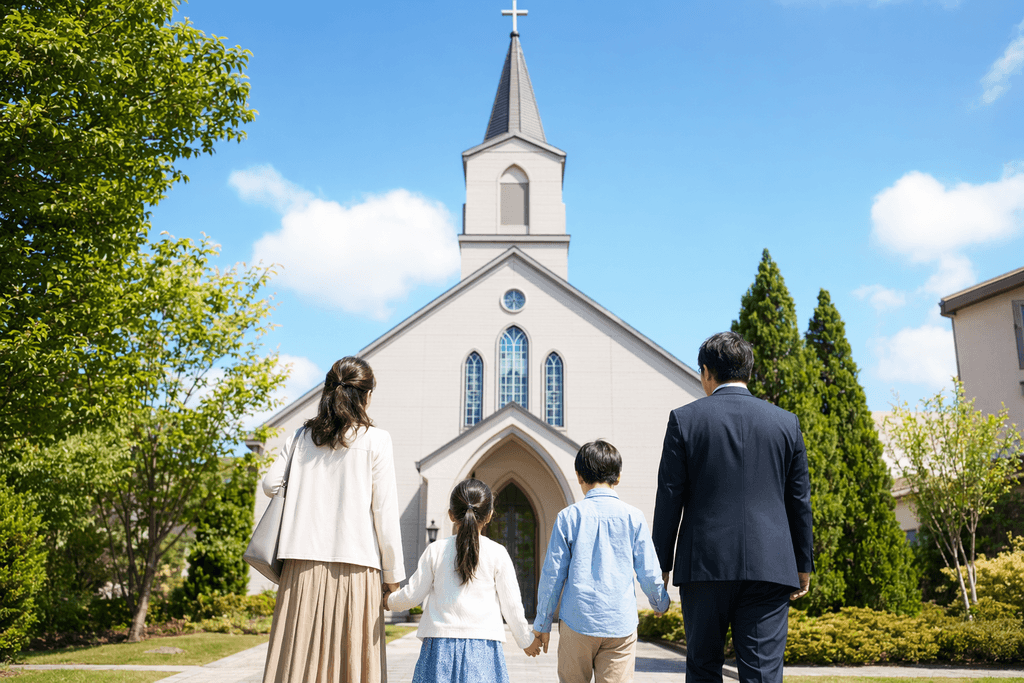
教会
教堂
教会
教堂
Explanation
教会
教堂
教会
基督教的教堂、禮拜場所 / 基督教的宗教團體或機構
( Base form )
( romanization )
( romanization )
( hiragana historical )
( hiragana )
研究
研究
研究
研究
Explanation
研究
研究
研究
研究 / 學術研究 / 調查

( Base form )
( romanization )
( hiragana )
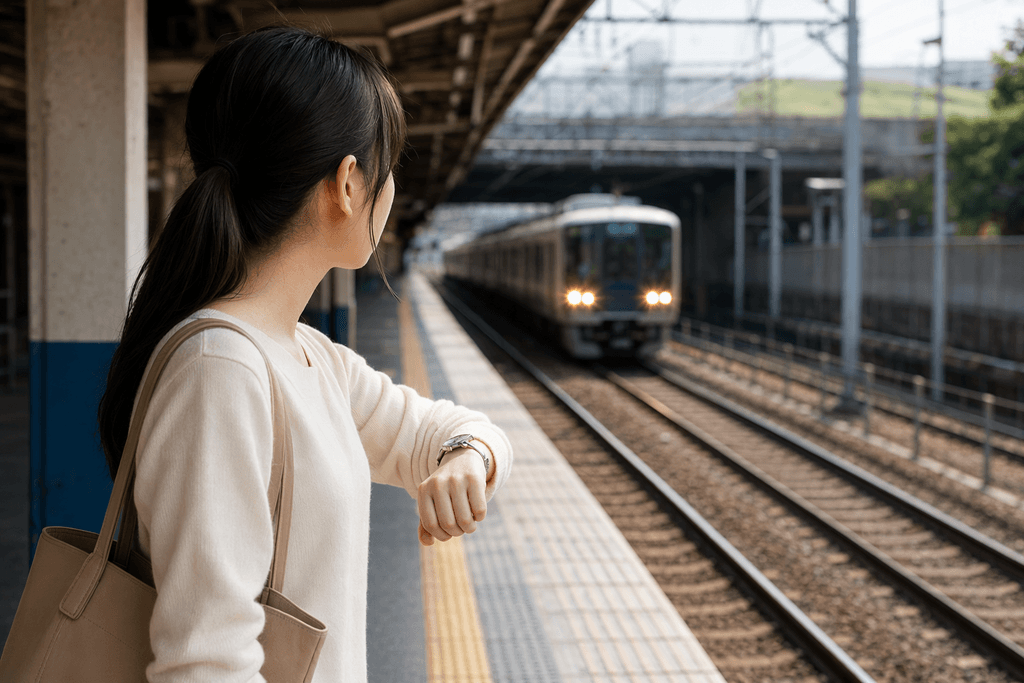
もうすぐ
馬上
もうすぐ
馬上
Explanation
馬上
もうすぐ
馬上 / 即將 / 差不多
Loading...

JLPT N4 多言語単語帳・631語 / JLPT N4 Multilingual Vocabulary: 631 Words

Jonathan Waller 氏の JLPT Resources の語彙リスト・レベル分類を出典とし、CC BY の条件に従って DiQt が初級向けに意味を作り直した631語の単語帳です。JLPT公式の語彙リストではありません。
This collection of 631 words is based on the vocabulary list and level classifications in Jonathan Waller’s JLPT Resources under CC BY, with meanings rewritten by DiQt for beginners. It is not an official JLPT vocabulary list.
Key Operations
Select the first quiz:
Ctrl + Enter
View Explanation:Ctrl + G
Close a feedback:Esc
When selecting a quiz
Answer:Enter
Select a choice:↓ or ↑
Reading out the question:Ctrl + K
View Hint: Ctrl + M
I don't know: Ctrl + Y



