
JLPT N4 詞義四選一 - Unsolved

透過四選一題目,用繁體中文學習JLPT N4的631個單字詞義。
-
可以的
-
好吃的 / 擅長的
-
寂寞的
-
生氣
-
進行
-
降低 / 掛起
-
辦完
-
超過 / 經過
-
下降
- サ行変格活用の複合動詞(「出発」+「する」)。
- 未然形には接続する助動詞などにより「し」「せ」「さ」が現れる。
-
飾品
-
架子
-
畢業
-
睡過頭
-
周圍
-
約定
-
相當
-
筆直地 / 突然
-
大大地
-
注意 / 小心
-
有禮貌的
-
辭典
-
國小
-
颱風
-
父母
-
下下週
-
禮物
-
空氣 / 氣氛
-
比賽
-
兼職工作
-
果醬
厳しい
嚴格的
厳しい
嚴格的
Explanation
厳しい
嚴格的
厳しい
嚴格、嚴厲 / 嚴峻、嚴酷 / 肅穆、莊嚴

Word Forms
The basic and commonly used forms of this adjective.
Basic forms
| Form | Word form | Usage |
|---|---|---|
| Imperfective form (mizenkei) | Used in forms such as karou; mainly literary. | |
| Continuative form (renyokei) |
Alternative:
厳しかっ
|
Used in forms such as kute and kunai. |
| Conclusive form (shushikei) | Ends a sentence. | |
| Attributive form (rentaikei) | Modifies a noun. | |
| Conditional form (kateikei) | Expresses a condition with kereba. | |
| Imperative form (meireikei) | Rarely used in modern Japanese. |
Common forms
笑う
笑出聲 / 微笑
笑う
笑出聲 / 微笑
Explanation
笑う
笑出聲 / 微笑
笑う
笑;發笑 / 微笑 / 嘲笑;取笑

Word Forms
The basic and commonly used forms of this verb.
Basic forms
| Form | Word form | Usage |
|---|---|---|
| Imperfective form (mizenkei) |
Alternative:
笑お
|
Connects to endings such as nai, reru, and seru. |
| Continuative form (renyokei) | Connects to endings such as masu, tai, and ta. | |
| Conclusive form (shushikei) | Ends a sentence and serves as the dictionary form. | |
| Attributive form (rentaikei) | Modifies a noun. | |
| Conditional form (kateikei) | Combines with ba to express a condition. | |
| Imperative form (meireikei) | Expresses a command or instruction. |
Common forms
出発する
出發
出発する
出發
Explanation
出発する
出發
出発する
出發 / 啟程 / 動身離開

Word Forms
The basic and commonly used forms of this verb.
Basic forms
| Form | Word form | Usage |
|---|---|---|
| Imperfective form (mizenkei) |
Alternative:
出発せ
出発さ
|
Connects to endings such as nai, reru, and seru. |
| Continuative form (renyokei) | Connects to endings such as masu, tai, and ta. | |
| Conclusive form (shushikei) | Ends a sentence and serves as the dictionary form. | |
| Attributive form (rentaikei) | Modifies a noun. | |
| Conditional form (kateikei) | Combines with ba to express a condition. | |
| Imperative form (meireikei) |
Alternative:
出発せよ
|
Expresses a command or instruction. |
Common forms
| Form | Word form | Usage |
|---|---|---|
| Te-form | Connects clauses with te. | |
| Ta-form | Expresses the past with ta. | |
| Nai-form |
Alternative:
出発せぬ
出発せず
|
Expresses negation with nai. |
| Masu-form | Used for polite speech. | |
| Ba-form | Expresses a condition with ba. | |
| Volitional form | Expresses intention or invitation. |
Notes
文化
文化
文化
文化
Explanation
文化
文化
文化
人類在歷史過程中創造的物質與精神成果總稱 / 社會或民族的生活方式、價值觀與習俗 / 教養、文學藝術等方面的修養
( Base form )
( romanization )
( romanization )
( hiragana historical )
( hiragana )
遠慮
客氣
遠慮
客氣
Explanation
遠慮
客氣
遠慮
拘謹與保留的態度 / 顧忌而猶豫 / 前瞻性的考量;深謀遠慮

( Base form )
( romanization )
( romanization )
( hiragana historical )
( hiragana )
やっと
總算
やっと
總算
Explanation
總算
やっと
終於 / 總算 / 好不容易

( romanization )
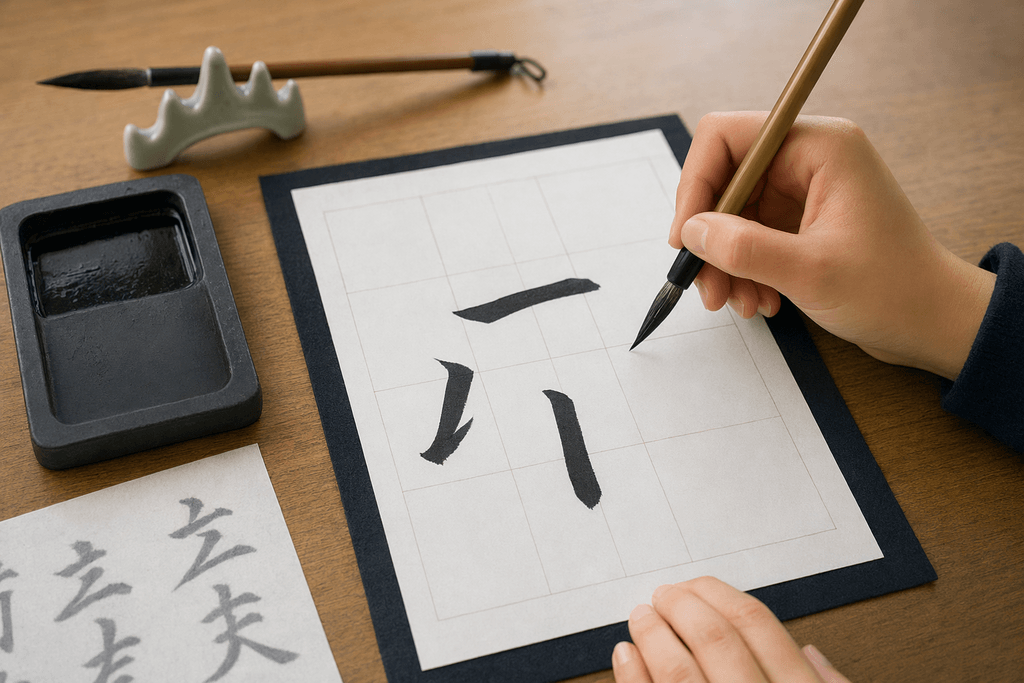
字
文字
字
文字
Explanation
字
文字
字
書寫的符號、文字 / 字跡、筆跡
( romanization )
( hiragana )
景色
景色
景色
景色
Explanation
景色
景色
景色
風景;自然或人文的景致 / 景象;眼前所見的場面 / 山水等景物的總稱

( Base form )
( romanization )
( hiragana )
案内
引導
案内
引導
Explanation
案内
引導
案内
指引 / 資訊 / 通知

( Base form )
( romanization )
( kyūjitai )
( hiragana )
森
森林
森
森林
Explanation
森
森林
森
森林 / 樹林 / 林地

( romanization )
( hiragana )
Loading...

JLPT N4 多言語単語帳・631語 / JLPT N4 Multilingual Vocabulary: 631 Words

Jonathan Waller 氏の JLPT Resources の語彙リスト・レベル分類を出典とし、CC BY の条件に従って DiQt が初級向けに意味を作り直した631語の単語帳です。JLPT公式の語彙リストではありません。
This collection of 631 words is based on the vocabulary list and level classifications in Jonathan Waller’s JLPT Resources under CC BY, with meanings rewritten by DiQt for beginners. It is not an official JLPT vocabulary list.
Key Operations
Select the first quiz:
Ctrl + Enter
View Explanation:Ctrl + G
Close a feedback:Esc
When selecting a quiz
Answer:Enter
Select a choice:↓ or ↑
Reading out the question:Ctrl + K
View Hint: Ctrl + M
I don't know: Ctrl + Y



