
JLPT N4 詞義四選一 - Unsolved

透過四選一題目,用繁體中文學習JLPT N4的631個單字詞義。
-
給
-
尋找
-
檢查
- 「降り出す」は「降る」+「出す」からなる複合動詞で、活用は語末の「出す」に従う五段活用(サ行)。
-
播送
-
剩下
-
浸泡 / 醃漬
-
相當 / 不容易
-
務必
-
馬上
-
變髒
-
建造
-
繞行 / 旋轉
-
玩耍
-
找零
-
使用
-
手提包
-
以內
-
出院
-
警察
-
國小
-
畢業
-
淋濕
-
送給您
-
不再做
-
喜悅
-
淋濕
-
給我
-
地理
-
時代
-
行李箱
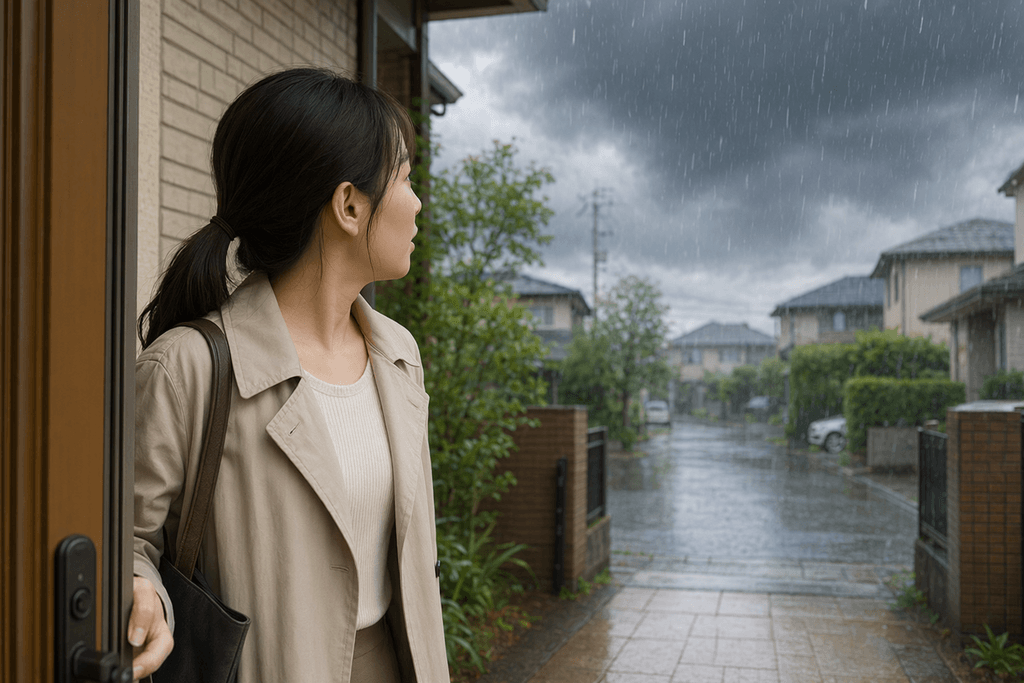
降り出す
開始下雨
降り出す
開始下雨
Explanation
降り出す
開始下雨
降り出す
開始下雨 / 下起雨來
Word Forms
The basic and commonly used forms of this verb.
Basic forms
| Form | Word form | Usage |
|---|---|---|
| Imperfective form (mizenkei) |
Alternative:
降り出そ
|
Connects to endings such as nai, reru, and seru. |
| Continuative form (renyokei) | Connects to endings such as masu, tai, and ta. | |
| Conclusive form (shushikei) | Ends a sentence and serves as the dictionary form. | |
| Attributive form (rentaikei) | Modifies a noun. | |
| Conditional form (kateikei) | Combines with ba to express a condition. | |
| Imperative form (meireikei) | Expresses a command or instruction. |
Common forms
| Form | Word form | Usage |
|---|---|---|
| Te-form | Connects clauses with te. | |
| Ta-form | Expresses the past with ta. | |
| Nai-form | Expresses negation with nai. | |
| Masu-form | Used for polite speech. | |
| Ba-form | Expresses a condition with ba. | |
| Volitional form | Expresses intention or invitation. |
Notes
驚く
吃驚
驚く
吃驚
Explanation
驚く
吃驚
驚く
感到驚訝 / 嚇一跳 / 感到驚奇

Word Forms
The basic and commonly used forms of this verb.
Basic forms
| Form | Word form | Usage |
|---|---|---|
| Imperfective form (mizenkei) |
Alternative:
驚こ
|
Connects to endings such as nai, reru, and seru. |
| Continuative form (renyokei) | Connects to endings such as masu, tai, and ta. | |
| Conclusive form (shushikei) | Ends a sentence and serves as the dictionary form. | |
| Attributive form (rentaikei) | Modifies a noun. | |
| Conditional form (kateikei) | Combines with ba to express a condition. | |
| Imperative form (meireikei) | Expresses a command or instruction. |
Common forms
すっかり
完全
すっかり
完全
Explanation
完全
すっかり
完全地 / 徹底地

( romanization )
落とす
弄掉
落とす
弄掉
Explanation
落とす
弄掉
落とす
使掉落;使落下 / 遺失(某物) / 去除、除去

Word Forms
The basic and commonly used forms of this verb.
Basic forms
| Form | Word form | Usage |
|---|---|---|
| Imperfective form (mizenkei) |
Alternative:
落とそ
|
Connects to endings such as nai, reru, and seru. |
| Continuative form (renyokei) | Connects to endings such as masu, tai, and ta. | |
| Conclusive form (shushikei) | Ends a sentence and serves as the dictionary form. | |
| Attributive form (rentaikei) | Modifies a noun. | |
| Conditional form (kateikei) | Combines with ba to express a condition. | |
| Imperative form (meireikei) | Expresses a command or instruction. |
Common forms
アナウンサー
播音員
アナウンサー
播音員
Explanation
播音員
アナウンサー
主播 / 節目主持人(電視或廣播) / 新聞播報員

( romanization )
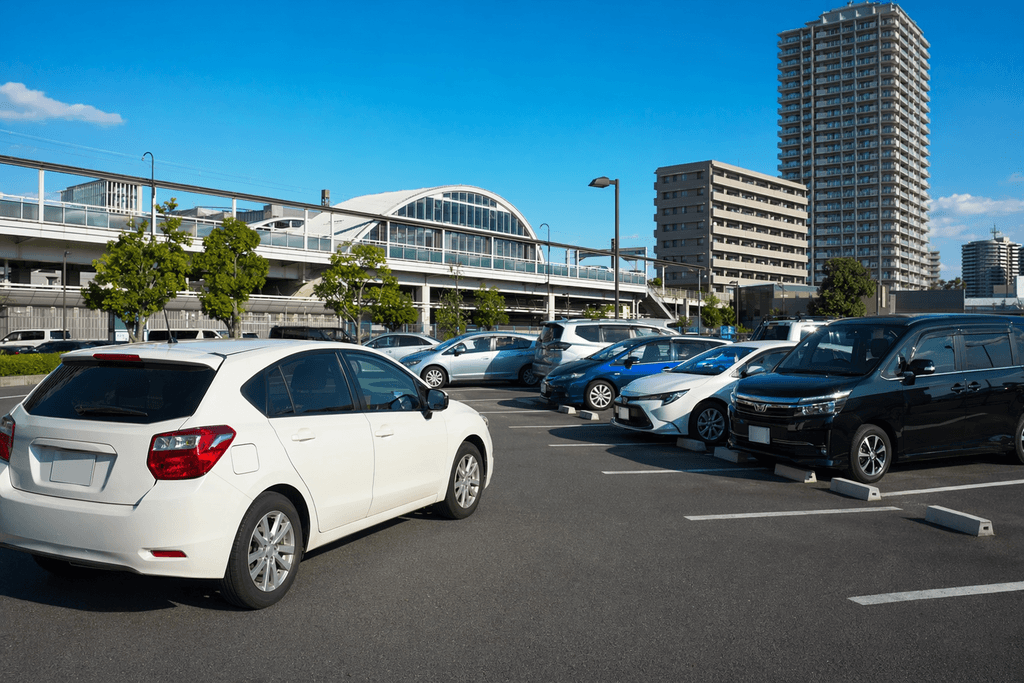
駐車場
停車場
駐車場
停車場
Explanation
駐車場
停車場
駐車場
停車場 / 停車區域 / 供車輛停放的場所
( Base form )
( romanization )
( hiragana )
以内
以內
以内
以內
Explanation
以内
以內
以内
在某一範圍或區域之內 / 在某一時間或數量之內;不超過

( Base form )
( romanization )
( hiragana )
尋ねる
詢問
尋ねる
詢問
Explanation
尋ねる
詢問
尋ねる
詢問 / 提問 / 發問

Word Forms
The basic and commonly used forms of this verb.
Basic forms
| Form | Word form | Usage |
|---|---|---|
| Imperfective form (mizenkei) | Connects to endings such as nai, reru, and seru. | |
| Continuative form (renyokei) | Connects to endings such as masu, tai, and ta. | |
| Conclusive form (shushikei) | Ends a sentence and serves as the dictionary form. | |
| Attributive form (rentaikei) | Modifies a noun. | |
| Conditional form (kateikei) | Combines with ba to express a condition. | |
| Imperative form (meireikei) |
Alternative:
尋ねよ
|
Expresses a command or instruction. |
Common forms
間に合う
趕得上
間に合う
趕得上
Explanation
間に合う
趕得上
間に合う
來得及;趕得上 / 足夠;能應付 / 合乎用途;適用

Word Forms
The basic and commonly used forms of this verb.
Basic forms
| Form | Word form | Usage |
|---|---|---|
| Imperfective form (mizenkei) | Connects to endings such as nai, reru, and seru. | |
| Continuative form (renyokei) | Connects to endings such as masu, tai, and ta. | |
| Conclusive form (shushikei) | Ends a sentence and serves as the dictionary form. | |
| Attributive form (rentaikei) | Modifies a noun. | |
| Conditional form (kateikei) | Combines with ba to express a condition. | |
| Imperative form (meireikei) | Expresses a command or instruction. |
Common forms
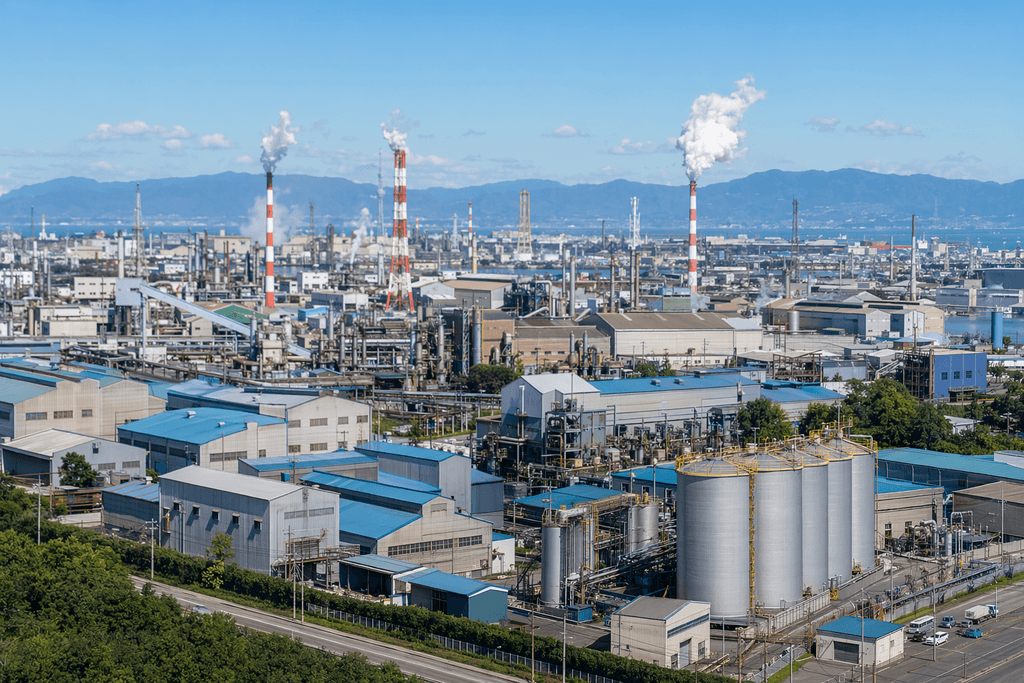
工業
工業
工業
工業
Explanation
工業
工業
工業
產業(尤指製造業) / 製造業部門 / 工廠生產活動
( Base form )
( romanization )
( hiragana )
Loading...

JLPT N4 多言語単語帳・631語 / JLPT N4 Multilingual Vocabulary: 631 Words

Jonathan Waller 氏の JLPT Resources の語彙リスト・レベル分類を出典とし、CC BY の条件に従って DiQt が初級向けに意味を作り直した631語の単語帳です。JLPT公式の語彙リストではありません。
This collection of 631 words is based on the vocabulary list and level classifications in Jonathan Waller’s JLPT Resources under CC BY, with meanings rewritten by DiQt for beginners. It is not an official JLPT vocabulary list.
Key Operations
Select the first quiz:
Ctrl + Enter
View Explanation:Ctrl + G
Close a feedback:Esc
When selecting a quiz
Answer:Enter
Select a choice:↓ or ↑
Reading out the question:Ctrl + K
View Hint: Ctrl + M
I don't know: Ctrl + Y



