
JLPT N4 詞義四選一 - Unsolved

透過四選一題目,用繁體中文學習JLPT N4的631個單字詞義。
-
道歉
-
止住
-
吃驚
-
踩
-
痊癒
-
變胖
-
網球
-
女兒 / 年輕小姐
-
生米
-
苦的
-
害羞的
-
糟糕的
-
空出來
-
過夜
-
分別 / 分手
- 「死ぬ」の婉曲・丁寧な表現。
-
大體上 / 大約
-
拚命地
-
當然
-
妻子
-
電燈
-
日記
-
不少於 / 到此為止
-
回覆
-
技術 / 技能
-
降低 / 掛起
-
表揚
-
下車 / 下去
- 五段活用ガ行の動詞。連用形接続の「て」「た」ではイ音便により「急いで」「急いだ」となる。
-
想起
-
搬遷 / 轉移
-
包起來
聞こえる
聽得見
聞こえる
聽得見
Explanation
聞こえる
聽得見
聞こえる
聽得到;被聽見;可聞 / 聽起來(像…);給人某種聽覺印象 / 廣為人知;聞名

Word Forms
The basic and commonly used forms of this verb.
Basic forms
| Form | Word form | Usage |
|---|---|---|
| Imperfective form (mizenkei) | Connects to endings such as nai, reru, and seru. | |
| Continuative form (renyokei) | Connects to endings such as masu, tai, and ta. | |
| Conclusive form (shushikei) | Ends a sentence and serves as the dictionary form. | |
| Attributive form (rentaikei) | Modifies a noun. | |
| Conditional form (kateikei) | Combines with ba to express a condition. | |
| Imperative form (meireikei) |
Alternative:
聞こえよ
|
Expresses a command or instruction. |
Common forms
迎える
去迎接 / 歡迎
迎える
去迎接 / 歡迎
Explanation
迎える
去迎接 / 歡迎
迎える
迎接;歡迎 / 接待(來客) / 迎來;面臨(某時刻或事件)

Word Forms
The basic and commonly used forms of this verb.
Basic forms
| Form | Word form | Usage |
|---|---|---|
| Imperfective form (mizenkei) | Connects to endings such as nai, reru, and seru. | |
| Continuative form (renyokei) | Connects to endings such as masu, tai, and ta. | |
| Conclusive form (shushikei) | Ends a sentence and serves as the dictionary form. | |
| Attributive form (rentaikei) | Modifies a noun. | |
| Conditional form (kateikei) | Combines with ba to express a condition. | |
| Imperative form (meireikei) |
Alternative:
迎えよ
|
Expresses a command or instruction. |
Common forms
自由
自由
自由
自由
Explanation
自由
自由
自由
自由;自由權 / (罕)需求(對商品或服務的需求) / (婉)廁所;洗手間

( Base form )
( romanization )
( romanization )
( hiragana historical )
( hiragana )
寂しい
寂寞的
寂しい
寂寞的
Explanation
寂しい
寂寞的
寂しい
寂寞的 / 荒涼的 / 哀傷的

Word Forms
The basic and commonly used forms of this adjective.
Basic forms
| Form | Word form | Usage |
|---|---|---|
| Imperfective form (mizenkei) | Used in forms such as karou; mainly literary. | |
| Continuative form (renyokei) |
Alternative:
寂しかっ
|
Used in forms such as kute and kunai. |
| Conclusive form (shushikei) | Ends a sentence. | |
| Attributive form (rentaikei) | Modifies a noun. | |
| Conditional form (kateikei) | Expresses a condition with kereba. | |
| Imperative form (meireikei) | Rarely used in modern Japanese. |
Common forms
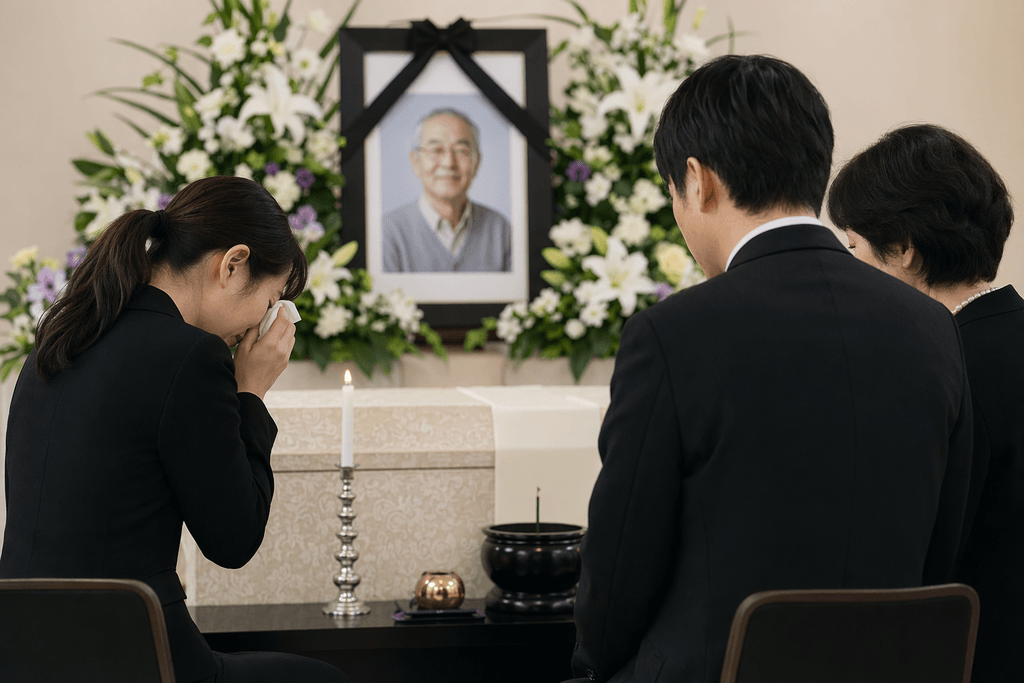
亡くなる
去世
亡くなる
去世
Explanation
亡くなる
去世
亡くなる
過世 / 去世 / 逝世
Word Forms
The basic and commonly used forms of this verb.
Basic forms
| Form | Word form | Usage |
|---|---|---|
| Imperfective form (mizenkei) |
Alternative:
亡くなろ
|
Connects to endings such as nai, reru, and seru. |
| Continuative form (renyokei) |
Alternative:
亡くなっ
|
Connects to endings such as masu, tai, and ta. |
| Conclusive form (shushikei) | Ends a sentence and serves as the dictionary form. | |
| Attributive form (rentaikei) | Modifies a noun. | |
| Conditional form (kateikei) | Combines with ba to express a condition. | |
| Imperative form (meireikei) | Expresses a command or instruction. |
Common forms
| Form | Word form | Usage |
|---|---|---|
| Te-form | Connects clauses with te. | |
| Ta-form | Expresses the past with ta. | |
| Nai-form | Expresses negation with nai. | |
| Masu-form | Used for polite speech. | |
| Ba-form | Expresses a condition with ba. | |
| Volitional form | Expresses intention or invitation. |
Notes
だいぶ
大大地
だいぶ
大大地
Explanation
大大地
だいぶ
非常 / 相當 / 頗為

( romanization )
お礼
感謝
お礼
感謝
Explanation
お礼
感謝
お礼
謝意;感謝之意 / 致謝、道謝 / 回禮;酬謝(表示感謝的禮物)

( romanization )
場合
情形
場合
情形
Explanation
場合
情形
場合
情況;情形;狀況 / 場合;時機 / (表條件)在…的情況下;如果、當…時

( Base form )
( romanization )
( romanization )
( hiragana historical )
( hiragana )
急ぐ
趕快
急ぐ
趕快
Explanation
急ぐ
趕快
急ぐ
趕忙,匆促行動 / 急於,心急 / 趕時間

Word Forms
The basic and commonly used forms of this verb.
Basic forms
| Form | Word form | Usage |
|---|---|---|
| Imperfective form (mizenkei) |
Alternative:
急ご
|
Connects to endings such as nai, reru, and seru. |
| Continuative form (renyokei) | Connects to endings such as masu, tai, and ta. | |
| Conclusive form (shushikei) | Ends a sentence and serves as the dictionary form. | |
| Attributive form (rentaikei) | Modifies a noun. | |
| Conditional form (kateikei) | Combines with ba to express a condition. | |
| Imperative form (meireikei) | Expresses a command or instruction. |
Common forms
| Form | Word form | Usage |
|---|---|---|
| Te-form | Connects clauses with te. | |
| Ta-form | Expresses the past with ta. | |
| Nai-form | Expresses negation with nai. | |
| Masu-form | Used for polite speech. | |
| Ba-form | Expresses a condition with ba. | |
| Volitional form | Expresses intention or invitation. |
Notes
知らせる
通知
知らせる
通知
Explanation
知らせる
通知
知らせる
通知 / 告知 / 通報

Word Forms
The basic and commonly used forms of this verb.
Basic forms
| Form | Word form | Usage |
|---|---|---|
| Imperfective form (mizenkei) | Connects to endings such as nai, reru, and seru. | |
| Continuative form (renyokei) | Connects to endings such as masu, tai, and ta. | |
| Conclusive form (shushikei) | Ends a sentence and serves as the dictionary form. | |
| Attributive form (rentaikei) | Modifies a noun. | |
| Conditional form (kateikei) | Combines with ba to express a condition. | |
| Imperative form (meireikei) |
Alternative:
知らせよ
|
Expresses a command or instruction. |
Common forms
Loading...

JLPT N4 多言語単語帳・631語 / JLPT N4 Multilingual Vocabulary: 631 Words

Jonathan Waller 氏の JLPT Resources の語彙リスト・レベル分類を出典とし、CC BY の条件に従って DiQt が初級向けに意味を作り直した631語の単語帳です。JLPT公式の語彙リストではありません。
This collection of 631 words is based on the vocabulary list and level classifications in Jonathan Waller’s JLPT Resources under CC BY, with meanings rewritten by DiQt for beginners. It is not an official JLPT vocabulary list.
Key Operations
Select the first quiz:
Ctrl + Enter
View Explanation:Ctrl + G
Close a feedback:Esc
When selecting a quiz
Answer:Enter
Select a choice:↓ or ↑
Reading out the question:Ctrl + K
View Hint: Ctrl + M
I don't know: Ctrl + Y



