
JLPT N4 ဝေါဟာရအဓိပ္ပာယ် လေ့ကျင့်ခန်း - Unsolved

JLPT N4 စကားလုံး 631 လုံး၏ မြန်မာအဓိပ္ပာယ်ကို အဖြေရွေးချယ်စရာ လေးခုပါသော မေးခွန်းများဖြင့် လေ့လာပါ။
-
ကိုက်သည် / ဝါးသည်
-
ခြောက်သွေ့သည်
-
ကျန်သည်
-
ခေါင်းလောင်း
-
ကစားစရာ
-
ဆိုင်ဝန်ထမ်း
-
ကမ္ဘာ
-
လည်ပတ်ကြည့်ရှုခြင်း
-
နှစ်ထပ်အဆောက်အအုံ
-
ငှက်ငယ်
-
အဘိုး
-
အသားညှပ်ပေါင်မုန့်
-
အမျိုးအစား / စတိုင်
-
ယို
-
အမှတ် / အစက်
-
မုတ်ဆိတ် / နှုတ်ခမ်းမွေး
-
သဘောတူညီမှု
-
သွေး
-
ကျောက်တုံး
-
ဆေးထိုးခြင်း
-
အချိန်ပိုင်းအလုပ်
-
ပေးသည်
-
ရေနွေးတည်သည်
-
အနိုင်ကျင့်သည်
-
ဝါသနာ
-
စက်လှေကား
-
ကလေး
-
အိပ်သည်
-
စုံစမ်းသည်
-
ယာဉ်မှဆင်းသည် / အောက်ဆင်းသည်
- 五段活用(バ行)。
- 「悦ぶ」「慶ぶ」は表記違い。
揺れる
လှုပ်ခါသည် / ယိမ်းနွဲ့သည်
揺れる
လှုပ်ခါသည် / ယိမ်းနွဲ့သည်
Explanation
揺れる
လှုပ်ခါသည် / ယိမ်းနွဲ့သည်
揺れる
လှုပ်ခါသည်; တုန်ခါသည် / အရှေ့အနောက် လှုပ်ခါသည် / (လှေ/ယာဉ်) လှုပ်ယမ်းတုန်ခါသည်

Word Forms
The basic and commonly used forms of this verb.
Basic forms
| Form | Word form | Usage |
|---|---|---|
| Imperfective form (mizenkei) | Connects to endings such as nai, reru, and seru. | |
| Continuative form (renyokei) | Connects to endings such as masu, tai, and ta. | |
| Conclusive form (shushikei) | Ends a sentence and serves as the dictionary form. | |
| Attributive form (rentaikei) | Modifies a noun. | |
| Conditional form (kateikei) | Combines with ba to express a condition. | |
| Imperative form (meireikei) |
Alternative:
揺れよ
|
Expresses a command or instruction. |
Common forms
運転手
ယာဉ်မောင်း
運転手
ယာဉ်မောင်း
Explanation
運転手
ယာဉ်မောင်း
運転手
ယာဉ်မောင်းသူ / ယာဉ်ကိုမောင်းနှင်သူ / ကားမောင်းသူ

( Base form )
( romanization )
( kyūjitai )
( hiragana )
生産
ထုတ်လုပ်မှု
生産
ထုတ်လုပ်မှု
Explanation
生産
ထုတ်လုပ်မှု
生産
ထုတ်လုပ်မှု / စက်မှုထုတ်လုပ်မှု

( Base form )
( romanization )
( kyūjitai )
( hiragana )
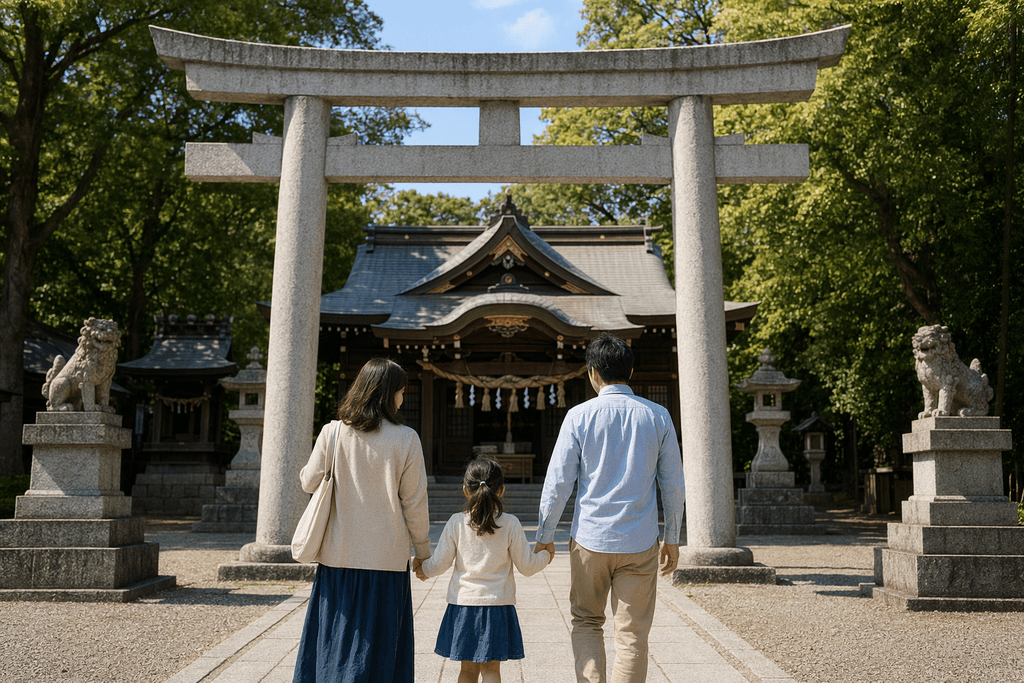
神社
ရှင်တိုနတ်ကွန်း
神社
ရှင်တိုနတ်ကွန်း
Explanation
神社
ရှင်တိုနတ်ကွန်း
神社
ရှင်တိုဘုရားကျောင်း / ဘုရားတင်ထားသည့် နေရာ (ရှင်တို)
( Base form )
( romanization )
( romanization )
( hiragana historical )
( hiragana )
船
သင်္ဘော
船
သင်္ဘော
Explanation
船
သင်္ဘော
船
သင်္ဘော / လှေ / ရေယဉ်

( romanization )
( hiragana )
おかげ
ကျေးဇူးကြောင့်
おかげ
ကျေးဇူးကြောင့်
Explanation
ကျေးဇူးကြောင့်
おかげ
ကရုဏာ၊ ကောင်းချီးတော် / အကူအညီ / သက်ရောက်မှု

( romanization )
規則
စည်းမျဉ်း
規則
စည်းမျဉ်း
Explanation
規則
စည်းမျဉ်း
規則
စည်းမျဉ်း / စည်းကမ်း / သတ်မှတ်ချက်

( Base form )
( romanization )
( hiragana )
放送する
ထုတ်လွှင့်သည်
放送する
ထုတ်လွှင့်သည်
Explanation
放送する
ထုတ်လွှင့်သည်
放送する
ထုတ်လွှင့်သည် / ရုပ်သံ/ရေဒီယိုဖြင့် ထုတ်လွှင့်သည် / အကြောင်းအရာကို လူထုထံ ထုတ်လွှင့်သည်

Word Forms
The basic and commonly used forms of this verb.
Basic forms
| Form | Word form | Usage |
|---|---|---|
| Imperfective form (mizenkei) |
Alternative:
放送せ
放送さ
|
Connects to endings such as nai, reru, and seru. |
| Continuative form (renyokei) | Connects to endings such as masu, tai, and ta. | |
| Conclusive form (shushikei) | Ends a sentence and serves as the dictionary form. | |
| Attributive form (rentaikei) | Modifies a noun. | |
| Conditional form (kateikei) | Combines with ba to express a condition. | |
| Imperative form (meireikei) |
Alternative:
放送せよ
|
Expresses a command or instruction. |
Common forms
説明
ရှင်းပြချက်
説明
ရှင်းပြချက်
Explanation
説明
ရှင်းပြချက်
説明
ရှင်းလင်းချက် / ရှင်းပြချက် / ရှင်းလင်းဖော်ပြမှု

( Base form )
( romanization )
( hiragana )
喜ぶ
ဝမ်းမြောက်သည်
喜ぶ
ဝမ်းမြောက်သည်
Explanation
喜ぶ
ဝမ်းမြောက်သည်
喜ぶ
ဝမ်းသာသည် / ပျော်ရွှင်သည် / ဝမ်းမြောက်သည်

Word Forms
The basic and commonly used forms of this verb.
Basic forms
| Form | Word form | Usage |
|---|---|---|
| Imperfective form (mizenkei) |
Alternative:
喜ぼ
|
Connects to endings such as nai, reru, and seru. |
| Continuative form (renyokei) | Connects to endings such as masu, tai, and ta. | |
| Conclusive form (shushikei) | Ends a sentence and serves as the dictionary form. | |
| Attributive form (rentaikei) | Modifies a noun. | |
| Conditional form (kateikei) | Combines with ba to express a condition. | |
| Imperative form (meireikei) | Expresses a command or instruction. |
Common forms
| Form | Word form | Usage |
|---|---|---|
| Te-form | Connects clauses with te. | |
| Ta-form | Expresses the past with ta. | |
| Nai-form | Expresses negation with nai. | |
| Masu-form | Used for polite speech. | |
| Ba-form | Expresses a condition with ba. | |
| Volitional form | Expresses intention or invitation. |
Notes
Loading...

JLPT N4 多言語単語帳・631語 / JLPT N4 Multilingual Vocabulary: 631 Words

Jonathan Waller 氏の JLPT Resources の語彙リスト・レベル分類を出典とし、CC BY の条件に従って DiQt が初級向けに意味を作り直した631語の単語帳です。JLPT公式の語彙リストではありません。
This collection of 631 words is based on the vocabulary list and level classifications in Jonathan Waller’s JLPT Resources under CC BY, with meanings rewritten by DiQt for beginners. It is not an official JLPT vocabulary list.
Key Operations
Select the first quiz:
Ctrl + Enter
View Explanation:Ctrl + G
Close a feedback:Esc
When selecting a quiz
Answer:Enter
Select a choice:↓ or ↑
Reading out the question:Ctrl + K
View Hint: Ctrl + M
I don't know: Ctrl + Y



