
JLPT N4 ဝေါဟာရအဓိပ္ပာယ် လေ့ကျင့်ခန်း - Unsolved

JLPT N4 စကားလုံး 631 လုံး၏ မြန်မာအဓိပ္ပာယ်ကို အဖြေရွေးချယ်စရာ လေးခုပါသော မေးခွန်းများဖြင့် လေ့လာပါ။
-
အနာဂတ် / ရှေ့အလားအလာ
-
မုတ်ဆိတ် / နှုတ်ခမ်းမွေး
-
ကိရိယာ / နည်းလမ်း
-
ဓာတ်ငွေ့
-
တက္ကသိုလ်ကျောင်းသား
-
ငလျင်
-
ထူးဆန်းသော / ရယ်စရာကောင်းသော
-
အိပ်ချင်သော
-
ဆိုးရွားသော
-
တင်းနစ်
-
ကုန်ပစ္စည်း
-
လက်ချောင်း
-
ပြောသည်
-
ကောက်ယူသည်
-
မေးသည်
-
အသံ
-
စိတ်ဝင်စားမှု
-
အသင့်ပြင်ဆင်မှု
-
ဓာတ်ငွေ့
-
အနုပညာပြတိုက်
-
ချည်မျှင်
-
သူတို့
-
ကျွန်တော်
-
သူမ / ချစ်သူမိန်းကလေး
-
တက္ကသိုလ်ကျောင်းသား
-
ထိုင်ခုံနေရာ
-
မူလတန်းကျောင်း
-
စောင့်ရှောက်မှု
-
ဈေးနှုန်း
-
ဆေးထိုးခြင်း
心配
စိုးရိမ်မှု
心配
စိုးရိမ်မှု
Explanation
心配
စိုးရိမ်မှု
心配
စိတ်ပူပန်မှု / စိုးရိမ်မှု / စိတ်မငြိမ်မှု

( Base form )
( romanization )
( hiragana )
お宅
သင့်အိမ်
お宅
သင့်အိမ်
Explanation
お宅
သင့်အိမ်
お宅
ဂုဏ်ပြု၍ တစ်ပါးသူ၏ အိမ် / ဂုဏ်ပြု၍ တစ်ပါးသူ၏ မိသားစု

( romanization )
( hiragana )
すごい
အံ့ဩဖွယ်ကောင်းသော
すごい
အံ့ဩဖွယ်ကောင်းသော
Explanation
အံ့ဩဖွယ်ကောင်းသော
すごい
အံ့သြဖွယ်ကောင်းသော၊ အလွန်ကောင်းသော / ထူးခြားသော၊ ထင်ရှားသော / ဆိုးရွားသော၊ ကြောက်မက်ဖွယ်ကောင်းသော

Word Forms
The basic and commonly used forms of this adjective.
Basic forms
| Form | Word form | Usage |
|---|---|---|
| Imperfective form (mizenkei) |
Alternative:
凄かろ
|
Used in forms such as karou; mainly literary. |
| Continuative form (renyokei) |
Alternative:
凄く
すごかっ
凄かっ
|
Used in forms such as kute and kunai. |
| Conclusive form (shushikei) |
Alternative:
凄い
|
Ends a sentence. |
| Attributive form (rentaikei) |
Alternative:
凄い
|
Modifies a noun. |
| Conditional form (kateikei) |
Alternative:
凄けれ
|
Expresses a condition with kereba. |
| Imperative form (meireikei) |
Alternative:
凄かれ
|
Rarely used in modern Japanese. |
Common forms
線
မျဉ်း
線
မျဉ်း
Explanation
線
မျဉ်း
線
မျဉ်း / ကြိုး / လမ်းကြောင်း

( romanization )
( hiragana )
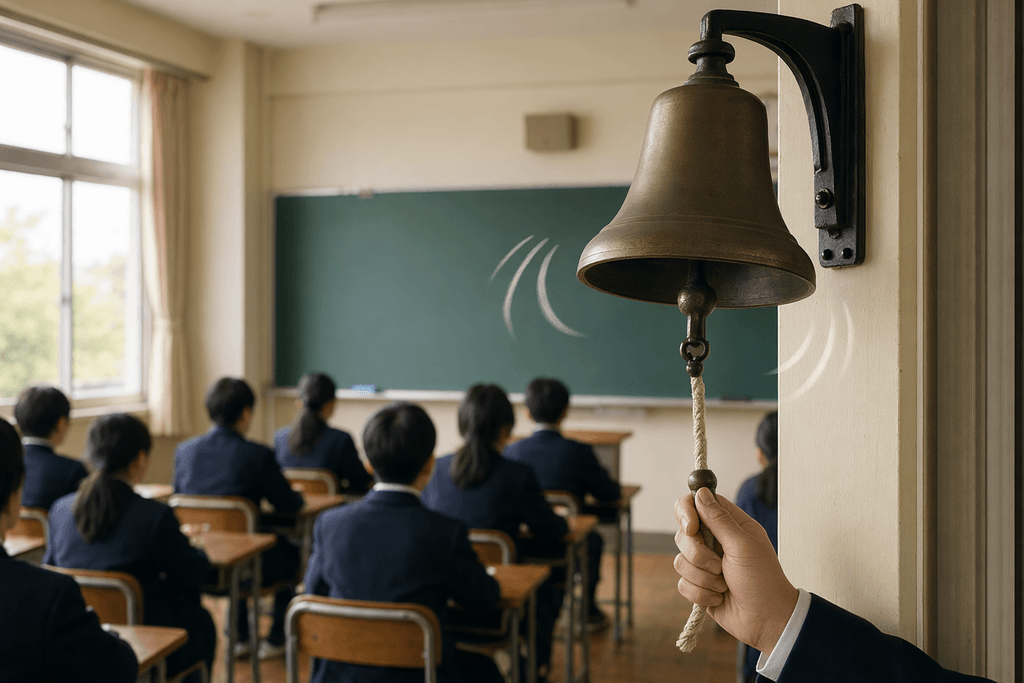
鳴る
မြည်သည်
鳴る
မြည်သည်
Explanation
鳴る
မြည်သည်
鳴る
မြည်သံထွက်သည် / အသံမြည်/ချိုင့်သံပေါ်သည် / ဟွန်းတီးသည်
Word Forms
The basic and commonly used forms of this verb.
Basic forms
| Form | Word form | Usage |
|---|---|---|
| Imperfective form (mizenkei) |
Alternative:
鳴ろ
|
Connects to endings such as nai, reru, and seru. |
| Continuative form (renyokei) |
Alternative:
鳴っ
|
Connects to endings such as masu, tai, and ta. |
| Conclusive form (shushikei) | Ends a sentence and serves as the dictionary form. | |
| Attributive form (rentaikei) | Modifies a noun. | |
| Conditional form (kateikei) | Combines with ba to express a condition. | |
| Imperative form (meireikei) | Expresses a command or instruction. |
Common forms
発音
အသံထွက်
発音
အသံထွက်
Explanation
発音
အသံထွက်
発音
အသံထွက် / အသံထွက်ပုံ / အသံထွက်နည်း

( Base form )
( romanization )
( stem )
( Past )
( kyūjitai )
( table-tags )
( inflection-template )
( imperfective stem )
( imperfective stem )
( imperfective )
( continuative stem )
( continuative stem )
( continuative )
( stem terminative )
( stem terminative )
( terminative )
( attributive stem )
( attributive stem )
( attributive )
( hypothetical stem )
( hypothetical stem )
( hypothetical )
( Imperative literary stem )
( colloquial Imperative stem )
( Imperative literary stem )
( colloquial Imperative stem )
( Imperative literary )
( colloquial Imperative )
( Passive voice )
( Passive voice )
( Passive voice )
( causative )
( causative )
( causative )
( causative )
( causative )
( causative )
( potential )
( potential )
( potential )
( volitional )
( volitional )
( volitional )
( negative )
( negative )
( negative )
( continuative negative )
( continuative negative )
( continuative negative )
( formal )
( formal )
( formal )
( perfective )
( perfective )
( perfective )
( conjunctive )
( conjunctive )
( conjunctive )
( Conditional hypothetical )
( Conditional hypothetical )
( Conditional hypothetical )
指
လက်ချောင်း
指
လက်ချောင်း
Explanation
指
လက်ချောင်း
指
လက်ချောင်း

( romanization )
( counter )
( hiragana )
( alternative )
( Rōmaji )
彼
သူ / ချစ်သူယောက်ျားလေး
彼
သူ / ချစ်သူယောက်ျားလေး
Explanation
彼
သူ / ချစ်သူယောက်ျားလေး
彼
သူ (ယောက်ျား) / ထိုသူ (အမျိုးသား)

( romanization )
( hiragana )
水道
ပိုက်ရေ
水道
ပိုက်ရေ
Explanation
水道
ပိုက်ရေ
水道
ရေပေးဝေရေးစနစ် / ရေမြောင်း / ရေကြောင်းတံတား

( Base form )
( romanization )
( hiragana )
邪魔
အတားအဆီး
邪魔
အတားအဆီး
Explanation
邪魔
အတားအဆီး
邪魔
အနှောင့်အယှက် / အတားအဆီး / ဝင်ရောက်နှောင့်ယှက်မှု (ယဉ်ပြေ)

( romanization )
Loading...

JLPT N4 多言語単語帳・631語 / JLPT N4 Multilingual Vocabulary: 631 Words

Jonathan Waller 氏の JLPT Resources の語彙リスト・レベル分類を出典とし、CC BY の条件に従って DiQt が初級向けに意味を作り直した631語の単語帳です。JLPT公式の語彙リストではありません。
This collection of 631 words is based on the vocabulary list and level classifications in Jonathan Waller’s JLPT Resources under CC BY, with meanings rewritten by DiQt for beginners. It is not an official JLPT vocabulary list.
Key Operations
Select the first quiz:
Ctrl + Enter
View Explanation:Ctrl + G
Close a feedback:Esc
When selecting a quiz
Answer:Enter
Select a choice:↓ or ↑
Reading out the question:Ctrl + K
View Hint: Ctrl + M
I don't know: Ctrl + Y



