
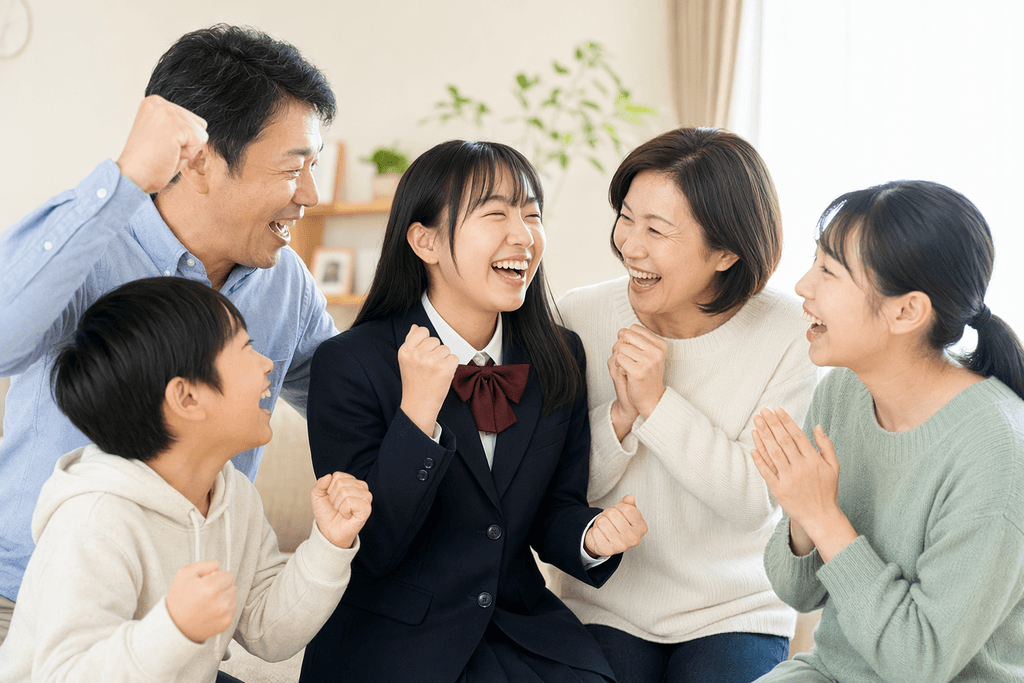
喜ぶ
to be delighted / to be glad / to be pleased / to rejoice
うれしく思う、喜びの気持ちになる / 喜びを感じる / (…を)うれしく受け入れる(文脈限定)
うれしい気持(きも)ちになることです。
感到高兴 / 欣然接受(请求或提议) / 欢迎;乐于接纳
感到高興、喜悅 / 欣然接受(提議或請求)、樂意答應
기뻐하다 / 반기다 / 흔쾌히 받아들이다
merasa gembira / menerima atau menyambut dengan senang hati
berasa gembira; berasa senang hati / berasa puas; berasa lega / bersukacita
alegrarse / aceptar con gusto / acoger con agrado
se réjouir / être content / être ravi
essere contento; rallegrarsi / gioire; esultare / provare piacere; essere soddisfatto
sich freuen / erfreut sein / jubeln
blive glad; fryde sig / være/begejstret; glæde sig / juble (over noget)
cieszyć się; radować się / być zadowolonym; być uradowanym
mít radost / být potěšen / radovat se
blij zijn / zich verheugen / ingenomen zijn
glede seg / bli glad / fryde seg
glädjas / vara glad / vara förtjust
радоваться / быть довольным; быть рад / ликовать
a se bucura / a fi încântat; a fi mulțumit / a se înveseli; a jubila
радіти, тішитися / бути задоволеним, зрадіти / виявляти радість, святкувати
alegrar-se / ficar contente / regozijar-se
vui mừng, hân hoan / sẵn lòng nhận lời/đáp ứng / hoan nghênh, đón nhận
masiyahan / matuwa / malugod na tanggapin
ดีใจ / ยินดี / ปลื้มปิติ
ດີໃຈ / ຍິນດີ / ປິຕິຍິນດີ
sevinmek / memnun olmak / hoşnut olmak
மகிழ்ச்சி அடைதல் / பெருமகிழ்வடையுதல் / உவகையுற்றிருத்தல்
प्रसन्न होना / आनंदित होना / खुश होना
خوش ہونا / خوشی محسوس کرنا / مسرت منانا
örül / örvendezik / boldog/elégedett (valami miatt)
לשמוח / להיות מרוצה / להתענג
আনন্দিত হওয়া / খুশি হওয়া / উল্লসিত হওয়া
खुसी हुनु / आनन्दित हुनु / प्रसन्न हुनु
සතුටු වීම / ප්රීතිමත් වීම / ආනන්දයට පත්වීම
ဝမ်းသာသည် / ပျော်ရွှင်သည် / ဝမ်းမြောက်သည်
баярлах / сэтгэл ханах / баясан хөөрөх
xursand bo‘lmoq / quvonmoq / mamnun bo‘lmoq
خوشحال شدن / شادمان شدن / اظهارِ شادی کردن
يَفْرَح / يَسُرّ / يَبْتَهِج
រីករាយ / ត្រេកអរ / សប្បាយចិត្ត
sentir alegria / ficar contente / regozijar-se
高興 / 歡喜 / 感到喜悅
Word Forms
The basic and commonly used forms of this verb.
Basic forms
| Form | Word form | Usage |
|---|---|---|
| Imperfective form (mizenkei) |
Alternative:
喜ぼ
|
Connects to endings such as nai, reru, and seru. |
| Continuative form (renyokei) | Connects to endings such as masu, tai, and ta. | |
| Conclusive form (shushikei) | Ends a sentence and serves as the dictionary form. | |
| Attributive form (rentaikei) | Modifies a noun. | |
| Conditional form (kateikei) | Combines with ba to express a condition. | |
| Imperative form (meireikei) | Expresses a command or instruction. |
Common forms
| Form | Word form | Usage |
|---|---|---|
| Te-form | Connects clauses with te. | |
| Ta-form | Expresses the past with ta. | |
| Nai-form | Expresses negation with nai. | |
| Masu-form | Used for polite speech. | |
| Ba-form | Expresses a condition with ba. | |
| Volitional form | Expresses intention or invitation. |
Notes
- 五段活用(バ行)。
- 「悦ぶ」「慶ぶ」は表記違い。
Japanese - Multilingual

- Users who have edit permission for words - All Users
- Screen new word creation
- Screen word edits
- Screen word deletion
- Screen changing entry name
- Users authorized to vote on judging - All Users
- Number of votes required for decision - 1
- Users who have edit permission for sentences - All Users
- Screen sentence deletion
- Users authorized to vote on judging - Editor
- Number of votes required for decision - 1
- Users who have edit permission for quizzes - All Users
- Users authorized to vote on judging - Editor
- Number of votes required for decision - 1



